Hot Springs Yumthang

Best time to visit

Best Time to Visit Hot Springs — Yumthang, Lachung (Tourism Guide)

Yumthang Valley and its nearby natural hot springs, accessed from the mountain village of Lachung in North Sikkim, are among India’s most scenic high-altitude destinations. Choosing the right time to visit affects what you will see (rhododendron blooms, clear Himalayan views, or snow), the road and weather conditions, and permit availability. This guide explains the seasonal highlights, practical logistics, safety and packing advice, and local rules so you can plan your trip confidently.

Quick Overview

  • Best overall months: April to early June and October to November.
  • For rhododendron blooms: Mid-April to May.
  • For snow lovers: December to February (roads may be closed during heavy snowfall).
  • Monsoon months: July to September — heavy rains, landslides and unpredictable road conditions; not recommended for first-time visitors.

Season-by-Season Guide

Spring (March – May)

Spring is widely regarded as the best time to visit Yumthang and its hot springs. As temperatures rise, expansive meadows and the Shingba Rhododendron Sanctuary burst into color — thousands of rhododendrons and alpine flowers make the valley spectacular. Weather is generally mild during the day, chilly at night, and skies are usually clear to partly cloudy.

  • Highlights: Rhododendron blooms, pleasant trekking conditions, excellent photography.
  • Crowds: Moderate to high (peak in April–May), so book accommodation in advance.

Early Summer (June)

June can still be pleasant in early weeks, but the monsoon often begins late in the month. Temperatures are comfortable, though occasional rains increase the risk of slippery roads.

Monsoon (July – September)

Monsoon brings heavy rain to the Himalaya, increasing the risk of landslides and roadblocks along the route from Gangtok and Mangan to Lachung and Yumthang. Many tourists avoid this period because of unpredictable travel and muddy trails.

  • Highlights: Lush green landscapes, fewer tourists.
  • Caveat: Reduced accessibility, frequent itinerary changes, and limited services.

Autumn (October – November)

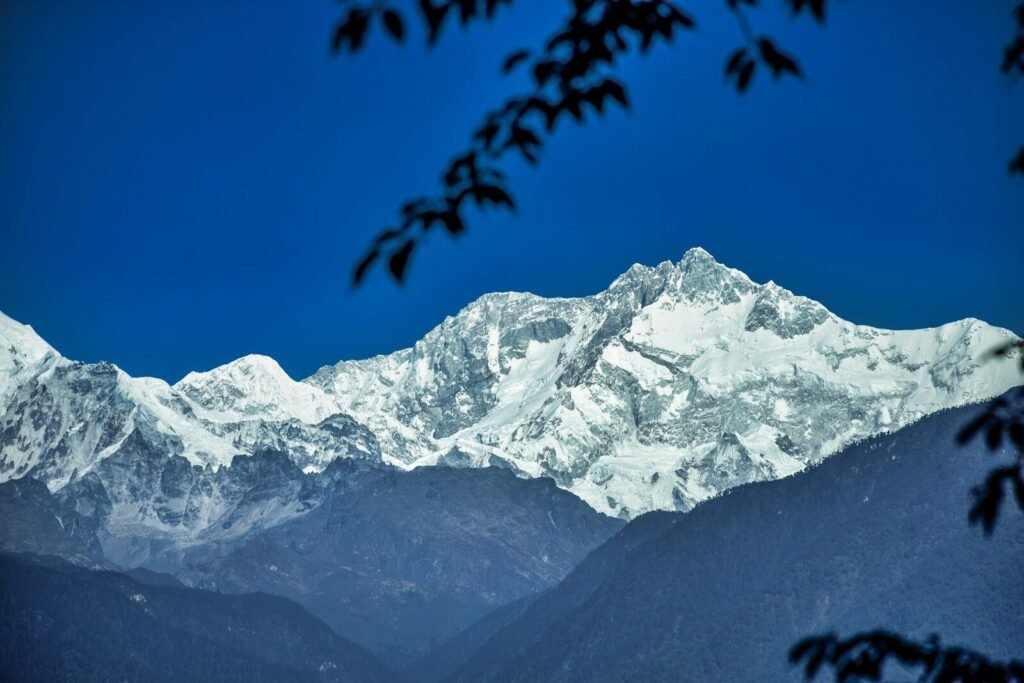
Autumn is another excellent window for visiting. Post-monsoon clear skies offer spectacular mountain views, crisp air and stable roads. This period is ideal for photography and comfortable day treks.

  • Highlights: Clear panoramas, pleasant temperatures, good road conditions.
  • Crowds: Moderate — weekends and Indian holidays can be busy.

Winter (December – February)

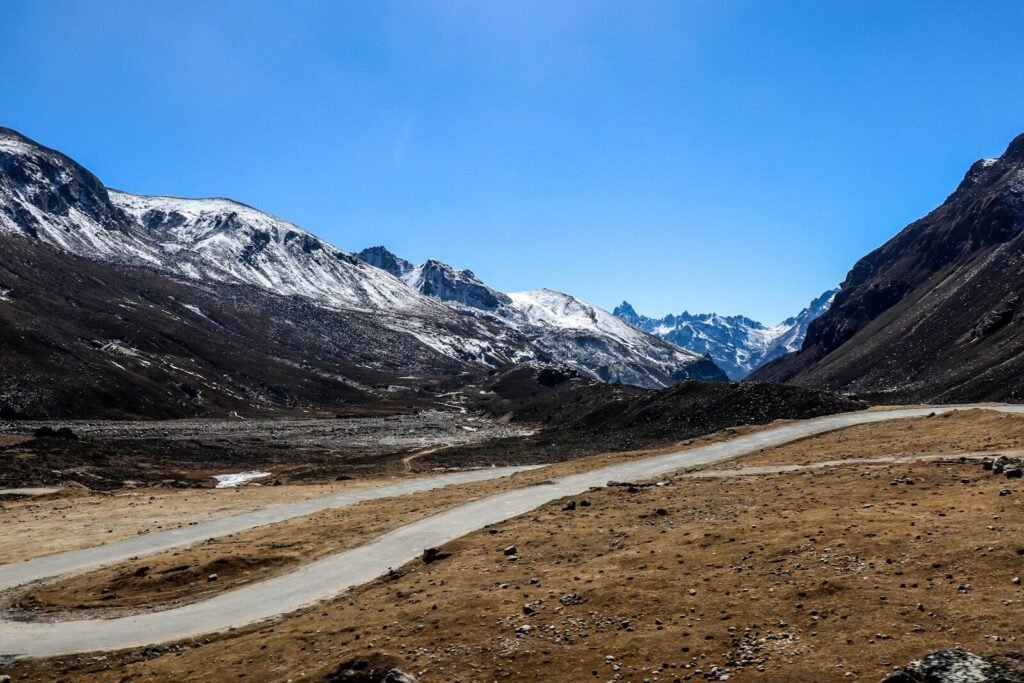
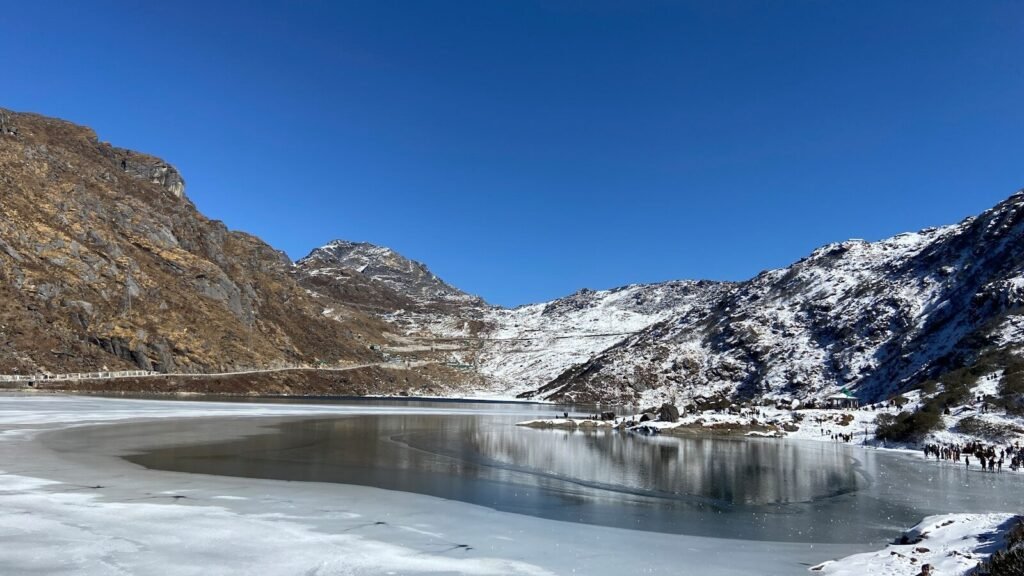
Winters are cold and often snowy. The valley and surrounding slopes can receive heavy snowfall — this creates a picturesque white landscape and makes the hot springs especially attractive. However, many roads and passes may be closed or require vehicles equipped for snow.

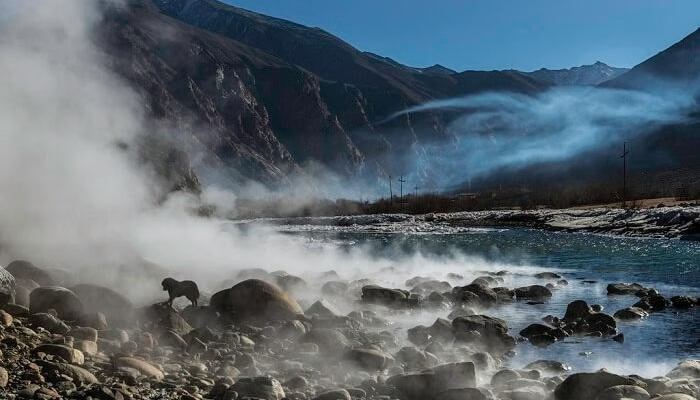
  • Highlights: Snow-covered scenery, steaming hot springs in sub-zero air.
  • Risks: Road closures, limited services, need for snow-capable transport.

Why Timing Matters

  • Weather and visibility: Clear post-monsoon and spring months offer the best mountain views.
  • Road accessibility: Landslides and snow can block roads during monsoon and mid-winter; travel disruptions are more likely then.
  • Local services: Small villages like Lachung have limited accommodation and facilities — peak season requires advance booking.
  • Wildlife and flora: Spring brings unique flora (rhododendrons) and bird activity; conservation rules are stricter during sensitive seasons.

Practical Travel Information

How to Reach

  • Nearest air/rail access: Bagdogra Airport (IXB) / New Jalpaiguri (NJP) railway station near Siliguri.
  • Road to Gangtok: 4–5 hours from Siliguri; then a further drive to Lachung (approx. 5–7 hours depending on road conditions).
  • From Lachung to Yumthang: about 25–30 km (usually a 1.5–2 hour drive), often via scenic mountain roads. Visitors typically stay overnight in Lachung and take a day trip to Yumthang.
  • Vehicles: Shared taxis, private cabs and limited SNT services operate; a sturdy vehicle is recommended in shoulder seasons. In winter, a vehicle with experience in snowy roads is essential.

Permits and Documentation

Yumthang and other parts of North Sikkim are in sensitive border zones. Permits are required:

  • Foreign nationals: Protected Area Permit (PAP) is required for most parts of Sikkim outside Gangtok and certain other zones. Apply well in advance through the Ministry of Home Affairs system, tour operators, or state tourism offices.
  • Indian nationals: Some restricted areas in North Sikkim require permits or registration; procedures can change, so confirm current requirements at the Sikkim Tourism office in Gangtok or your tour operator before travel.
  • Checkpoints: Permits/ID are checked at checkpoint towns (e.g., Mangan) and at entry to Lachung/Yumthang, so carry originals and photocopies.

Where to Stay

Lachung is the primary base for visiting Yumthang. Accommodation ranges from simple guesthouses and homestays to mid-range lodges. Luxuries are limited; consider Gangtok for higher-end stays if you prefer. Book early in peak months (April–May and October–November).

Activities at Yumthang and Nearby

  • Soaking feet near the hot springs (observe local rules; hot spring water is sulfurous — do not drink).
  • Nature walks and short hikes across the meadow.
  • Photography of rhododendron forests, alpine meadows and mountain vistas.
  • Birdwatching — Himalayan species and alpine migrants in spring.
  • Visiting nearby attractions: Lachung village sightseeing, Shingba Rhododendron Sanctuary, (seasonal) trips to Gurudongmar Lake or Zero Point — note additional permits and special vehicle/road requirements.

Health, Safety and Responsible Travel

Altitude and Acclimatization

Yumthang sits at a high altitude; visitors may feel effects of altitude change. Spend at least one night in Lachung to acclimatize, avoid heavy exertion on the first day, stay hydrated, and monitor for symptoms of acute mountain sickness (headache, nausea, dizziness). Seek medical help if symptoms worsen.

Hot Spring Safety

  • The hot springs contain sulfur and mineral salts. Do not drink the water.
  • Follow local signage and guidance before entering or bathing — some pools can be scalding or fragile.
  • Respect sanctity: some springs are culturally significant; ask locals before photography or bathing if in doubt.

Environment and Etiquette

  • Do not pick flowers or disturb vegetation — the rhododendron sanctuary is ecologically sensitive.
  • Carry out all litter; avoid single-use plastics where possible.
  • Ask before photographing local residents; respect local customs and dress modestly.

Packing Checklist

  • Clothing: Warm layers (thermal base, fleece, down jacket), waterproof outer layer (monsoon/shoulder seasons), hat and gloves for early mornings/winter.
  • Footwear: Sturdy walking shoes or lightweight trekking boots; waterproof if visiting during monsoon or snow.
  • Sun protection: Sunglasses, sunscreen, lip balm with SPF.
  • Personal medication, basic first-aid kit, blister care.
  • Reusable water bottle, snacks, altitude-suitable energy bars.
  • Cash (ATMs are limited in Lachung), ID and permit copies, spare phone battery/power bank.

Timing Tips and Sample Itineraries

If your main goal is the hot springs and rhododendron sights, plan to:

  • Arrive to Gangtok (day 1), travel to Lachung and rest (day 2), early start to Yumthang and back to Lachung (day 3), return toward Gangtok/Siliguri (day 4).
  • Visit early morning for clearer skies and fewer crowds; afternoons can bring clouds in transitional seasons.

Final Recommendations

For most travelers, April–early June and October–November strike the best balance of scenery, weather and accessibility. If you seek snow, choose December–February but be prepared for possible disruptions and limited services. Avoid monsoon months unless you accept the risk of road closures and want a very quiet, rain-drenched landscape.

Summary

Plan around your priorities: rhododendrons (spring), clear vistas (autumn), or snow (winter). Confirm permits ahead of time, allow acclimatization at Lachung, pack warm and waterproof gear, and respect local rules around the hot springs and the fragile alpine environment. With the right timing and preparation, Yumthang’s steaming springs and sweeping meadows deliver a memorable high-altitude Himalayan experience.

Get Instant Call Back​

Which places do you want to explore in North-East?
Kindly share your above details to get Travel Plan PDF within 30 seconds on your mobile
Please wait while we are preparing customized quotes as per your requirement.

Why Choose us ?

What makes us different from other tour package companies

Best Travel Experts

Our travel experts have core and intense knowledge about Sikkim sector with over 10 years of experience that will help you choose the best possible itinerary as per your requirements.

24 X 7 On-Trip Assistance

Our travel experts are just one call away during your tour to help you with any kind of immediate assistance so that your tour is a more enjoyable and hassle-free tour.

Best Rate Guarantee

eSikkimTourPackages ensures best rates to all our esteemed guests since we have our own hotels and fleet of vehicles and drivers and there is no third-party involvement. This ensures personalized service and best rates.


Sikkim Tour Packages by Theme

Sikkim Tour From Popular Cities

Limited period offer – Sikkim tour packages at flat 50% discount. Inquire now!

Kindly enter the details below for your Sikkim Tour Package
Loading, please wait . .. ... ....