Best Time to Visit Buddha Park, Ravangla — A Tourism Guide
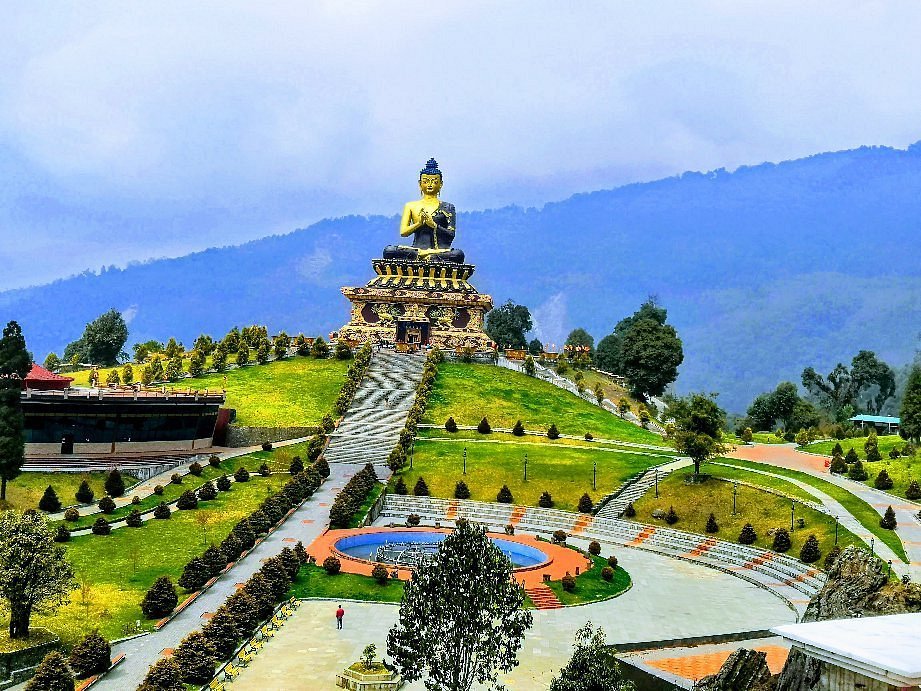
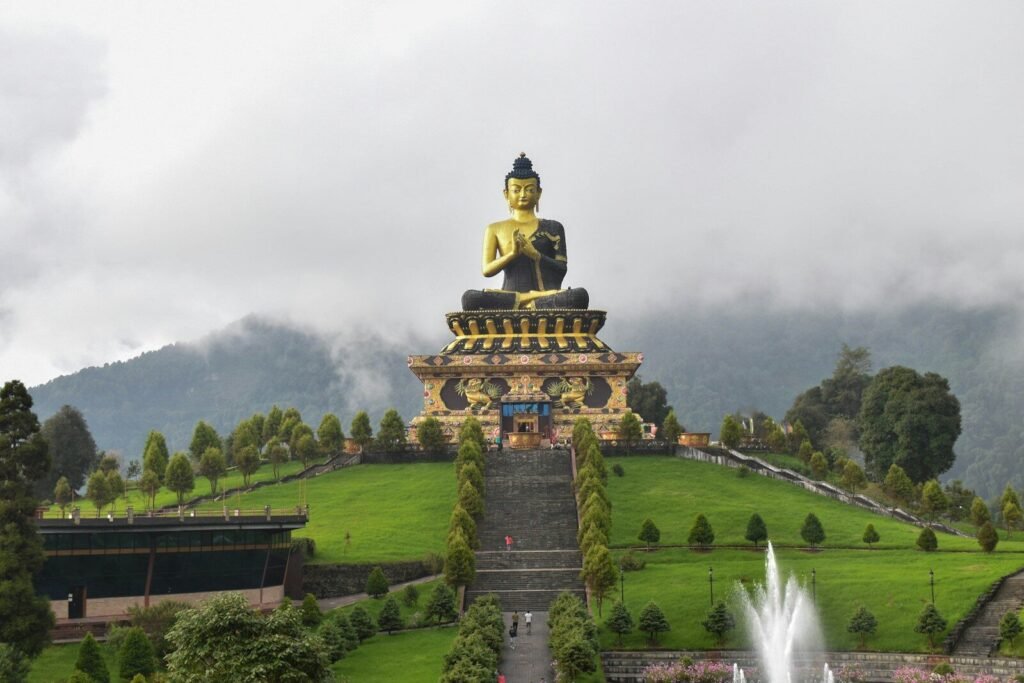
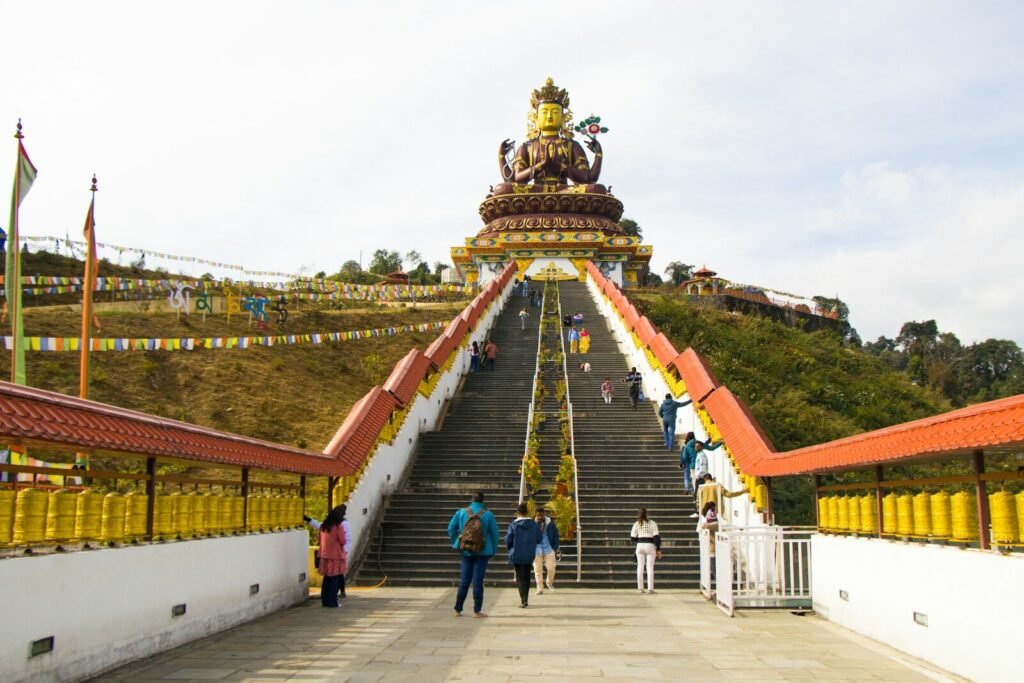
Buddha Park (Tathagata Tsal) near Ravangla in South Sikkim is one of the region’s most serene and photogenic attractions: a landscaped garden complex centered on a monumental Buddha statue, prayer wheels, meditation terraces and sweeping views of the eastern Himalaya. Choosing the best time to visit depends on what you want to experience — clear mountain vistas, flowering rhododendrons, festivals, photography, or quieter off‑season walks. This guide explains the seasonal patterns, advantages and drawbacks of each period, practical tips, and sample itineraries to help you plan your visit.
When is the best time to visit?
Overall best months: October to early December and March to May.
- October–early December (Autumn): Typically the clearest period of the year for Himalayan views, stable weather and moderate temperatures. Ideal for photography and short hikes.
- March–May (Spring): Mild temperatures, blossoming rhododendrons and primulas, pleasant days and cool nights — excellent for nature lovers and photographers.
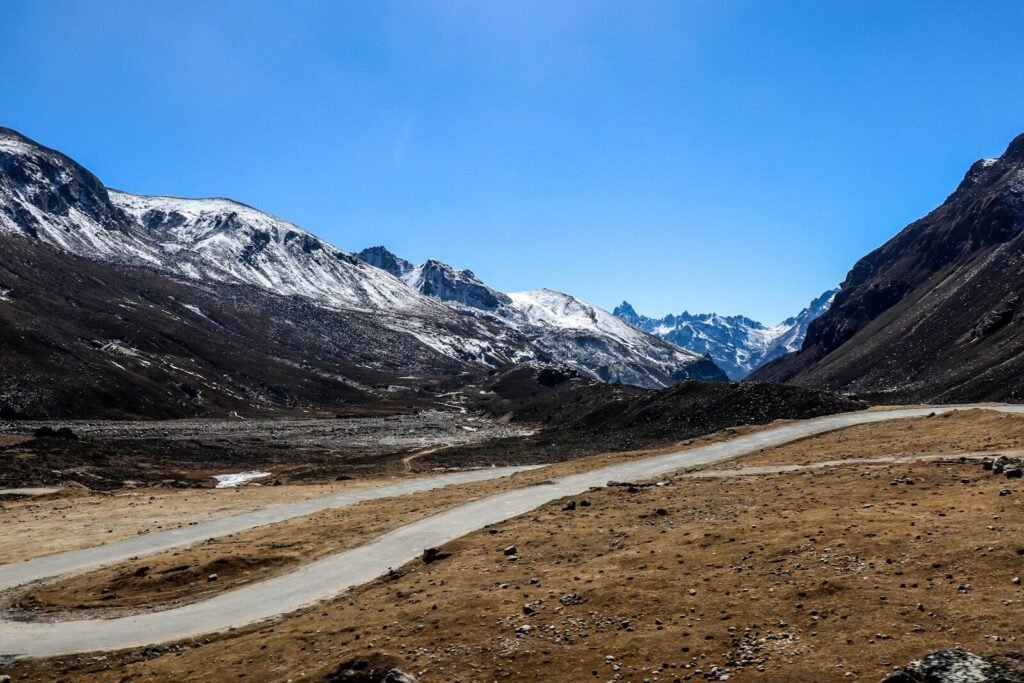
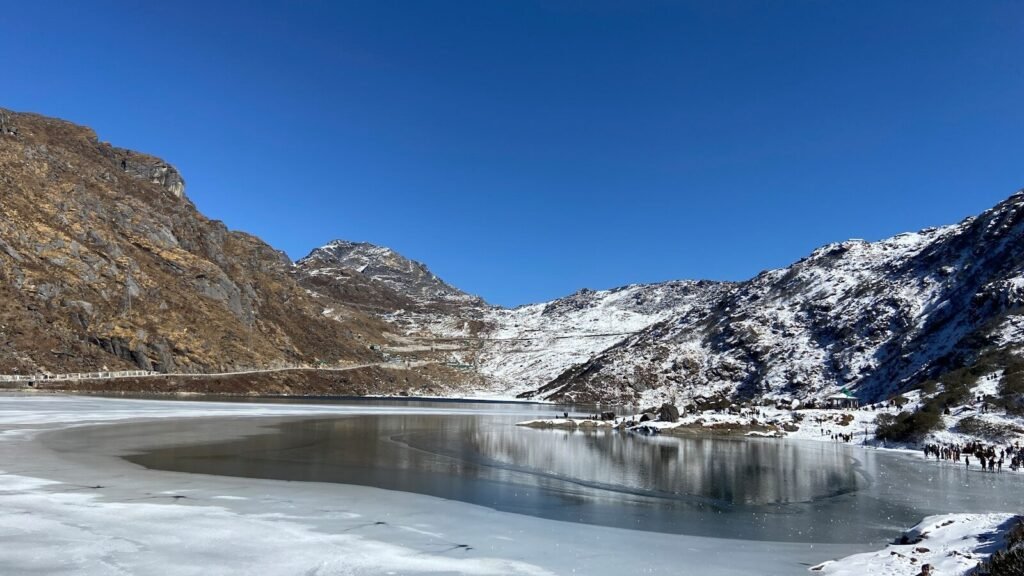
- December–February (Winter): Cold, sometimes snowy. If you like crisp air, possible snow-dusted vistas and fewer tourists, winter can be appealing. Daylight is short and mornings can be foggy or overcast at times.
- June–September (Monsoon / Summer): Heavy rainfall, cloud cover and occasional landslides make road travel and clear viewings uncertain. The vegetation is lush and waterfalls are at their best, but visibility of the peaks is often poor.
Seasonal breakdown and what to expect
Autumn (October – early December)
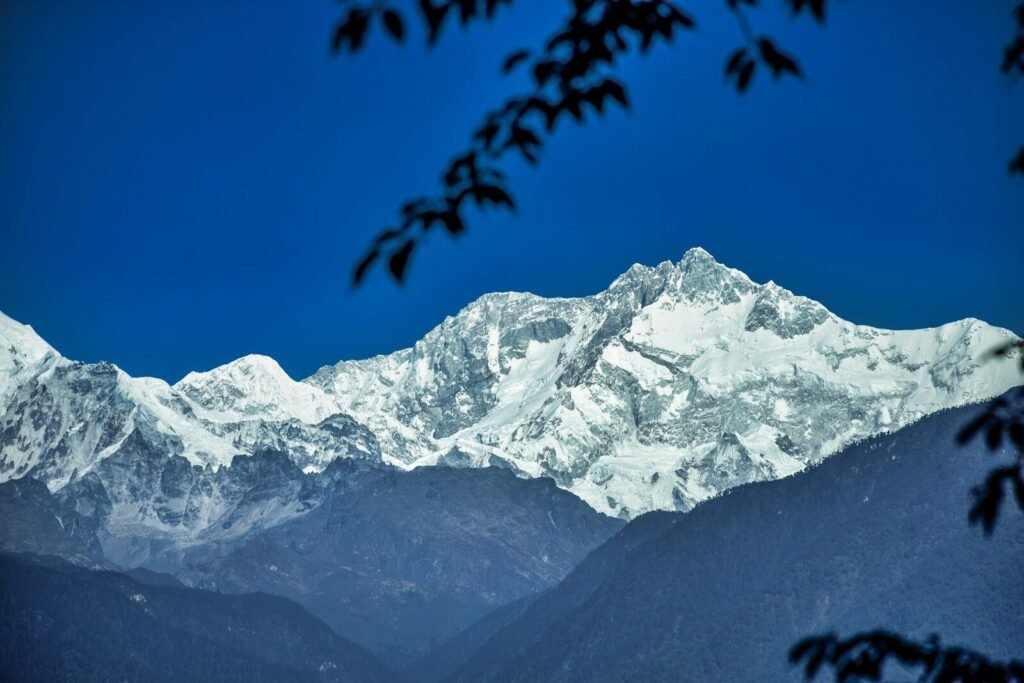
Why go: Clear skies, excellent visibility of Mt. Kanchenjunga and the Himalayan range; comfortable daytime temperatures; fewer insects.
- Sunrise and early morning are typically the best times for unobstructed mountain views and dramatic light on the Buddha statue.
- Crowds increase slightly on weekends and national holidays, but overall the site remains peaceful compared with major urban temples.
- Good time for birdwatching and nature walks around Ravangla.
Spring (March – May)
Why go: Blooming rhododendrons and alpine flowers create colorful scenery; pleasant weather for walking and photography.
- Temperatures rise gradually; expect cool mornings and evenings and comfortable afternoons.
- Visibility is usually good, though occasional pre‑monsoon haze can reduce long-distance views late in May.
- Great season for combining the park with short treks and visits to nearby monasteries.
Winter (December – February)
Why go: Quiet, tranquil atmosphere and potential for light snowfall that enhances the park’s visual charm.
- Cold mornings; temperatures can drop near freezing at night — bring warm layers.
- Some days remain clear with spectacular crisp mountain views; other days may be foggy or overcast.
- If you plan to include higher-altitude excursions, be prepared for icy paths and reduced services.
Monsoon / Early Summer (June – September)
Why you might avoid: Heavy, persistent rain, frequent cloud cover, and risk of landslides or road closures.
- The heavy foliage and swollen rivers are beautiful, but clear views of the Himalaya are rare.
- Travel times can increase and some routes may be temporarily disrupted.
- If you visit in this season, pack waterproof gear and check local weather and road conditions regularly.
Festivals and cultural considerations
Combine a visit with local experiences: Buddhist cultural events and local festivals can enrich your trip. Many monasteries and communities hold pujas, mask dances and seasonal celebrations. If you want to experience local culture, check the dates for regional festivals before you travel; these often follow lunar or local calendars and vary by year.
Practical travel tips
- Timing for photography: Arrive at the park at sunrise for soft light on the statue and minimal haze; sunset also offers warm tones but accessibility and light direction differ with seasons.
- What to pack: Layered clothing (temperatures vary through the day), warm jacket for mornings/evenings (especially in winter), comfortable walking shoes, rainproof jacket/umbrella (monsoon/cool seasons), sunscreen, sunglasses and a hat.
- Health & altitude: Ravangla sits at a moderate hill altitude — most visitors acclimatize easily. If you’re coming from near-sea-level, take it easy on strenuous activity the first day and stay hydrated.
- Accessibility: The park is accessible by road and has paved pathways; however, some vantage points and terraces require steps. If mobility is a concern, inquire locally about the easiest access routes and assistance.
- Safety: During monsoon months, check with local authorities or your accommodation about road safety and the status of access routes, as landslides can temporarily block travel.
- Local services: Ravangla has guesthouses, small hotels and home-stays. Book in peak periods (autumn and spring) to ensure the best choice of accommodation.
How to reach Buddha Park, Ravangla
Typical route: Most visitors approach Ravangla from Gangtok (the state capital) or from Siliguri/Bagdogra in West Bengal. From these hubs you take a scenic road journey by taxi or bus into South Sikkim. Once in Ravangla town, Buddha Park is a short drive or walk away.
Suggested itineraries
Short visit — Half day (from Ravangla)
- Early morning: Arrive at Buddha Park for sunrise views and a tranquil walk around the prayer wheels and gardens.
- Mid‑morning: Explore nearby viewing terraces and have tea at a local café overlooking the valleys.
- Afternoon: Return to town for a museum visit or a short nature walk near Ravangla.
Full day — Cultural + nature
- Morning: Visit Buddha Park at sunrise, then head to nearby monasteries for a cultural experience.
- Midday: Lunch in Ravangla; visit local craft shops or a nearby tea garden.
- Afternoon: Short hike on nearby trails for birdwatching and sunset viewpoints.
Multi-day trip — Base in Ravangla
- Day 1: Arrive and acclimatize; light exploration of town and evening view of the park.
- Day 2: Sunrise at Buddha Park; half‑day spent on local trails or visiting Ralong Monastery.
- Day 3: Longer day trip to nearby attractions such as Maenam Wildlife Sanctuary or Temi Tea Garden (seasonal visibility permitting).
Final recommendations
For the best overall experience, plan your visit in autumn (October–early December) or spring (March–May). These windows combine comfortable weather, clear mountain views and pleasant walking conditions. Winter rewards visitors who prefer solitude and snow-dusted scenery, while monsoon should be approached with caution due to heavy rain and limited visibility.
Quick checklist before you go
- Check the weather forecast and road conditions, especially in monsoon months.
- Pack layers, a rainproof jacket, and sturdy shoes.
- Book accommodation in advance for October–November and April–May.
- Plan sunrise visits for best light and fewer crowds.
With the right season, Buddha Park at Ravangla rewards visitors with spiritual calm, dramatic Himalayan panoramas and a peaceful connection to local Buddhist culture. Choose your timing based on whether you prioritize views, flowers, festivals or solitude, and you’ll leave with lasting memories of one of Sikkim’s most beautiful hilltop retreats.