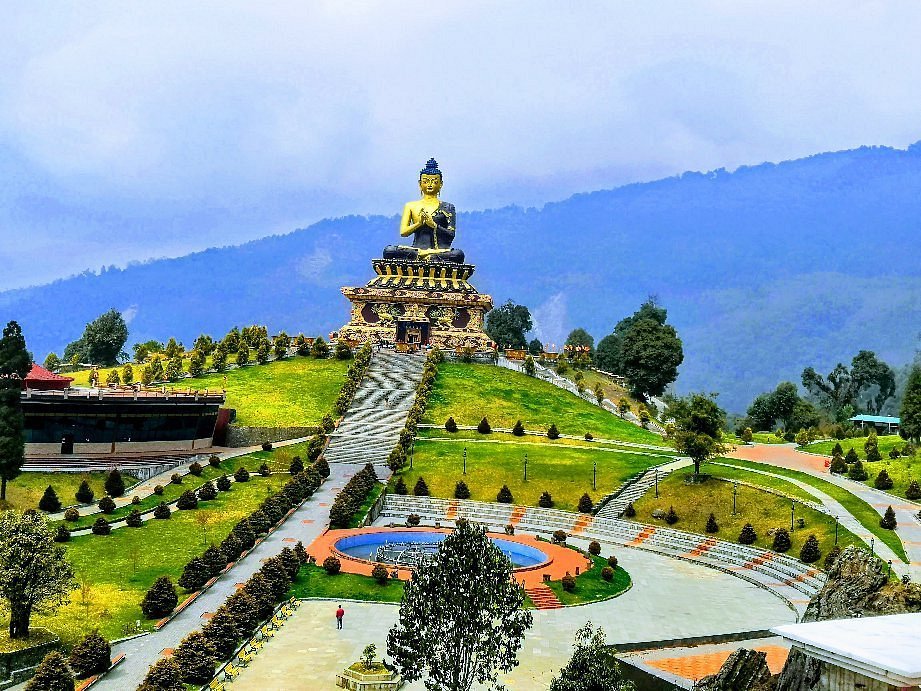
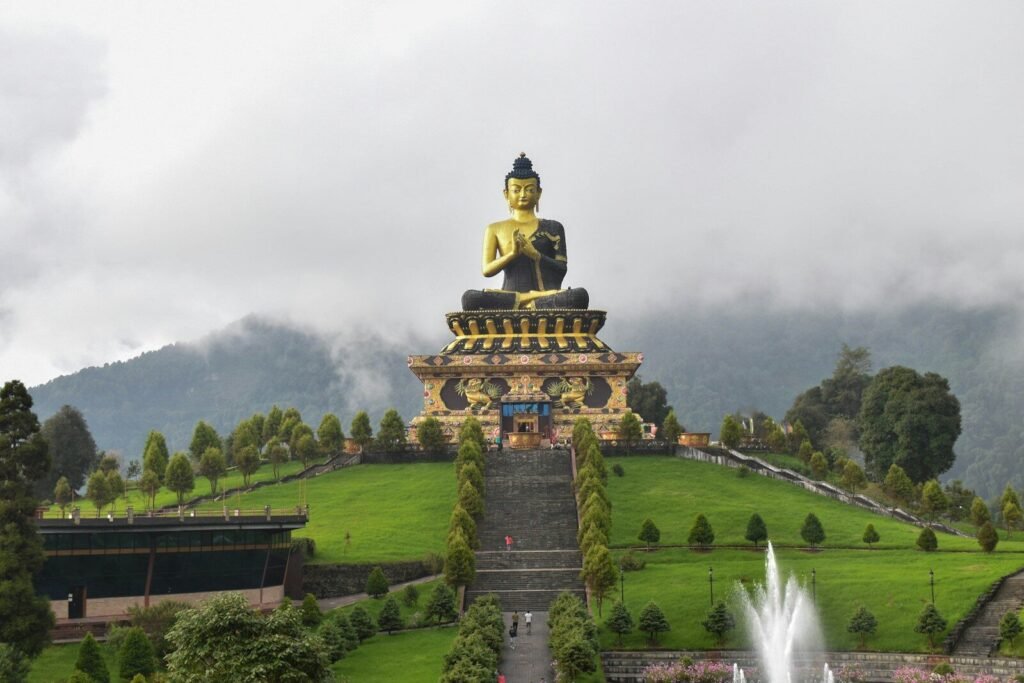
Buddha Park

FAQS

FAQs about Buddha Park (Tathagata Tsal), Ravangla — A Tourist Guide

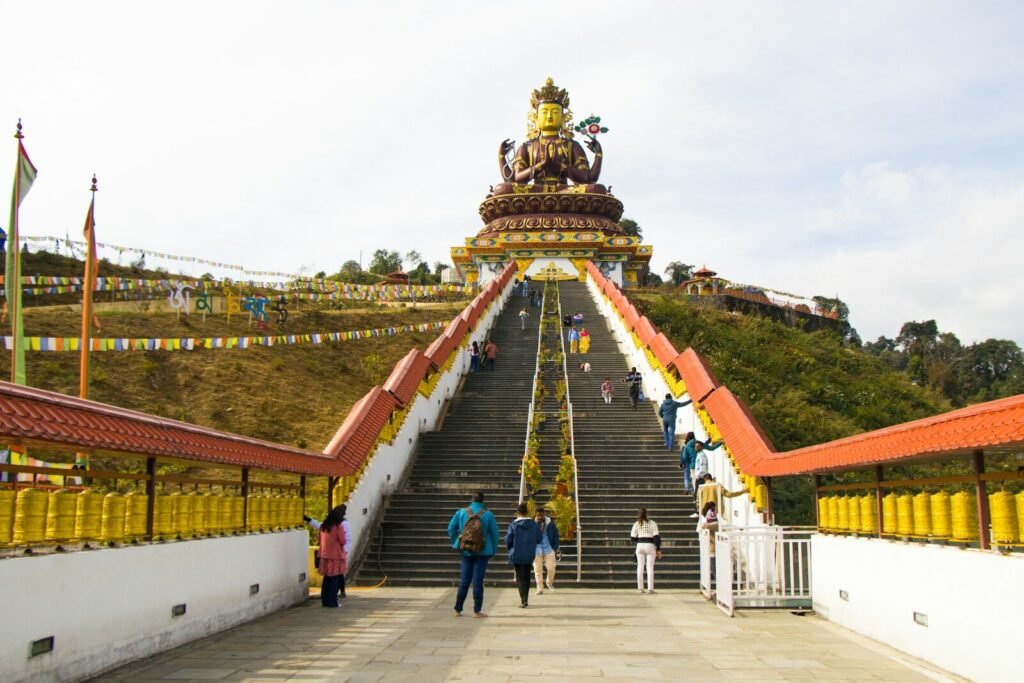
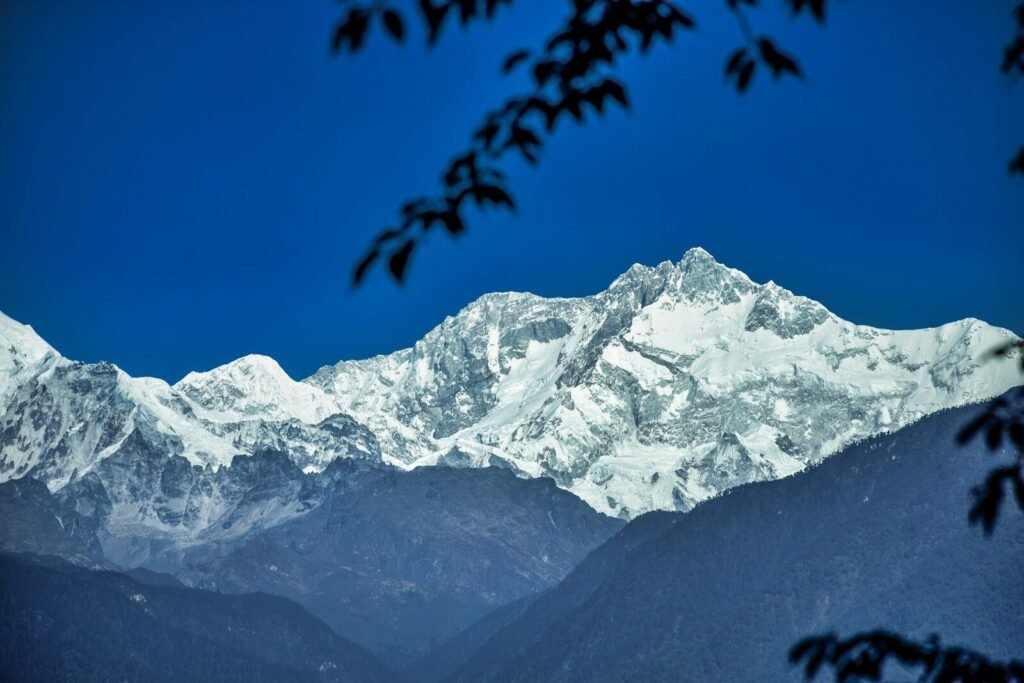
Buddha Park near Ravangla in South Sikkim (often referred to as Tathagata Tsal) is a popular pilgrimage and tourist spot known for its serene garden, large Buddha statue, prayer flags and panoramic Himalayan views. The following frequently asked questions and answers cover practical tourism information, tips and etiquette for planning your visit.

Quick facts

  • Location: Ravangla / Ralong area, South Sikkim, India.
  • Also known as: Tathagata Tsal or Ravangla Buddha Park.
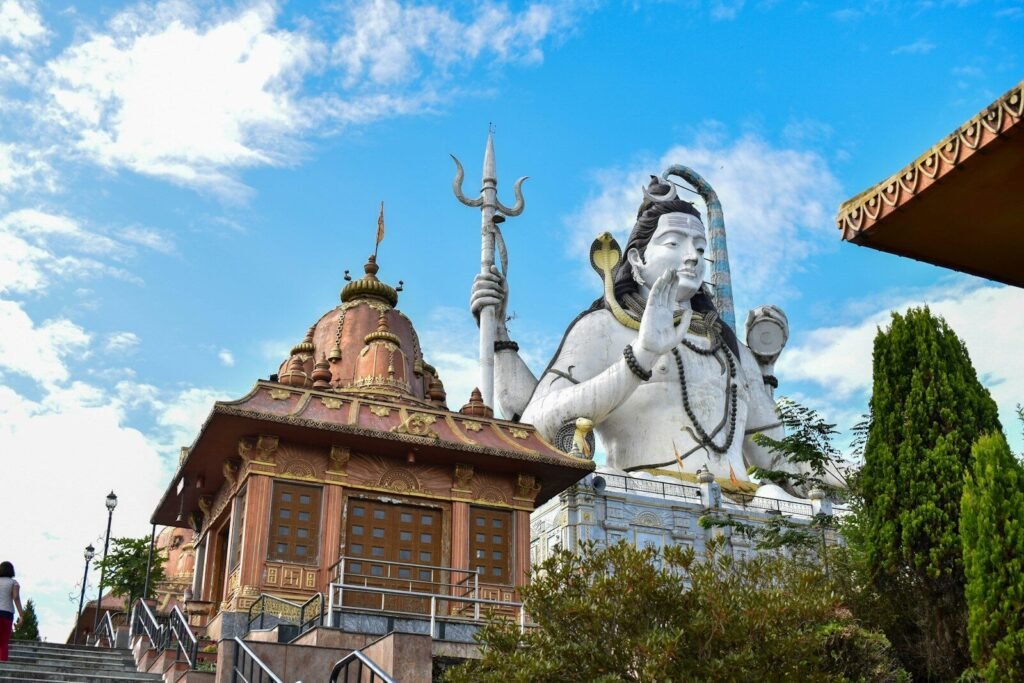
  • Statue & grounds: The park centers on a large seated Buddha statue and landscaped gardens with prayer wheels and small stupas.
  • Elevation: The Ravangla area sits roughly around 2,000–2,400 meters (about 6,500–7,900 ft), so expect cooler temperatures than the plains.
  • Best time to visit: Spring and autumn (March–May and September–November) for clear mountain views. Winters are cold with possible snowfall; monsoon months (June–August) are wet and visibility may be poor.

General visitor FAQs

1. What is the significance of Buddha Park in Ravangla?

Buddha Park is a modern devotional garden created to promote peace, Buddhist culture and tourism in the region. It is a peaceful place for meditation, photography and enjoying panoramic views of the surrounding hills and Himalayan ranges. It has become an important pilgrimage and tourist spot in South Sikkim.

2. What are the opening hours and entry fees?

Opening hours: Generally the park is open during daylight hours (early morning to late afternoon/evening). Exact times can vary by season; visitors usually arrive between 7:00–10:00 and stay until sunset.

Entry fee: There is usually no formal entry fee for casual visitors. Donations to maintenance or to the local monastery/management are welcome. Professional photo/video shoots may require prior permission and a fee.

3. How do I reach Ravangla / Buddha Park?

There are three common approaches:

  • By air: The nearest airport is Bagdogra (near Siliguri). From Bagdogra it is a road journey of several hours (typically 4–6 hours depending on traffic and route) to Ravangla.
  • By rail: New Jalpaiguri (NJP) or Siliguri Junction are the nearest major railway stations; proceed by road to Ravangla.
  • By road: Well-connected by road to Namchi and Gangtok. Gangtok is roughly 60–80 km away (around 2–3 hours depending on road conditions). Drive times vary with mountain roads and weather.

4. Is the park accessible by public transport?

Public buses and shared jeeps operate between major Sikkim towns (Namchi, Ravangla, Gangtok). However, for convenience and flexibility, many tourists hire taxis from Gangtok, Namchi or Siliguri. Arrange transport ahead during peak season.

5. What facilities are available at the park (toilets, food, parking)?

Basic tourist facilities are available:

  • Small parking area near the park entrance (arrive early during peak times).
  • Public/toilet facilities — limited, so carry tissues and hand sanitizer.
  • Tea/refreshment stalls and small kiosks nearby, but large restaurants are in Ravangla town.
  • No extensive commercial amenities; plan accordingly (water, medications).

Practical & safety FAQs

6. Is Buddha Park suitable for children and elderly visitors?

Yes — families and older visitors commonly visit. However, note there can be steps, uneven paths and stretches of uphill walking. If mobility is restricted, plan for assistance or limit time on steeper routes. Carry warm clothing for seniors and children, as weather changes quickly.

7. Are there safety or health considerations?

  • Altitude: Though not extremely high, some visitors may feel mild altitude effects; stay hydrated and avoid strenuous activity immediately on arrival.
  • Weather: Mountain weather is unpredictable — carry a light rain jacket and warm layers.
  • Footwear: Wear comfortable, non-slip shoes for walking on steps and trails.

8. What should I wear?

Dress modestly out of respect for the religious setting. Comfortable layered clothing is best — mornings and evenings are cool. If you plan to enter prayer halls or monasteries, avoid sleeveless tops or shorts.

Etiquette, photography and rules

9. Are there rules of conduct at the park?

Yes. Observe basic religious and cultural etiquette:

  • Keep silence: Respect the meditative atmosphere; keep voice levels low around prayer areas.
  • Remove shoes: Where signs request footwear removal (inside shrines or prayer halls), comply.
  • No smoking or alcohol: Prohibited in and around sacred areas.
  • Respect signs and ropes: Do not climb statues, stupas or restricted areas; many structures are delicate.

10. Is photography allowed?

Outdoor photography is generally allowed and the park is very photogenic. However:

  • Respect “no photography” signs, especially inside prayer halls or where rituals are ongoing.
  • For professional photo/video shoots (weddings, commercial work), obtain prior permission from the park/monastery authorities — fees may apply.

When to visit and what to expect

11. What is the best time of day for visiting the park?

Early morning (sunrise to mid-morning) gives cooler air, fewer crowds and crisp mountain views. Late afternoon near sunset is also scenic, but lighting and visibility can change quickly.

12. How long should I plan to spend at Buddha Park?

A typical visit lasts 1–2 hours to explore the statue, gardens and viewpoints at a relaxed pace. If you plan to meditate, attend ceremonies or combine with nearby attractions, allocate half a day.

Nearby attractions and itineraries

13. What else can I see near Ravangla?

Nearby points of interest that fit well into a day or multi-day itinerary include:

  • Ralang Monastery: A well-known monastery with colorful ceremonies.
  • Maenam Wildlife Sanctuary / trekking: Offers trails and birdwatching.
  • Temi Tea Garden (Namchi): Sikkim’s picturesque tea estate (short drive away).
  • Local viewpoints & villages: For Himalayan panoramas and cultural experiences.

14. Can I combine Buddha Park with trekking?

Yes. Ravangla is a gateway for several short treks (e.g., Maenam Hill). If you plan trekking, bring appropriate gear and consider hiring a local guide.

Planning, permits and practicalities

15. Do I need any permits to visit?

Domestic tourists generally do not need special permits to visit Buddha Park. If you plan to travel elsewhere in Sikkim (border areas, restricted zones), check Sikkim Tourism or local authorities for Protected Area Permits (PAP) or Inner Line Permits where applicable.

16. Are guided tours available?

Yes. Local guides and tour operators in Ravangla, Namchi and Gangtok can provide guided visits, cultural context and combined tours (monastery visits, tea gardens, treks). Booking guides in advance during peak season is recommended.

17. Where should I stay?

Accommodation options range from budget hotels and homestays in Ravangla to guesthouses in nearby Namchi and Gangtok for greater choices. During peak seasons book ahead; homestays offer local hospitality and home-cooked meals.

Events, festivals and ceremonies

18. Are there special festivals or events at the park?

Major Buddhist festivals such as Vesak (Buddha Purnima), Losar and local monastery events draw devotees and sometimes special ceremonies. Check local calendars or with tourism offices for dates. These are culturally rich experiences but can attract crowds.

Environmental & cultural responsibility

19. How can visitors help preserve the site?

Visitors can help by:

  • Not littering — carry back plastics and waste if bins are limited.
  • Following signage and not touching fragile artwork or religious items.
  • Supporting local businesses (tea stalls, guides, homestays) to benefit the community.

Final tips & contact information

20. Practical tips for visitors

  • Carry cash: Small vendors may not accept cards; ATMs in small towns can be limited.
  • Layered clothing: Temperatures change; mornings/evenings are colder.
  • Hydrate & snack: Carry water and light snacks for the site and transfers.
  • Check weather: Mountain visibility is weather-dependent; plan accordingly.
  • Respect local customs: Observe silence in prayer areas and ask permission before photographing people engaged in worship.

21. Who can I contact for up-to-date information?

For the latest timings, events and travel advisories contact Sikkim Tourism or the local tourism office/visitor center in Ravangla / Namchi. Local hotels, guides and tour operators can also provide on-the-ground updates and help with permits or transport.

Quick summary

Buddha Park (Tathagata Tsal), Ravangla is an accessible, peaceful and photogenic destination ideal for cultural tourism, short treks and Himalayan views. Visit in spring or autumn for best visibility, follow local etiquette, and plan transport and accommodation ahead during peak seasons.

Get Instant Call Back​

Which places do you want to explore in North-East?
Kindly share your above details to get Travel Plan PDF within 30 seconds on your mobile
Please wait while we are preparing customized quotes as per your requirement.

Why Choose us ?

What makes us different from other tour package companies

Best Travel Experts

Our travel experts have core and intense knowledge about Sikkim sector with over 10 years of experience that will help you choose the best possible itinerary as per your requirements.

24 X 7 On-Trip Assistance

Our travel experts are just one call away during your tour to help you with any kind of immediate assistance so that your tour is a more enjoyable and hassle-free tour.

Best Rate Guarantee

eSikkimTourPackages ensures best rates to all our esteemed guests since we have our own hotels and fleet of vehicles and drivers and there is no third-party involvement. This ensures personalized service and best rates.


Sikkim Tour Packages by Theme

Sikkim Tour From Popular Cities

Limited period offer – Sikkim tour packages at flat 50% discount. Inquire now!

Kindly enter the details below for your Sikkim Tour Package
Loading, please wait . .. ... ....