Table of Contents
- Sikkim in June: Quick Overview
- Weather in June
- Best Places to Visit in June
- Top Things To Do
- Festivals and Events in June
- Suggested 5–7 Day Itineraries
- Permits, How to Reach and Getting Around
- Where to Stay
- Local Food and Cafés
- Budget and Costs
- What to Pack for June
- Safety and Responsible Travel
- FAQs: Sikkim in June
- Conclusion
Sikkim in June: Quick Overview
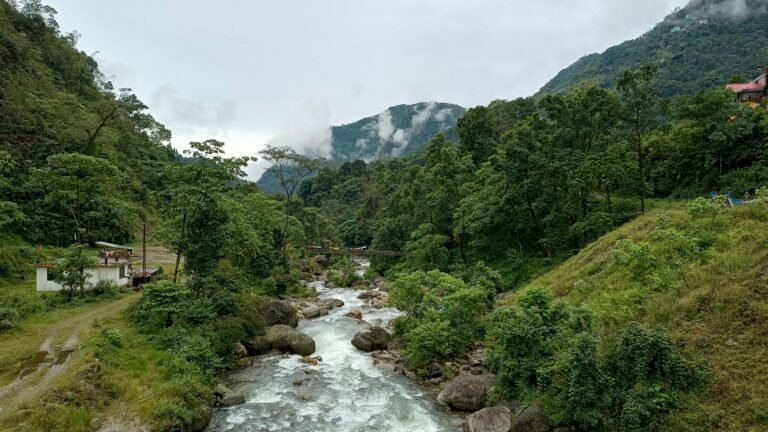
June in Sikkim ushers in the first monsoon showers, turning the Himalayas a brilliant green and charging every waterfall into full flow. Expect misty mountains, fewer crowds than peak spring, and crisp mornings with occasional rain through the day. If you’re drawn to lush valleys, birdlife, tea gardens, monasteries, and dramatic monsoon skies, June is a beautiful time to explore Sikkim.
Weather in June
- Temperature: 10–18°C in Gangtok/Ravangla/Pelling; 4–12°C at higher spots like Tsomgo and Yumthang (colder at night).
- Rain: Light to heavy showers, often in the afternoon or evening; mornings can be clear with mist rolling in.
- Visibility: Cloud cover is common; snow views of Kanchenjunga are hit-or-miss, but landscapes are vibrant.
- Daylight: Early sunrises and sunsets around 6:15–6:30 pm. Carry a rain jacket for sudden spells.
Best Places to Visit in June
Gangtok and Around
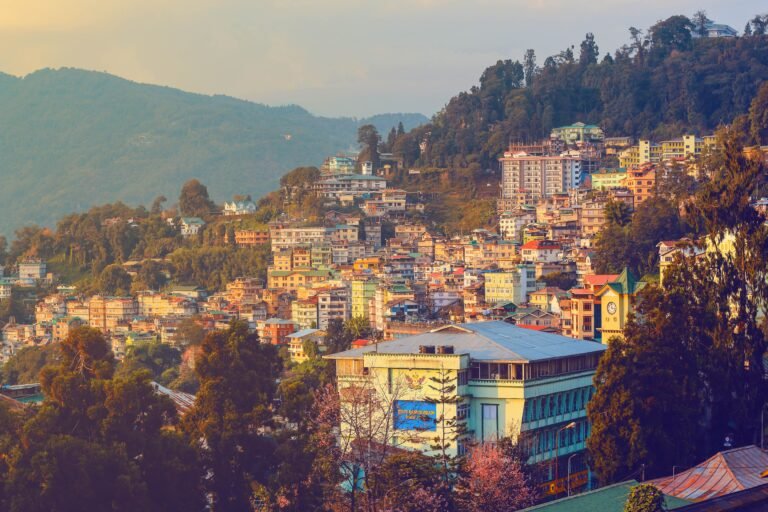
- MG Marg and Lal Bazaar: Cafés, local markets, and easy walks on rain-kissed streets.
- Namgyal Institute of Tibetology & Do-Drul Chorten: Insight into Sikkim’s Buddhist heritage.
- Tashi View Point/Hanuman Tok: Dawn visits for a chance at clear mountain vistas.
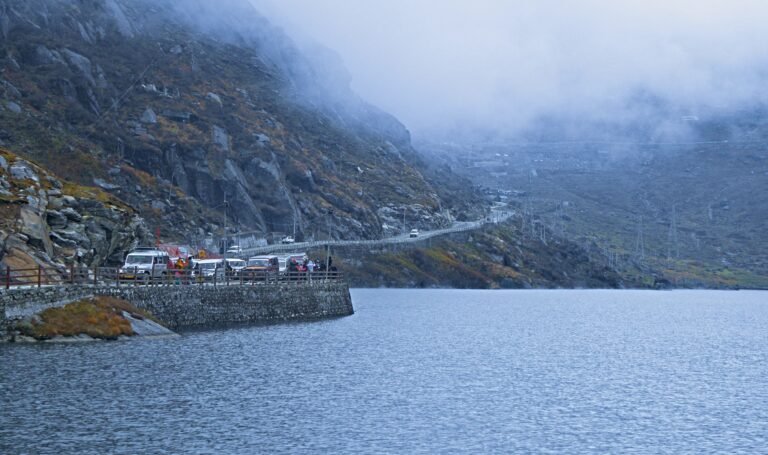
- Tsomgo (Changu) Lake & Baba Mandir: A classic day trip; fog is common in June, but the alpine lake looks surreal in mist. Permits required.
North Sikkim
- Lachung & Yumthang Valley: Lush meadows, swollen rivers, and late-bloom rhododendrons at higher reaches may still linger in early June. Roads can be rough; travel with a reliable local operator.
- Lachen: Gateway to high-altitude landscapes. Note that Gurudongmar Lake may be inaccessible during heavy rains; road conditions vary year to year.
- Dzongu (Lepcha Reserve): Slow travel, homestays, forest walks, and hot herbal baths; permits needed.
West Sikkim
- Pelling: Rabdentse Ruins, Pemayangtse Monastery, Sky Walk, and roaring Kanchenjunga Falls in monsoon glory.
- Yuksom: Historic capital, quiet trails, and monasteries; base for lower-altitude walks if higher treks are rain-affected.
- Rinchenpong/Kaluk/Hee–Bermiok: Offbeat villages, birdwatching, and countryside stays.
South Sikkim
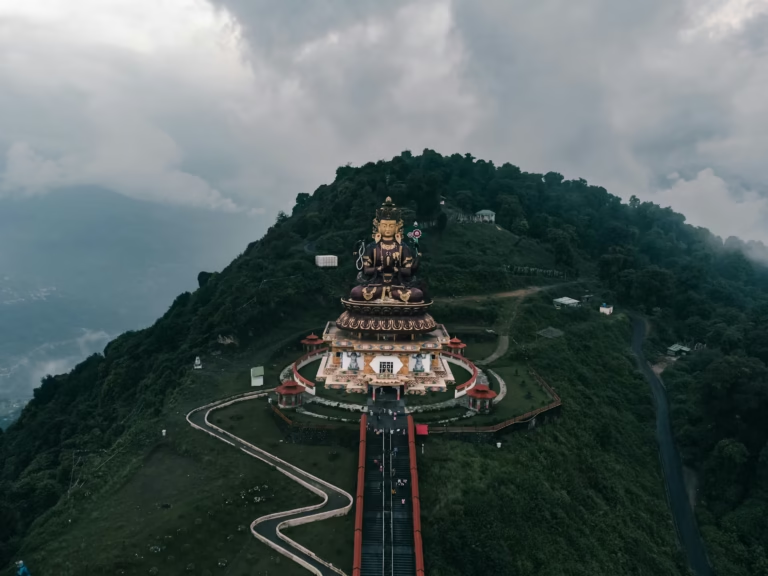
- Ravangla (Buddha Park): Mist-veiled serenity and landscaped grounds.
- Namchi: Siddhesvara Dham (Char Dham), Samdruptse, panoramic valley views.
- Temi Tea Garden: The only tea estate in Sikkim; June is brilliant for tea garden walks under drifting clouds.
East Sikkim’s Silk Route
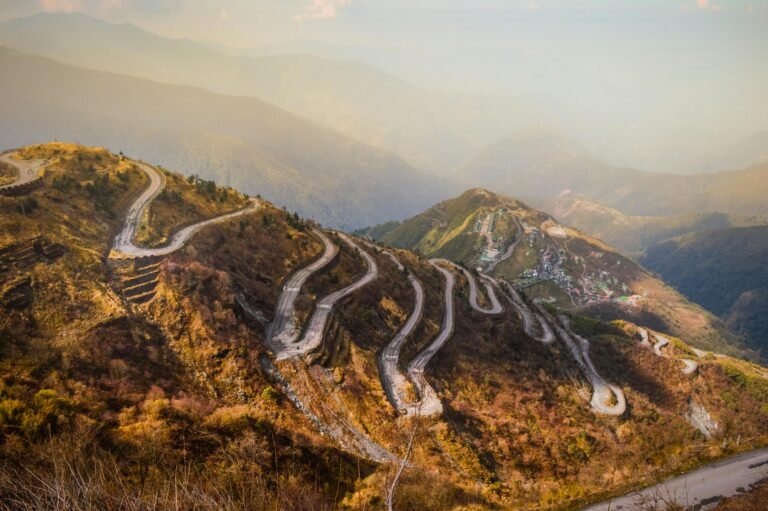
- Zuluk–Padamchen–Gnathang: The switchback roads and cloudscapes are unforgettable; heavy fog and rain require experienced drivers. Permits mandatory; weather-related closures possible.
- Nathu La Pass: Opens on select days and is weather-dependent; permits required and limited.
Note on High-Altitude Access
Many high passes and lakes are subject to weather closures in June. Build flexibility into your plan, and prioritize safety over fixed checklists.
Top Things To Do
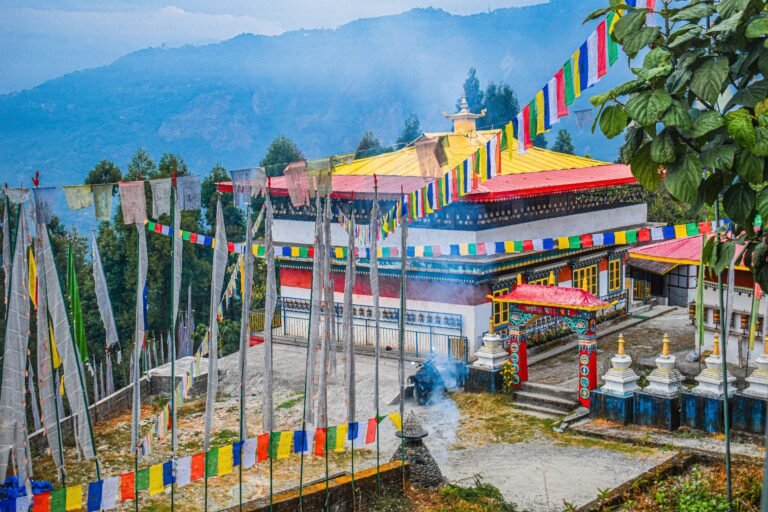
- Monastery Hopping: Rumtek, Enchey, Pemayangtse, Tashiding—monsoon lends a meditative mood.
- Waterfall Chasing: Seven Sisters Falls, Bakthang, Bhim Nala, and Kanchenjunga Falls are particularly dramatic post-rain.
- Tea and Wellness: Temi tastings; cozy spa sessions on rainy afternoons.
- Birding and Nature Walks: Kitam Bird Sanctuary (low-altitude), Hee–Bermiok belts; go early morning with leech protection.
- Café Hopping in Gangtok: Warm momos, thukpa bowls, and mountain coffee/tea culture.
- River Experiences: Teesta rafting may be suspended during strong flows; check locally for safe windows.
- Cultural Immersion: Village stays in Dzongu or West Sikkim for local cuisine, crafts, and farm life.
Festivals and Events in June
- Saga Dawa: A major Buddhist observance marking Buddha’s birth, enlightenment, and parinirvana, often falling in May–June (lunar calendar). Expect processions and prayers around Gangtok and key monasteries. Check exact dates locally for your travel year.
Suggested 5–7 Day Itineraries
Classic Highlights (6N/7D)
- Day 1–2: Gangtok (city sights, MG Marg, monasteries).
- Day 3: Tsomgo Lake and Baba Mandir day trip (weather permitting).
- Day 4–5: Lachung & Yumthang Valley (North Sikkim) with a local operator; keep an extra buffer for roads.
- Day 6: Transfer to Pelling; sunset at Sky Walk.
- Day 7: Rabdentse Ruins, Pemayangtse, Kanchenjunga Falls; depart.
Monsoon-Friendly South & West (5N/6D)
- Day 1–2: Gangtok highlights and nearby viewpoints.
- Day 3–4: Ravangla and Namchi (Buddha Park, Samdruptse, Char Dham).
- Day 5–6: Pelling/Yuksom (ruins, monasteries, waterfalls) and depart.
Offbeat Nature and Culture (6N/7D)
- Day 1–2: Gangtok (Tibetology, Enchey, cafés).
- Day 3–4: Dzongu homestay (forest walks, local cuisine, hot herbal baths; permits required).
- Day 5–6: Rinchenpong/Kaluk for village walks and birding; depart via Pelling or Jorethang.
Itinerary Tips
- Keep a flexible day for weather-related delays.
- Prioritize fewer bases with deeper exploration over rushing between regions in the rains.
Permits, How to Reach and Getting Around
Permits
- Domestic travelers (India): No permit for Gangtok and most towns. Restricted areas like Tsomgo, Nathu La, North Sikkim (Lachen/Lachung/Yumthang) require permits via registered operators; carry photo ID and passport photos.
- Foreign nationals: Need a Restricted/Protected Area Permit (free, issued at entry checkpoints or through registered agents). Additional permits are required for restricted zones. Foreigners are not allowed to visit Nathu La and Gurudongmar; Yumthang/Lachung may be allowed with proper permits via registered tours.
How to Reach
- By Air: Bagdogra (IXB) is the most reliable gateway. Pakyong (PYG) near Gangtok has limited operations and is weather-sensitive in monsoon.
- By Rail: New Jalpaiguri (NJP) is the nearest major railhead.
- By Road: IXB/NJP to Gangtok takes ~4–5 hours; to Pelling ~5–6 hours. In June, landslides or checks can add time—start early and keep buffers.
Getting Around
- Pre-book local taxis or tour vehicles through licensed operators, especially for North/East Sikkim and Silk Route.
- Shared cabs run between towns (budget-friendly but slower and weather-dependent).
- Self-drive is not recommended in monsoon unless highly experienced in mountain rain driving.
Where to Stay
- Gangtok: Boutique stays near MG Marg for café access; view rooms on Tibet Road for valley vistas.
- North Sikkim: Simple hotels and homestays in Lachen and Lachung; choose operators with reliable monsoon support.
- West Sikkim: Heritage-style hotels in Pelling; nature lodges in Yuksom, Hee–Bermiok.
- South Sikkim: Resort stays near Ravangla/Namchi; tea-bungalow experiences at Temi.
Booking Tip
Opt for refundable rates and properties with backup power, good road access, and on-site dining for rainy evenings.
Local Food and Cafés
- Must-try dishes: Momos, thukpa, phagshapa (pork with radish), gundruk, niguru (fiddlehead ferns), kheema noodles, churpi (hardened yak/cow cheese), sel roti, nettle soup.
- Drinks: Temi black and green teas, butter tea, local millet brews (where available), artisanal coffees.
- Where: Gangtok’s café lanes; homestays in Dzongu/West Sikkim for authentic meals.
Budget and Costs
- Mid-range hotels: INR 2,500–6,000 per night (double) depending on location and view.
- Private vehicle with driver: INR 3,500–7,500 per day by route and vehicle type; higher for North/East circuits.
- North Sikkim package (2D/1N or 3D/2N): Shared from INR 3,500–7,000 per person; private INR 14,000–25,000+ depending on inclusions and season.
- Day trips (Tsomgo/Baba Mandir): Shared INR 1,000–2,000 per person; private higher. Permit fees extra.
- Meals: INR 300–800 per person per meal; cafés slightly higher.
June often brings better availability and occasional off-peak deals compared to spring. Always confirm inclusions (permits/meals/4×4) for high-altitude trips.
What to Pack for June
- Light waterproof jacket/poncho; compact umbrella.
- Quick-dry layers, fleece/sweater for evenings and high-altitude excursions.
- Waterproof hiking shoes; sandals with grip for wet areas.
- Leech socks/salt for forest walks; insect repellent.
- Sun protection: hat, sunscreen, UV sunglasses.
- Personal medicines; motion-sickness tablets; basic first-aid. AMS awareness for high-altitude trips.
- Reusable water bottle, dry bags for electronics, power bank.
- ID proofs, multiple permit photocopies, and a few passport photos.
Safety and Responsible Travel
- Monsoon readiness: Start drives early, watch for landslides, and follow local advisories. Keep buffer time for travel days.
- Altitude care: Ascend gradually, hydrate, avoid alcohol at elevation, and descend if symptoms worsen.
- Eco practices: Sikkim is a leader in sustainability. Avoid single-use plastics, carry trash back, and respect wildlife.
- Monastery etiquette: Dress modestly, remove hats, ask before photos.
- Connectivity & cash: 4G works in towns (Airtel/Jio), patchy in North/East. Carry cash backups; ATMs in Gangtok, Mangan, Namchi, Pelling.
- Insurance: Consider travel insurance that covers weather disruptions and high-altitude evacuation.
FAQs: Sikkim in June
Is June a good time to visit Sikkim?
Yes, if you enjoy lush greenery, waterfalls, and fewer crowds. Be flexible with plans due to rain and potential road delays.
Will I see snow in June?
Fresh snowfall is unlikely. You may see remnant snow patches only at very high altitudes, if accessible.
Is North Sikkim open in June?
Often yes, but access varies with rainfall and road conditions. Operators assess routes daily; some spots may be off-limits during heavy showers.
Can foreigners visit North/East Sikkim?
With appropriate permits, foreigners can visit certain areas like Yumthang via registered agents. Nathu La and Gurudongmar are off-limits to foreign nationals.
Is rafting available in June?
Depends on river levels. Safety takes priority; check locally for current conditions and operator advisories.
What should I wear?
Quick-dry layers, a warm mid-layer, and a waterproof outer shell. Waterproof footwear is essential for wet trails.
Conclusion
June paints Sikkim in saturated greens, cascading waters, and mystical mists. While mountain panoramas play hide-and-seek, the state’s monasteries, tea gardens, forests, and warm hospitality shine in the rains. Travel with flexibility, embrace the mood of the monsoon, and you’ll discover a quieter, soulful side of Sikkim that’s every bit as memorable as its postcard peaks.