Table of Contents
- Why Visit Sikkim in February
- Sikkim Weather in February: Quick Facts
- Best Places to Visit in Sikkim in February
- Top Things to Do in February
- Festivals and Events in February
- Sample Itineraries for February
- How to Reach Sikkim
- Permits and Regulations
- Where to Stay
- What to Pack for Sikkim in February
- Safety, Health, and Responsible Travel
- Budget and Costs in February
- FAQ: Sikkim in February
- Conclusion
Why Visit Sikkim in February
February paints Sikkim in crisp winter light, snow-dusted peaks, and tranquil valleys with thinner tourist crowds. Expect pristine views of Kanchenjunga, magical frozen lakes at higher altitudes, photogenic monasteries, and cozy evenings in mountain homestays. If you dream of snow, hot springs, and peaceful mountain towns, Sikkim in February is a memorable pick.
Sikkim Weather in February: Quick Facts
- Gangtok & Pelling: 3–12°C; cold mornings and evenings, pleasant sunny afternoons.
- North Sikkim (Lachen/Lachung): -5–5°C; frequent snowfall at higher spots like Zero Point and near Gurudongmar Lake.
- Tsomgo Lake & Nathula: often sub-zero; snowfall likely, road closures possible.
- Skies: Generally clear for mountain views; occasional Western Disturbances can bring snow.
- Crowds & Prices: Lower than peak seasons; build a buffer day in case of weather-related road blocks.
Best Places to Visit in Sikkim in February
Gangtok and East Sikkim
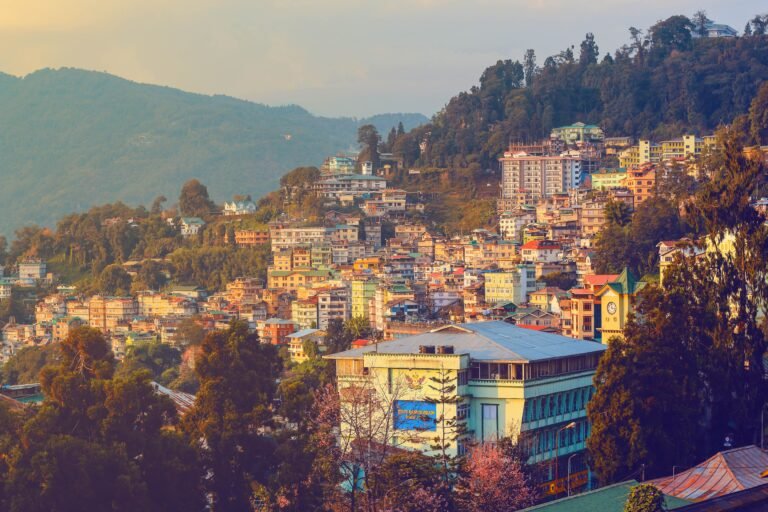
Base yourself in Gangtok for permits, cafes, shopping on MG Marg, the ropeway, and views from Tashi View Point. East Sikkim gives easy access to snowy landscapes when roads allow.
Tsomgo (Changu) Lake and Nathula Pass
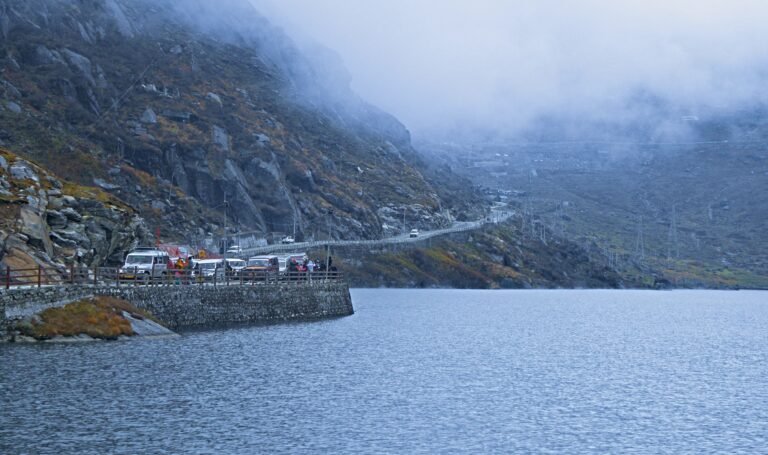
- Tsomgo Lake: Often frozen in February, framed by snowy ridges; yak rides are popular.
- Nathula Pass: High-altitude frontier on select open days for Indian nationals with permits. Road closures due to snow are common; always check the latest status.
North Sikkim: Lachung, Lachen, Yumthang & Gurudongmar
- Yumthang Valley: A white wonderland in February; the famous rhododendrons bloom from late March, but snow scenery is superb.
- Zero Point (Yumesamdong): For heavy snow and dramatic landscapes; extremely cold and may be shut during heavy snowfall.
- Lachen & Gurudongmar Lake: A bucket-list high-altitude lake; approach depends on weather and permits. The route can be icy—travel in a robust vehicle and be winter-ready.
West Sikkim: Pelling, Yuksom, and Beyond
- Pelling: Unparalleled Kanchenjunga views, Pemayangtse Monastery, Rabdentse Ruins, and the Pelling Skywalk (Chenrezig).
- Singshore Bridge: One of the highest suspension bridges in the region, with sweeping valley views.
- Yuksom: Historic trailhead for Dzongri/Goecha La treks. Long treks may be snowbound; consider short day hikes if trails are safe.
South Sikkim: Ravangla, Namchi, and Hot Springs
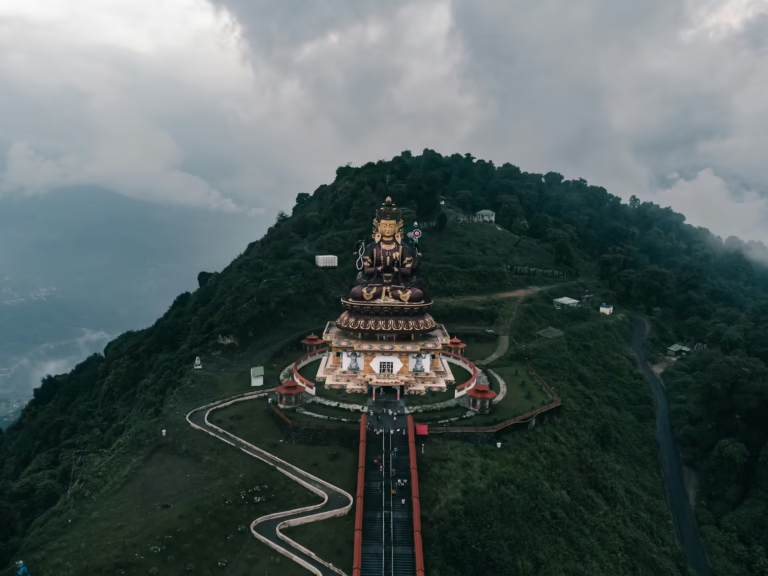
- Ravangla: Serene Buddha Park with massive statue and mountain panoramas.
- Namchi: Char Dham complex and Samdruptse Statue; clearer winter skies deliver great photos.
- Hot Springs: Ralong/Borong and Reshi offer warm dips on cold days (local guidance advised).
- Temi Tea Garden: Gentle winter sun over terraced tea fields—excellent for scenic walks.
Old Silk Route (Zuluk–Gnathang)
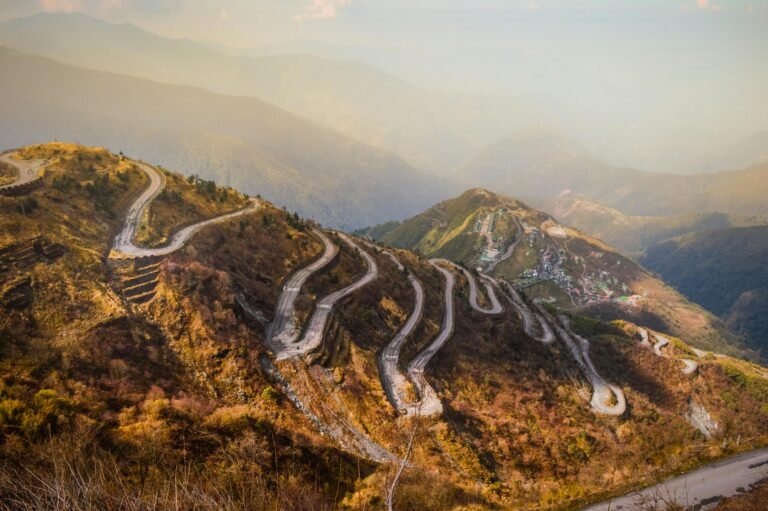
The hairpin bends of Zuluk are often snow-clad in February, delivering striking vistas. Road conditions vary; a 4×4 and local driver familiar with winter terrain are recommended.
Top Things to Do in February
- Snow experiences: Build snowmen at Zero Point, experience a frozen Tsomgo Lake, and photograph icicles along mountain roads.
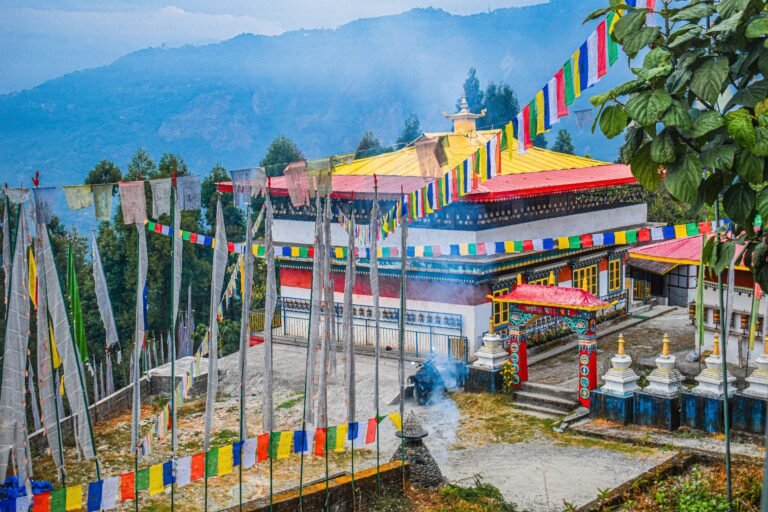
- Monastery hopping: Explore Rumtek, Pemayangtse, Enchey, and Tashiding—quiet winter ambience enhances the spiritual feel.
- Hot springs: Take a restorative dip at Ralong/Borong or near Yumthang (where accessible).
- Scenic rides and skywalks: Pelling Skywalk, Singshore Bridge, and Gangtok Ropeway for sweeping views.
- Cafe and culture: Warm up with thukpa, momos, gyathuk, and local butter tea in Gangtok and Pelling.
- Birding (lower altitudes): Kitam Bird Sanctuary in South Sikkim can be rewarding in winter.
Festivals and Events in February
- Losar (Tibetan New Year): Often falls in February (lunar calendar). Expect special prayers and festive decorations at Tibetan Buddhist monasteries.
- Sonam Losar (Tamang New Year): Sometimes in late Jan/Feb with cultural performances and feasts.
- Bumchu Festival (Tashiding Monastery): A revered annual ceremony usually in Feb/Mar, drawing pilgrims to West Sikkim. Check exact dates each year.
Sample Itineraries for February
5-Day Classic Winter Sampler
- Day 1: Arrive Gangtok; MG Marg stroll; ropeway; Tashi View Point if clear.
- Day 2: Tsomgo Lake and Baba Mandir; Nathula if open (Indians with permit). Buffer for weather.
- Day 3: Gangtok to Pelling via Ravangla Buddha Park; sunset at Pelling viewpoint.
- Day 4: Pemayangtse, Rabdentse, Pelling Skywalk; optional Singshore Bridge.
- Day 5: Return travel; cafe-hop or souvenir shopping en route.
8-Day Snow & Spiritual Trails
- Day 1: Gangtok arrival, acclimatize.
- Day 2: Tsomgo Lake excursion; weather-dependent.
- Day 3: Gangtok to Lachung (North Sikkim).
- Day 4: Yumthang Valley and Zero Point (if open); overnight Lachung.
- Day 5: Lachung to Lachen.
- Day 6: Early visit to Gurudongmar Lake (if permitted and safe); back to Gangtok.
- Day 7: Gangtok to Pelling via Temi Tea Garden or Ravangla.
- Day 8: Pelling sightseeing; depart.
Tip: Keep one flexible buffer day in case of snow-related delays.
How to Reach Sikkim
By Air
- Pakyong (PYG), Sikkim: Limited flights and weather-dependent operations.
- Bagdogra (IXB), West Bengal: Major gateway; 4–5 hours by road to Gangtok.
By Rail/Road
- NJP (New Jalpaiguri): Nearest major railhead; taxis/shared cabs to Sikkim.
- Road Entry: Via Rangpo/Melli check posts; permits if applicable.
Permits and Regulations
- Indian Nationals: No entry permit for Sikkim, but Protected Area Permits are mandatory for restricted zones:
- Tsomgo/Nathula, North Sikkim (Lachen/Lachung/Yumthang/Zero Point): Arrange via registered tour operators or hotels with valid ID and photos. Nathula usually open specific days and only for Indians.
- Foreign Nationals:
- Restricted Area Permit (RAP/ILP): Required to enter Sikkim, available online or at check posts.
- Additional Permits: Needed for certain areas. Foreigners are generally not allowed to visit Nathula and Gurudongmar. Check latest rules with Sikkim Tourism.
- Carry: Government photo ID, passport-size photos, and multiple photocopies. Weather can affect permit issuance and road access in February.
- Drones: Restricted near borders and monasteries; obtain permissions if needed.
Where to Stay
- Gangtok: Central hotels near MG Marg for easy dining and shopping.
- Pelling: View rooms facing Kanchenjunga; check for heating.
- Lachung/Lachen: Simple lodges/homestays; heating and hot water may be limited in deep winter—confirm before booking.
- Ravangla/Namchi: Boutique stays with great vistas and quieter ambience.
Tip: Choose properties offering room heaters, extra blankets, and backup power. Book North Sikkim stays through licensed operators for permits and winter-ready vehicles.
What to Pack for Sikkim in February
- Thermal base layers, fleece/down jacket, windproof shell.
- Woolen cap, neck gaiter, insulated gloves, warm socks.
- Waterproof boots with good grip; optional microspikes for icy walks.
- Sunscreen (SPF 50+), sunglasses, lip balm, moisturizer.
- Personal medicines, basic first-aid, and AMS awareness for high-altitude trips.
- Reusable water bottle/thermos; energy snacks.
- Photo ID copies, 6–8 passport photos for permits.
- Power bank; offline maps; cash (ATMs sparse in remote areas).
Safety, Health, and Responsible Travel
- Altitude: Ascend gradually; avoid alcohol before high-altitude trips; keep hydrated; watch for headache, nausea, or dizziness.
- Road conditions: Snow and ice can cause closures; travel in daylight with experienced local drivers and SUVs.
- Insurance: Consider travel insurance covering weather disruptions and high-altitude travel.
- Environment: Carry back all waste; avoid single-use plastics; respect local customs and monastery etiquette.
- Connectivity: Network is decent in towns (Jio/Airtel), weaker in North Sikkim; inform someone about your daily route.
Budget and Costs in February
- Accommodation: Approximately ₹1,800–₹8,000 per night depending on category and location; North Sikkim homestays often include meals.
- Transport: Private SUVs for sightseeing or North Sikkim circuits can range widely; winter-ready vehicles may cost more. Shared cabs available on common routes.
- Permits & Entry: Permit processing fees apply for restricted areas; monastery/skywalk entries are nominal.
- Meals: ₹300–₹800 per person per meal in most towns; higher at remote lodges.
Note: Prices vary by season, vehicle type, and weather conditions. Always verify current rates.
FAQ: Sikkim in February
Is February a good time to visit Sikkim?
Yes, if you enjoy cold weather, snow, and clear mountain views with fewer crowds. Plan for flexible dates due to potential snow-related road closures.
Will I see snow in February?
Highly likely at higher altitudes like Tsomgo, Zero Point, and stretches toward Gurudongmar, subject to road access and safety.
Are roads to North Sikkim open in February?
They can be, but closures are common after fresh snowfall. Keep a buffer day and follow local advisories.
Can foreigners visit Nathula and Gurudongmar?
Generally no. Foreigners require RAP/ILP for Sikkim and may access certain zones with additional permits, but Nathula and Gurudongmar are typically off-limits.
What about trekking in February?
High-altitude treks are often snowbound; short winter hikes around Yuksom, Pelling, or Ravangla are safer options with a guide.
What should I eat to stay warm?
Local soups like thukpa/gyathuk, momos, phagshapa, and butter tea are comforting; stay hydrated and go easy on alcohol at altitude.
Conclusion
February in Sikkim blends snow-kissed landscapes with calm, crowd-free explorations. From frozen lakes and steaming hot springs to monastery rituals and panoramic skywalks, winter highlights are everywhere—just plan smartly around weather and permits. Pack warm, add a buffer day, hire experienced local operators, and let Sikkim’s serene winter magic do the rest.