Table of Contents
- Why Visit Sikkim in January
- Weather in January: What to Expect
- Top Places to Visit in January
- Best Things to Do in January
- Festivals and Cultural Highlights in January
- Permits, Entry Rules, and Border Zones
- How to Reach Sikkim in Winter
- Where to Stay: Winter-Friendly Areas
- Suggested Itineraries for January
- Food and Warm Comfort Eats
- January Packing List
- Health, Safety, and Responsible Travel
- Quick FAQs for Sikkim in January
- Conclusion
Sikkim in January: A Complete Winter Travel Guide
January in Sikkim is for travelers who love crisp mountain air, snow-kissed landscapes, and serene monasteries without peak-season crowds. With Kanchenjunga glowing pink at sunrise, frozen alpine lakes, and steaming bowls of thukpa to warm your hands, Sikkim’s winter is a sensory treat—provided you come prepared.
Weather in January: What to Expect
January is the heart of winter. Conditions vary widely by altitude and region:
- Gangtok (1,650 m): 2°C–10°C. Mostly dry, occasional frost; rare snowfall.
- Pelling/Yuksom (1,800–2,000 m): 1°C–8°C. Clear Kanchenjunga views; chilly evenings.
- Tsomgo Lake & Nathula (3,750–4,310 m): -8°C–5°C. High chance of snow/ice; road closures possible.
- North Sikkim—Lachung/Lachen, Yumthang, Gurudongmar: Sub-zero days, severe nights; frequent closures due to heavy snow.
Tip
Conditions change fast. Always check local advisories a day before high-altitude day trips, and keep an extra buffer day for weather-related delays.
Top Places to Visit in January
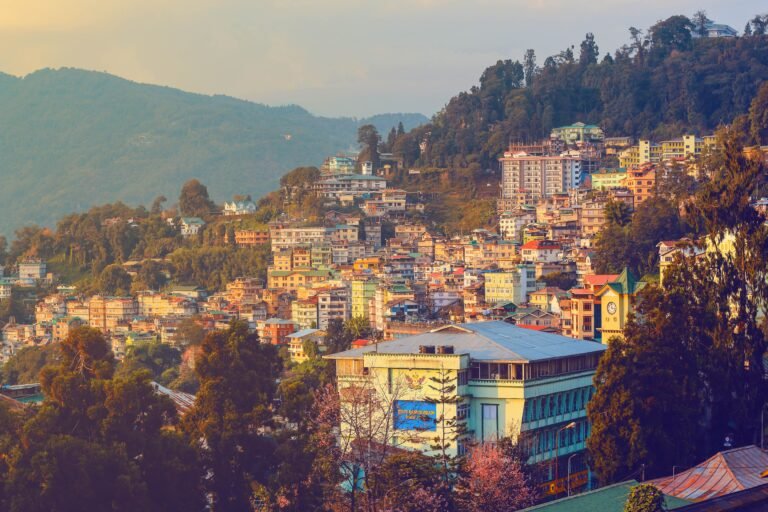
Gangtok and Around
Tashi View Point & Hanuman Tok
Clear winter skies make January ideal for sunrise views over the Kanchenjunga range. Carry a thermos and reach before dawn.
MG Marg, Namgyal Institute of Tibetology, Do-Drul Chorten
Explore culture and cuisine without crowds. The Ropeway runs subject to weather; check on the day.
Tsomgo (Changu) Lake & Baba Mandir
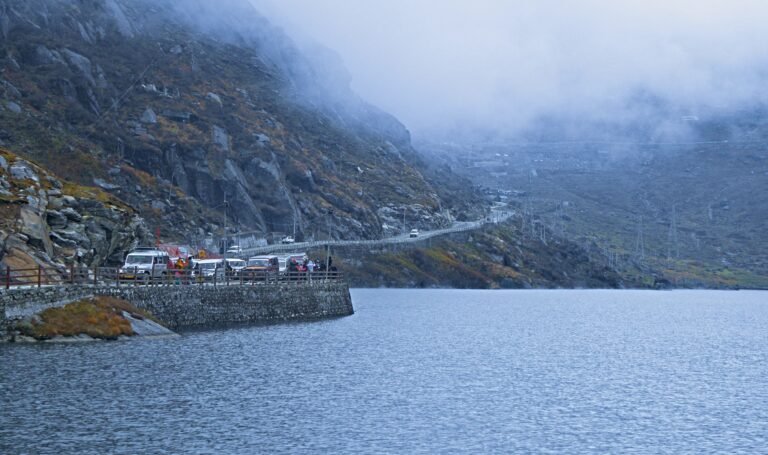
At 3,753 m, Tsomgo often freezes in January—an unforgettable sight. Roads can be icy; 4x4s and chains are often used by local operators. Permits are mandatory.
Note
Foreign nationals can visit Tsomgo with permits; Indian nationals can visit Tsomgo and Baba Mandir. Dress in layers and rent snow boots if needed.
Nathula Pass
A dramatic Himalayan border pass at 4,310 m. In January, it may close intermittently for snow or security reasons and typically remains closed on certain weekdays (often Monday–Tuesday). Indian nationals only, via registered tour operators.
North Sikkim (Lachen, Lachung, Yumthang, Gurudongmar)
Pristine and spectacular in winter but highly weather-dependent. Many routes face closures due to heavy snow and black ice.
- Yumthang Valley: Snow-blanketed meadows; road access varies.
- Gurudongmar Lake: Extreme cold and altitude; often inaccessible in January.
Safety First
Families with young children, seniors, and travelers with respiratory or heart conditions should avoid very high altitudes in winter.
West Sikkim: Pelling, Yuksom & Rabdentse
January offers crystal-clear mountain views. Hike the short trail to Rabdentse Ruins, visit Pemayangtse Monastery, and enjoy quieter trails around Yuksom—gateway to the Dzongri trek (multi-day treks require gear and guides).
South & East Sikkim: Ravangla, Namchi, Zuluk
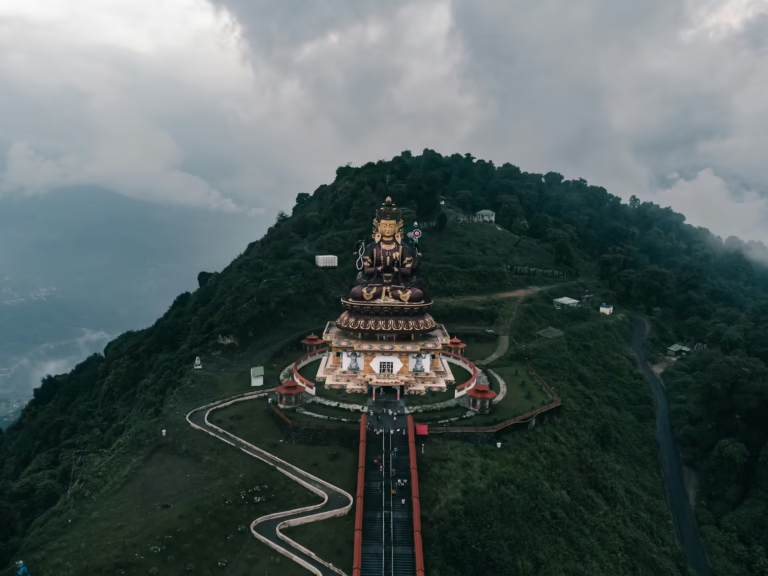
- Ravangla & Namchi: Gentle winter days, great viewpoints like Buddha Park (Ravangla) and Samdruptse (Namchi).
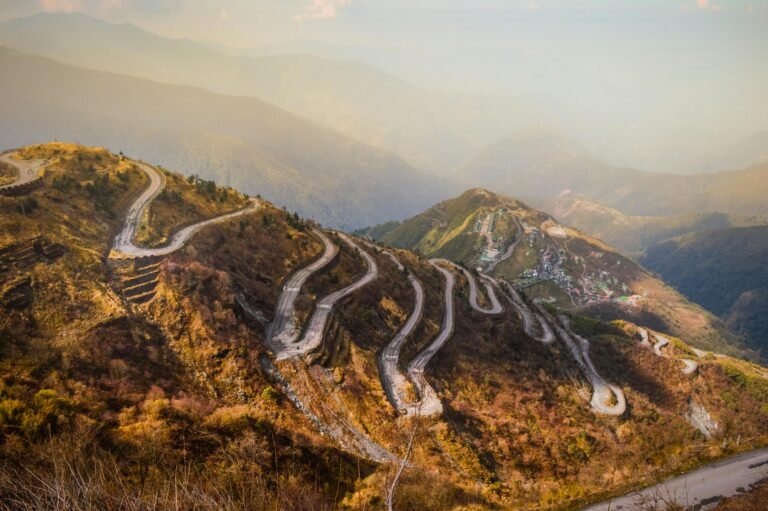
- Zuluk & Old Silk Route: Ethereal switchbacks under snow—access is weather- and permit-dependent.
Best Things to Do in January
Chase Winter Views
- Sunrise at Tashi View Point or Pelling Skywalk (subject to wind conditions).
- Frozen-lake photography at Tsomgo when accessible.
Monastery Hopping
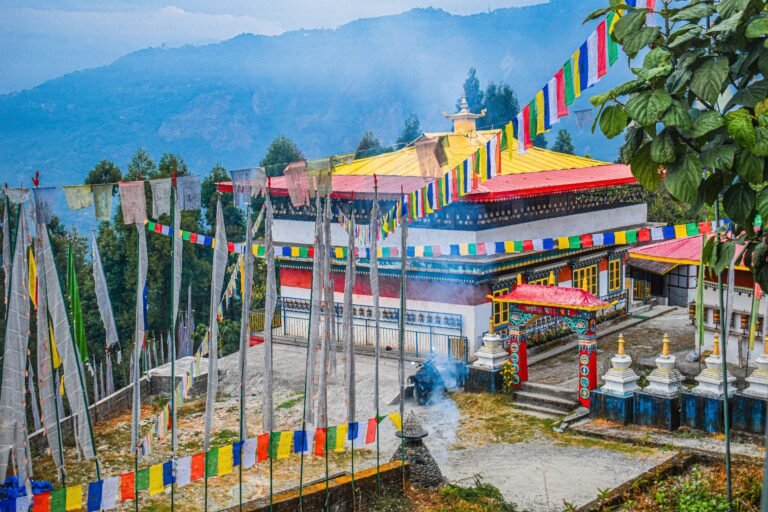
Visit Rumtek, Pemayangtse, Enchey, and village gompas. Dress modestly, keep voices low, and ask before photographing monks or rituals.
Warm Up in Hot Springs
- Ralong (near Ravangla) and Yumthang hot springs (access to Yumthang varies in January). Local “cha-chu” is believed to soothe muscles in winter.
Snow Play and Short Walks
Enjoy safe snow zones identified by your driver/guide around Tsomgo or higher ridges when open. Stick to designated areas to avoid slips.
Shopping & Crafts
Pick up handwoven textiles, prayer flags, and natural teas. Sikkim promotes eco-friendly products—avoid plastic trinkets.
Festivals and Cultural Highlights in January
- Maghe Sankranti (Makar Sankranti) around 14 January: Observed by Nepali communities; local fairs and traditional foods like sel roti and gundruk.
- Losoong/Namsoong (Sikkimese New Year for Bhutia/Lepcha communities): Often falls in late December but can stretch into early January depending on the lunar calendar—check that year’s dates.
Insider Tip
Festival dates shift with the lunar calendar. Ask your hotel or a local operator for the year’s confirmed schedule.
Permits, Entry Rules, and Border Zones
For Indian Nationals
- General entry: No permit required to enter Sikkim.
- Protected areas (East/North Sikkim): Permits mandatory for Tsomgo, Baba Mandir, Nathula, Lachen/Lachung/Yumthang, etc. Issued via registered tour operators with valid ID and photos.
- Nathula Pass: Indian nationals only; limited daily quotas.
For Foreign Nationals
- Restricted/Protected Area Permit (RAP/PAP) required to enter Sikkim—usually issued at Rangpo/Melli check posts or via approved operators.
- Additional permits needed for many zones in East/North Sikkim. Foreigners are not permitted to visit Nathula Pass and typically Gurudongmar Lake; access to Yumthang is allowed with permits.
Vehicles & Routes
Self-drive cars from outside Sikkim are generally not permitted on restricted roads. For protected areas, book local vehicles through licensed operators.
How to Reach Sikkim in Winter
By Air
- Bagdogra (IXB), West Bengal: Main gateway; 4–5 hours by road to Gangtok.
- Pakyong (PYG), Sikkim: Closer to Gangtok; services can be weather-dependent.
By Rail
- New Jalpaiguri (NJP): Nearest major railhead; 4–5 hours by road to Gangtok.
By Road
- Siliguri–Gangtok: Scenic Teesta-side drive. January can bring morning fog and occasional black ice at higher altitudes—start early and use trusted drivers.
Winter Driving Tip
Allow extra time for road checks and snow clearance, especially for East/North Sikkim day trips.
Where to Stay: Winter-Friendly Areas
Gangtok
Best base for permits, day trips, and varied dining. Choose stays with reliable heating and power backups.
Pelling/Yuksom
For mountain views and heritage monasteries. Pick properties with sun-facing rooms and hot water 24/7.
Ravangla/Namchi
Great for a slower pace, sky viewpoints, and access to hot springs near Ravangla.
Booking Tip
Confirm room heating type (oil heater, blower, radiator) and any extra charges before booking.
Suggested Itineraries for January
4 Days: Winter Highlights
- Day 1: Arrive Gangtok; MG Marg, Do-Drul Chorten, Ropeway (weather permitting).
- Day 2: Tsomgo Lake & Baba Mandir (permits); local cafe crawl in the evening.
- Day 3: Tashi View Point sunrise; Rumtek Monastery; handicraft shopping.
- Day 4: Day trip to Namchi/Samdrupste or move to Pelling for sunset views.
7 Days: Views, Culture, and Snow
- Day 1–2: Gangtok sights and sunrise points.
- Day 3: Tsomgo & Baba Mandir (or buffer if closed).
- Day 4–5: Transfer to Pelling; Pemayangtse, Rabdentse, Skywalk.
- Day 6: Ravangla Buddha Park + Ralong hot springs.
- Day 7: Leisure morning; depart.
Flexible Planning
Keep Day 3 or Day 6 flexible as weather-buffer days for high-altitude excursions.
Food and Warm Comfort Eats
- Thukpa & Gya Thuk: Hearty noodle soups perfect for chilly nights.
- Momos, Shyaphaley: Steamed or fried favorites with local dips.
- Phagshapa, Kinema, Churpi: Traditional Sikkimese flavors—ask for mild spice if needed.
- Butter tea & local teas: Warming and aromatic; pick up organic teas as souvenirs.
January Packing List
Clothing
- Thermal base layers, fleece mid-layers, insulated jacket.
- Waterproof/windproof outer shell; warm beanie, scarf, gloves.
- Wool socks, sturdy shoes; snow boots or traction cleats for icy areas.
Essentials
- SPF 50 sunscreen, lip balm, sunglasses (glare off snow).
- Reusable water bottle (Sikkim discourages single-use plastics).
- Personal medicines; motion-sickness pills for mountain roads.
- Copies of IDs, permits, and spare passport photos.
- Cash reserve for remote areas; ATMs limited beyond major towns.
Health, Safety, and Responsible Travel
Altitude & Cold
- Ascend gradually; avoid very high-altitude day trips if you feel unwell.
- Stay hydrated; avoid alcohol before high-altitude excursions.
- Consult a doctor before taking altitude medication.
Road & Weather
- Use experienced local drivers; honor road closures.
- Start early to avoid afternoon weather shifts and fog.
Respect Nature & Culture
- Follow monastery etiquette; remove hats, speak softly.
- Carry back all trash; refill bottles instead of buying plastic water.
- Drones may require permissions; check local rules before flying.
Quick FAQs for Sikkim in January
Does it snow in Gangtok in January?
Snow in Gangtok is rare. For snowfall, target Tsomgo, Nathula (when open), or North Sikkim zones—subject to permits and weather.
Is January a good month for North Sikkim?
It’s beautiful but unpredictable. Many routes may be closed. Keep flexible plans and consider focusing on Gangtok, Pelling, Ravangla, and Namchi.
Are roads safe during January?
Main roads are maintained, but high-altitude routes can be icy. Start early, travel with local operators, and prepare for sudden closures.
Can foreigners visit Nathula and Gurudongmar?
No. Foreign nationals are not permitted to Nathula and typically not to Gurudongmar. They can visit Tsomgo and Yumthang with proper permits.
Conclusion
January unveils Sikkim’s quiet, crystalline side—snow-draped passes, monastery chants on crisp mornings, and uninterrupted mountain horizons. Plan with permits, pack for sub-zero nights, keep a buffer for weather swings, and choose experienced local operators for high-altitude routes. Do that, and you’ll discover a winter journey that balances adventure with deep Himalayan calm.