Best Time to Visit Tiger Hill, Darjeeling
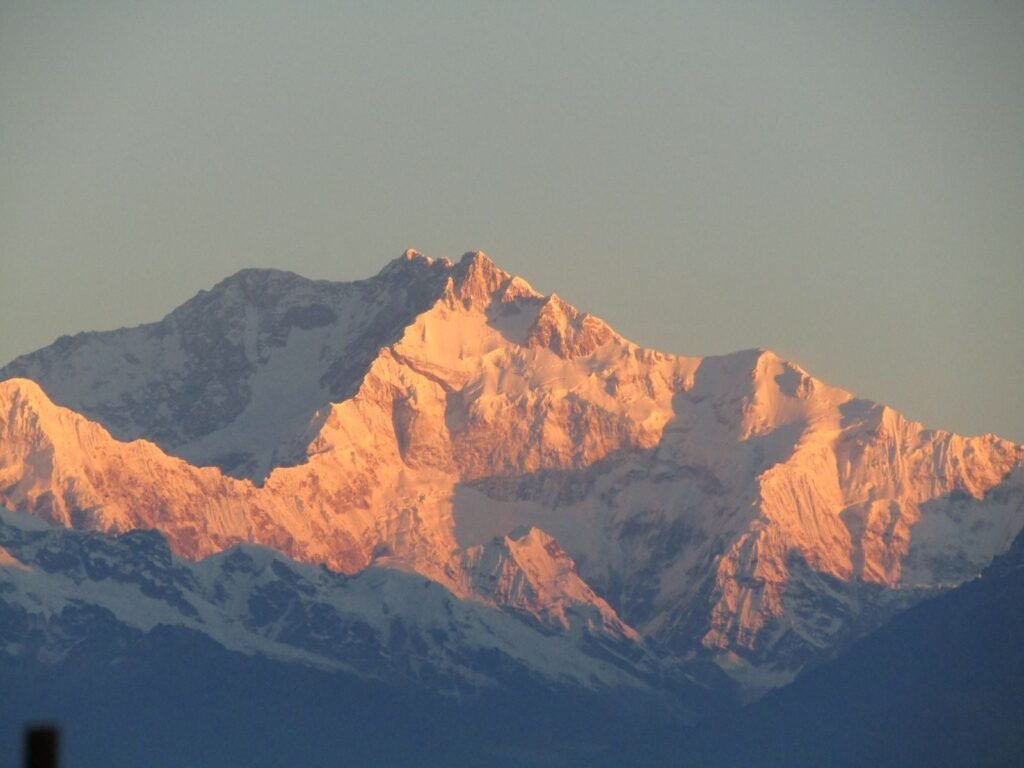
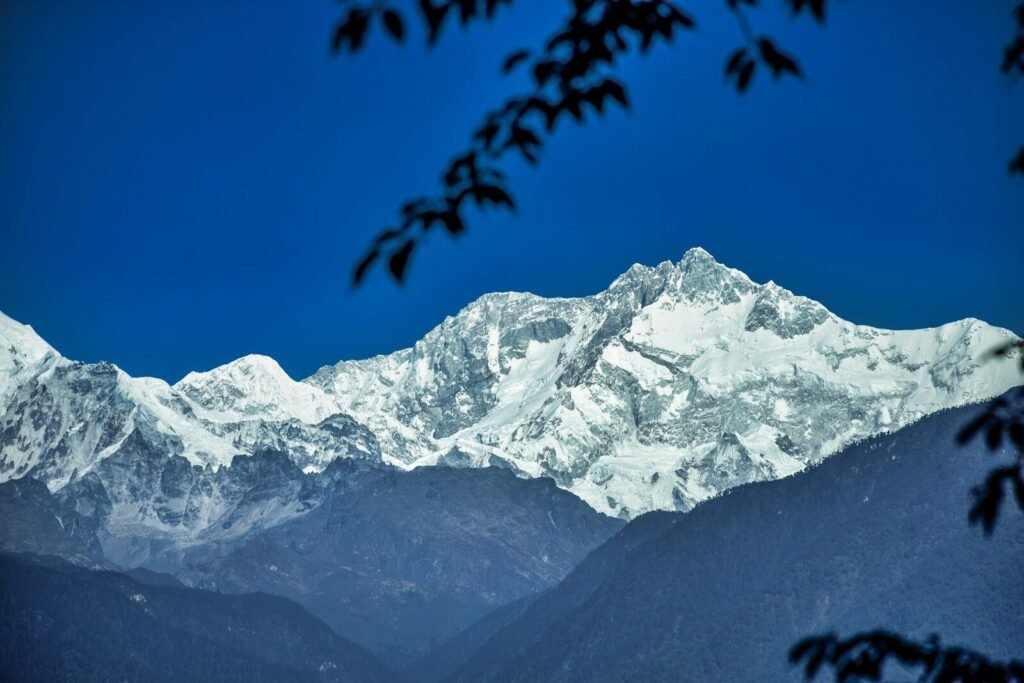
Tiger Hill, perched above Darjeeling, is one of the region’s most celebrated viewpoints—famous for its spectacular sunrise over the Himalayan range, including panoramic views of Kanchenjunga and, on exceptionally clear mornings, glimpses of Mount Everest. Choosing the right time to visit determines whether you see a cloud-filled sky or a crisp sea of mountains. This article gives a detailed, season-by-season guide and practical advice for planning your visit.
Overview of Tiger Hill
Tiger Hill sits at an elevation of roughly 2,590 meters (about 8,500 feet) and is located approximately 11 km (around 7 miles) from central Darjeeling. It is particularly famous for the early-morning vantage point where the first light of day paints the Himalayan peaks in gold and pink. The viewpoint is usually reached by early-morning jeep, taxi or guided tour, and it is often combined with visits to nearby attractions like Ghoom Monastery and Batasia Loop.
Seasonal Guide — When the Views Are Best
Autumn (October – November)
- Visibility: Excellent—post-monsoon clear skies and low humidity give dramatic, long-distance views.
- Weather: Cool and crisp during mornings and evenings, comfortable daytime temperatures.
- Why visit: Considered the best overall time for sunrise photography and uninterrupted Himalayan panoramas.
- Considerations: Pleasant but expect more tourists during weekends and festival periods.
Winter (December – February)
- Visibility: Often superb—cold, dry air produces some of the clearest views of the peaks.
- Weather: Very cold at sunrise (can drop below freezing); early mornings may have frost or light snowfall.
- Why visit: Crisp atmosphere yields brilliant, golden sunrises with high contrast—excellent for photographers who can tolerate the cold.
- Considerations: Dress warmly; roads can be icy early in the morning.
Spring (March – April)
- Visibility: Generally very good—clear days are frequent.
- Weather: Mild and comfortable; mornings are cool, days warm up nicely.
- Why visit: Rhododendrons and other alpine flowers are in bloom, adding color to the hills; good mix of weather and scenic beauty.
- Considerations: Haze can start appearing later in April as the pre-monsoon season approaches.
Pre-monsoon / Early Summer (May – early June)
- Visibility: Gradually decreasing—haze and higher humidity may reduce long-range clarity.
- Weather: Warmer days and mild nights; occasional intermittent clouds.
- Why visit: If you prefer warmer weather and fewer frigid mornings, this might be tolerable; still possible to have clear mornings.
- Considerations: Increased chance of hazy or partially obscured views as monsoon approaches.
Monsoon (mid-June – September)
- Visibility: Poor to inconsistent—frequent cloud cover, rain and mist often hide the peaks.
- Weather: Heavy rain, slippery roads, and occasional landslides in the region.
- Why visit: Lush tea gardens and dramatic cloudscapes; lower tourist numbers and cheaper stays.
- Considerations: Sunrise views are rarely reliable; travel disruptions possible—this is generally the least recommended time for Tiger Hill if your primary interest is the mountain vista.
Top Months to Visit — Quick Summary
- Best overall: October–November (post-monsoon clarity, comfortable temperatures)
- Best for photography and peak clarity: December–February (very clear skies but very cold)
- Best for flowers + good weather: March–April (rhododendron season and pleasant temperatures)
- Least recommended: Mid-June–September (monsoon; unreliable views)
Sunrise-Specific Tips
Tiger Hill is most famous for its sunrise experience. To make the most of it:
- Arrive early: Plan to be at the viewpoint at least 45–60 minutes before local sunrise—this gives time to find a good spot and watch the changing light.
- Transport: Book a jeep or pre-arranged taxi the night before (many hotels arrange tours). Guided sunrise tours are common and convenient.
- Alternate viewpoint: If Tiger Hill is crowded, nearby vantage points such as Batasia Loop (on the return) can offer alternative views.
- Expect queues: Weekends and festival days are busiest—weekday mornings are quieter.
Practical Visitor Advice
Packing & Clothing
- Warm layers: Even if days are mild, pre-dawn and early-morning temperatures can be very cold—bring a warm jacket, hat and gloves in winter.
- Footwear: Sturdy, comfortable shoes—some walking on uneven surfaces may be required.
- Accessories: Torch/phone flashlight for the early-morning walk, sunglasses for daytime, and sunscreen.
Photography & Gear
- Camera essentials: Tripod for long exposures and low-light sunrise shots; wide-angle lens for sweeping vistas and telephoto for peak-detail.
- Settings: Bracketing and HDR can help capture the wide dynamic range of sunrise scenes.
- Backup: Extra batteries (cold drains batteries faster) and memory cards.
Health & Safety
- Altitude: Tiger Hill’s elevation is moderate; altitude sickness is uncommon for short visits but stay hydrated and avoid overexertion if you feel breathless.
- Road conditions: Early mornings can be icy in winter and slippery during monsoon—drive carefully and use local drivers familiar with the roads.
- Crowds: Keep an eye on personal belongings in crowded viewing zones.
How to Plan Your Visit (Suggested Itinerary)
- Night before: Arrange transport/tour from your hotel in Darjeeling and confirm pickup time—usually between 3:30–4:30 AM depending on season and sunrise time.
- Early morning: Drive to Tiger Hill, watch sunrise (45–90 minutes), photograph the changing light.
- After sunrise: Visit Ghoom Monastery (nearby) and Batasia Loop on the return; breakfast back in Darjeeling.
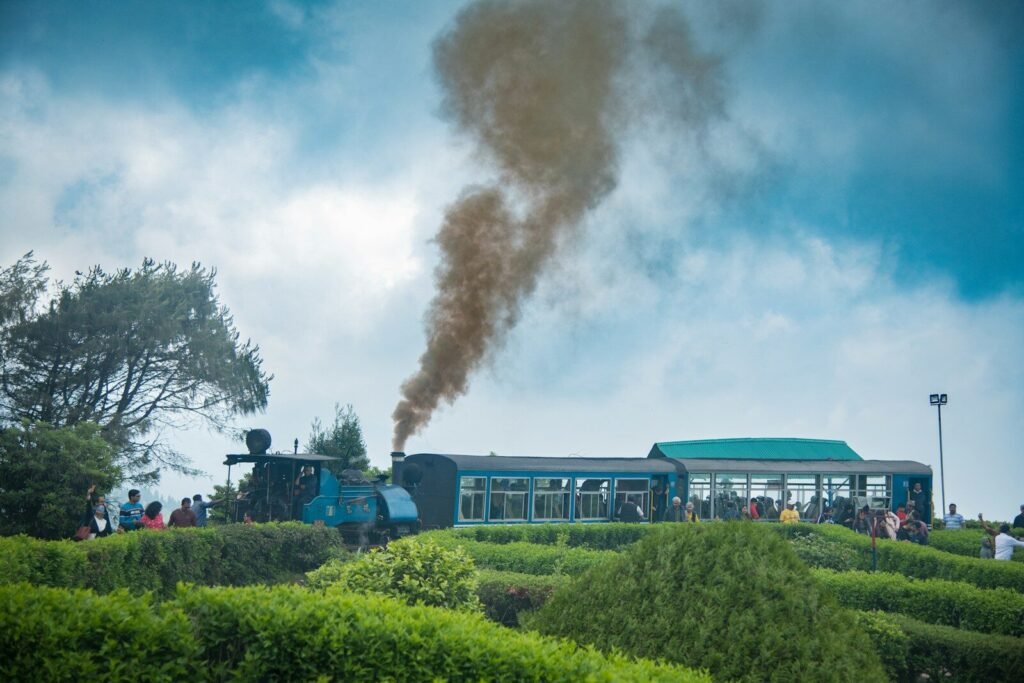
- Daytime options: Explore Darjeeling’s tea gardens, Himalayan Mountaineering Institute, local markets, or take the toy train for a scenic ride.
Responsible Tourism & Local Culture
Respect the fragile mountain environment—avoid littering, follow designated paths, and support local businesses (tea shops, local guides). Be mindful of local customs at religious sites and community areas. The local economy benefits from sustainable tourism, so choose responsible operators and limit single-use plastics.
Quick FAQs
Q: Can I see Everest from Tiger Hill?
A: Yes—on exceptionally clear mornings you can glimpse Mount Everest along with Kanchenjunga, but clarity depends on season and weather (best in winter and post-monsoon).
Q: Do I need a permit to visit Tiger Hill?
A: No special permit is required for Tiger Hill itself. Normal travel documents used for your trip to India and West Bengal apply. If you plan to trek into restricted border areas beyond the viewpoint, check local regulations.
Q: Is Tiger Hill accessible year-round?
A: It is accessible year-round, but access and views can be affected by heavy monsoon rain (June–September) and occasional road disruptions. Winter mornings can be icy—arrange safe transport.
Final Recommendation
If your primary goal is the mountain panorama and the iconic golden sunrise, the best time to visit Tiger Hill is from October to early March. For the best balance of views, comfortable weather and floral beauty, consider October–November or March–April. Always check local weather forecasts the day before your visit, plan transport in advance, and dress for cold pre-dawn conditions to make the most of this unforgettable Himalayan experience.