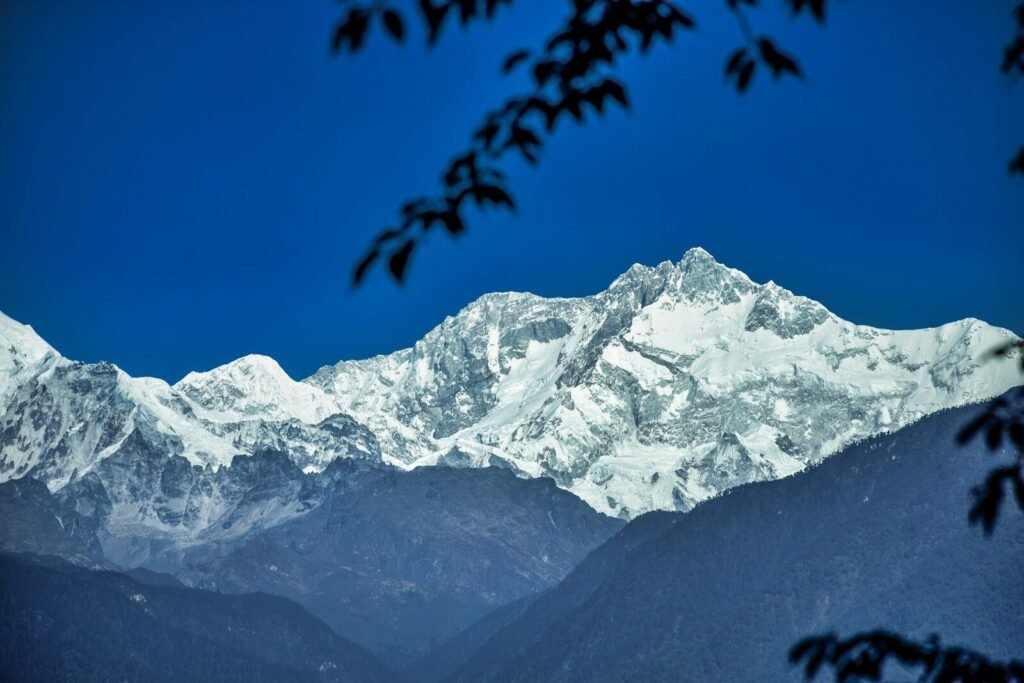
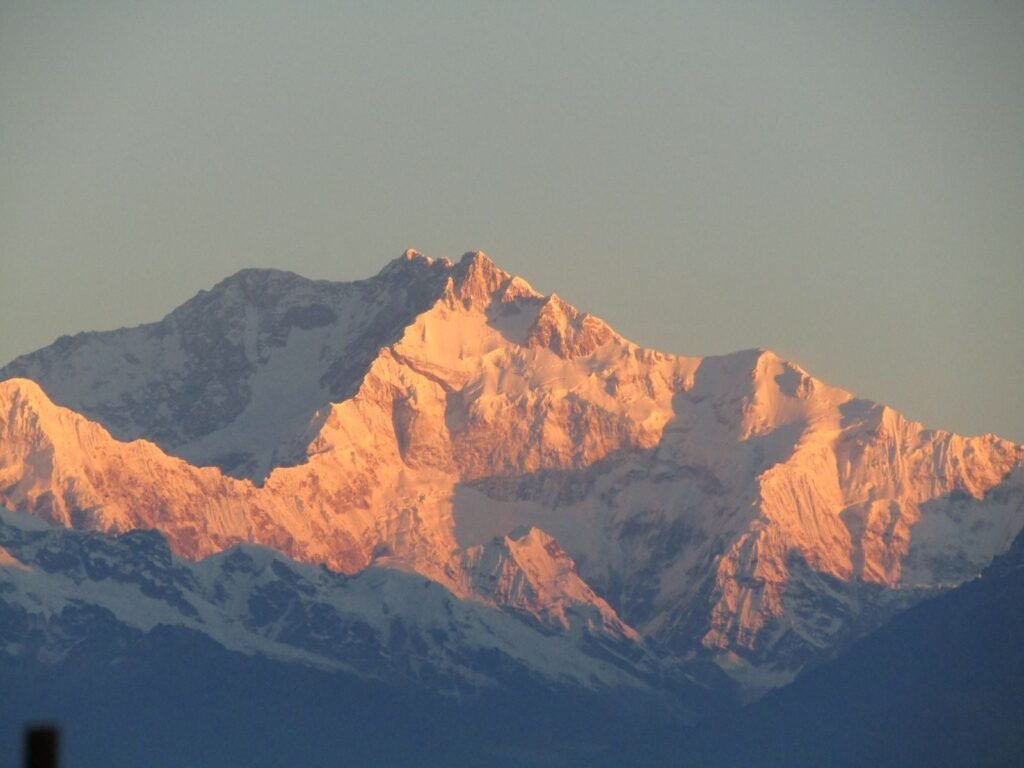
Tiger Hill is one of the most celebrated viewpoints in the eastern Himalaya, famed for its early-morning vistas of the Kanchenjunga massif and, on exceptionally clear days, even Mount Everest. Located on the outskirts of Darjeeling town, Tiger Hill has long been integral to the region’s identity as a mountain retreat and a destination for nature lovers, photographers and pilgrims. This article traces the hill’s history and explains its role in contemporary tourism, practical visiting tips and conservation challenges.
Tiger Hill sits on the Singalila Ridge overlooking the Darjeeling landscape and the lowlands of the Terai. At roughly 2,590 metres (about 8,500 ft) above sea level, it is high enough to offer a commanding view of the eastern Himalayan range and the dramatic phenomenon known locally as the “sea of clouds.” Facing east, the hill is ideally placed to capture sunrise light falling on the snow-clad peaks of the Kanchenjunga group — the third-highest mountain in the world — creating a palette of pinks and golds that has attracted visitors for generations.
Before organized tourism, the Darjeeling hills were home to indigenous communities — chiefly the Lepchas, Bhutias and later Gurungs and Nepalis — whose livelihoods were tied to transhumance, shifting cultivation and trade routes across the Himalaya. Places like the Singalila Ridge and its outcrops, including Tiger Hill, formed part of local landscapes with cultural and subsistence significance rather than formal tourist destinations.
Darjeeling’s development as a hill station began in the early 19th century under British colonial administration. By the mid-1800s Darjeeling had been promoted as a sanatorium and vantage point from which to observe the Himalaya; tea plantations and infrastructure followed. Tiger Hill’s reputation as a viewpoint emerged during this period — early visitors and officials were struck by the dramatic mountain panoramas and encouraged the development of roads and trails to vantage points.
The arrival of the Darjeeling Himalayan Railway (DHR), completed in the late 19th century and later recognized as part of the UNESCO World Heritage listing “Mountain Railways of India,” improved access to the region and indirectly supported visiting spots such as Tiger Hill. Ghoom station — one of the highest railway stations in India — lies near the ridge and became a logical staging point for excursions.
After Indian independence, Darjeeling remained a popular domestic and international destination. From the latter half of the 20th century, Tiger Hill became widely promoted by travel guides and tour operators as the must-see sunrise viewpoint, and the number of early-morning excursions increased markedly. Improved roads and motorable access allowed visitors to reach the viewpoint by taxi or shared jeep, while photography and film further amplified the attraction’s fame.
The central lure of Tiger Hill is the sunrise spectacle. On clear days, the first rays of dawn color the Kanchenjunga range in vivid hues and lift the valley out of mist. Photographers prize the layered composition — foreground ridges, a middle ground of cloud, and a backlit Himalayan skyline.
There is a small, developed platform and terrace area with binocular stands and local vendors selling tea, snacks and light garments. The atmosphere is a mix of eager photographers, early-morning tourists, local vendors and walkers. Nearby attractions such as Ghoom Monastery and the Batasia Loop (a scenic railway loop and war memorial) commonly combine with a visit to Tiger Hill on short itineraries.
While Tiger Hill itself is primarily a natural viewpoint, the broader area is dotted with monasteries and local shrines that reflect the Buddhist and Himalayan cultural traditions of the region. The nearby Ghoom Monastery (Yiga Choling) with its large statue of Maitreya Buddha is often paired with Tiger Hill visits. The hill and its surroundings figure in local narratives about the landscape and seasonal cycles, and visitors are encouraged to be respectful of religious practices and local customs.
With growing visitor numbers over recent decades, Tiger Hill faces several challenges common to popular highland viewpoints:
Local authorities, NGOs and community groups have implemented measures at times — such as regulated parking, waste drives, and awareness campaigns — but sustainable management remains an ongoing task. Tourists can help by minimizing plastic, using local guides, and following designated paths.
Tiger Hill remains an emblematic experience for visitors to Darjeeling: a place where natural spectacle, colonial-era hill-station history and contemporary tourism converge. Its sunrise over the Kanchenjunga range continues to inspire photographers and travelers, while growing awareness of environmental impact is shaping efforts to manage visitor flows and protect the fragile highland ecology. For those who visit with preparation and respect, Tiger Hill offers an unforgettable introduction to the beauty and complexity of the eastern Himalaya.
What makes us different from other tour package companies
Our travel experts have core and intense knowledge about Sikkim sector with over 10 years of experience that will help you choose the best possible itinerary as per your requirements.
Our travel experts are just one call away during your tour to help you with any kind of immediate assistance so that your tour is a more enjoyable and hassle-free tour.
eSikkimTourPackages ensures best rates to all our esteemed guests since we have our own hotels and fleet of vehicles and drivers and there is no third-party involvement. This ensures personalized service and best rates.
























Kindly enter the details below for your Sikkim Tour Package