The Shingba Rhododendron Sanctuary, nestled in the high valleys near Lachung in North Sikkim, is one of India’s most evocative montane protected areas. Known for spectacular stands of rhododendrons that cloak the hillsides in a riot of color each spring, Shingba is not only an ecological jewel but also a place where the history of local livelihoods, conservation ideas and the development of mountain tourism intersect. This article traces the sanctuary’s historical roots and examines how those roots shaped the visitor experience and tourism practices that exist today.
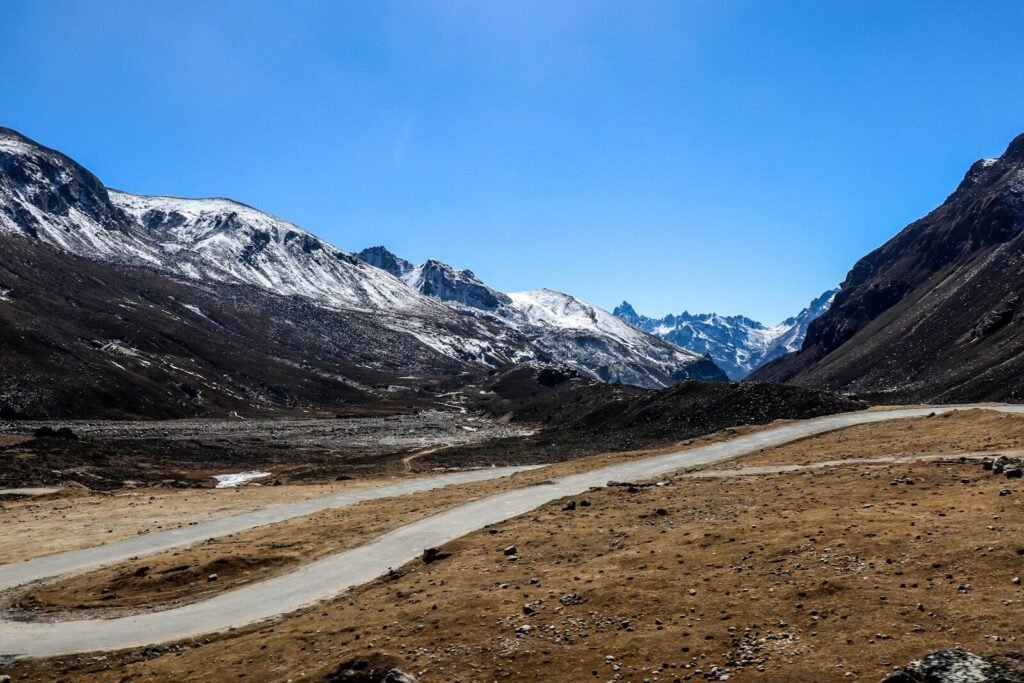
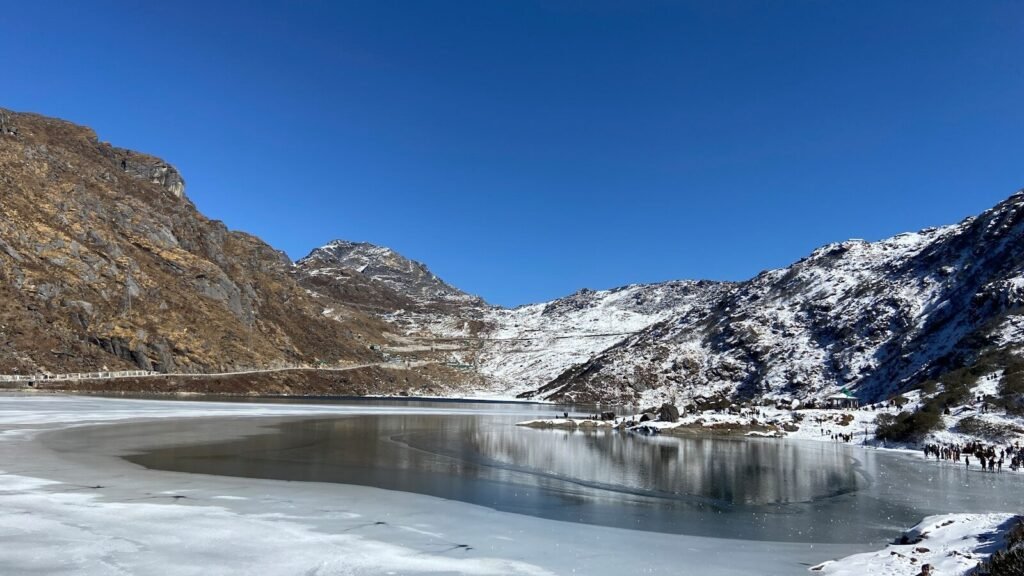
Shingba lies in the high Himalaya of North Sikkim, on the approaches to the Yumthang Valley and near the mountain settlement of Lachung. The sanctuary occupies alpine and subalpine altitudinal zones where cool temperatures, high rainfall and short growing seasons favour rhododendrons, dwarf shrubs and alpine meadows. The changing seasons — powdered snow in winter, a burst of flowers in spring, and an intense summer green — frame the sanctuary’s appeal to visitors.
Before formal protection, Shingba and surrounding valleys were part of the seasonal circuits of indigenous communities — Lepcha groups and the Bhutia-Tibetan culture of North Sikkim. Pastoralism, yak and sheep grazing, fuelwood collection and the harvesting of medicinal plants and wild fruits were embedded in local livelihoods. Rhododendrons themselves were woven into local cultural uses: some species provided seasonal forage for livestock, others had occasional medicinal or ceremonial uses, while large rhododendron stands were respected as important ecological markers of watershed health.
Interest in protecting high-altitude flora in Sikkim grew alongside broader conservation movements in India and the Himalaya during the 20th century. As the scientific community and state agencies recognized the uniqueness of the rhododendron assemblages and the vulnerability of alpine habitats to overgrazing, fuelwood extraction and road construction, formal protective measures were proposed for pockets such as Shingba. Over time, parts of the valley were designated as a sanctuary to conserve floral diversity and watershed integrity.
Historically, Lachung and the Shingba area were principally transit points for traders, pilgrims and pastoralists. The opening up of roads and improved transport in the latter half of the 20th century gradually changed that dynamic. Backpackers, nature enthusiasts and botanists began to visit specifically for the rhododendron spectacle. What had been a seasonal landscape used by local communities evolved into a place that attracted external visitors seeking scenic beauty and high-altitude flora.
Recognizing both the opportunity and the sensitivity of the area, authorities introduced management regulations to balance conservation with tourism. Visitor management measures were implemented to reduce trail erosion, littering and disturbance to flora and fauna. Many elements of the contemporary visitor experience reflect that balance: guided trails, limited group sizes in sensitive zones, and signage that educates visitors on rhododendron ecology and local culture.
Local communities around Lachung have been central to shaping tourism’s trajectory in Shingba. Community-run homestays, small teahouses, local trekking guides and porters provide livelihoods while also acting as stewards of the landscape. Over the years, collaborative approaches — where revenue from tourism helps fund local conservation actions and where community members receive training in hospitality and interpretation — have gained traction.
With increased visitor interest come environmental and social challenges. Trampling of fragile alpine vegetation, littering, off-trail exploration, and pressure on local water and sanitation systems are persistent concerns. Climate change adds another layer of vulnerability: shifting snowlines and altered phenology may change the timing and intensity of blooms, affecting both ecology and the tourist season.
The spring bloom — when the hills erupt in reds, pinks, whites and yellows — is the principal draw for most visitors. This period illustrates how natural history and tourism are intertwined: the timing of travel, the livelihoods of homestay hosts and guides, and the ecological pressures on plants and soils all converge during a relatively short spectacle. Responsible tourism initiatives focus on maximizing community benefit while minimizing ecological footprint during this intense period.
Shingba has also served as a living laboratory for botanists and as a field classroom for environmental education. Interpretative trails and outreach programs introduced over recent decades aim to convert ephemeral visitor interest in flowers into sustained conservation awareness. Well-run education programs help tourists understand plant adaptation, alpine ecology and the socio-cultural context of mountain conservation.
Historically difficult access has both protected Shingba from mass tourism and limited communities’ economic options. Improvements in roads and the growth of regional tourism have made the sanctuary more reachable, but authorities continue to mediate access to avoid uncontrolled visitation. Today, travel to Shingba is typically combined with visits to Lachung and Yumthang, framed by permit processes and seasonal constraints.
Tourism at Shingba is evolving toward more regulated, experience-focused and community-centred forms. There is increasing emphasis on ecotourism principles—low-impact travel, community benefits, conservation funding and scientific monitoring. The long-term sustainability of tourism will depend on adaptive management that accounts for climate change, visitor pressures and the aspirations of local communities.
The history of the Shingba Rhododendron Sanctuary is a story of landscapes, people and changing values. From traditional seasonal uses by mountain communities to the scientific fascination with its rhododendrons and the arrival of nature-based tourism, Shingba exemplifies how protected areas in the Himalaya can become sites of both conservation and cultural exchange. Tourism has the potential to support both conservation and local livelihoods — if managed with care, rooted in local participation, and responsive to ecological limits. For visitors, a trip to Shingba is as much about witnessing botanical splendor as it is about engaging respectfully with a living mountain culture that has long shaped and been shaped by this colourful landscape.
What makes us different from other tour package companies
Our travel experts have core and intense knowledge about Sikkim sector with over 10 years of experience that will help you choose the best possible itinerary as per your requirements.
Our travel experts are just one call away during your tour to help you with any kind of immediate assistance so that your tour is a more enjoyable and hassle-free tour.
eSikkimTourPackages ensures best rates to all our esteemed guests since we have our own hotels and fleet of vehicles and drivers and there is no third-party involvement. This ensures personalized service and best rates.





















Kindly enter the details below for your Sikkim Tour Package