Best Time to Visit Shingba Rhododendron Sanctuary, Lachung — A Tourism Guide
The Shingba Rhododendron Sanctuary near Lachung in North Sikkim is one of the world’s most spectacular displays of alpine rhododendrons and high-altitude meadows. This article details the best time to visit in the context of tourism, practical tips for planning, and what to expect on-site.
Overview
Shingba Rhododendron Sanctuary forms part of the fragile alpine ecosystem around Yumthang Valley and is accessible from the mountain town of Lachung. The sanctuary stretches over high-elevation slopes and valleys, hosting numerous rhododendron species, many orchids, and other alpine flora. It is a seasonal spectacle — timing your visit well makes the difference between a green valley and a full floral panorama.
Location, Altitude and Access
Where it is
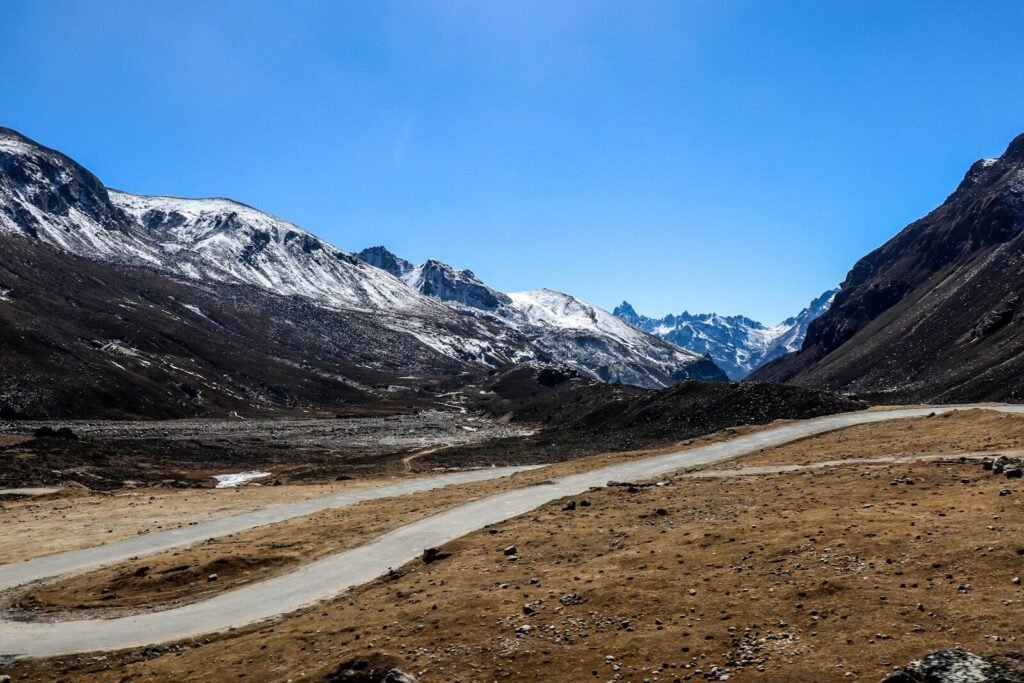
The sanctuary is in North Sikkim, with Lachung village serving as the primary base for visitors. Nearby attractions include Yumthang Valley and the Zero Point (Yumesamdong).
Altitudes to expect
Elevations in the area vary. Lachung itself sits at roughly around 2,500–2,800 meters, Yumthang valley and parts of the Shingba Sanctuary are higher (many meadow areas and viewpoints lie near 3,500–3,600 meters). These altitudes influence weather, flowering times and health considerations like acclimatization.
Climate and Seasonal Summary
- Spring (March–May): Gradually warming, with the famous rhododendron bloom starting in early spring and peaking in April–May.
- Summer/Monsoon (June–September): Monsoon brings heavy rain, cloud cover, landslides and slippery roads — travel can be disrupted.
- Autumn (October–November): Stable, clear weather and excellent visibility; not peak flowering but great for landscapes and photography.
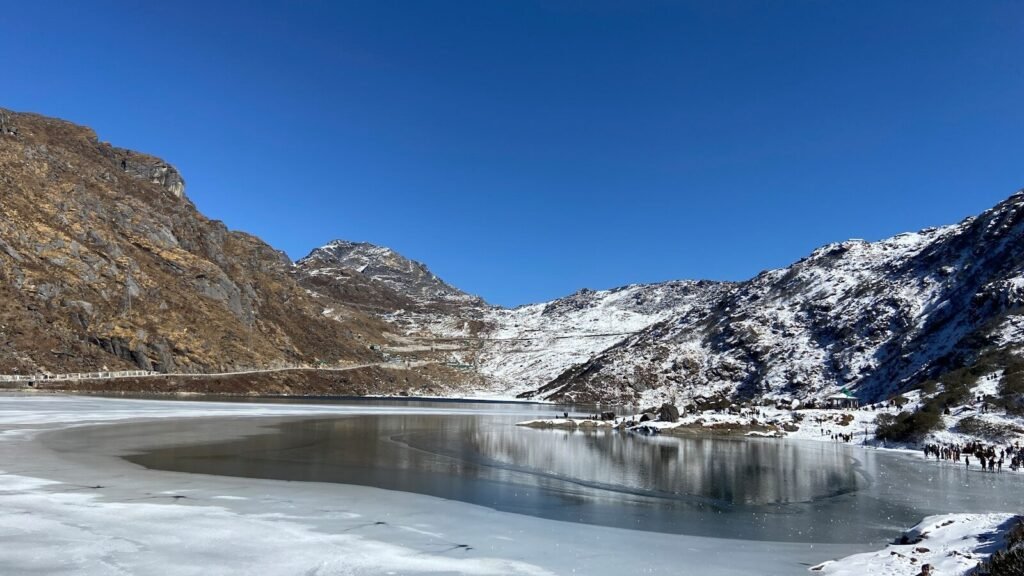
- Winter (December–February): Cold and snowy; many roads and high passes may be closed; the sanctuary receives snow and access to higher meadows may be difficult.
When is the Best Time to Visit?
Peak Rhododendron Bloom: April to May
For most visitors whose priority is the rhododendron spectacle, mid-April to mid-May is the ideal window. During this period:
- Many species flower together: Multiple rhododendron species burst into bloom, creating a vivid carpet of reds, pinks, whites and purples.
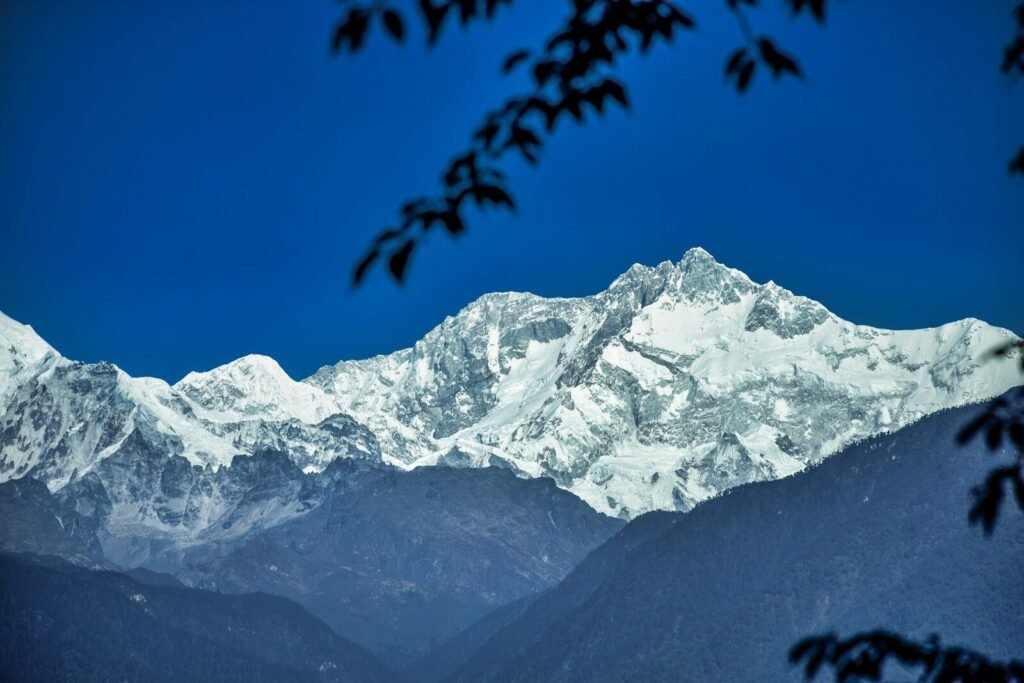
- Good weather: Temperatures are relatively mild and skies are often clear, offering good visibility for photographing valleys and surrounding snow-capped peaks.
- Accessibility: Roads from Gangtok to Lachung and onward to Yumthang are generally open and less likely to be disrupted by heavy rains or snow.
Secondary Option: October–November
If you cannot travel in spring, October–November is the best alternate time for clear skies, comfortable trekking conditions and excellent mountain vistas. Note, however, that the rhododendrons will not be in bloom — the experience is more about landscape and wildlife viewing.
Times to Avoid
- Monsoon (June–September): Heavy rains increase the risk of roadblocks, landslides and cloud cover that hides the valley views.
- Mid-winter (December–February): Snow can close higher sections, roads may be impassable and many facilities are limited.
Practical Tourism Information
How to Reach
- Nearest airport: Bagdogra (IXB) — then road transfer to Gangtok and onward to Lachung.
- Nearest major railhead: New Jalpaiguri (NJP) — road transfer to Gangtok, then Northern Sikkim.
- By road: Gangtok to Lachung typically takes 5–6 hours depending on road conditions. Local tour operators often run shared or private vehicles.
Permits and Regulations
North Sikkim is a sensitive and regulated region. Check and obtain necessary permits before you travel — many travel agents and hotels arrange permits on behalf of guests. Requirements can differ for Indian nationals and foreign tourists; always verify the latest rules with Sikkim Tourism or authorized operators.
Accommodation & Duration
- Base in Lachung: Most visitors stay a night or two in Lachung to acclimatize before visiting Yumthang and Shingba sanctuary.
- Day trips: Yumthang and nearby meadows are typically visited as a day trip from Lachung. Allow a full day (early start) for Yumthang + Shingba exploration.
- Recommended trip length: 2–4 nights in North Sikkim if you plan to combine Gangtok, Lachung, Yumthang and Zero Point.
What to Expect During Peak Time
- Visual spectacle: Hillsides and meadows awash with rhododendron blooms and alpine wildflowers.
- Birdlife and butterflies: Spring brings active wildlife and pollinators — good for nature watchers and photographers.
- Cool days, chilly nights: Temperatures can be mild in daylight but drop sharply after sunset — warm layers are essential.
Packing and Preparation
Clothing & Gear
- Layered clothing (base, insulating layer, windproof/waterproof outer layer)
- Good trekking shoes or sturdy walking boots
- Warm hat, gloves and thermal wear for early mornings and evenings
- Sunscreen, sunglasses and a hat — UV is strong at altitude
- Rain protection (lightweight rain jacket/poncho) if you travel in shoulder seasons
Essentials
- Basic first-aid kit and altitude sickness medication (carry as advised by your doctor)
- Reusable water bottle (stay hydrated)
- Camera with spare batteries and memory cards; tripod for landscape shots
- Permit copies, identity proof, and local cash (ATMs may be limited)
Photography Tips
- Shoot during early morning or late afternoon for the best light and softer shadows.
- Use a wide-angle lens for sweeping valley shots and a telephoto/macro lens for close-ups of blooms and birds.
- Carry lens cleaning kit — alpine dust, mist and pollen can affect optics.
Responsible Tourism — Do’s and Don’ts
- Do stick to marked trails and avoid trampling fragile vegetation.
- Do carry out all trash and minimize single-use plastics.
- Do support local homestays, guides and small businesses.
- Don’t remove flowers, plants or natural artifacts — many species are protected.
- Don’t disturb wildlife or feed animals.
Health and Safety Considerations
Because of altitude, allow time to acclimatize. Symptoms of mild altitude sickness include headache, nausea and fatigue — descend if symptoms worsen. Road conditions in North Sikkim can be steep and winding; travel with an experienced driver or a reputable tour operator, and check local weather/road updates before starting.
Quick Checklist for a Peak-Season Visit (April–May)
- Book transport and accommodation well in advance — spring peak is popular.
- Obtain permits in advance or confirm that your operator will arrange them.
- Pack warm layers, sturdy footwear and rain protection.
- Plan for acclimatization: rest a day in Gangtok or Lachung before higher-altitude excursions.
- Carry cash and copies of important documents.
Final Recommendation
If your primary goal is to witness the famed rhododendron spectacle at Shingba Rhododendron Sanctuary, plan your trip for mid-April to mid-May. This window combines peak bloom with generally stable weather and the best chance of clear mountain views. If flowers are not the priority, October–November also offers outstanding scenery and excellent travel conditions. Always plan with attention to permits, local guidance and sustainable travel practices so that the sanctuary stays vibrant for future visitors.