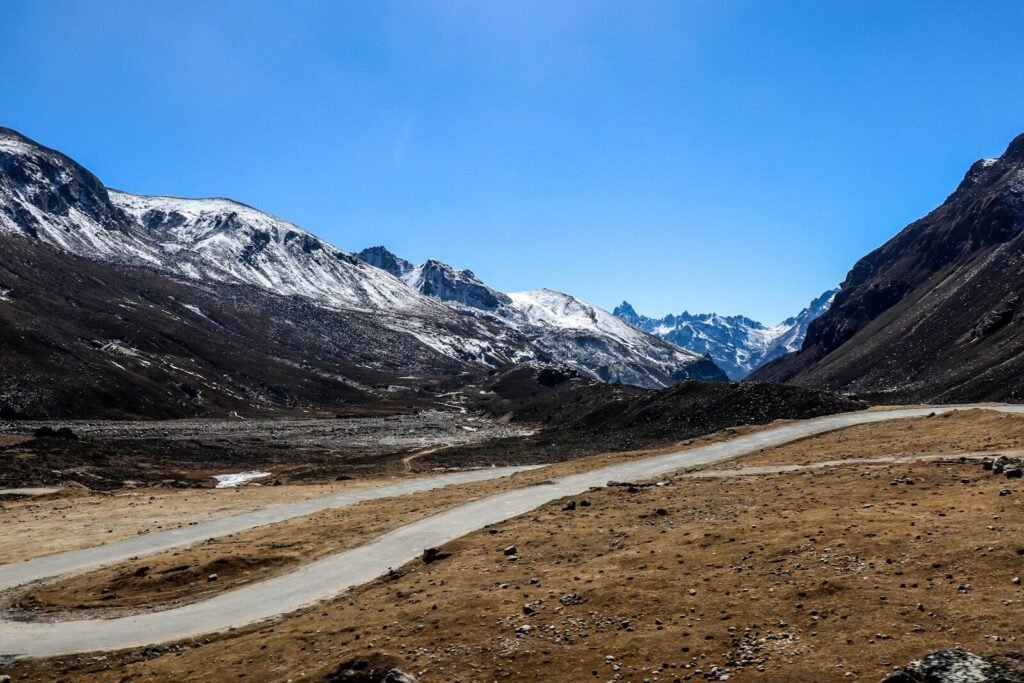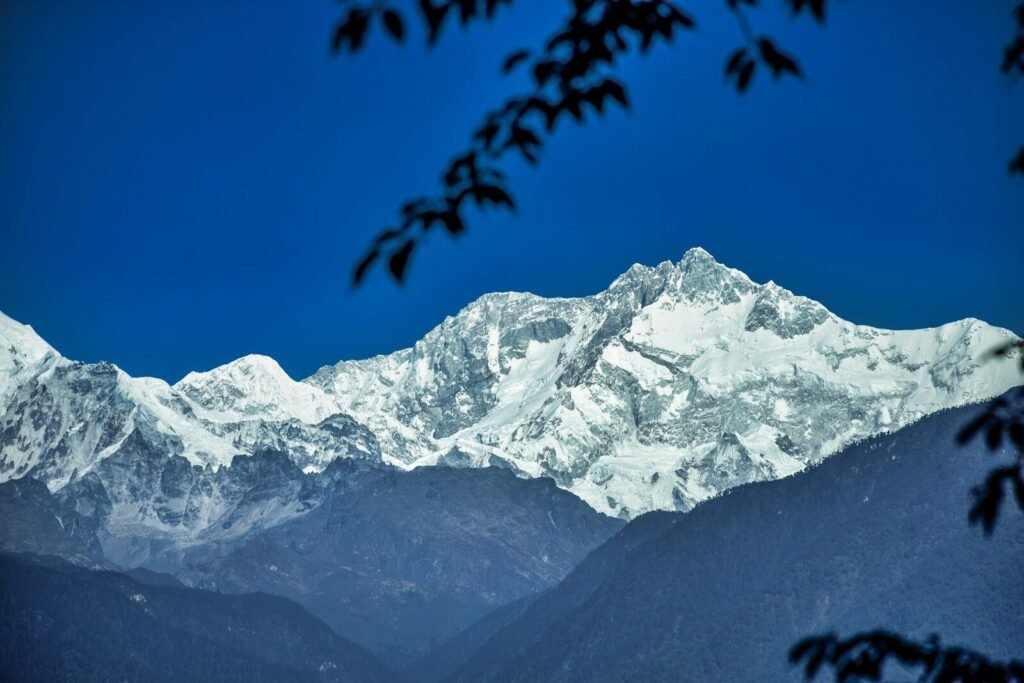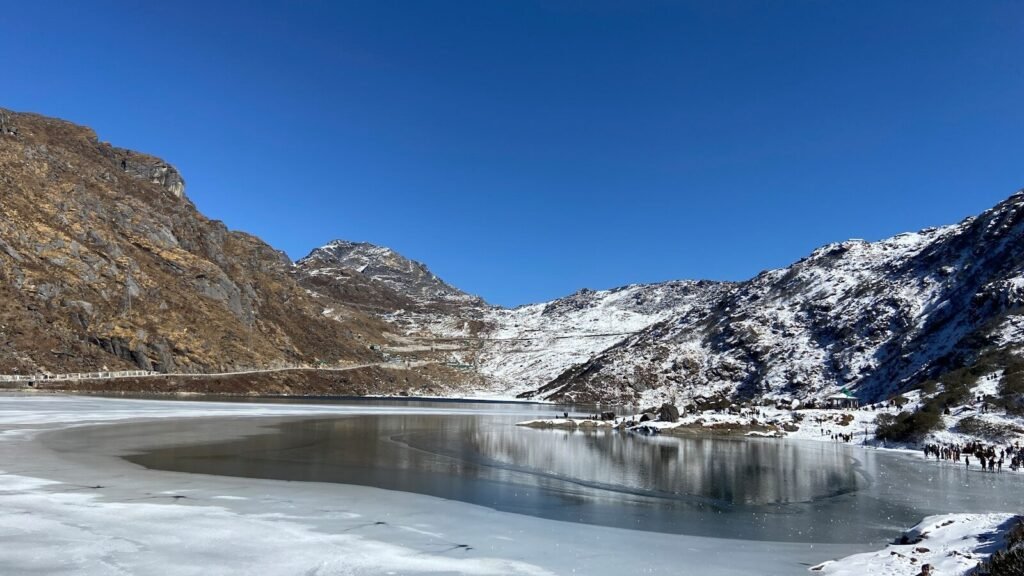
The Shingba Rhododendron Sanctuary is a high‑altitude protected area in North Sikkim, near the mountain village of Lachung. It is internationally known for its spectacular display of rhododendron species during the spring flowering season and for high‑altitude Himalayan landscapes, alpine meadows, and conifer forests. The sanctuary is a popular spot for day hikes, nature photography and birdwatching, and it is often combined with visits to nearby attractions such as Yumthang Valley and Zero Point.
The sanctuary lies in North Sikkim, India, in the vicinity of Lachung. It is accessed by road from Gangtok and then by local roads toward Lachung and Yumthang. The sanctuary encompasses high ridges and alpine zones surrounding the Yumthang‑Lachung area.
The ideal time to visit is spring (typically April–May) when most rhododendrons bloom and the meadows are a riot of color. Late spring and early summer also offer pleasant weather and clearer skies. Autumn (September–October) provides good visibility and fewer crowds. Monsoon months (June–September) may bring frequent rain, landslides and limited access, while heavy snow can close the area in deep winter.
Lachung sits at roughly 2,700–2,900 m; the sanctuary and surrounding ridges rise higher, often above 3,200–4,000 m. Altitude sickness is a real possibility if you ascend too quickly. Recommended precautions:
Yes. North Sikkim is a restricted area. Permits are required and rules differ for Indian nationals and foreign visitors:
Regulations can change, so always confirm the latest permit requirements with Sikkim Tourism or your tour operator before planning your trip.
Most visitors travel to Lachung by road from Gangtok (shared taxis, private cabs or tourist vehicles). The drive involves mountain roads and can take several hours with stops for permits and checks. During the tourist season, many people visit as part of an organized tour that includes transportation, permits, accommodation and a local guide.
Use a reliable vehicle (preferably with good clearance) and allow extra time for road conditions, weather and permit formalities.
Lachung offers basic guesthouses, lodges and homestays. Facilities are generally modest—hot water and electricity may be limited at times. There are no luxury hotels in Lachung; for more comfort you might stay in Gangtok or in larger towns along the way. Book accommodation in advance during peak blooming season.
Short day hikes inside the sanctuary can often be done without technical equipment, but hiring a local, registered guide is highly recommended:
The sanctuary is famous for its rhododendron diversity—dozens of species occur in the area, from shrubby subalpine forms to tree‑like varieties. Common rhododendrons include species with red, pink, white and yellow blooms. In addition to plants, the area supports high‑altitude fauna such as birds (pheasants, warblers, and other alpine species) and occasionally mammals adapted to cold environments. Wildlife sightings are possible but not guaranteed.
Drones are generally subject to strict regulation in protected and border areas of India. You must obtain explicit permissions from relevant central and state authorities before flying a drone. Many protected areas prohibit drone use altogether. Check local rules well in advance.
Essentials include:
Families can visit, but consider altitude and long travel times. Young children and elderly people may be more susceptible to altitude effects. Plan shorter activities, allow time for acclimatization, and consult a doctor if in doubt.
There are limited or no food outlets inside the sanctuary itself. Most meals are taken in Lachung or at nearby guesthouses. Carrying snacks and sufficient drinking water for day hikes is recommended.
The Shingba sanctuary is a protected ecosystem. Visitors should follow responsible tourism practices:
Start early from Lachung, hike selected trails in the sanctuary and spend the day exploring rhododendron meadows and viewpoints. Return to Lachung for the night.
Overnight in Lachung, spend Day 1 exploring the local area and acclimatizing; Day 2 visit deeper parts of the sanctuary and nearby Yumthang Valley. Ideal for photographers and birdwatchers.
Combine the sanctuary with higher‑altitude treks, visits to Zero Point and connections to Lachen. These trips require careful planning, permits and experienced guides.
For the most current details on permits, road conditions and safety, contact Sikkim Tourism, local tour operators based in Gangtok or the Forest/Travel Department offices in North Sikkim. Always confirm seasonal closures and permit procedures before you go.
Enjoy the stunning rhododendron displays and serene alpine landscapes—and please travel responsibly to help preserve this fragile Himalayan treasure.
What makes us different from other tour package companies
Our travel experts have core and intense knowledge about Sikkim sector with over 10 years of experience that will help you choose the best possible itinerary as per your requirements.
Our travel experts are just one call away during your tour to help you with any kind of immediate assistance so that your tour is a more enjoyable and hassle-free tour.
eSikkimTourPackages ensures best rates to all our esteemed guests since we have our own hotels and fleet of vehicles and drivers and there is no third-party involvement. This ensures personalized service and best rates.























Kindly enter the details below for your Sikkim Tour Package