Best Time to Visit Sangachoeling Monastery, Pelling — A Tourism Guide
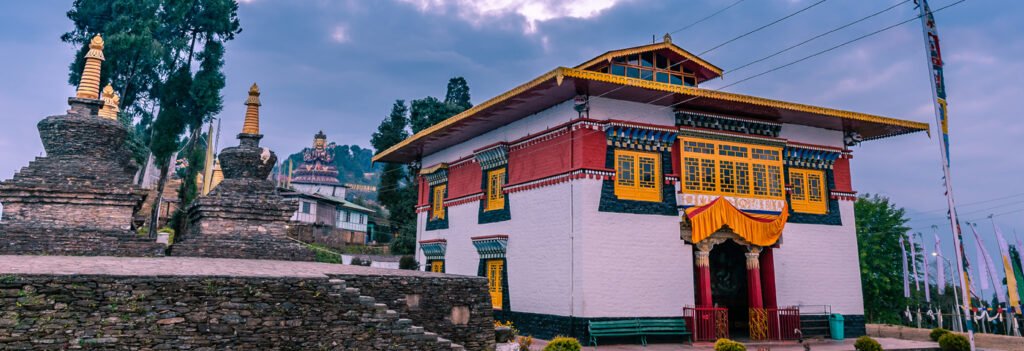
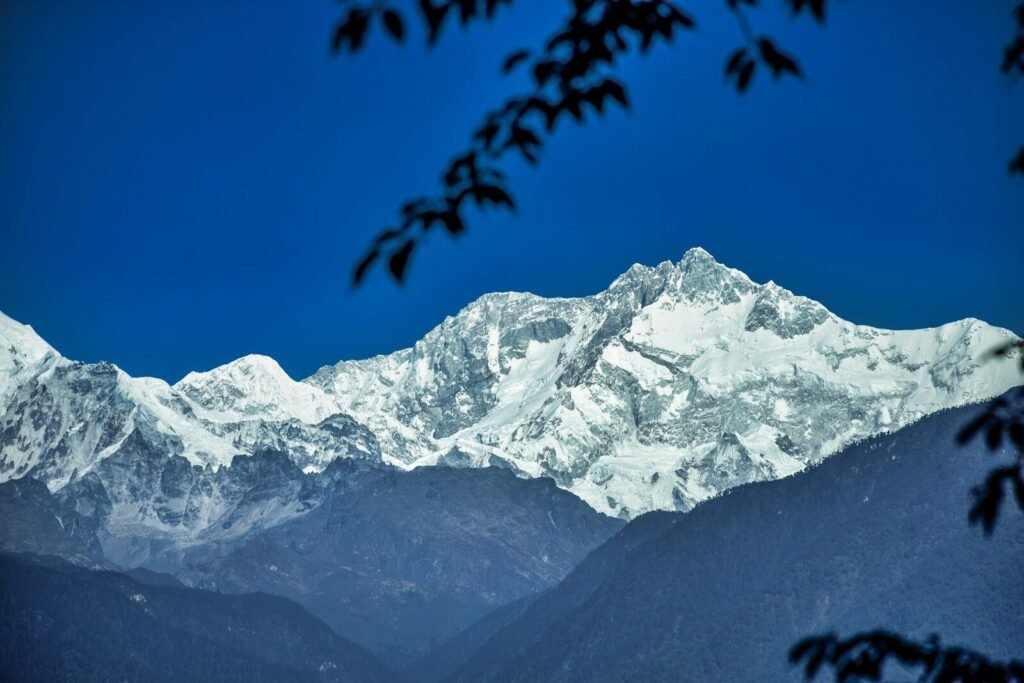
Sangachoeling Monastery (often spelled Sanga Choeling) is a serene Buddhist monastery perched above the town of Pelling in West Sikkim. Known for its peaceful ambiance, prayer flags, and sweeping views of the Kanchenjunga range, the monastery is a popular stop for travelers exploring Sikkim. This guide focuses on the best time to visit Sangachoeling in the context of tourism, along with practical advice to make your visit comfortable and rewarding.
About Sangachoeling Monastery
Sangachoeling is an atmospheric hilltop monastery offering panoramic mountain views, a contemplative setting for observing daily monastic life, and a good vantage point for sunrise and sunset photography. Visitors come for spiritual atmosphere, scenic vistas, and as part of wider Pelling itineraries that include Pemayangtse, Rabdentse ruins, and local nature walks.
Climate & Seasonal Overview
- Spring (March–May) — One of the best times to visit. Mild temperatures, blooming rhododendrons and orchids, generally clear skies that give excellent mountain visibility.
- Autumn (September–November) — Another excellent window. Post-monsoon clarity, comfortable days and cool nights, crisp views of Kanchenjunga and surrounding peaks.
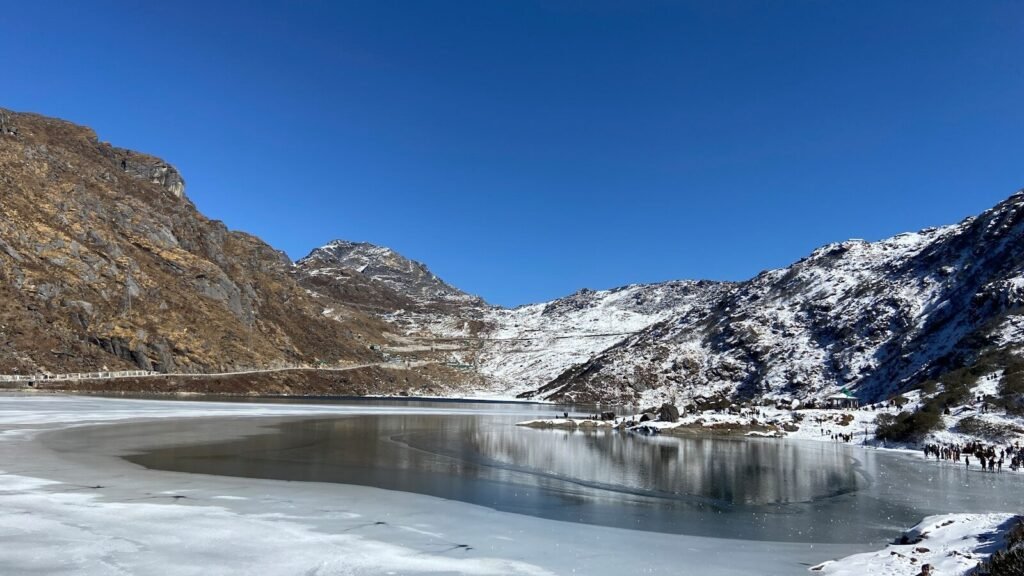
- Winter (December–February) — Cold and crisp with the possibility of snowfall at higher elevations. Very clear air often gives spectacular views, but mornings and nights are chilly and access can be affected by weather.
- Monsoon (June–August) — Heavy rainfall, frequent cloud cover, reduced mountain visibility, and higher risk of landslides and road disruptions. Not ideal for clear views or photography.
Why Spring and Autumn Are Best
- Visibility: Air is cleaner and skies clearer after the winter and monsoon respectively, giving reliable views of Kanchenjunga.
- Weather Comfort: Daytime temperatures are pleasant for walking between sites; evenings are cool but manageable with layers.
- Flora & Fauna: Spring brings rhododendron blooms and active birdlife; autumn offers great colors and stable weather for short treks.
- Festivals: These seasons coincide with several Buddhist and local festivals (timings vary each year), offering cultural experiences alongside sightseeing.
Festivals and Cultural Events
Local Buddhist observances, prayer ceremonies, and seasonal festivals (such as New Year/Losar celebrations in different Tibetan Buddhist traditions) take place at monasteries across Sikkim. These events enrich a visit but dates vary annually. If you want to witness a festival or masked dances, check local festival calendars or ask your hotel/guide in advance.
Practical Travel Tips by Season
Spring (March–May)
- Pack light layers, a windproof jacket, and comfortable walking shoes.
- Bring sun protection (hat, sunscreen) for midday sun at altitude.
- Book accommodation earlier during peak flowering months.
Autumn (September–November)
- Carry a warm layer for mornings and evenings; daytime can be pleasantly warm.
- Expect the best visibility for mountain photography—plan sunrise visits.
- Roads are generally in good condition after monsoon repairs, but check for local advisories.
Winter (December–February)
- Prepare for cold mornings; thermal layers and insulated jackets are advisable.
- Mornings offer spectacularly clear views—arrive early for golden light.
- Some higher trails or passes may be snowbound; travel with caution and local guidance.
Monsoon (June–August)
- Avoid if your priority is clear mountain views or photography.
- If you travel, expect wet trails and possible travel delays—waterproof gear and sturdy shoes are essential.
- Consider indoor cultural experiences if rainfall is heavy.
Best Time of Day to Visit
- Early morning: Best for clear views, crisp light, and quiet ambience; sunrise over the mountains can be spectacular if skies are clear.
- Late afternoon / Golden hour: Warm light on the monastery and mountains makes for excellent photography and a peaceful atmosphere.
- Midday: Good for combining the visit with other nearby attractions; however, haze can sometimes increase by afternoon in summer months.
How to Reach Sangachoeling Monastery
Sangachoeling is located near Pelling town. Typical travel steps:
- Reach Siliguri / New Jalpaiguri (rail/air connections) or Bagdogra Airport, then take a road journey to Pelling. Road travel from the plains to Pelling typically takes several hours depending on traffic and road conditions.
- From Pelling town, the monastery is a short drive and/or walk up to its ridge—local taxis, shared jeeps, or guided walks are common.
- Check with local operators for the latest road conditions and best access routes.
What to Pack
- Layered clothing (thermal base, fleece, windproof jacket)
- Comfortable walking shoes with good grip
- Rain gear during monsoon and light shower protection otherwise
- Sun protection: hat, sunglasses, sunscreen
- Basic first-aid kit, any personal medication
- Camera, extra batteries / power bank (cold drains batteries faster)
- Reusable water bottle and small snacks
Photography, Drones & Monastery Etiquette
- Photography: The monastery and mountain views are photogenic—early morning and late afternoon provide the best light.
- Monastery rules: Remove shoes where required, keep voices low, ask permission before photographing monks or religious rituals.
- Drones: Drone regulations vary and local permission is often required near religious sites; check local rules and respect signage.
Accommodation & Nearby Attractions
Pelling is the main base for visiting Sangachoeling; accommodation ranges from budget guesthouses to mid-range hotels and a few boutique stays. During peak seasons, book in advance. Combine a visit to Sangachoeling with:
- Pemayangtse Monastery
- Rabdentse ruins and viewpoints
- Kanchenjunga viewpoint (e.g., Khecheopalri or local vantage points)
- Local hikes, waterfalls, and village walks
Suggested Itineraries
Half-day visit
- Early morning departure from Pelling → Sangachoeling for sunrise and monastery visit → return to Pelling for breakfast and onward sightseeing.
Full-day cultural and nature loop
- Start at Sangachoeling in the morning → Pemayangtse Monastery → Rabdentse ruins → local lunch → short nature walk or village visit in the afternoon.
2–3 day relaxed itinerary
- Day 1: Arrive Pelling, light walk, sunset viewpoint.
- Day 2: Sangachoeling sunrise visit, Pemayangtse, Rabdentse.
- Day 3: Leisurely hikes, local markets, depart.
Responsible Tourism & Tips
- Respect religious practices and local customs; follow monastery instructions.
- Carry out all non-biodegradable waste; avoid single-use plastics where possible.
- Support local businesses—stay in local accommodation, eat locally, and buy handicrafts from community artisans.
- Check local information on weather, road conditions, and any travel advisories before you go.
Final Recommendation
If your priority is clear mountain views, photography, and comfortable weather, plan your visit in spring (March–May) or autumn (September–November). Winter rewards early-risers with crystal-clear vistas if you can handle cold mornings, while the monsoon is least suitable for clear views and easy travel. Regardless of season, arrive early in the day, dress in layers, and allow time to soak in the quiet atmosphere of Sangachoeling and nearby cultural sites.