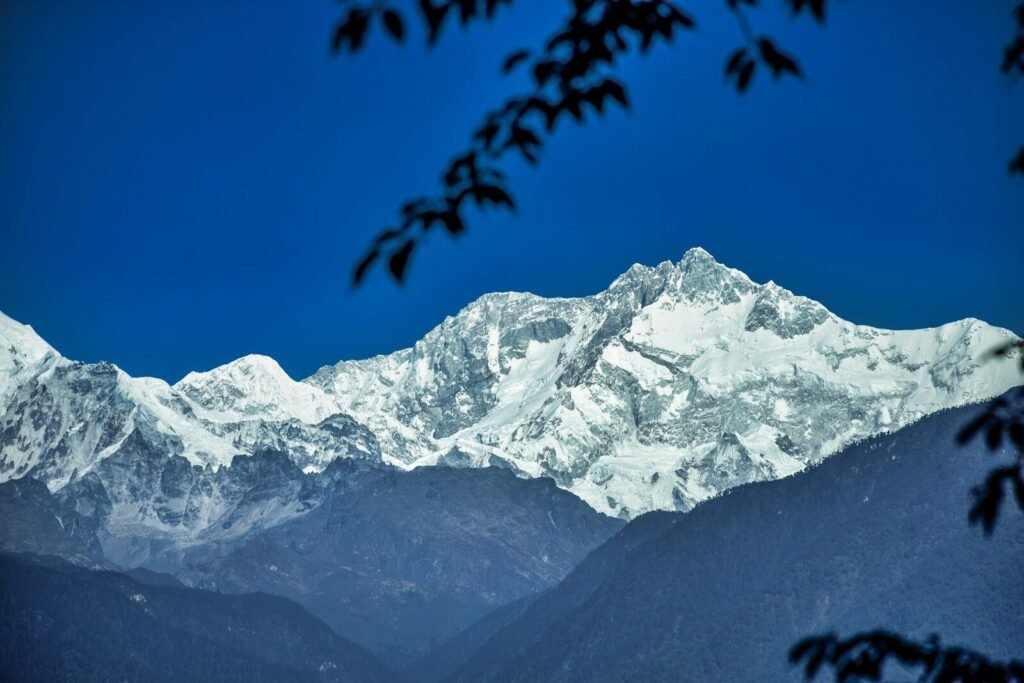
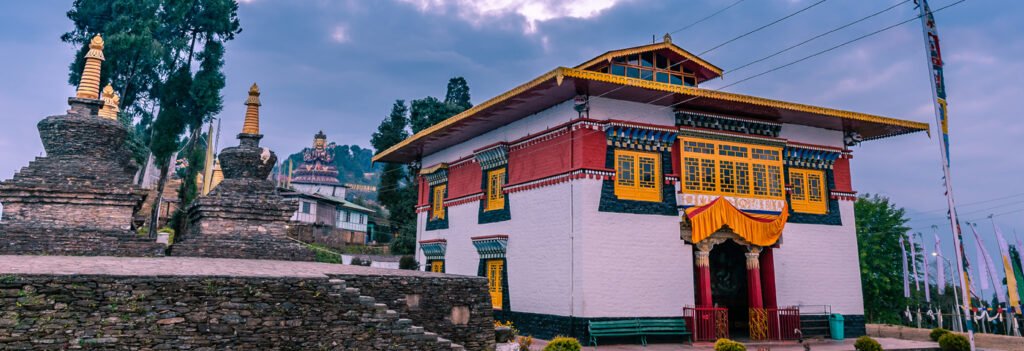
Sangachoeling Monastery is one of the lesser-known but culturally rich monastic sites in the Pelling area of West Sikkim, India. Perched on a wooded ridge above the valleys that stretch toward the mighty Kanchenjunga range, Sangachoeling blends history, spirituality and scenic value—making it a rewarding destination for both pilgrims and visitors interested in Himalayan culture and nature.
The exact date of Sangachoeling’s foundation is not recorded in a single definitive chronicle available to the general public, but local accounts and regional traditions place its origins several centuries back, commonly attributed to the late-medieval/early-modern period of Sikkim’s monastic development. It is often described in local tourism and cultural literature as one of the older monasteries in the region, founded during the phase when Tibetan Buddhism consolidated in Sikkim and monastic networks were expanded across the hills.
Historically, Sangachoeling has functioned as a place of worship, retreat and study. Like many Himalayan monasteries, it served multiple roles:
Sangachoeling demonstrates regional Himalayan monastic architecture: modest multi-storey structures built into the slope, a central prayer hall (assembly hall or gompa), smaller shrines and stupas (chortens) dotting the precinct. Interiors often contain painted murals, a main altar with images of the Buddha and protector deities, rows of prayer wheels and wooden carvings. The monastery’s art and ritual items are important for understanding Sikkim’s local expressions of Tibetan Buddhism.
Pelling is an accessible base for exploring several cultural and natural attractions. Sangachoeling pairs well with visits to:
Typically tourists combine Sangachoeling with morning or afternoon sightseeing, leaving time for temple rituals and quiet reflection.
Sangachoeling participates in the region’s religious calendar. Visitors may encounter communal prayer sessions, pujas on important Buddhist dates and, occasionally, masked dances (cham) that are celebrated in Sikkimese monasteries—though major cham performances may be hosted at larger monasteries in the district. Checking festival dates in advance increases the chance of witnessing living traditions.
Small monasteries like Sangachoeling face challenges common to mountain heritage sites: conservation of fragile manuscripts and thangkas, maintenance of structures in a difficult climate, and balancing visitor interest with monastic privacy. Community involvement and responsible tourism practices are important for sustaining the monastery’s religious and cultural role.
Sangachoeling Monastery offers travelers an intimate encounter with Sikkim’s spiritual landscape—less crowded than many tourist sites, rich in ritual life and set in scenery that reminds visitors why the Himalaya inspired devotion and artistic patronage for centuries. For travelers combining natural beauty with cultural curiosity, Sangachoeling is a meaningful stop that rewards calm attention and respectful engagement.
Practical reminder: before you travel, check local access and opening conditions, especially during unpredictable weather seasons, and consider guided options if you want deeper historical and religious context.
What makes us different from other tour package companies
Our travel experts have core and intense knowledge about Sikkim sector with over 10 years of experience that will help you choose the best possible itinerary as per your requirements.
Our travel experts are just one call away during your tour to help you with any kind of immediate assistance so that your tour is a more enjoyable and hassle-free tour.
eSikkimTourPackages ensures best rates to all our esteemed guests since we have our own hotels and fleet of vehicles and drivers and there is no third-party involvement. This ensures personalized service and best rates.























Kindly enter the details below for your Sikkim Tour Package