
Nestled in the hill-town of Namchi in South Sikkim, the Namchi Rock Garden is a landscape that combines natural geology, planned horticulture and viewpoints that frame the Himalayan skyline. Beyond its immediate aesthetic appeal, the garden stands as a case study in how a small town with strong cultural identity can develop tourism infrastructure that balances scenic amenities, religious pilgrimage circuits and local economic benefit.
The site that became Namchi Rock Garden was originally a naturally rocky ridge and slope overlooking the valleys of South Sikkim. For generations the land was used informally by local residents for grazing, small-scale cultivation and as a vantage point to view the mountains. Its geological character — exposed rock formations interspersed with pockets of soil and native vegetation — made it visually interesting but not exploitation-ready for tourism.
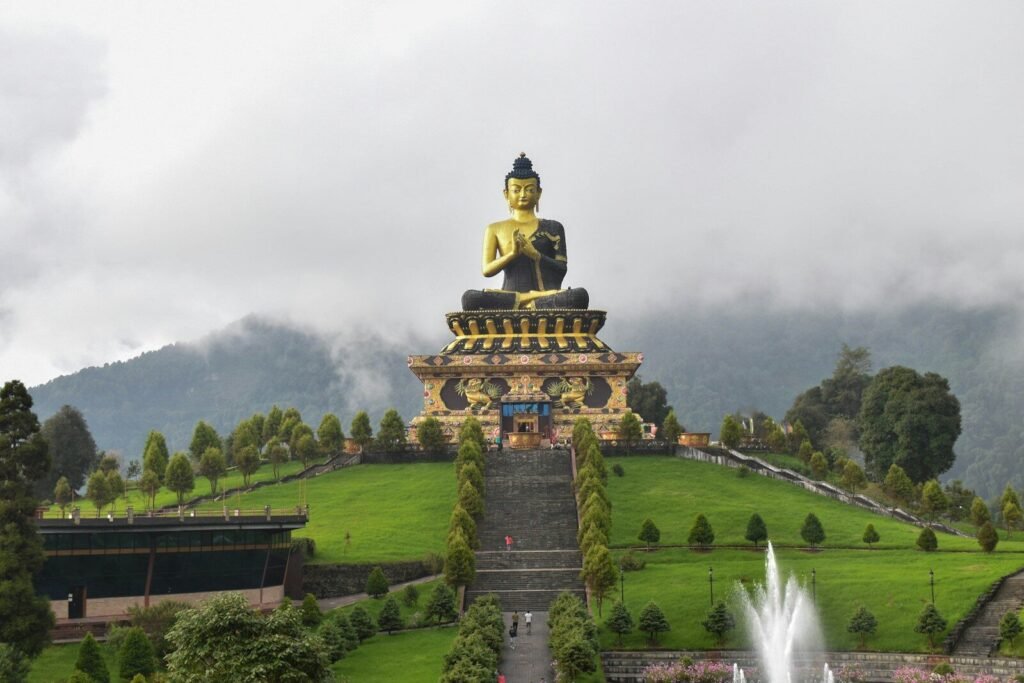
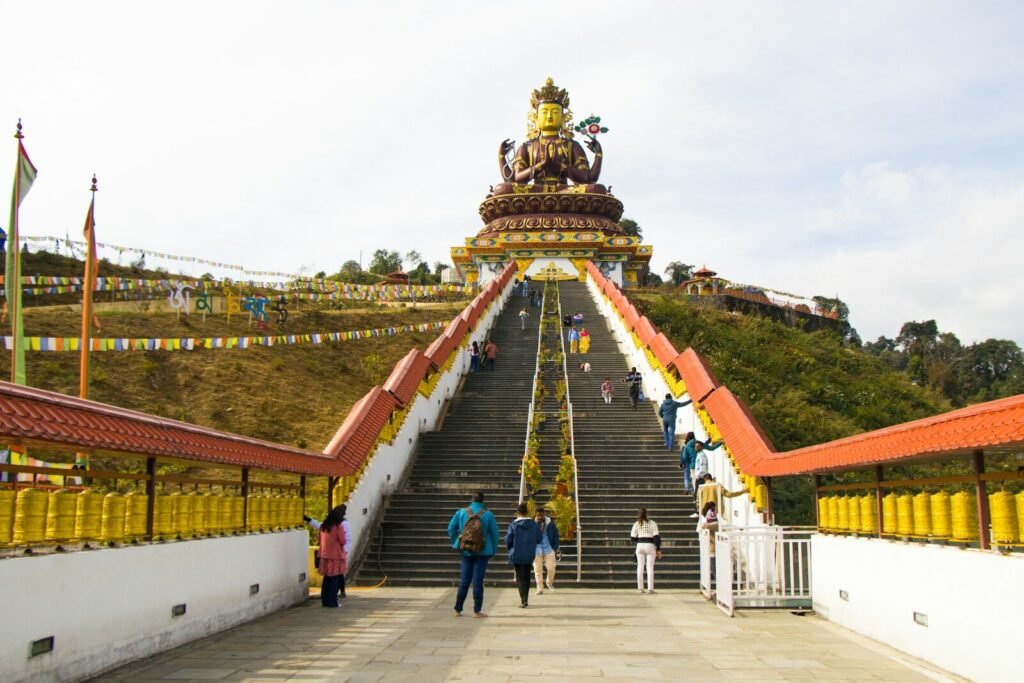
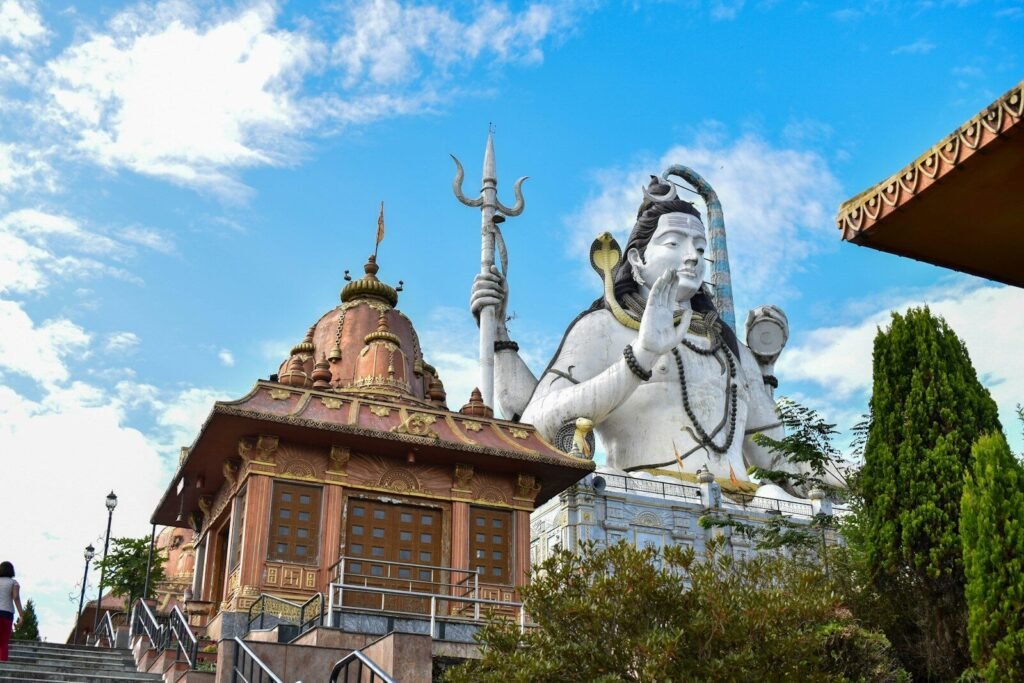
From the late 20th century onwards, Namchi began to develop from a regional administrative centre into a tourist node. The town’s elevation, panoramic views of the Kanchenjunga range and proximity to important pilgrimage and cultural attractions (notably the Samdruptse statue and the Siddheshwar Dham complex) led planners and local stakeholders to see potential in creating managed public spaces to receive increasing visitor numbers.
In response to a growing domestic and international interest in Sikkim as a destination for nature, culture and pilgrimage tourism, the local and state authorities — working with community groups and private contractors — began transforming several scenic ridges and clearings into formal gardens and viewpoints. The conversion of the natural rocky area into the Namchi Rock Garden took place in phases, incorporating terracing, pathways, retaining works, planting beds and water features to create a safer, more legible visitor environment while preserving the character of the rock outcrops.
The design of Namchi Rock Garden emphasizes low-impact landscaping that complements the existing geology. Key design elements include:
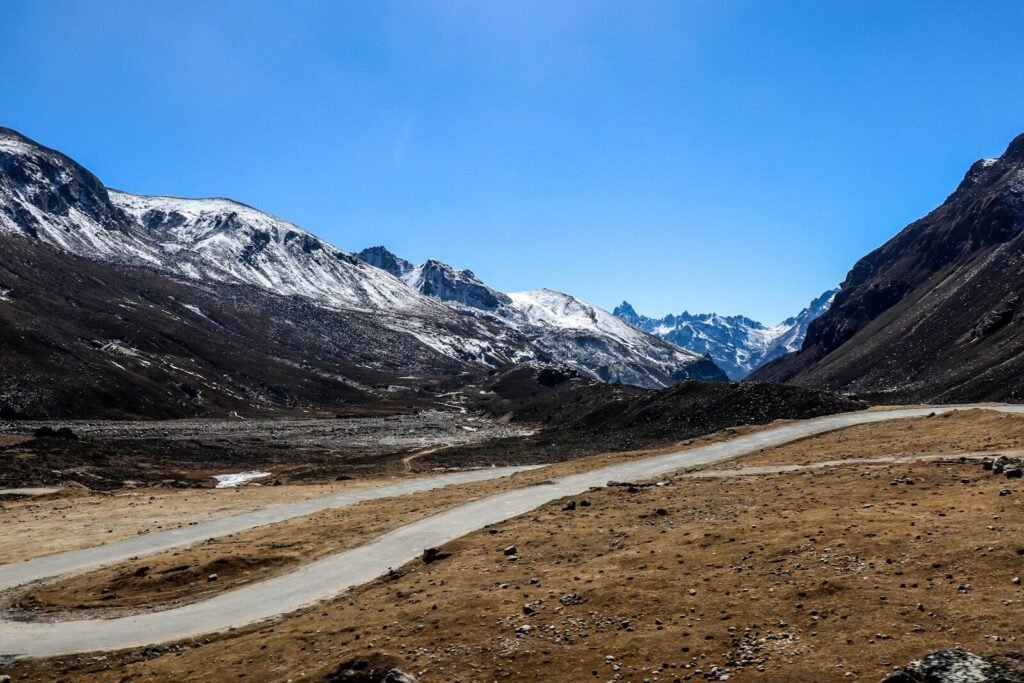
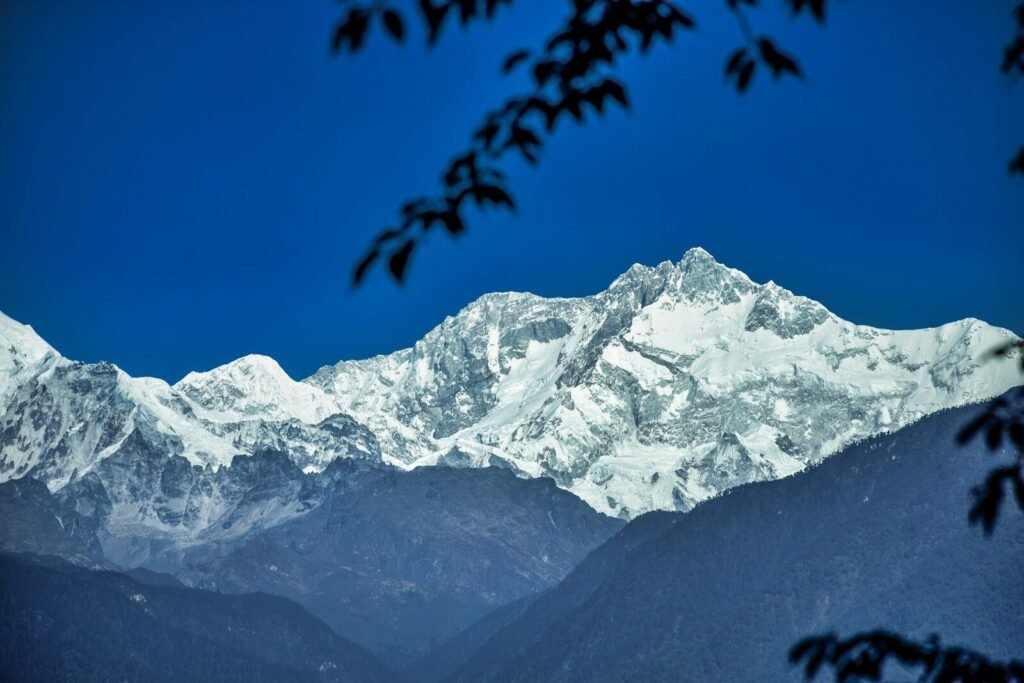
The garden is oriented to make the most of panoramic views, particularly toward the north and northeast where the Himalaya frames the skyline. Several vantage points provide clear sightlines to Mount Kanchenjunga on clear days. The garden’s location close to major cultural installations in Namchi means visitors often combine a visit with:
Small interpretive plaques, local handicraft kiosks and flower displays commonly supplement the visitor experience in the garden.
Rather than being a stand-alone attraction, Namchi Rock Garden developed as a complementary public space within Namchi’s broader tourism offering. Tour operators and day‑trip itineraries frequently include the garden with visits to the Samdruptse viewpoint, local monasteries and market areas. This integration has helped lengthen visitor stays in Namchi and distribute footfall across multiple sites.
The garden’s creation has had several measurable impacts on the local tourism economy:
The garden’s design and ongoing management reflect concerns common to hill‑area tourism: slope stability, erosion control, native biodiversity and waste management. Management strategies in many hill gardens — including Namchi Rock Garden — emphasize:
Local community groups, gardeners and small entrepreneurs play an essential role in the garden’s upkeep and programming. Seasonal flower displays, community-led cleanup drives and cultural events staged at or near the garden contribute to custodianship while providing income-generation opportunities.
As visitor numbers grow, managing footfall, preventing littering and maintaining infrastructure become ongoing challenges. The garden is also sensitive to climate impacts — heavy monsoon rains can accelerate erosion and damage pathways. Planning for resilient materials, improved drainage and visitor education remains a priority for managers.
The garden offers opportunities to expand sustainable tourism through:
The most favorable months for clear views and comfortable weather are generally spring (March–May) and autumn (September–November). Monsoon months bring lush vegetation but can limit visibility and make some paths slippery.
Most visitors combine a visit to Namchi Rock Garden with:
The Namchi Rock Garden is more than a landscaped public park; it is a deliberately crafted piece of the town’s tourism strategy that connects natural geology, visual access to the Himalaya and nearby cultural attractions. Its history is one of incremental development — shaped by local needs, state-level tourism planning and an emphasis on integrating scenic infrastructure with cultural and environmental stewardship. For visitors and planners alike, the garden exemplifies how modest, well-managed public landscapes can strengthen local tourism economies while celebrating regional identity and natural beauty.
What makes us different from other tour package companies
Our travel experts have core and intense knowledge about Sikkim sector with over 10 years of experience that will help you choose the best possible itinerary as per your requirements.
Our travel experts are just one call away during your tour to help you with any kind of immediate assistance so that your tour is a more enjoyable and hassle-free tour.
eSikkimTourPackages ensures best rates to all our esteemed guests since we have our own hotels and fleet of vehicles and drivers and there is no third-party involvement. This ensures personalized service and best rates.























Kindly enter the details below for your Sikkim Tour Package