Best Time to Visit Namchi Rock Garden, Namchi — A Tourist Guide
Namchi Rock Garden is a landscaped attraction in Namchi, the administrative headquarters of South Sikkim. Perched in the hilltown’s pleasant elevation, the garden offers terraced lawns, ornamental rock features, walking paths and viewpoints that frame the Himalayan panorama. Choosing the right time to visit will enhance views, comfort and the overall travel experience. This guide explains the best seasons, month-by-month considerations, festival ties, practical tips and travel planning advice for tourists.
Quick Overview: Why timing matters
Weather, visibility, crowds and local events all change through the year. The best time to enjoy Namchi Rock Garden depends on what you want most: clear mountain views, blooming rhododendrons, quieter walks, or festival atmosphere. Below are the main seasonal options and what each offers.
Best seasons to visit
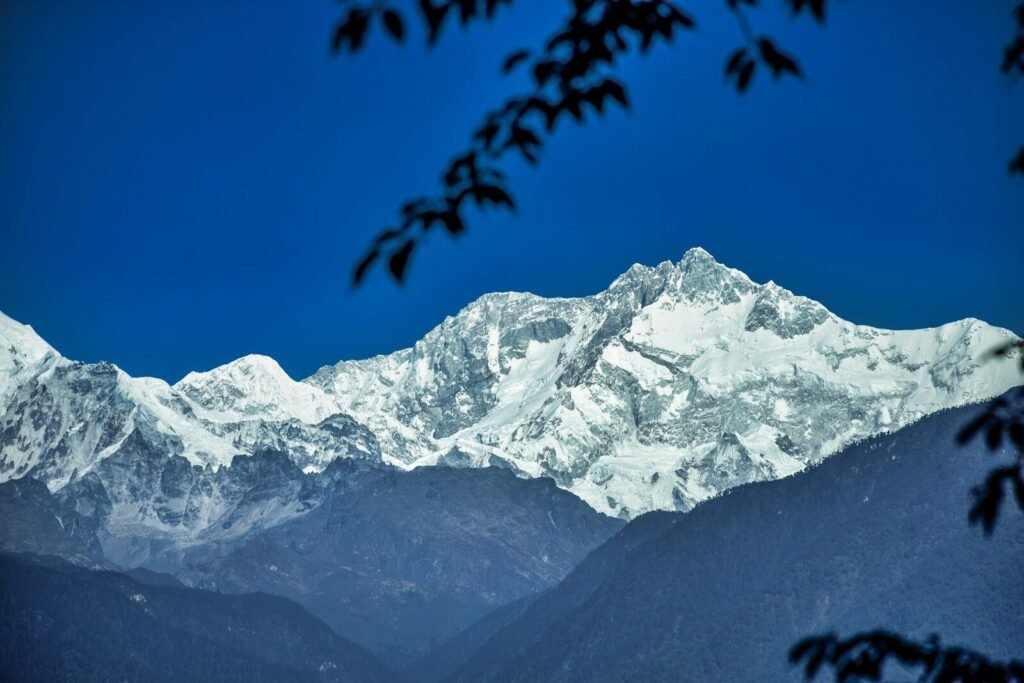
- Autumn (October–November) — Best for clear skies and spectacular views of the Himalaya. Comfortable temperatures make walking and sightseeing pleasant.
- Spring (March–May) — Excellent for mild weather and flowering season (including rhododendrons in higher areas). Very good for photography and outdoor activities.
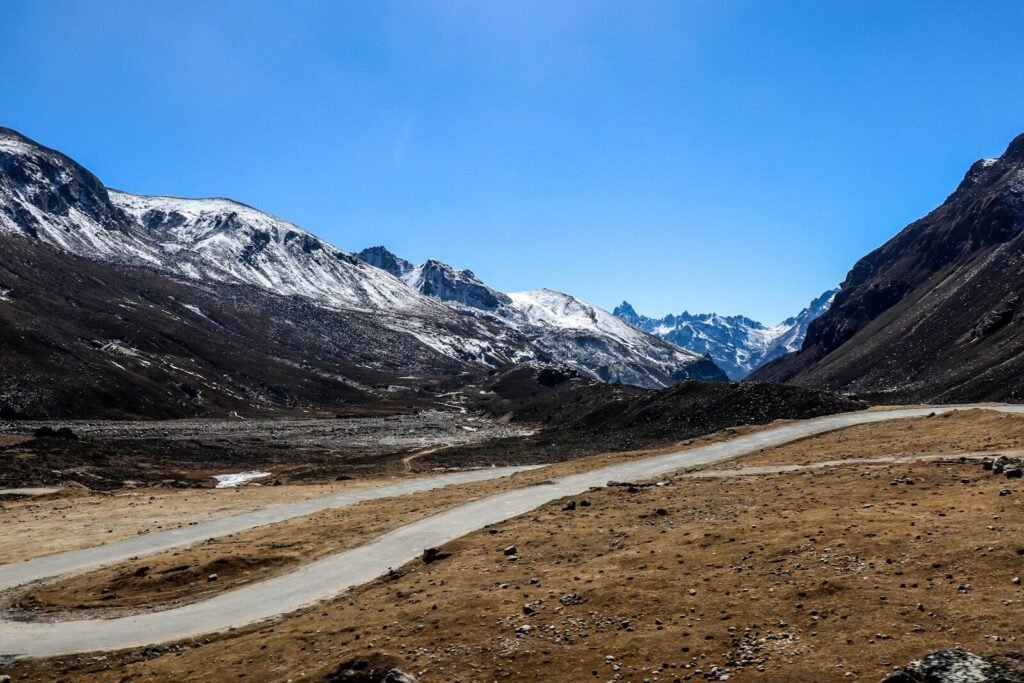
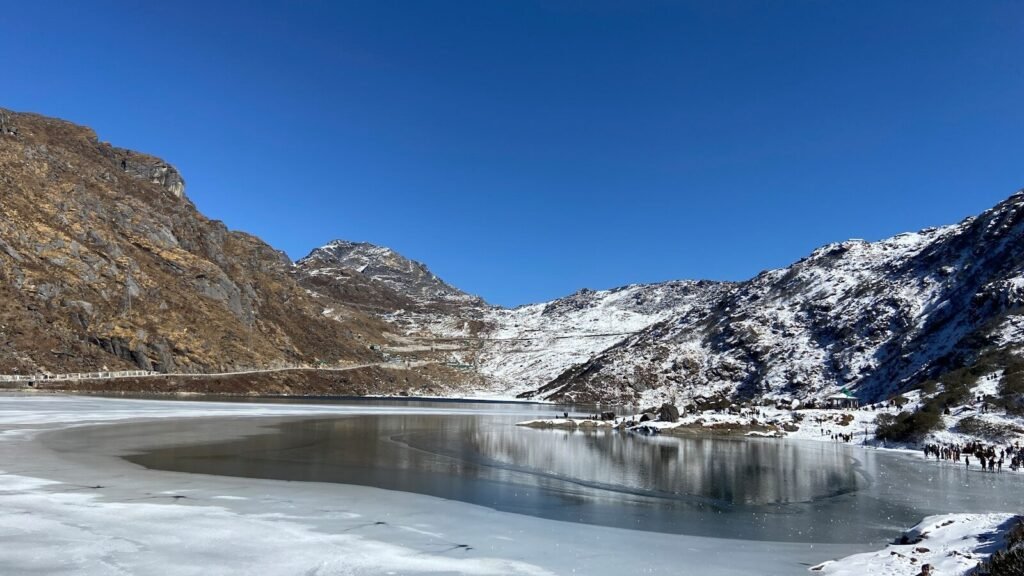
- Winter (December–February) — Crisp, cold air and occasional frost; visibility can be superb on clear days, but mornings and nights are chilly. Some travelers enjoy quieter tourist sites and the chance of light snowfall at higher elevations.
- Monsoon (June–September) — Heavy rainfall, lush green landscapes and fewer tourists. Not ideal for road travel or stable weather; landslides can occasionally disrupt transport.
Month-by-month considerations
- January–February: Cold mornings and evenings; clear days can provide crisp mountain views. Pack warm layers.
- March–April: Spring blooms and pleasant daytime temperatures; great for photography and combined hikes to nearby viewpoints.
- May: Mild and comfortable before monsoon onset; good for outdoor exploration.
- June–September: Monsoon season — heavy rains, high humidity, and occasional road disruptions. The garden is greener and less crowded but weather can be unpredictable.
- October–November: Prime tourist season with clear skies, stable weather and the best views of Kanchenjunga and surrounding peaks.
- December: Festive season with cold temperature; early morning mists and clear afternoons are common. Layering is necessary.
When is the absolute best time?
Late October to early December and March to May are widely considered the best windows for visiting Namchi Rock Garden. These months combine mild daytime temperatures, clear visibility of the mountains, and comfortable conditions for walking and photography.
Festival and cultural timing
Timing your visit to coincide with local festivals can add cultural flavor to a trip, though it may also mean larger crowds and higher accommodation rates. Important points:
- South Sikkim’s religious and cultural festivals (local Buddhist festivals, regional holidays) can occur throughout the year. These are opportunities to experience local customs, prayer ceremonies and traditional food.
- Check local calendars for major Sikkimese events; living festivals can provide an enhanced cultural experience in Namchi town while visiting the garden.
What to expect by season — detailed
Spring (March–May)
- Temperatures: Mild days, cool nights.
- Pros: Flowering shrubs, good trekking conditions in nearby hills, pleasant weather for walking gardens and viewpoints.
- Cons: Increasing tourist numbers in April–May.
Summer / Monsoon (June–September)
- Temperatures: Warm and humid with frequent rain.
- Pros: Lush green landscapes and fewer visitors; lower hotel rates.
- Cons: Heavy showers, muddy paths, potential travel delays and landslides on mountain roads.
Autumn (October–November)
- Temperatures: Pleasant and stable.
- Pros: Best visibility, cool and comfortable for sightseeing and photography.
- Cons: Peak tourist season — book accommodation in advance.
Winter (December–February)
- Temperatures: Cold mornings and nights, mild afternoons on sunny days.
- Pros: Quiet atmosphere, crisp air and clear distant views on good days.
- Cons: Cold; some higher-elevation attractions may have snow or limited access.
How to plan your visit — practical tourism tips
- Time needed: Visiting Namchi Rock Garden typically requires 1–3 hours depending on photography, picnicking and relaxation time. Combine it with nearby attractions for a half-day or full-day outing.
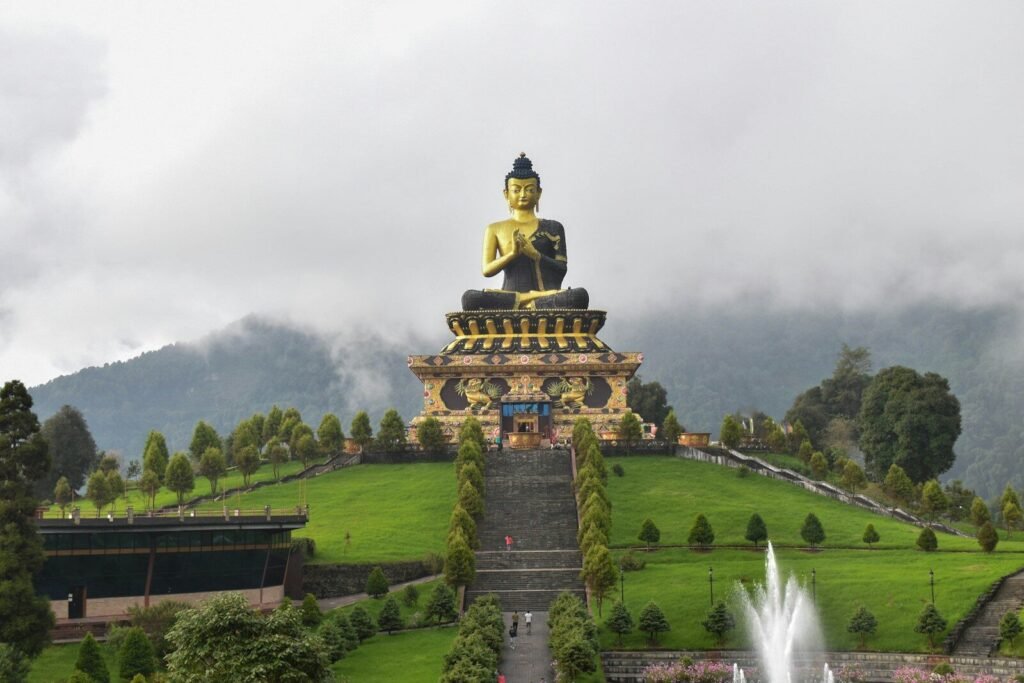
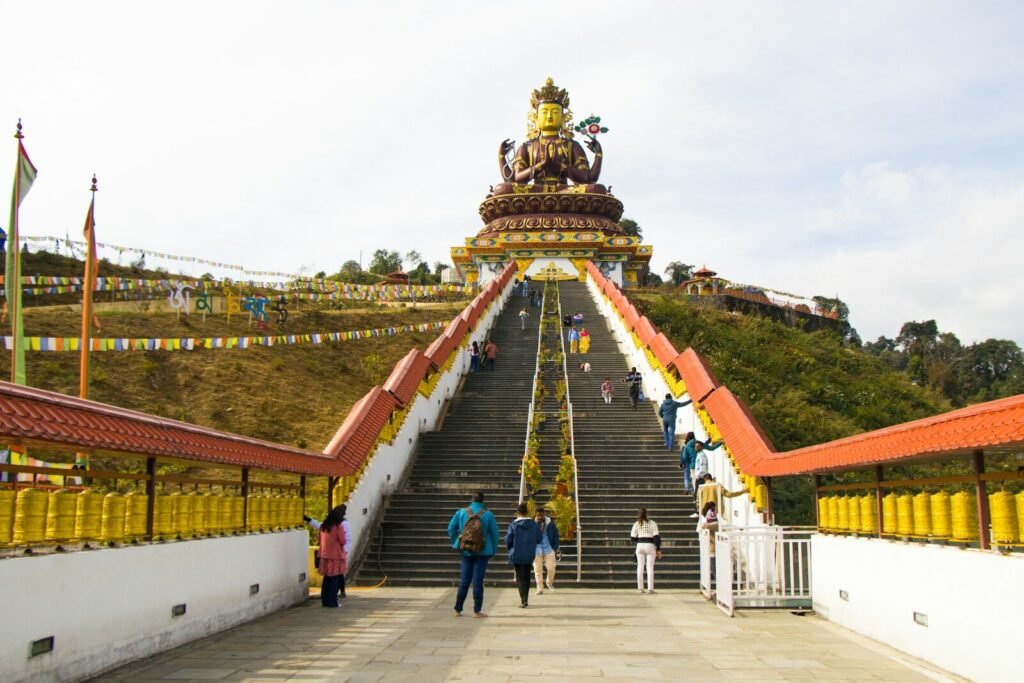
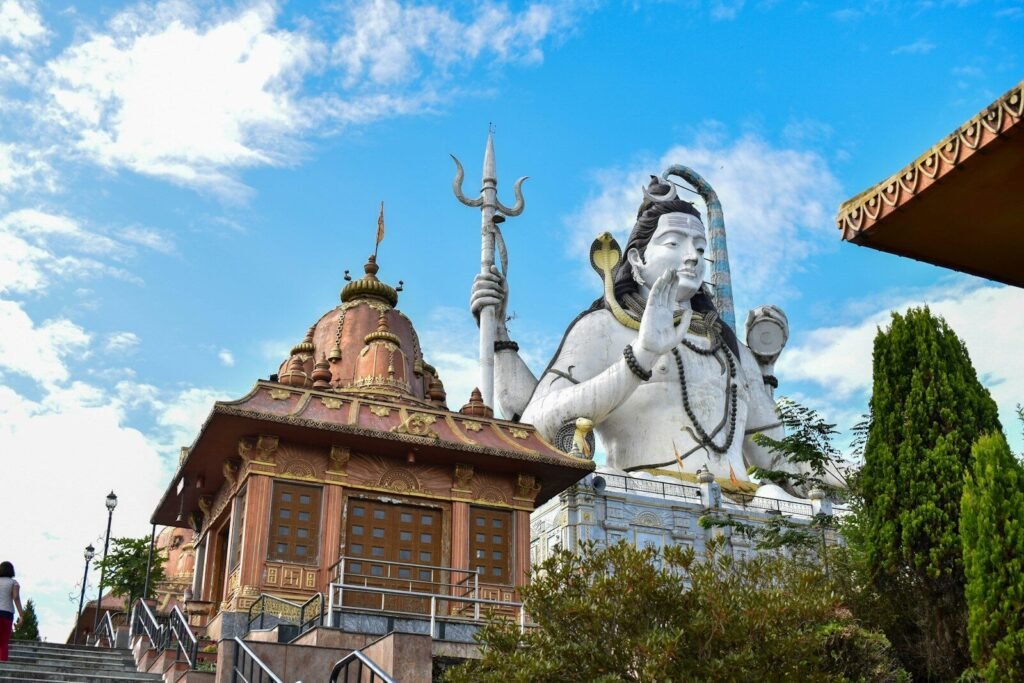
- Nearby attractions: Plan to visit the Samdruptse statue (a prominent Guru Rinpoche/Stupa complex), the Char Dham pilgrimage complex and local markets in Namchi town while you’re in the area.
- Transport: The nearest major access points are Siliguri/Bagdogra (airport) and New Jalpaiguri (railway). Road travel into Namchi takes a few hours via winding hill roads; allow buffer time for traffic and weather.
- Accommodation: Namchi offers a range of hotels, guesthouses and homestays. During peak season (Oct–Nov and April–May), book in advance.
- Entry and permits: Check current entry rules for Sikkim — requirements for foreign nationals can change. Local tourists from India generally have unrestricted access to popular tourist areas, but always verify before travel.
Packing and clothing recommendations
- Layered clothing: temperate days and chilly mornings/evenings.
- Comfortable walking shoes for paths and steps.
- Rain gear and waterproof footwear in the monsoon season.
- Sunscreen, hat and sunglasses for clear sunny days at higher elevation.
- Basic first-aid items and any personal medications.
Accessibility and safety
The garden generally has paved paths and steps; however, sections may be uneven or steep. If you have mobility concerns, check in advance with local authorities or accommodation providers about accessibility. During monsoon months, avoid steep trails after heavy rain and stay updated on road conditions. Carry sufficient water, and be mindful of high-altitude sun exposure.
Photography tips
- Golden hour (early morning and late afternoon) offers the best soft light for mountain vistas and the garden’s landscaping.
- Autumn and spring produce the most reliable clear-sky conditions for distant mountain photography.
- Bring a light tripod for low-light shots or panoramic stitching.
Suggested sample itineraries
Half-day visit
- Morning: Arrive at Namchi Rock Garden for a leisurely walk and photos.
- Late morning: Head to Samdruptse viewpoint for panoramic views and cultural sightseeing.
- Lunch: Try a local eatery in Namchi town.
Full-day combined trip
- Morning: Start early for rock garden and sunrise views if weather permits.
- Midday: Visit the Char Dham complex and Samdruptse; attend any cultural activities if available.
- Afternoon: Explore local markets, taste regional Sikkimese cuisine and return to your base.
Final recommendations
For most tourists who want a mix of pleasant weather, clear mountain views and comfortable sightseeing, plan your visit between late October and early December or March and May. If you prefer quieter travel and lush scenery, consider the shoulder months just before or after peak seasons, keeping in mind the weather trade-offs. Always check local weather forecasts, road conditions and any permit requirements before travel to ensure a safe and enjoyable visit to Namchi Rock Garden.
Quick checklist before you go
- Confirm travel routes and local transport options (flight/rail to road transfer).
- Book accommodation in peak months.
- Pack layers, rain protection (if visiting during monsoon) and comfortable shoes.
- Carry a camera, power bank and basic first-aid items.
- Verify any entry/permit rules if you are an international traveler.
Namchi Rock Garden is best enjoyed when the weather cooperates — plan according to your priorities (views, flowers, crowds) and you’ll have a rewarding hill-station experience framed by Sikkim’s tranquil landscape.