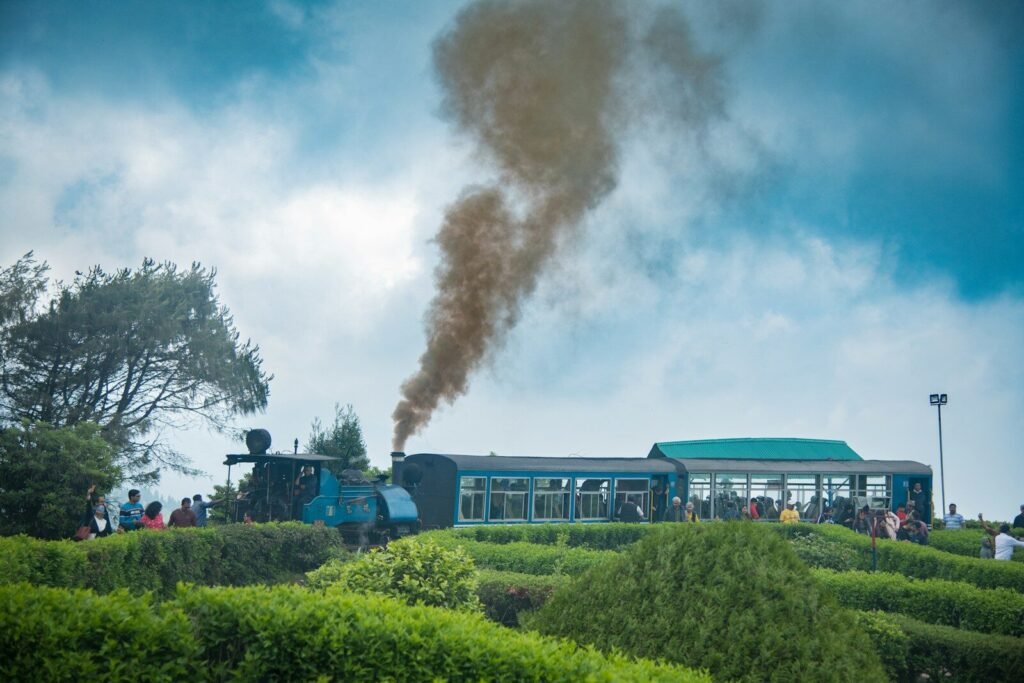
Best Time to Visit Chopta Valley, Lachen — A Tourism Guide
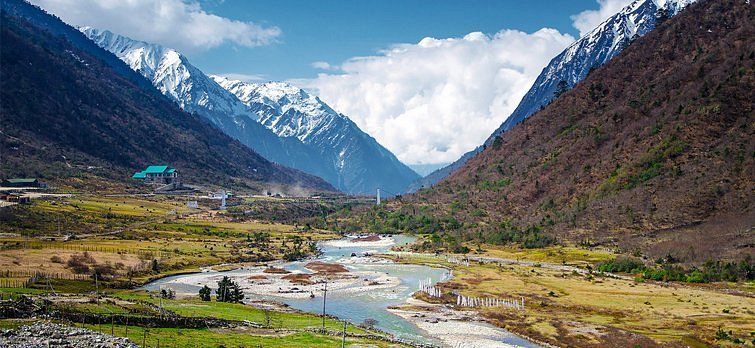
Chopta Valley (near Lachen) in North Sikkim is a high-altitude meadowland famed for sweeping alpine panoramas, spring rhododendron blooms, yak-studded grazing grounds and proximity to iconic high-altitude sites such as Gurudongmar Lake. Choosing the right time to visit affects accessibility, scenery and the kind of experience you will get — from lush wildflower carpets to pristine snowfields. This article explains the seasonal highlights, practical considerations, suggested itineraries and tips to plan a safe, rewarding trip.
At a Glance
- Best overall seasons: Spring (March–June) and Autumn (September–November)
- Monsoon: July–August — increased landslide risk and poor visibility in many parts of Sikkim
- Winter: December–February — heavy snow, dramatic landscapes, limited accessibility
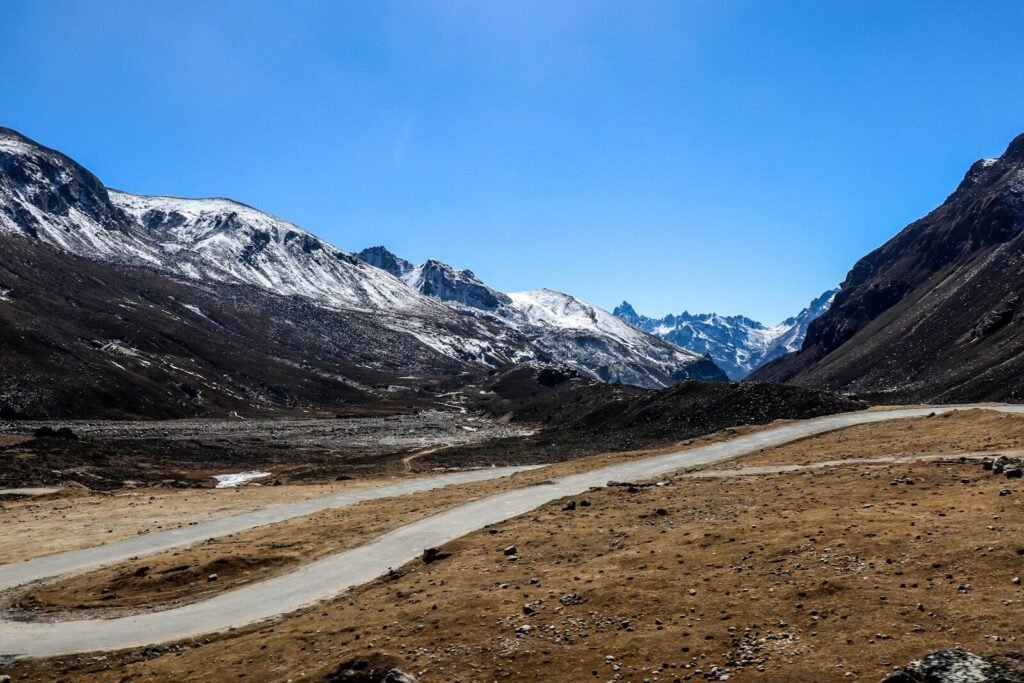
- Approximate altitude: Chopta Valley and surrounding meadows are high-altitude (roughly 3,000–3,800 m); always plan for thin air and cold nights
Season-by-Season Breakdown
Spring (March–June): The Most Popular Window
Spring is widely regarded as the prime time to visit Chopta Valley. Temperatures begin to warm, the days are pleasant, and the valley bursts into colour as rhododendrons, primulas and alpine wildflowers bloom.
- Why go: Best combination of floral displays, clear mountain views and relatively reliable road access.
- Weather: Cool mornings and evenings, comfortable daytime temperatures — still chilly at night. Occasional showers possible, especially in late May/June.
- Highlights: Rhododendron blooms, birdwatching, ideal trekking conditions for nearby trails.
Summer / Early Monsoon (June–August): Warm but Riskier
Early summer (June) can still be pleasant, but the arrival of the monsoon (typically mid-late June through August) makes travel riskier.
- Why be cautious: Heavy rains in lower Sikkim can trigger landslides and road closures that affect access to North Sikkim.
- Possible advantages: Fewer tourists and lush, green landscapes. If you plan travel in June, keep flexible plans and local weather updates.
Autumn (September–November): Clear Skies & Crisp Views
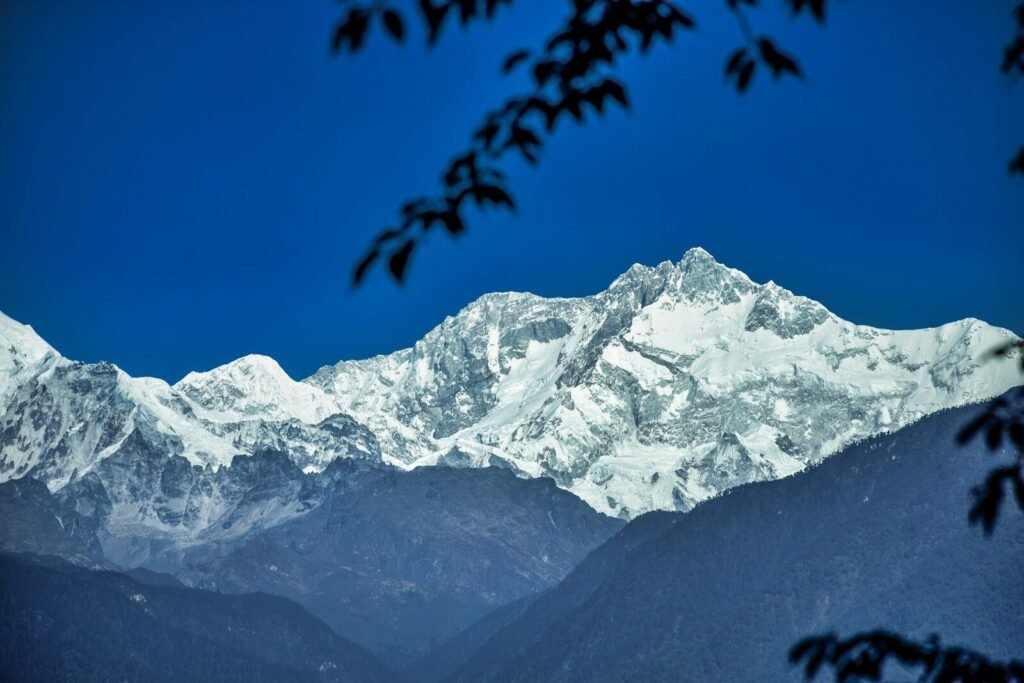
Autumn is another excellent window, especially September–November. Post-monsoon clears the skies and the visibility for Himalayan panoramas is often superb.
- Why go: Stable weather, excellent mountain views, comfortable days and chilly nights.
- Highlights: Clear vistas of high peaks, less cloud cover than monsoon months, and crisp air for photography.
Winter (December–February): Snowy Beauty, Limited Access
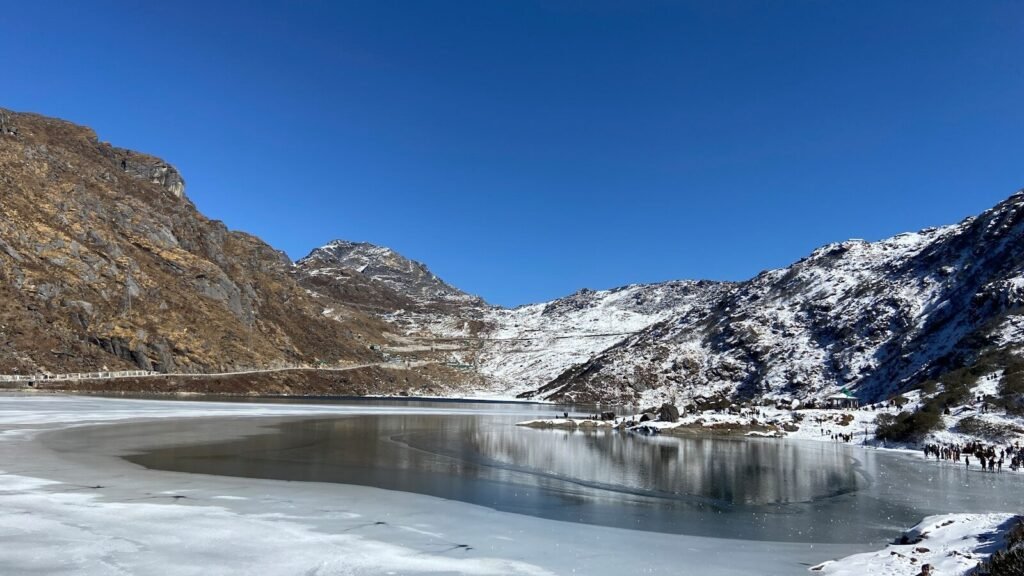
Winter turns Chopta Valley into a winter landscape with heavy snowfall. Roads may be blocked intermittently; travel is challenging but rewarding for snow lovers.
- Why go: Incredible snowscapes, quiet and solitude, a chance to see frozen lakes and dramatic high-altitude conditions.
- Considerations: Road closures, need for appropriate clothing and gear, limited services and possible cancellation of vehicle routes. Only attempt with local guidance and flexible timing.
Permits, Accessibility and Transport
Permits
Important: Chopta Valley lies in North Sikkim, which is a sensitive and regulated region. Visitors must obtain the required permits before travelling.
- Indian nationals: Registration with local authorities and vehicle passes are typically required; tour operators arrange these for you.
- Foreign nationals: A Protected Area Permit (PAP) or special permit is usually required to visit North Sikkim. These are often obtained via tour operators or through the appropriate government offices in Gangtok. Always check current rules well before your trip.
Getting There
The typical approach is via Gangtok. Lachen (the usual base for Chopta Valley) is about 120–130 km from Gangtok along mountain roads — expect 5–8 hours depending on road conditions and stops.
- By road: Shared taxis, private cabs or organized tour vehicles from Gangtok or Lachung.
- Local travel: Chopta Valley is usually visited as a day trip from Lachen or combined with Thangu and Gurudongmar Lake excursions.
Suggested Itineraries
Short trip (2–3 days)
- Day 1: Gangtok to Lachen — acclimatize, light walk around the village.
- Day 2: Lachen to Chopta Valley and Thangu — explore the meadows, short treks, return to Lachen.
- Day 3: Optional early morning trip to Gurudongmar Lake or return to Gangtok.
Leisurely trip (4–6 days)
- Day 1: Gangtok — sightseeing and permit formalities.
- Day 2: Drive to Lachen, acclimatize.
- Day 3: Chopta Valley and Thangu day trip with time for photography and walking trails.
- Day 4: Early morning visit to Gurudongmar Lake; return to Lachen.
- Day 5–6: Return to Gangtok with stops at viewpoints and cultural sites.
Activities & What to Expect
- Trekking & walks: Gentle meadow walks to more challenging high-altitude treks — choose according to fitness and acclimatization.
- Wildflowers & rhododendrons: Peak blooms in spring provide spectacular colors.
- Birding & wildlife: Spot high-altitude birds (e.g., Himalayan species) and grazing yaks.
- Photography: Excellent opportunities at dawn and dusk for mountain vistas and meadow landscapes.
Practical Tips for the Best Experience
Packing Essentials
- Layered clothing: Warm base layers, insulating mid-layers and windproof/waterproof outer layers.
- Cold-weather accessories: Hat, gloves, scarf, warm socks and quality footwear with good grip.
- Sun protection: High-altitude UV is strong — sunglasses, sunscreen and a wide-brimmed hat.
- Health kit: Basic medicines, altitude sickness tablets (acetazolamide) if recommended by your doctor, rehydration salts.
- Other: Cash (limited ATMs), portable charger, headlamp, reusable water bottle, lightweight binoculars for birding.
Health & Safety
- Acclimatize: Move slowly up in altitude; allow time in Lachen to acclimatize before higher excursions.
- Hydrate and rest: Drink plenty of fluids; avoid strenuous activity if you feel symptoms of altitude sickness.
- Check local conditions: Road and weather conditions can change quickly — confirm with local operators before departure.
Accommodation & Services
Lodging in Lachen is typically homestays, guesthouses and small hotels — basic but comfortable. Book ahead during peak spring and autumn seasons. Services in Chopta Valley are minimal; day trips usually return to Lachen for overnight stays.
Responsible Tourism
- Respect local culture: North Sikkim has distinct cultural customs; be polite and seek permission before photographing people or private places.
- Leave no trace: Carry out all waste, avoid single-use plastics and stick to existing trails.
- Support local economy: Use local guides, stay in homestays and buy handicrafts from villagers wherever possible.
Quick Checklist Before You Go
- Confirm permits and carry ID copies.
- Check weather and road conditions; keep flexible travel dates during monsoon and winter.
- Pack layers and altitude-appropriate gear.
- Book accommodation in advance during peak months (April–May and September–October).
- Inform someone of your itinerary; use local guides for high-altitude trips.
Final Note
For most visitors seeking the ideal combination of accessibility, spectacular scenery and floral displays, March–June (spring) and September–November (autumn) are the best times to visit Chopta Valley (Lachen). If you prefer snow and winter solitude, plan carefully for December–February with local guidance. Always verify current permit requirements, road access and weather forecasts before booking — conditions in high Himalayan regions can change rapidly.