Chopta Valley

History

Chopta Valley, Lachen — A Historical Perspective on Tourism

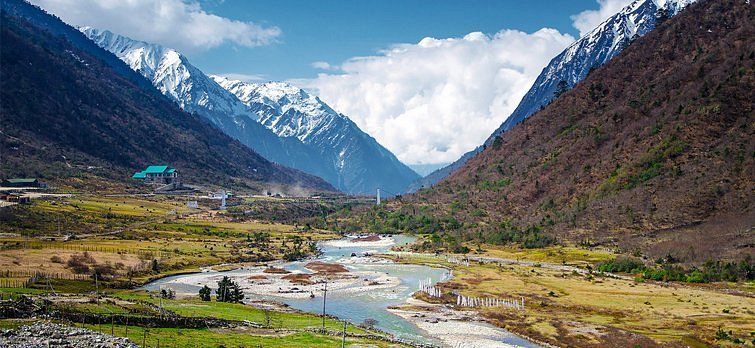
Nestled in North Sikkim near the village of Lachen, Chopta Valley is a high‑altitude meadow and grazing ground that has gradually transformed from a remote pastoral landscape into one of Sikkim’s most evocative tourist destinations. This article traces the history of the valley in the context of tourism: its geographical setting, cultural background, the evolution of travel there, and the contemporary challenges and opportunities for sustainable visitation.

Geographical and physical context

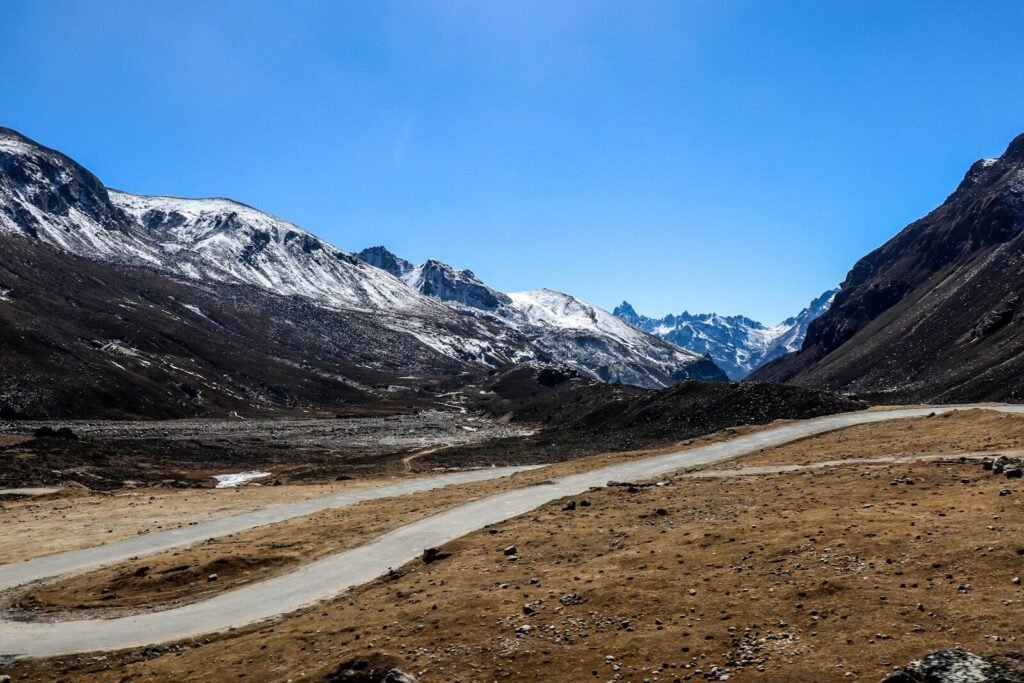
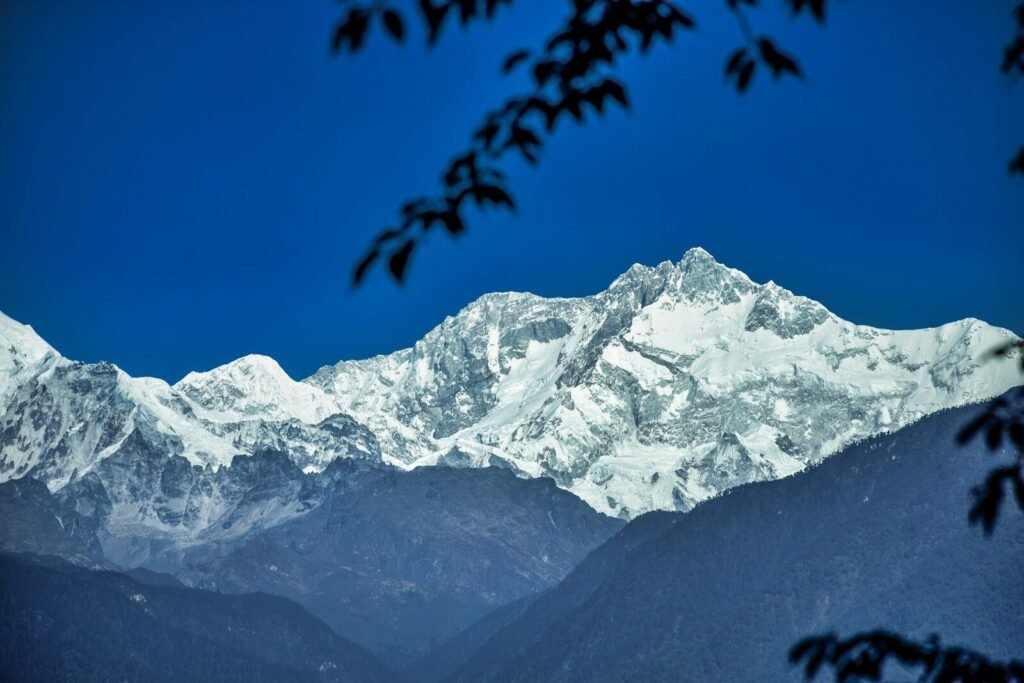
Chopta Valley sits in the trans‑Himalayan zone of North Sikkim, a region of steep valleys, high passes, and glaciated peaks. The valley functions ecologically as an alpine meadow and summer pasture for yak and sheep, and it offers panoramic views of surrounding peaks — a factor that helped it become attractive to visitors once roads and basic facilities were established.

Key physical features

  • Altitude and terrain: high‑altitude meadows and boggy grasslands intermixed with rocky ridges and streams.
  • Flora: alpine grasses, rhododendron stands at lower elevations, medicinal herbs and seasonal wildflowers.
  • Fauna: pastoral livestock (yak and sheep), and wildlife typical of high Himalaya such as bharal (blue sheep), Himalayan tahr and birds of prey — though many sensitive species are sparsely distributed due to altitude and human use.

Early human history and cultural background

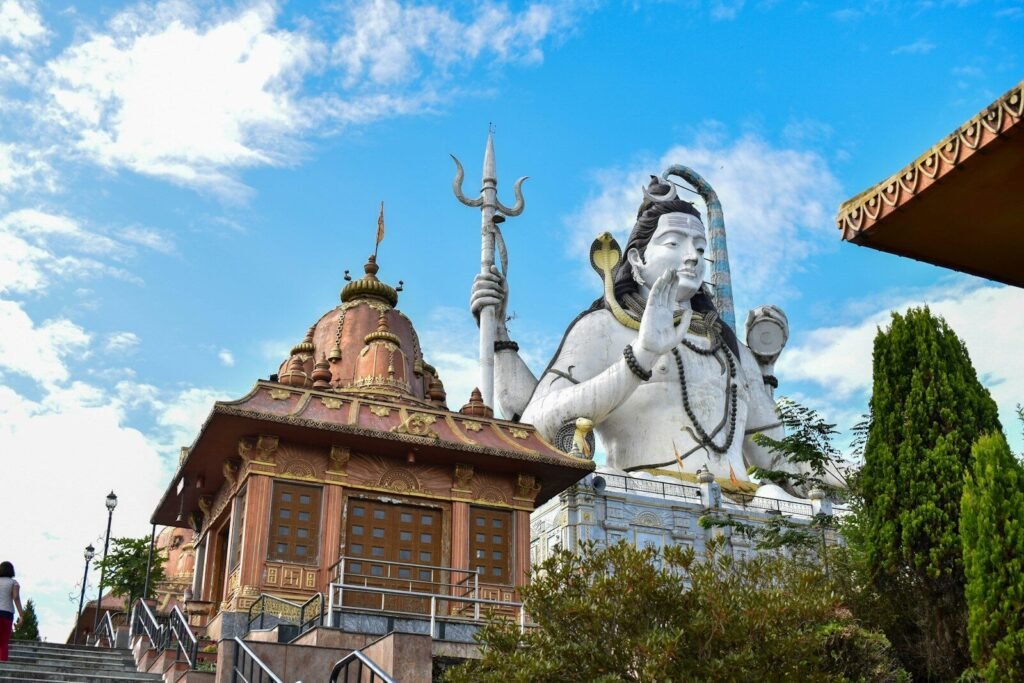
The Chopta–Lachen area has long been inhabited or seasonally used by indigenous communities of Sikkim, including the Lepcha and Bhutia peoples, with later migration and settlement by communities of Nepalese origin. The cultural landscape is shaped by Tibetan Buddhist traditions that dominate much of North Sikkim — monasteries, chortens (stupas), and ritual landscapes are integral to local life.

Traditional uses and significance

  • Pastoralism: Chopta Valley historically functioned as summer grazing pasture (yak and sheep), and many trails are stock routes rather than formal roads.
  • Religious and cultural routes: Pilgrimage routes link Lachen with high altitude sacred lakes (notably Gurudongmar) and local monasteries; these routes predate modern tourism.
  • Trans‑Himalayan trade: While North Sikkim’s main trade arteries shifted over time, the area was part of broader regional networks connecting Himalayan communities with Tibet.

Colonial era to mid‑20th century: first external contacts

During the 19th and early 20th centuries, Sikkim came under increasing British influence as the British Empire engaged diplomatically and administratively with Himalayan polities. Explorers, surveyors and botanists visited the broader region, and cartographic and scientific interest in the high Himalaya grew. However, Chopta Valley remained remote and sparsely accessed by outsiders until roads and modern administration reached the upper valleys.

Administrative changes and their impacts

  • Under the British period, Sikkim’s borders and routes were more closely mapped, but strict control of high passes limited large‑scale travel.
  • After Indian independence, Sikkim retained a distinct status until 1975, when it became an Indian state — an event that gradually opened infrastructural investment and tourism policy changes affecting North Sikkim.

Emergence of tourism: late 20th century to present

Tourism to Chopta Valley developed alongside the broader opening of Lachen and North Sikkim to travelers. Road improvements, the creation of rest stops and basic guesthouses in Lachen, and the growing market for high‑altitude scenic drives and pilgrimage circuits made Chopta part of popular itineraries. The valley’s combination of alpine scenery, grazing yak, and proximity to famed high‑altitude lakes (notably Gurudongmar) catalyzed its tourist appeal.

Milestones in tourism development

  • Road access: Construction and progressive upgrade of mountain roads connected Gangtok → Chungthang → Lachen, making day trips to Chopta feasible for more visitors.
  • Pilgrimage and nature tourism: Visitors combined visits to Chopta with religious trips (Gurudongmar) and nature‑centric experiences such as photography, trekking and wildlife watching.
  • Regulatory frameworks: Due to the valley’s proximity to international borders, access rules evolved — permits and controlled entry became standard, especially for foreign nationals.

Tourism infrastructure and visitor experience

Today the tourist experience in Chopta Valley typically includes a drive from Lachen into the meadow, short walks for panoramic viewpoints, interaction with pastoral communities and opportunities for photography, bird‑watching and experiencing high‑altitude pastoral culture. A stay in Lachen often combines Chopta with excursions to other North Sikkim highlights.

Practical considerations for visitors

  • Access: Lachen is reached by road from Gangtok and other Sikkim towns; journeys are mountainous and can be long. Distances vary by route, and travel times depend on conditions.
  • Permits: North Sikkim (including Lachen and Chopta Valley) is a restricted area. Indian nationals generally obtain permits from designated authorities in Sikkim; foreign nationals usually require a Protected Area Permit (PAP).
  • Acclimatisation: High altitude means visitors must be cautious about acute mountain sickness; gradual ascent and rest are recommended.

Conservation, regulation and recent trends

As visitor numbers increased, authorities have sought to balance access with protection of fragile alpine ecosystems. Regulations around waste management, grazing limits, controlled parking and limited visitor numbers at sensitive sites have been implemented episodically in response to degradation and safety concerns.

Environmental and cultural challenges

  • Ecological fragility: Alpine meadows and high‑altitude soils are slow to recover from trampling, road construction and litter.
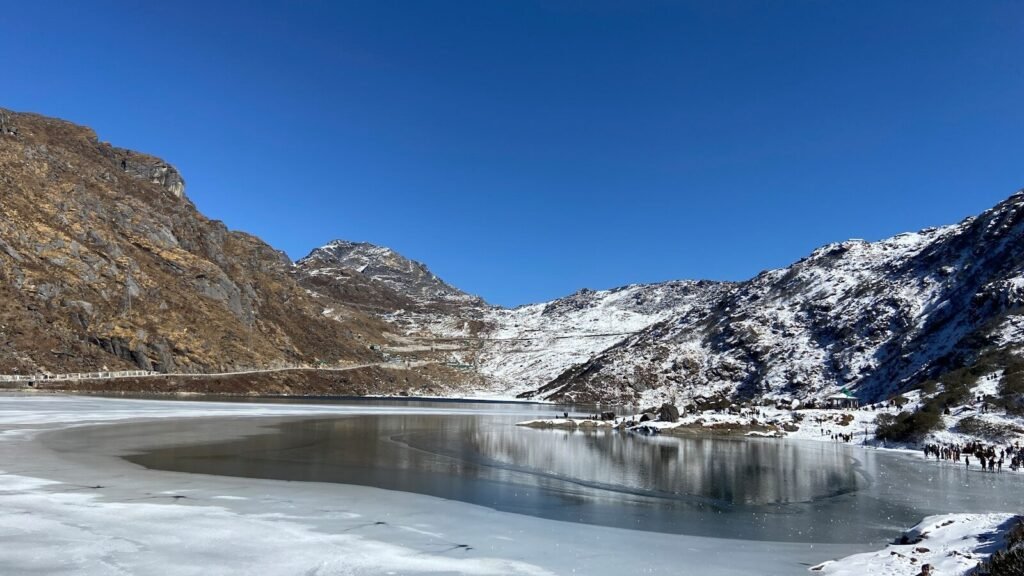
  • Glacial retreat and hydrology: Climate change impacts on regional glaciers affect water resources and the long‑term landscape; this has implications for both local communities and tourism assets such as icy lakes and snowfields.
  • Socio‑cultural pressures: Increased tourism can alter livelihoods, create dependency on tourism income, and place stress on local cultural practices unless managed inclusively.

Policy responses and sustainable tourism initiatives

The Government of Sikkim, local panchayats and community groups have taken steps to formalize rules on permits, waste, trekking routes and community‑based tourism. Initiatives include:

  • Regulated vehicle entry and parking to reduce roadside impacts.
  • Encouragement of homestays and community‑run guesthouses to spread benefits locally.
  • Awareness campaigns for responsible travel and strict disposal rules for non‑degradable waste.
  • Coordination with defense and border agencies on visitor safety and permissible zones.

Cultural tourism and local livelihoods

Chopta Valley’s history is not only natural but also cultural — visitors encounter monasteries, local festivals, and pastoral lifestyles that have deep roots. Tourism has created supplementary income through guiding, hospitality and sale of local handicrafts, yet sustainable benefit requires careful planning so that benefits do not erode cultural authenticity or create environmental harm.

Opportunities for meaningful tourism

  • Community homestays: Offer authentic cultural exchange while channeling revenue to local households.
  • Guided eco‑walks: Trained local guides can interpret ecology and culture and minimize visitor impact.
  • Seasonal tourism models: Align visits with traditional pastoral schedules to avoid disruption during sensitive periods.

Recommendations for visitors (brief)

  • Respect permits and restrictions: Obtain the required permits in advance and follow local regulations.
  • Travel light and pack out waste: Carry all non‑biodegradable waste back and use designated bins where available.
  • Support local economies: Choose locally run homestays, guides and eateries.
  • Acclimatize and plan for altitude: Take rest days and be prepared for cold, changeable weather.

Conclusion — the valley’s evolving story

Chopta Valley near Lachen exemplifies the transformation of a high‑altitude pastoral landscape into a sought‑after tourism destination. Its history is a layering of indigenous pastoral use, Buddhist cultural ties, cautious opening under changing political administrations, and a modern tourism era shaped by both opportunity and environmental constraints. Going forward, the valley’s value — ecological, cultural and scenic — will depend on locally rooted management, sensitive infrastructure and travelers who choose to be responsible guests in a fragile mountain environment.

Further reading and local contacts

For up‑to‑date travel rules, permit procedures, and community‑run tourism options, travelers should consult the Government of Sikkim tourism website, local district offices (Mangan/Chungthang), and accredited tour operators based in Gangtok or Lachen. Local monasteries and community guesthouses often provide the most reliable on‑the‑ground guidance.

Get Instant Call Back​

Which places do you want to explore in North-East?
Kindly share your above details to get Travel Plan PDF within 30 seconds on your mobile
Please wait while we are preparing customized quotes as per your requirement.

Why Choose us ?

What makes us different from other tour package companies

Best Travel Experts

Our travel experts have core and intense knowledge about Sikkim sector with over 10 years of experience that will help you choose the best possible itinerary as per your requirements.

24 X 7 On-Trip Assistance

Our travel experts are just one call away during your tour to help you with any kind of immediate assistance so that your tour is a more enjoyable and hassle-free tour.

Best Rate Guarantee

eSikkimTourPackages ensures best rates to all our esteemed guests since we have our own hotels and fleet of vehicles and drivers and there is no third-party involvement. This ensures personalized service and best rates.


Sikkim Tour Packages by Theme

Sikkim Tour From Popular Cities

Limited period offer – Sikkim tour packages at flat 50% discount. Inquire now!

Kindly enter the details below for your Sikkim Tour Package
Loading, please wait . .. ... ....