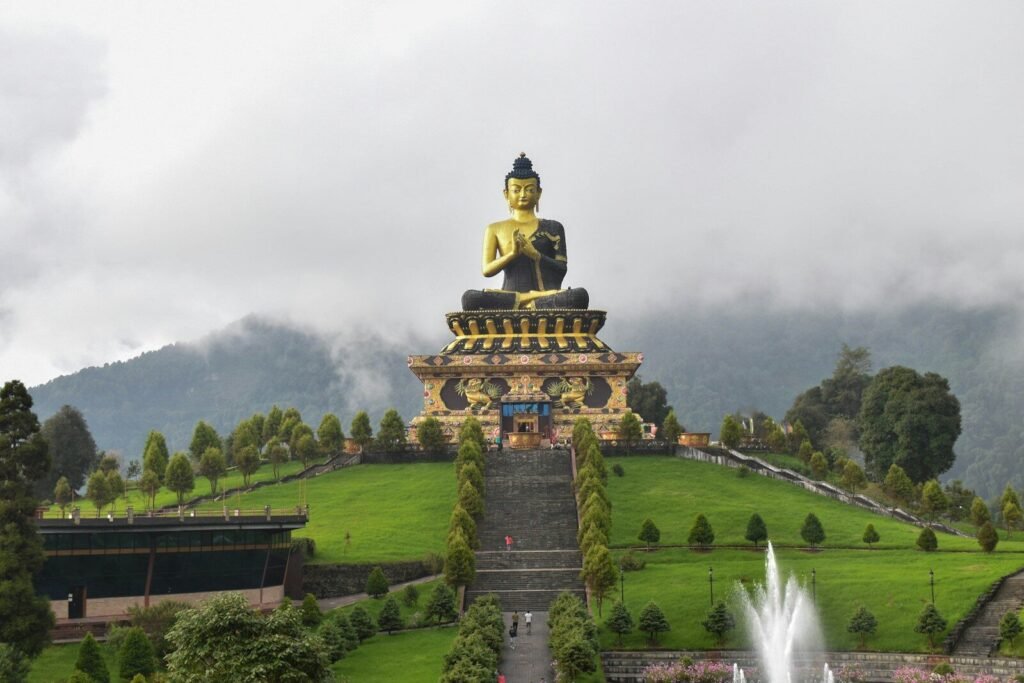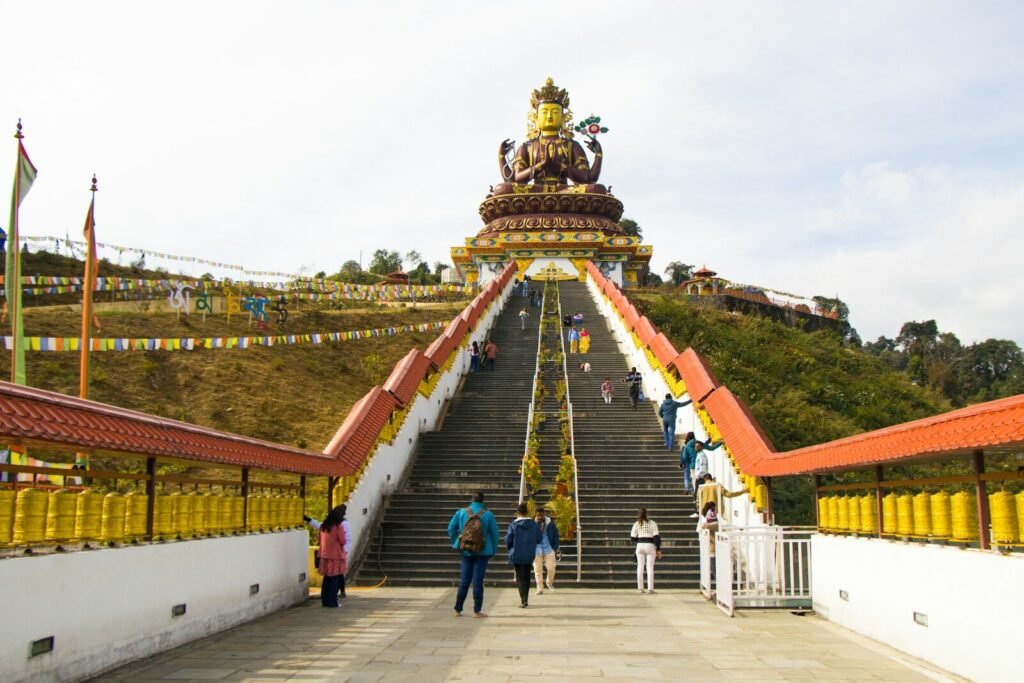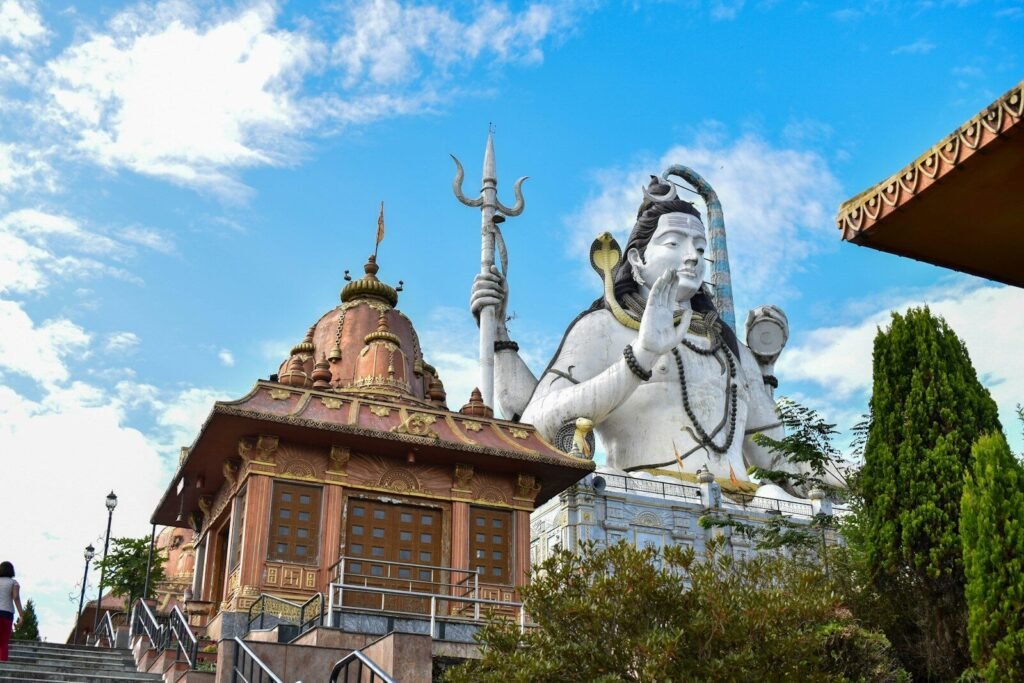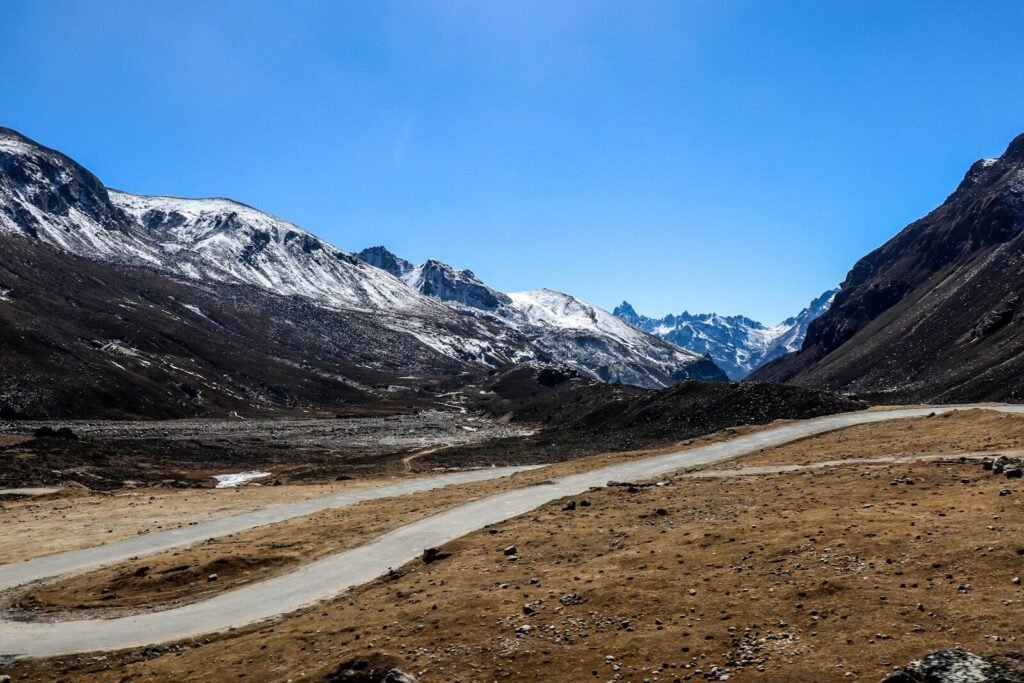
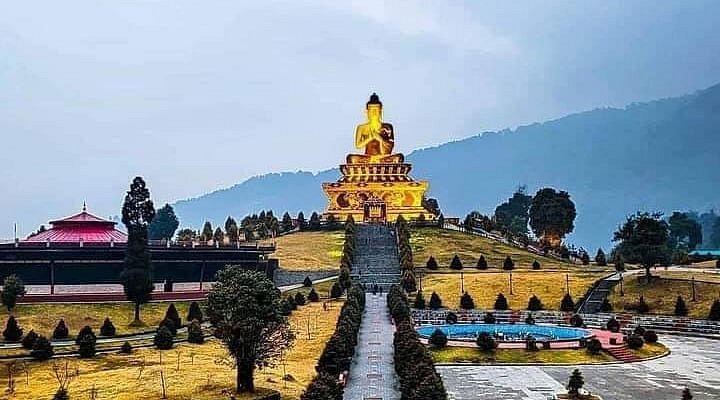
Nestled in the hills of South Sikkim, Char Dham, Namchi is a purpose-built pilgrimage complex that brings together scaled replicas of India’s four sacred Dhams—Badrinath, Rameswaram, Dwarka and Jagannath Puri—within a single accessible site. Developed as both a religious and tourist destination, the Namchi Char Dham aims to provide pilgrims and visitors who cannot undertake long or arduous journeys to the original shrines an opportunity for spiritual experience amid the scenic backdrop of the Himalaya.
The idea of creating a Char Dham complex outside the traditional locations has historical precedents in India where miniature or representative shrines were established to serve local devotees. In Namchi, local administration and community stakeholders sought to build a regional pilgrimage center that would:
The Char Dham site in and around Namchi was developed as part of a broader initiative to expand Sikkim’s tourism profile beyond its established hill and eco-tourism attractions. The project combined religious architecture, landscaped gardens, viewing platforms, and supporting visitor infrastructure. Over time, adjacent devotional and cultural projects—such as the prominent statue of Guru Rinpoche (Padmasambhava) on Samdruptse hill and the Siddhesvara/Siddheshwar Dham elements—have formed an integrated spiritual circuit that appeals to pilgrims from across the region.
The traditional Char Dham holds profound importance in Hindu belief: a pilgrimage circuit that covers four cardinal points of the Indian subcontinent. The Namchi replication preserves that symbolic geography and offers devotees a concentrated ritual experience.
By bringing these four traditions together, Char Dham, Namchi emphasizes religious plurality within Hindu practice and facilitates a pilgrimage experience that is both inclusive and symbolic.
The architecture of the Namchi Char Dham complex blends traditional temple motifs with local Himalayan landscape sensibilities. The replicas are not exact copies but are designed to evoke the spiritual ambiance, architectural language and ritual layout of the original shrines while adapting to Sikkim’s terrain and climate.
The establishment of Char Dham in Namchi has contributed to:
To support pilgrimage tourism, investments were made in access roads, parking, signage and basic amenities. The region is typically reached via the major transport hubs that serve Sikkim—air transport through Bagdogra (Siliguri) and rail connectivity through New Jalpaiguri—followed by road travel into Namchi and the surrounding hill roads.
The Char Dham complex and surrounding Namchi area host a mix of Hindu and Buddhist festivals. Pilgrimage peaks often coincide with regional temple celebrations, public holidays and cultural festivals that draw devotees and tourists alike. Visiting during a festival offers enhanced rituals, processions and the chance to witness local traditions.
As pilgrimage and tourism numbers grow, sustainable management becomes critical. The challenges include waste management, pressure on fragile hill ecology, vehicular emissions and balancing commercial development with cultural integrity. Steps that have been promoted or adopted in the region include:
Meaningful involvement of local communities—priests, artisans, hoteliers and village councils—ensures that tourism growth supports livelihoods and preserves intangible cultural heritage. Community-led initiatives also help in maintaining the authenticity and sanctity of the pilgrimage experience.
While Char Dham, Namchi has expanded access to pilgrimage and enriched the region’s tourism offer, challenges remain:
Char Dham, Namchi is a distinctive example of how religious replication, landscape, and tourism can combine to create a regional pilgrimage hub. For devotees who cannot travel to the original Dhams, and for tourists seeking a culturally rich Himalayan experience, Namchi offers a concentrated, accessible and scenic spiritual itinerary. Its continued success will depend on sensitive stewardship—balancing devotion, local economic benefit and environmental protection—so that the site remains both a place of faith and a model of sustainable hill tourism.
Visitors planning a trip should check current travel advisories, local festival calendars and transport options through Sikkim tourism information centers or accredited tour operators to ensure the best possible experience.
What makes us different from other tour package companies
Our travel experts have core and intense knowledge about Sikkim sector with over 10 years of experience that will help you choose the best possible itinerary as per your requirements.
Our travel experts are just one call away during your tour to help you with any kind of immediate assistance so that your tour is a more enjoyable and hassle-free tour.
eSikkimTourPackages ensures best rates to all our esteemed guests since we have our own hotels and fleet of vehicles and drivers and there is no third-party involvement. This ensures personalized service and best rates.























Kindly enter the details below for your Sikkim Tour Package