Best Time to Visit Char Dham, Namchi — A Tourism Guide
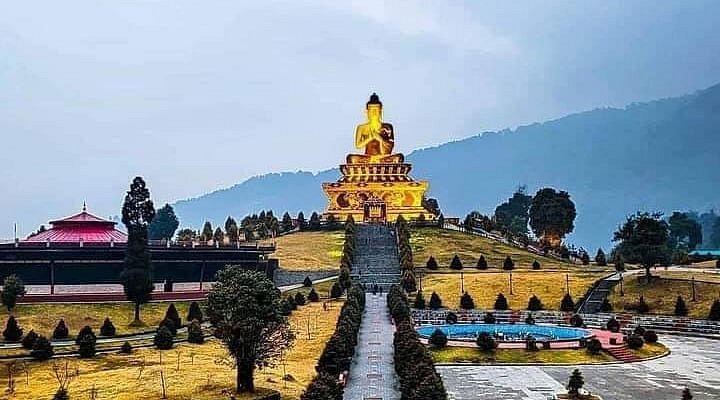
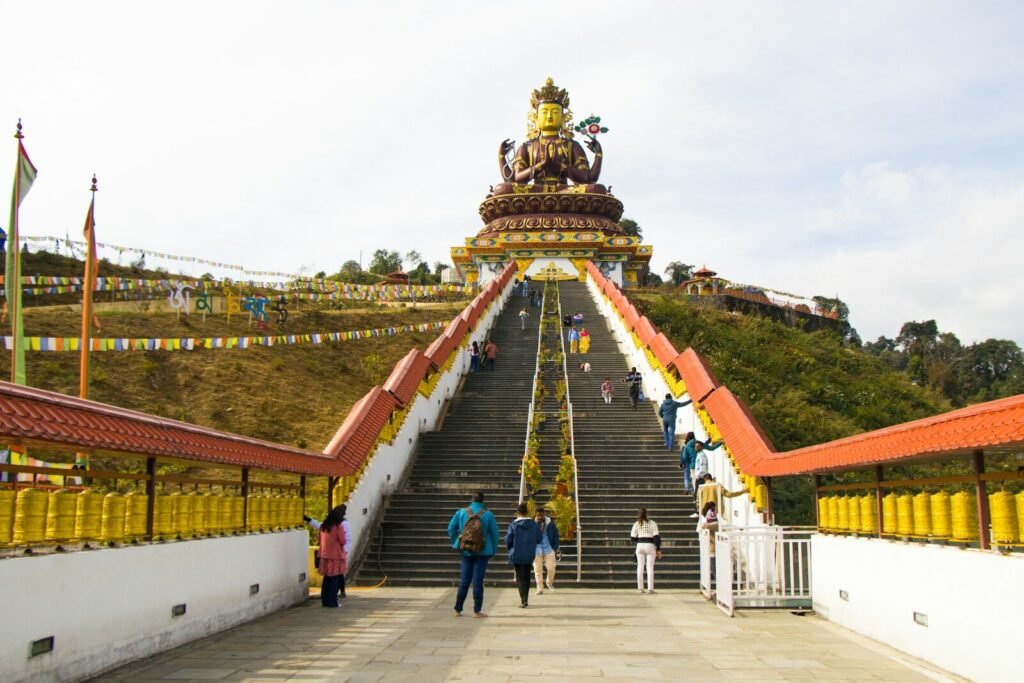
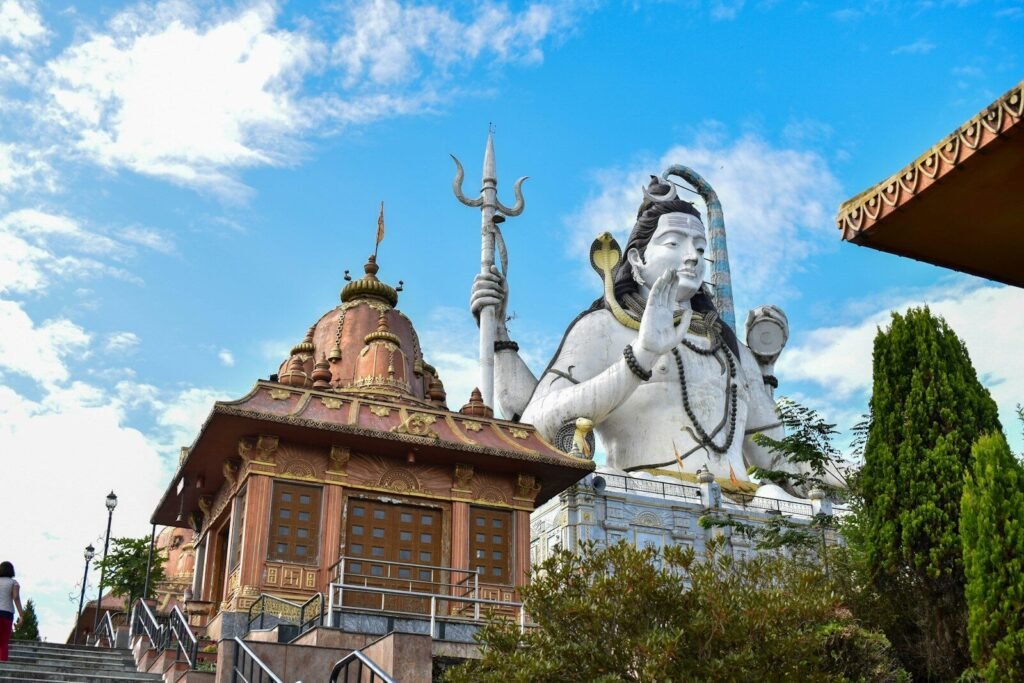
The Char Dham complex near Namchi (often referred to locally as Siddhesvara Dham) is a popular pilgrimage and sightseeing destination in South Sikkim. It combines religious replicas of India’s holy shrines with panoramic views of the Himalaya and nearby cultural attractions like the Samdruptse statue and Temi Tea Garden. Choosing the right time to visit affects weather, access, views of the mountains, and the overall travel experience. This guide explains the best seasons, what to expect each month, festival and sightseeing highlights, practical travel tips, and packing suggestions.
At a glance: best months
- Best overall: March to May (spring) and October to November (post‑monsoon/autumn)
- For clear mountain views and photography: October to November
- For fewer crowds and budget travel: December to February (winter), but expect cold)
- To avoid: June to August (monsoon) — heavy rain, slippery roads, possible landslides)
Why these months are best
Spring (March–May) brings comfortable daytime temperatures, budding rhododendrons and flowering trees, and generally stable weather for sightseeing and short treks. Road travel is easier than in the monsoon and visibility for views of the Himalaya is often good.
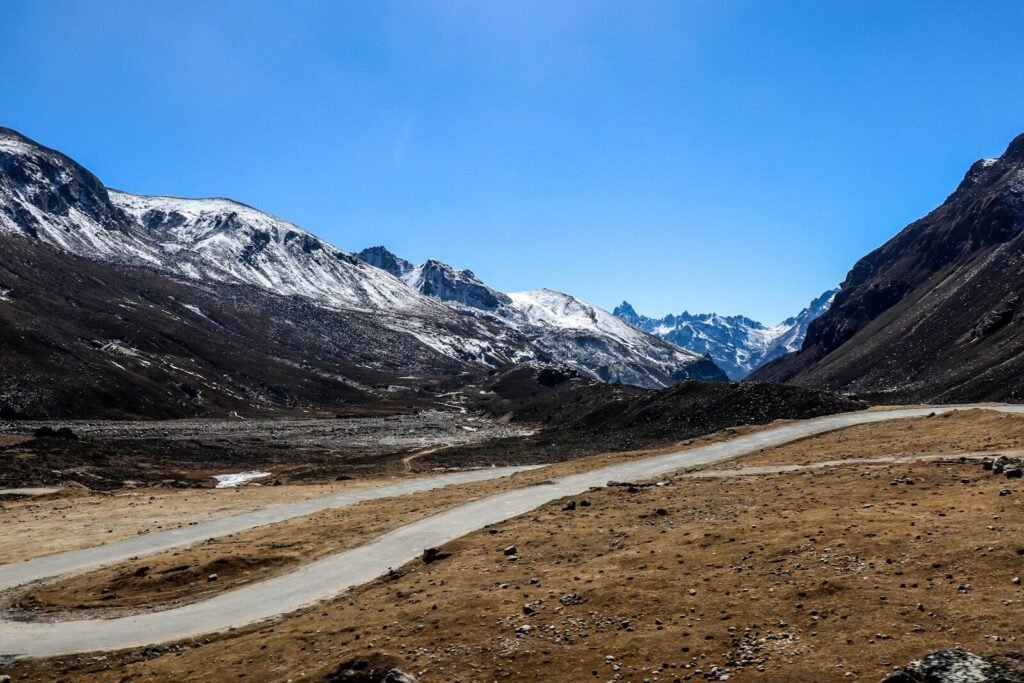
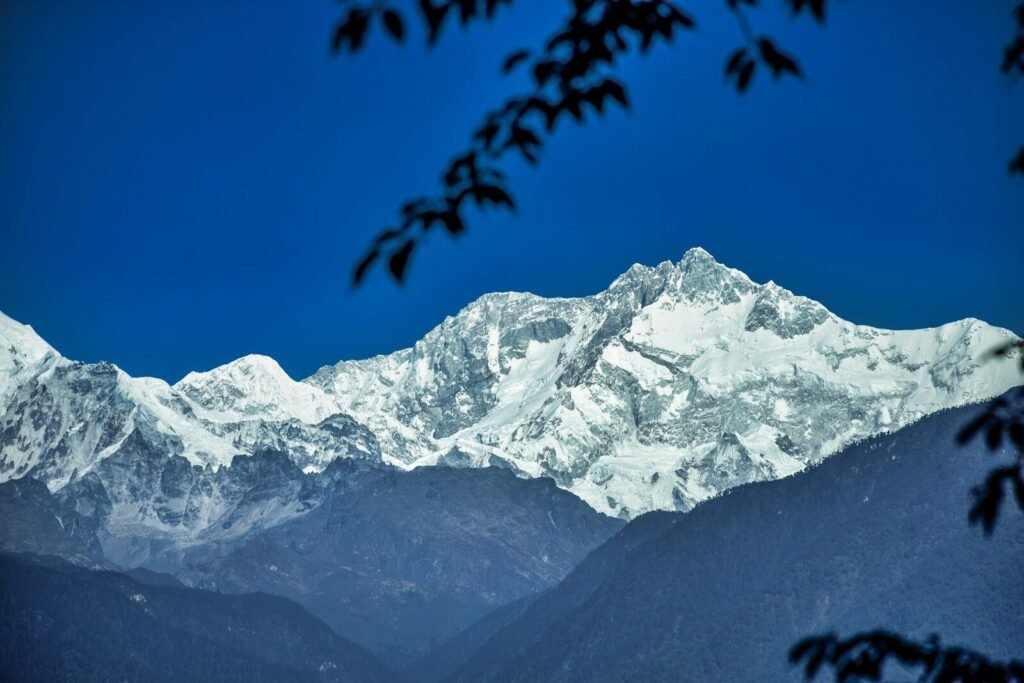
Autumn (October–November) follows the monsoon’s clearing of dust and haze — the air is crisp and visibility excellent, making it the prime time for panoramic mountain photographs and uninterrupted views of Kanchenjunga and surrounding peaks on clear days.
Month-by-month overview
March–May (Spring)
- Weather: Mild to warm days, cool nights; temperatures roughly between 10–22°C (approx.).
- Pros: Pleasant trekking and sightseeing weather, flowering landscapes, comfortable for outdoor activities.
- Cons: Popular period, so accommodations may fill up on weekends and holidays.
June–August (Monsoon)
- Weather: Heavy rainfall is common across Sikkim; humidity increases and trails/roads can be slippery.
- Pros: Lush green scenery and fewer tourists.
- Cons: Roadblocks and landslides are possible; some remote sites may be inaccessible — not ideal for a short trip focused on Char Dham.
September–November (Autumn & Post-monsoon)
- Weather: Clear skies, lower humidity, cool mornings and evenings.
- Pros: Best visibility for mountain vistas; ideal for photographers and cultural sightseeing.
- Cons: Popular with visitors — book stays in advance during peak festival times or holiday weekends.
December–February (Winter)
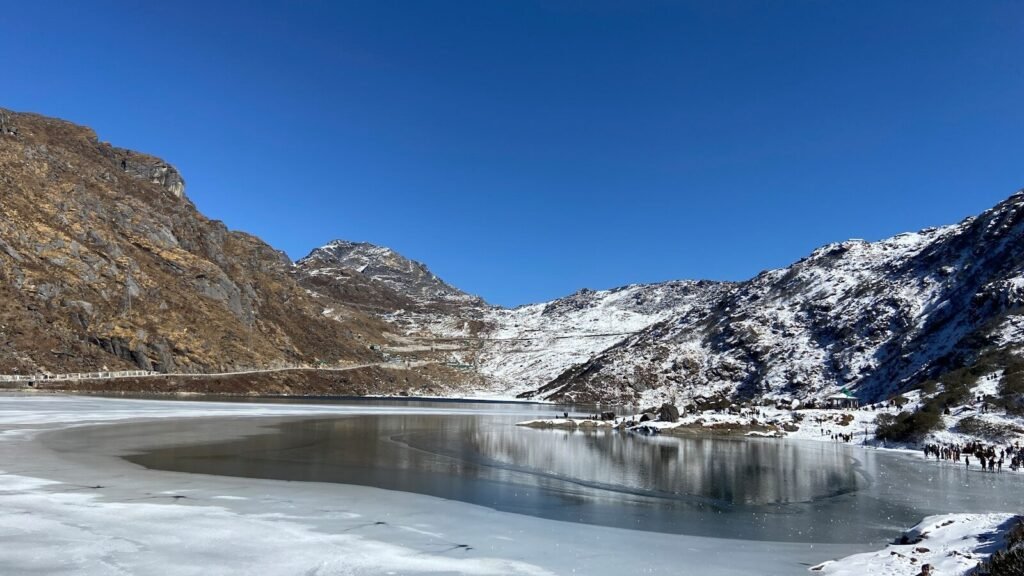
- Weather: Cold, especially at night; daytime sunshine can be pleasant on clear days but mornings are chilly. Higher surrounding points may see snow.
- Pros: Very few tourists, peaceful atmosphere, crisp skies that occasionally offer excellent views.
- Cons: Cold conditions require warmer clothing; some higher-altitude roads or attractions may be affected by snowfall.
Festivals and cultural highlights
Visiting during a local festival can enrich your experience, but it may also mean larger crowds and higher prices. Namchi and South Sikkim celebrate a mix of Nepali, Bhutia and Lepcha cultural events. If you prefer cultural immersion, try to time your visit to coincide with regional festivities — otherwise choose off‑peak weeks for quieter visits.
How to reach Char Dham, Namchi
- By air: The closest major airport is Bagdogra (near Siliguri). From there Namchi is a road drive of roughly 3.5–5 hours depending on traffic and road conditions.
- By rail: New Jalpaiguri (NJP) is the nearest major railhead; road travel from NJP to Namchi is similar to Bagdogra.
- By road: Namchi is well connected by motorable roads from Siliguri, Gangtok and other Sikkim towns. Allow extra time during monsoon season for slower travel.
- Permits: Indian nationals usually need valid photo ID. Foreign nationals should check current permit requirements for Sikkim (Protected/Inner Line Permit rules can change) before travel.
What to combine with a visit to Char Dham
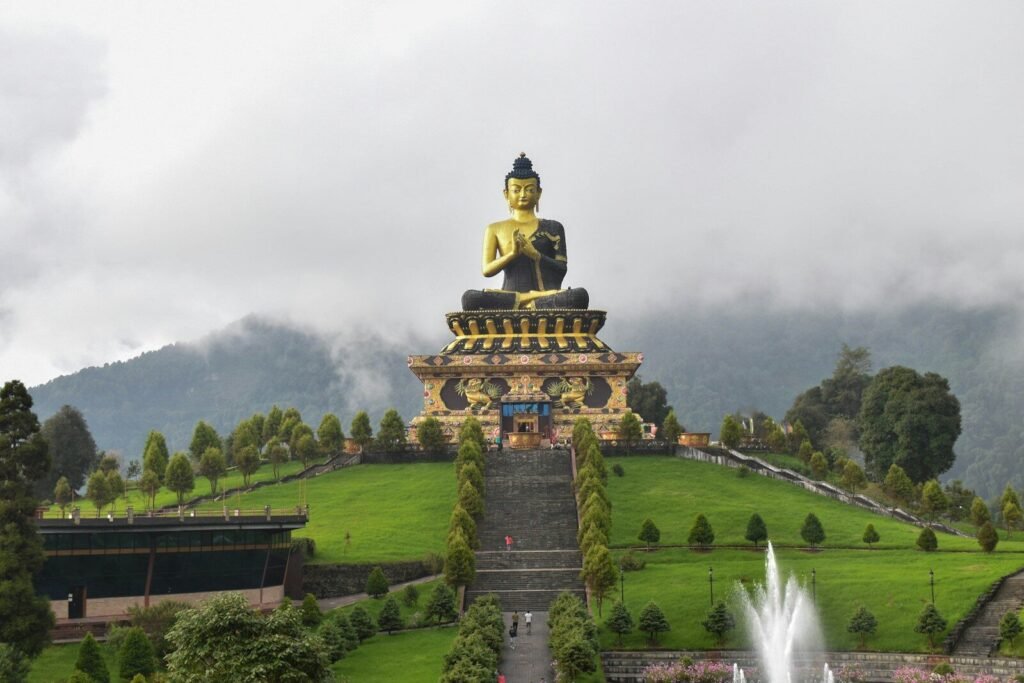
- Samdruptse (giant statue of Guru Rinpoche) — panoramic viewpoint near Namchi
- Temi Tea Garden — scenic tea estate with pleasant walks and tea tasting
- Ralang Monastery and other local monasteries — cultural and spiritual experiences
- Tendong Hill or Maenam Wildlife Sanctuary — short treks and nature spotting
How long to stay
- Half day to a full day is sufficient to see the Char Dham complex, do prayers/photography and visit the immediate viewpoints.
- 1–3 days if you want to combine Char Dham with Samdruptse, Temi Tea Garden, local markets and a relaxed pace to enjoy the scenery.
Practical tips and traveler advice
- Weather gear: Bring layered clothing — mornings and evenings can be cool even in summer. Include a warm jacket for spring/fall evenings and winter travel.
- Rain protection: Carry a light rain jacket and quick-dry clothing if you travel in shoulder monsoon months (May or September) — heavy monsoon months are best avoided.
- Footwear: Comfortable walking shoes with good grip; some areas have steps and uneven paths.
- Respect local customs: Modest dress is appreciated in religious places; remove shoes where required and follow any photo restrictions.
- Health and safety: Keep a basic first-aid kit and any personal medications; altitude is moderate in Namchi but if you plan higher treks be prepared for altitude changes.
- Road conditions: Sikkim roads are scenic but winding — allow extra travel time and prefer experienced local drivers if possible.
- Book ahead: During peak months (spring and autumn) and long holidays, reserve accommodation and any guided tours in advance.
Packing checklist (season-specific)
For spring/autumn
- Light layers, warm fleece/jacket for evenings
- Sun protection: hat, sunglasses, sunscreen
- Comfortable walking shoes and a small daypack
For winter
- Insulated jacket, thermal layers, gloves and warm hat
- Warm socks and sturdy shoes; hand warmers if you are sensitive to cold
For monsoon travel (not recommended for Char Dham-focused trips)
- Waterproof jacket, quick-dry clothes
- Plastic covers for electronics, good hiking sandals or shoes with grip
Final recommendations
If your primary goal is comfortable sightseeing, clear mountain views and pleasant weather, plan your visit between March–May or October–November. For solitude and a quieter pilgrimage experience, winter can work well if you are prepared for the cold. Avoid the monsoon season if you want reliable road travel and uninterrupted access to nearby attractions.
Plan travel time from the nearest airports/railheads with allowances for winding Himalayan roads, book accommodation in advance during peak months, and respect the local religious and cultural etiquette at Char Dham and nearby shrines. With the right season and preparation, Char Dham, Namchi offers a memorable mix of spiritual ambience, scenic vistas, and cultural richness.