Bhim Nala Falls, Lachung — Best Time to Visit (Tourism Guide)
Overview
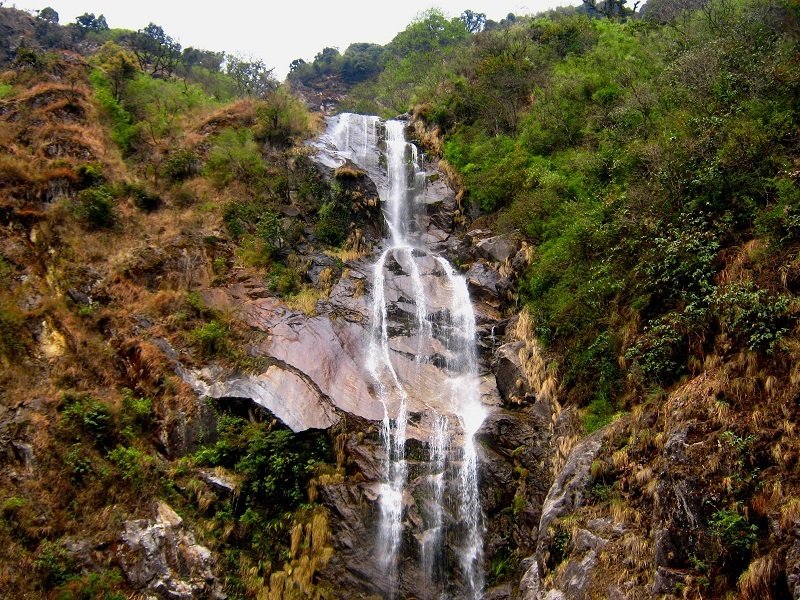
Bhim Nala Falls is a scenic waterfall near the mountain village of Lachung in North Sikkim, India. Carved by snowmelt and mountain streams, the falls offer dramatic cascades set against rhododendron-clad slopes and alpine meadows. For travelers interested in nature photography, short mountain treks and experiencing high-altitude Himalayan culture, Bhim Nala is an attractive stop on the Lachung–Yumthang circuit.
What “Best Time to Visit” Means Here
“Best time” for Bhim Nala depends on what you want: lush flows and flowers, clear panoramic views, or ice-and-snow landscapes. Accessibility, road safety, and local weather all influence when a visit is practical and rewarding.
Primary Seasons and How They Affect a Visit
- Spring (April–June): Often the best overall time. Snowmelt increases waterfall volume, rhododendrons and alpine flora bloom, and roads tend to be open with generally stable weather. Great for vivid landscapes and comfortable daytime temperatures.
- Monsoon (July–August): Heavy rains in the region can make mountain roads slippery and raise the risk of landslides. Waterfalls are powerful and dramatic, but travel disruption risk is higher — not generally recommended unless you have flexible plans and local updates.
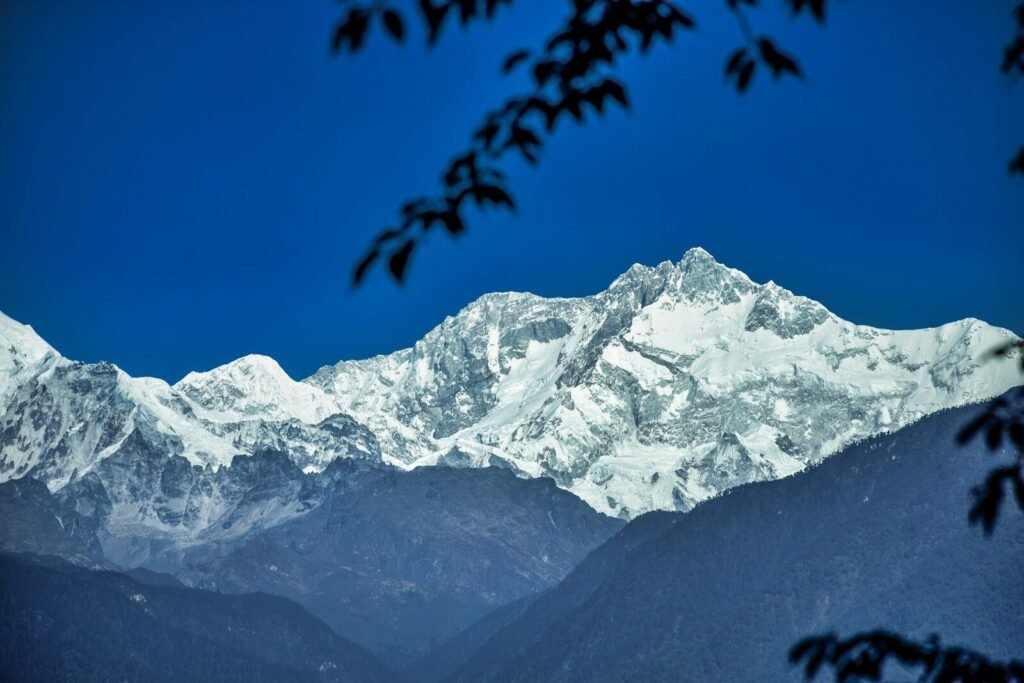
- Autumn (September–November): Clear skies, crisp air, and stable weather make autumn an excellent time for visibility and photography. Water flow is usually moderate; surrounding views and distant peaks are often spectacular.
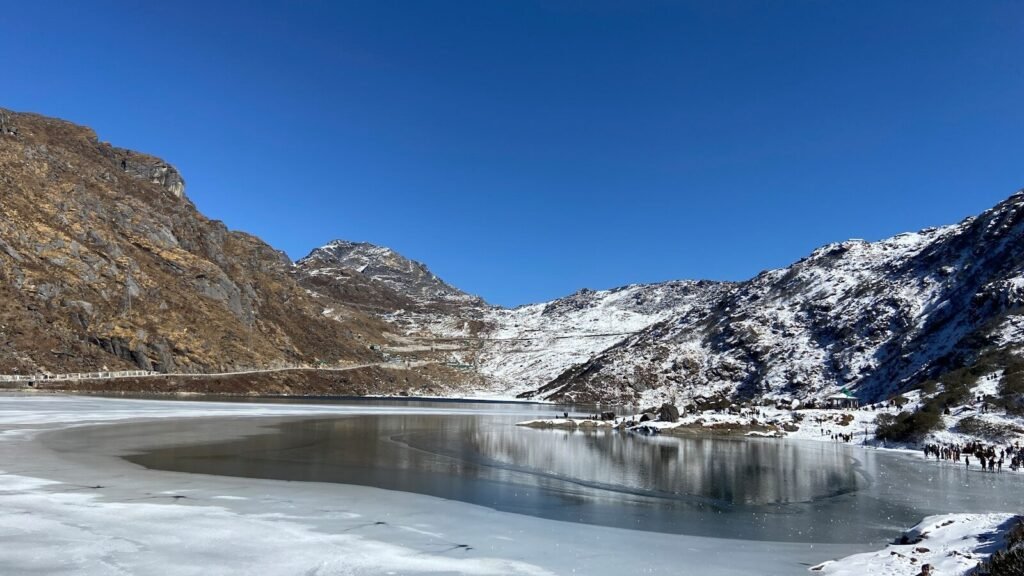
- Winter (December–February): Temperatures drop sharply and higher reaches may receive heavy snow. The falls can partially freeze into striking ice forms, but roads to Lachung or beyond may be closed and services limited. Visit only with confirmed road access and appropriate winter gear.
Month-by-Month Practical Guidance
March–May
Best for full waterfalls and flowering rhododendrons. Expect daytime cool-to-mild temperatures; nights still chilly. Roads and guest services are generally available.
June
Late spring to early summer: still very good for waterfalls; higher tourist numbers around school vacation times. Carry sun protection at altitude.
July–August
Monsoon months — dramatic streams but increased risk of landslides and road closures. Local conditions vary; check real-time updates before travel.
September–November
Excellent visibility and stable weather. Late autumn brings clear views of distant peaks; ideal for photography and day treks. Cooler nights as winter approaches.
December–February
Winter scenery with possible snow/ice at higher altitudes. Some attractions may be inaccessible; local transport and accommodation options are reduced. Only experienced and well-prepared travelers should attempt winter trips.
Accessibility and Travel Logistics
How to Reach Bhim Nala
- Most travelers reach North Sikkim via Gangtok, the state capital. From Gangtok, roads lead north through Mangan toward Lachung.
- Lachung serves as the practical base for Bhim Nala. From Lachung, the falls are reachable by a short local drive or a manageable walk/trek depending on the exact access path used that day.
- Road conditions can be variable: steep mountain stretches, narrow passes and occasional unpaved patches are common. Travel time is largely dependent on weather and road maintenance.
Permits and Regulations
Important: North Sikkim has permit rules that vary for Indian and foreign nationals and can change periodically. Generally:
- Indian nationals should carry valid photo ID; certain routes and high-altitude areas require registration with local authorities. Check with Sikkim Tourism or your tour operator.
- Foreign nationals typically require a Protected Area Permit (PAP) or similar authorization. These permits are processed through designated government channels or registered travel agents.
- Always verify permit requirements and documentation well before travel; checkpoints can be strict and travel limitations can apply seasonally.
Where to Stay and Eat
Lachung has basic guesthouses, homestays and small hotels with limited services — hot water may be intermittent and power outages possible. If you prefer more amenities, plan to stay in Gangtok or higher-end lodges booked in advance. Local eateries offer simple Sikkimese and Nepali dishes; carry snacks and water for day trips.
Recommended Accommodation Strategy
- Book in advance during peak spring and autumn months.
- Choose guesthouses in Lachung for early starts to Bhim Nala, Yumthang and nearby attractions.
- If traveling in winter or monsoon, confirm that the property is open and reachable.
Activities and What to Expect at Bhim Nala
- Short hikes and nature walks around the falls and valley slopes.
- Photography: waterfalls, river valleys, rhododendron forests in season; panoramic mountain vistas in autumn.
- Birdwatching and wildlife spotting — North Sikkim hosts several high-altitude species.
- Combine Bhim Nala with visits to Yumthang Valley, Lachung Monastery and local villages for cultural context.
Photography and Timing Tips
- Golden hours: Early morning and late afternoon offer the best light for landscape and waterfall shots.
- Long exposures: Use a tripod and neutral-density filter to capture silky water effects. Wind can be an issue — stabilize your tripod.
- Weather protection: Carry rain protection for camera gear, especially in monsoon and spring snowmelt seasons.
- Lenses: Wide-angle for landscapes, mid-telephoto for compressing valley views; a polarizer helps reduce glare on wet rocks and foliage.
Safety, Health and Packing
Safety Precautions
- Watch for slippery rocks and strong currents near the falls; do not attempt to swim.
- Mountain roads can be narrow and prone to landslides during heavy rain — travel with experienced local drivers and avoid night driving.
- Carry a basic first-aid kit and travel insurance that covers mountain travel if possible.
Health and Altitude
Lachung and surrounding valleys are at significant altitude. Allow time to acclimatize if you’re coming from low elevations. Stay hydrated, avoid excessive exertion on arrival, and be alert for symptoms of altitude sickness (headache, nausea, breathlessness). Descend and seek medical help if symptoms worsen.
Packing Checklist (Essentials)
- Warm layered clothing (temperatures drop after sunset)
- Waterproof jacket and sturdy trekking shoes
- Sunscreen, sunglasses and hat
- Camera, tripod and protective covers
- Personal medications, ID and permits
- Snacks and a refillable water bottle
Responsible Travel and Local Etiquette
Respect local culture and ecology. North Sikkim communities balance tourism with fragile mountain ecosystems:
- Carry out all non-biodegradable waste — leave no trace.
- Avoid disturbing wildlife and vegetation (do not pick flowers).
- Ask permission before photographing people or private property.
- Support local businesses — hire local guides and stay in community-run homestays where possible.
Sample Itineraries Focusing on Bhim Nala
Short Visit (Base: Lachung)
- Day 1: Arrive Lachung, acclimatize, short local walk.
- Day 2: Morning visit to Bhim Nala Falls, afternoon visit to nearby viewpoints or village walk.
- Day 3: Optional day trip to Yumthang Valley or depart toward Gangtok.
Photography-Focused (2–3 Days)
- Plan for sunrise and sunset sessions at the falls or nearby ridge lines.
- Use one day for a wider circuit — Yumthang, Lachung Monastery and local meadows.
- Allow contingency days for weather delays during the monsoon or winter shoulder seasons.
Final Recommendation — When to Visit Bhim Nala
If you want the best combination of accessible roads, strong waterfall flow, floral displays and comfortable weather, target April–June (spring) or September–November (autumn). Winter offers spectacular ice features but limited access; monsoon brings dramatic water volume but higher travel risk. Always check local road and permit updates, prepare for high-altitude conditions, and respect the fragile environment and communities that welcome visitors.
Useful Reminder
Local conditions and administrative rules can change. Before planning your trip, confirm current permit requirements, road status and accommodation availability with Sikkim Tourism, your tour operator or local authorities.