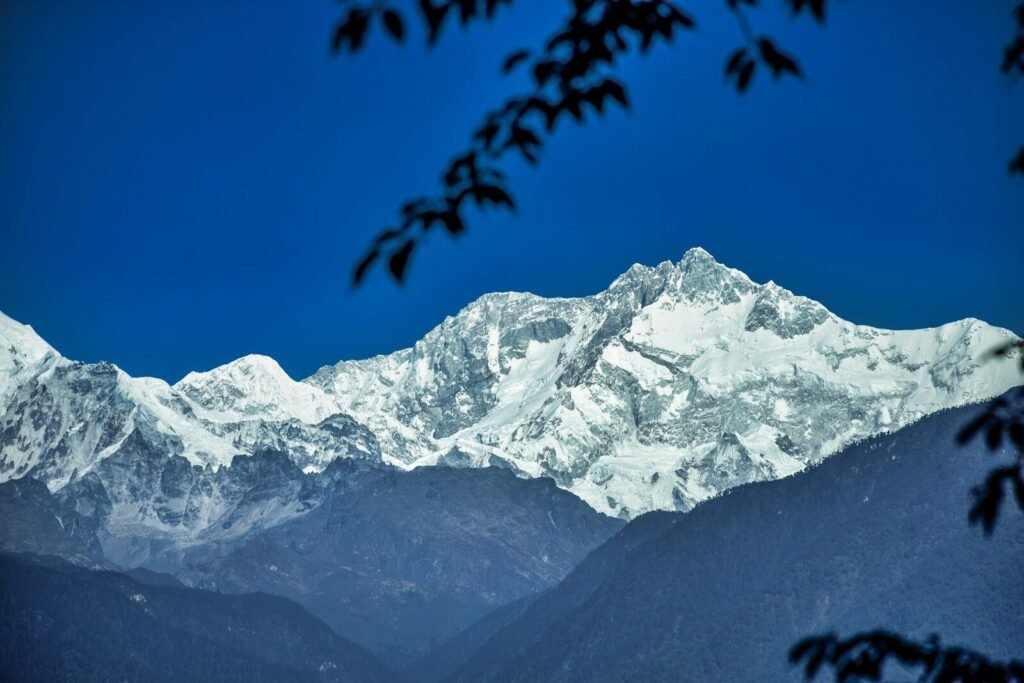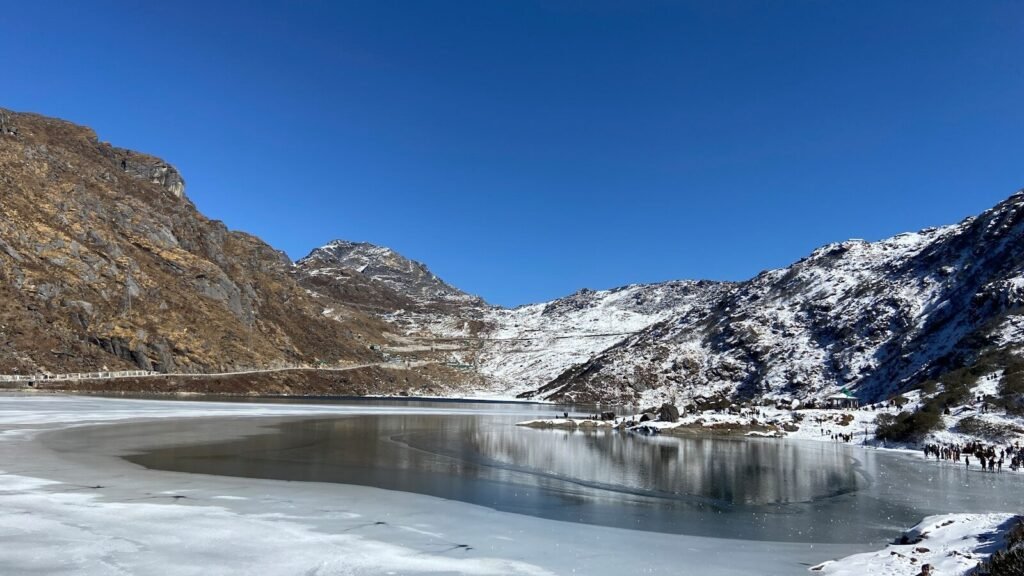
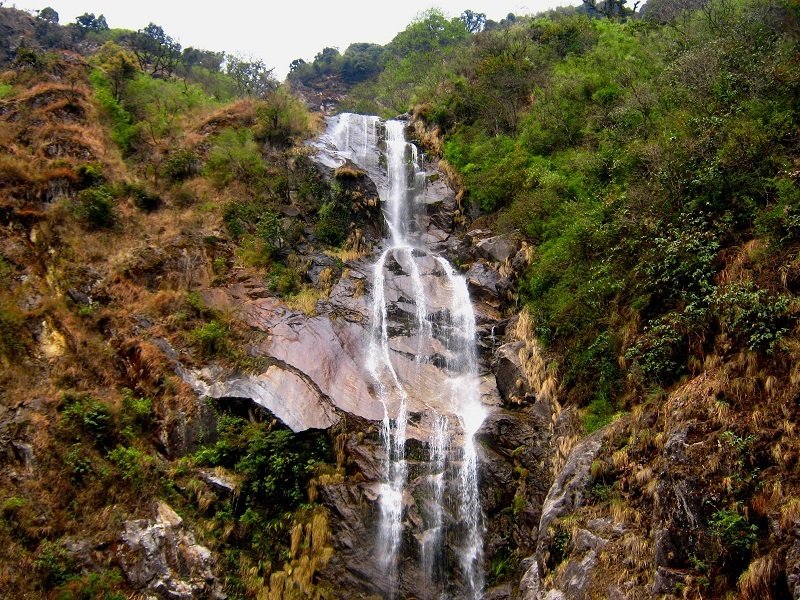
Nestled in the high valleys of North Sikkim, Bhim Nala Falls is a striking roadside cascade close to the mountain village of Lachung. While not the largest waterfall in the Himalaya, Bhim Nala has become an iconic visual landmark for visitors travelling to Yumthang Valley and other high-altitude attractions in North Sikkim. This article places the falls in its historical and cultural context and outlines practical guidance for visitors, with emphasis on responsible tourism.
Lachung lies in the upper reaches of the Lachen–Lachung valley system in North Sikkim, a region historically settled by Lepcha and Bhutia communities. The valley network and mountain passes historically connected Himalayan pastoral routes and small-scale trade links towards Tibet, while the harsh climate and high altitude shaped a distinct mountain lifestyle based on agriculture, yak and sheep rearing, and seasonal transhumance.
The name “Bhim Nala” itself evokes Indian epic imagery — Bhim being one of the Pandava brothers from the Mahabharata — and local traditions sometimes attach mythical explanations to striking landscape features. There is no single verified historical record that ties the falls to a specific epic episode; instead, the name and associated stories should be understood as part of the region’s oral and folk traditions, which blend Buddhist, indigenous Lepcha beliefs and pan-Indian narratives.
For much of its history the Lachung region remained remote and oriented around local needs. In the 20th century, improvements in roads and government attention to Sikkim’s infrastructure — together with the growth of interest in Himalayan scenery — transformed Lachung into a staging point for tourists visiting high-altitude meadows and hot springs. As visitor numbers rose, easily accessible features such as Bhim Nala Falls became popular stops for photographs, short walks and picnics. This transformation is part of a wider pattern across the Indian Himalayan states, where natural sites quickly acquire new recreational and economic roles once regular road access is established.
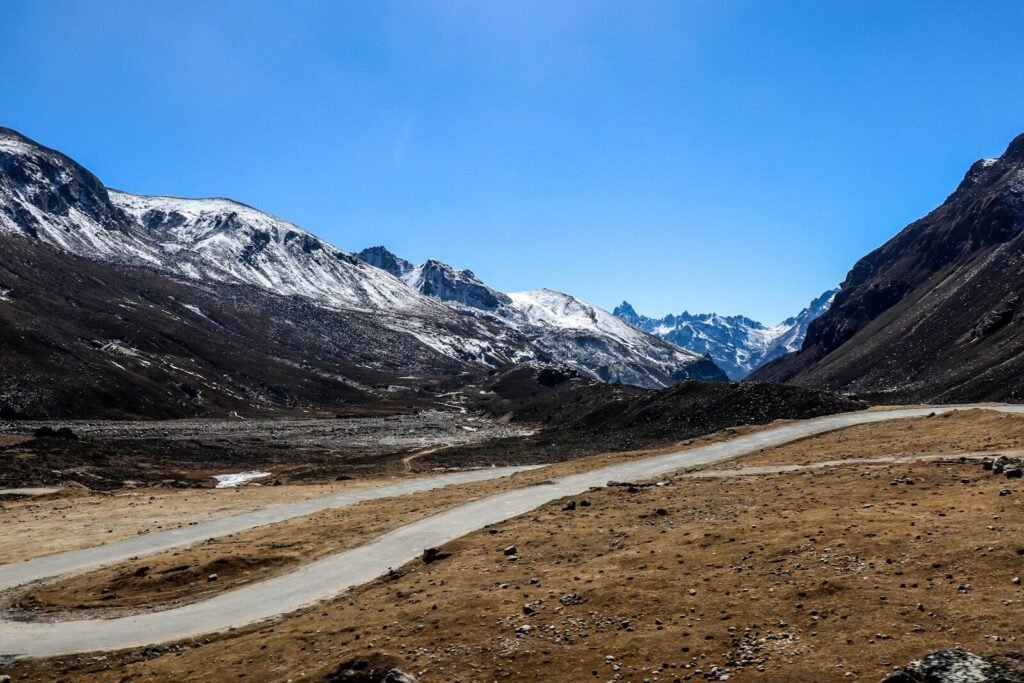
Bhim Nala Falls is located close to the village of Lachung and is commonly visited en route to popular destinations such as Yumthang Valley and Zero Point. Lachung itself is reached by road from Gangtok and other major towns of Sikkim; the drive to Lachung is scenic but winding and may take several hours depending on road conditions.
The best windows to visit are generally:
Winters bring heavy snow and road closures in parts of North Sikkim; the falls may be partly frozen or inaccessible. Monsoon months (July–August) can bring unpredictable rains and landslide risk in the broader region — check local conditions.
North Sikkim enjoys special administrative status and entry to certain high-altitude areas may require permits. The precise permit rules differentiate between Indian nationals and foreign visitors and have been updated periodically.
Lachung offers guesthouses, small hotels and homestays; facilities are basic compared with lowland towns but sufficient for most visitors. Food and fuel supplies may be limited at times, particularly in the off-season; plan accordingly.
The expansion of tourism brings economic opportunity but also environmental pressure. Promoting sustainable practices is essential to preserve the fragile Himalayan environment and the cultural integrity of mountain communities.
Bhim Nala Falls is an accessible and memorable natural feature in the North Sikkim landscape. Its appeal lies not only in the cascade itself but in the broader cultural and ecological setting of Lachung and the high Himalayan valleys. For travellers, the falls provide a rewarding stop that combines scenic beauty with insights into mountain life — provided visits are planned thoughtfully, with attention to safety, local rules and environmental stewardship.
Permit rules, road conditions and weather can change quickly in high mountains. Always confirm current information with Sikkim tourism offices, local guesthouses or your tour operator before you set out.
What makes us different from other tour package companies
Our travel experts have core and intense knowledge about Sikkim sector with over 10 years of experience that will help you choose the best possible itinerary as per your requirements.
Our travel experts are just one call away during your tour to help you with any kind of immediate assistance so that your tour is a more enjoyable and hassle-free tour.
eSikkimTourPackages ensures best rates to all our esteemed guests since we have our own hotels and fleet of vehicles and drivers and there is no third-party involvement. This ensures personalized service and best rates.
























Kindly enter the details below for your Sikkim Tour Package