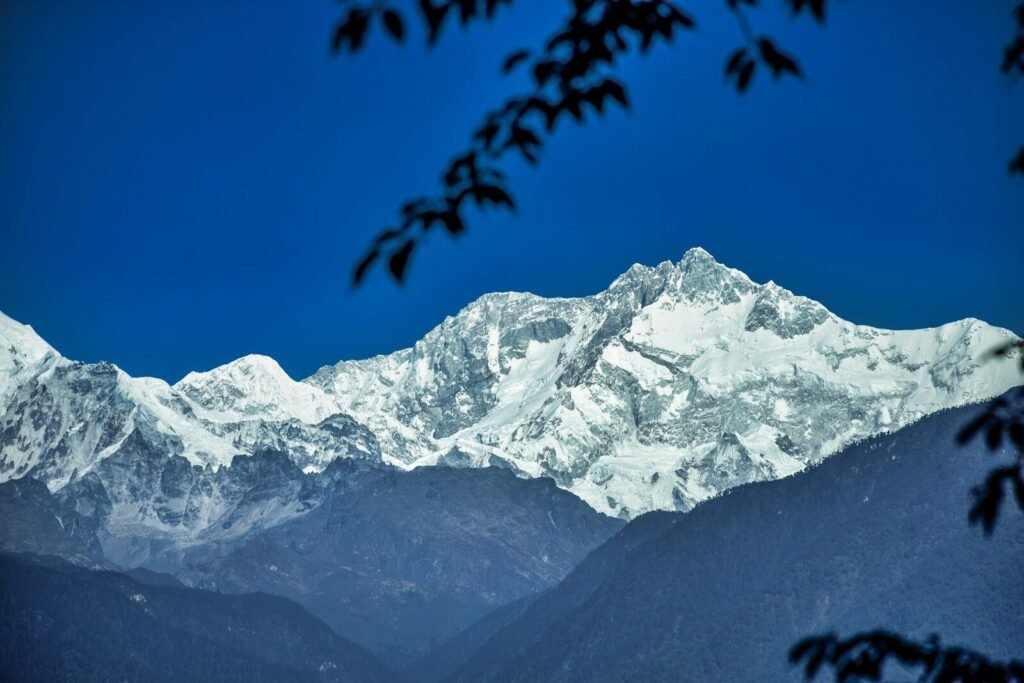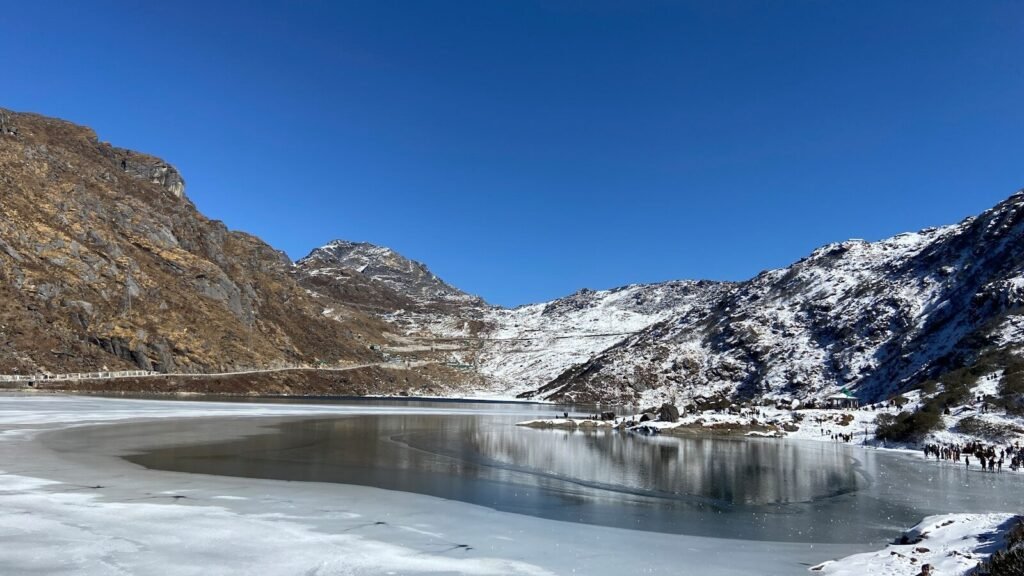
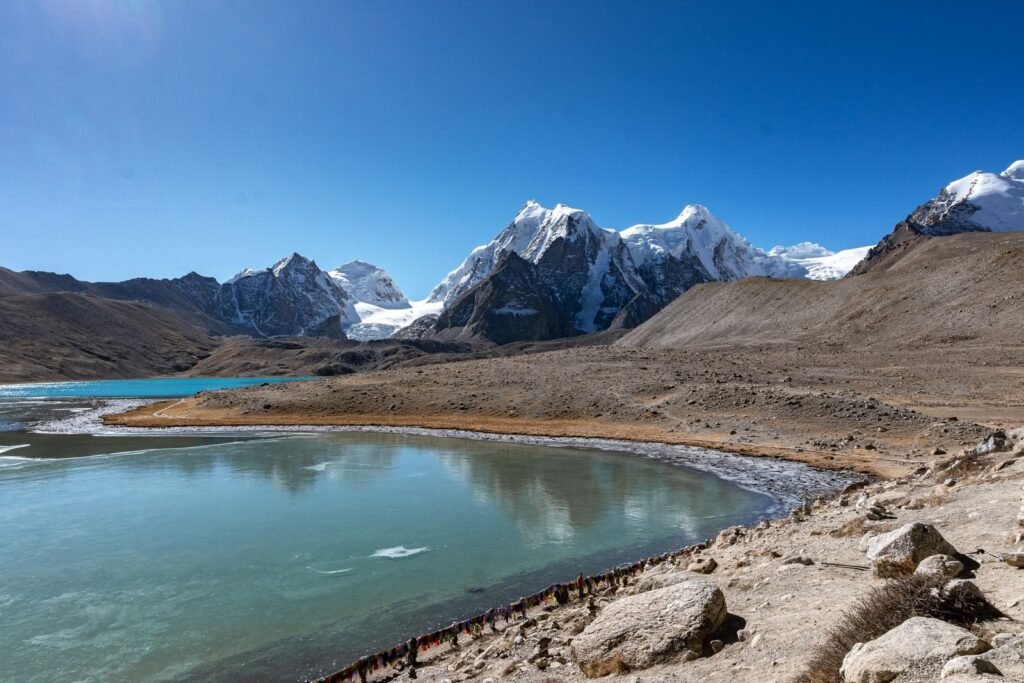
Yumthang Valley, commonly called the “Valley of Flowers,” is one of North Sikkim’s most celebrated high‑altitude meadows. Set in the shadow of the eastern Himalaya and reached via the mountain village of Lachung, Yumthang has evolved from a seasonal grazing ground and local pilgrimage area into an internationally known tourist destination. This article traces the valley’s natural and human history and places that history in the context of tourism, conservation and local livelihoods.
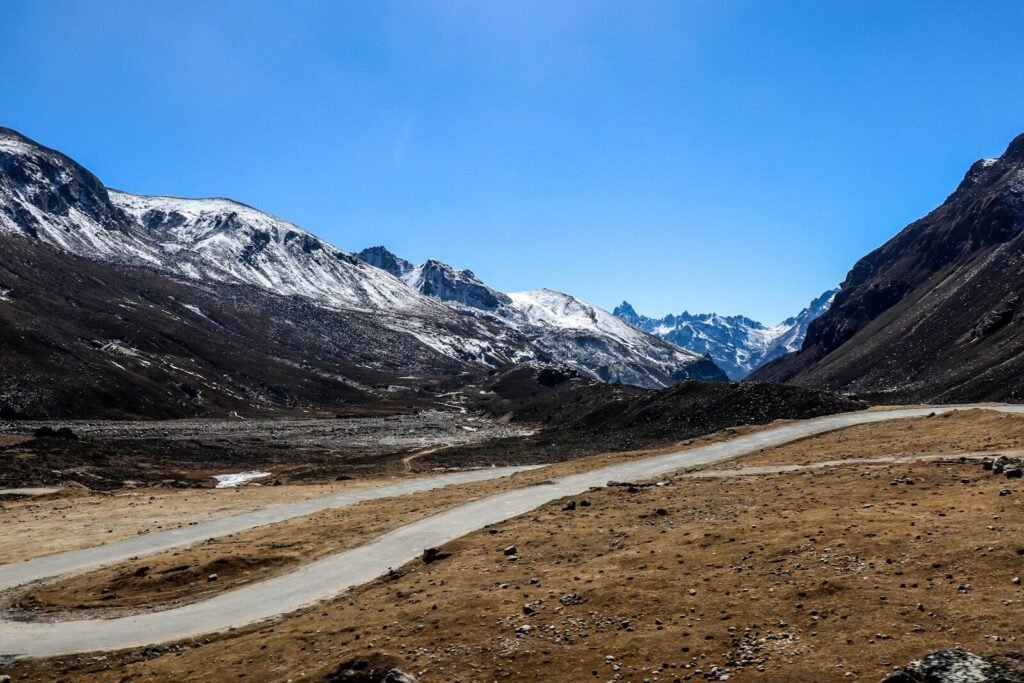
Yumthang is a glacial valley at high elevation (approximately 3,564 meters or roughly 11,600–11,800 feet), formed by the action of ancient and modern glaciers carving the Himalayan slopes. The valley opens into broad alpine meadows, intersected by streams and fed by meltwater. Its landscape—meadows, moraines, and ridges—creates the seasonal spectacle of flowering meadows in spring and summer and a snow‑bound wonderland in winter.
The greater Lachung–Lachen region—including Yumthang—has long been used by indigenous mountain communities as pasture land and as part of trans‑Himalayan movement routes. The human history of the area is shaped by three principal cultural groups:
For centuries the high valleys served as seasonal yak and sheep pastures and as staging points on local trade paths linking valley settlements and, historically, routes toward Tibet. Buddhist monasteries and chortens in and around Lachung and Lachen bear witness to the spiritual and cultural practices that shaped valley life.
The modern political history of Sikkim—once an independent Himalayan kingdom under the Chogyal dynasty—affected access and administration of northern valleys. With the mid‑20th century realignments and Sikkim’s eventual integration into the Indian Union in 1975, administrative control, road development and outreach to remote areas changed markedly. Over the late 20th century improved roads and vehicle access opened Yumthang and Lachung to visitors, transforming what had been primarily pastoral and local pilgrimage spaces into destinations for travelers.
Yumthang and the adjacent protected tracts (including the area commonly referred to as the Shingba Rhododendron Sanctuary) host an extraordinary alpine flora. In spring and early summer the meadows burst into color with rhododendrons, primulas, poppies, irises and myriad alpine herbs and orchids. The seasonal bloom attracts botanists, naturalists and photographers and has been central to the valley’s tourism identity.
Wildlife in the surrounding mountains includes species adapted to alpine environments: small mammals and birds, and in the wider North Sikkim landscape species such as Himalayan musk deer and several threatened cold‑adapted animals. The fragile ecology and limited growing season underline the valley’s sensitivity to human pressure.
The transformation of Yumthang into a tourism hotspot is a product of several interlinked developments:
By the early 21st century the valley had become a regular stop on North Sikkim itineraries, alongside attractions such as the high‑altitude Zero Point (Yumesamdong) and the hot springs near Yumthang.
Best seasons: The most popular time to visit is spring to early summer (April to June) when alpine flowers bloom. Autumn (September–November) is also favored for clear skies and mountain views. Winters bring heavy snow and much of the route is closed or only accessible to well‑equipped expeditions.
Visitor facilities and infrastructure: Lachung serves as the principal staging village for Yumthang, offering guesthouses, small hotels and basic services. At Yumthang itself facilities are limited and mostly seasonal—simple tea stalls, toilets and basic seating during the peak season. Hot springs nearby are a traditional draw.
Permits and regulations: Parts of North Sikkim are in a restricted area and special permits are required for visitors. These are administered by state or central authorities—foreign nationals typically require a Protected Area Permit (PAP) or Inner Line Permit for certain zones, while domestic tourists may need permits issued locally. Permits serve both security and conservation purposes.
Health and safety: Acclimatization is essential—altitude sickness is a risk when gaining elevation quickly. Visitors should plan gradual ascents, stay hydrated and limit exertion during the first 24–48 hours at higher elevation. Weather can change rapidly; appropriate clothing and contingency plans are necessary.
Yumthang’s history as a living landscape—used by pastoralists, protected in local custom, and now visited by tourists—frames current debates about sustainability. Key themes include:
Local organizations, community leaders and government agencies have increasingly promoted low‑impact tourism models: guided walks, regulated parking and seasonal restrictions that aim to balance economic benefit with ecological protection.
Yumthang Valley’s history is a layered story of geology, pastoral culture and modern tourism. Once a seasonal pasture and a quiet shrine of alpine life, it has become an iconic destination celebrated for its botanical spectacle. That popularity brings benefits to local communities but also responsibility: protecting the valley’s fragile ecology and cultural character is essential if future generations are to experience the same vivid springs and quiet Himalayan beauty. For visitors, understanding Yumthang’s history and abiding by sustainable practices helps keep this high‑altitude meadow a living landscape rather than a visited relic.
What makes us different from other tour package companies
Our travel experts have core and intense knowledge about Sikkim sector with over 10 years of experience that will help you choose the best possible itinerary as per your requirements.
Our travel experts are just one call away during your tour to help you with any kind of immediate assistance so that your tour is a more enjoyable and hassle-free tour.
eSikkimTourPackages ensures best rates to all our esteemed guests since we have our own hotels and fleet of vehicles and drivers and there is no third-party involvement. This ensures personalized service and best rates.
















Kindly enter the details below for your Sikkim Tour Package