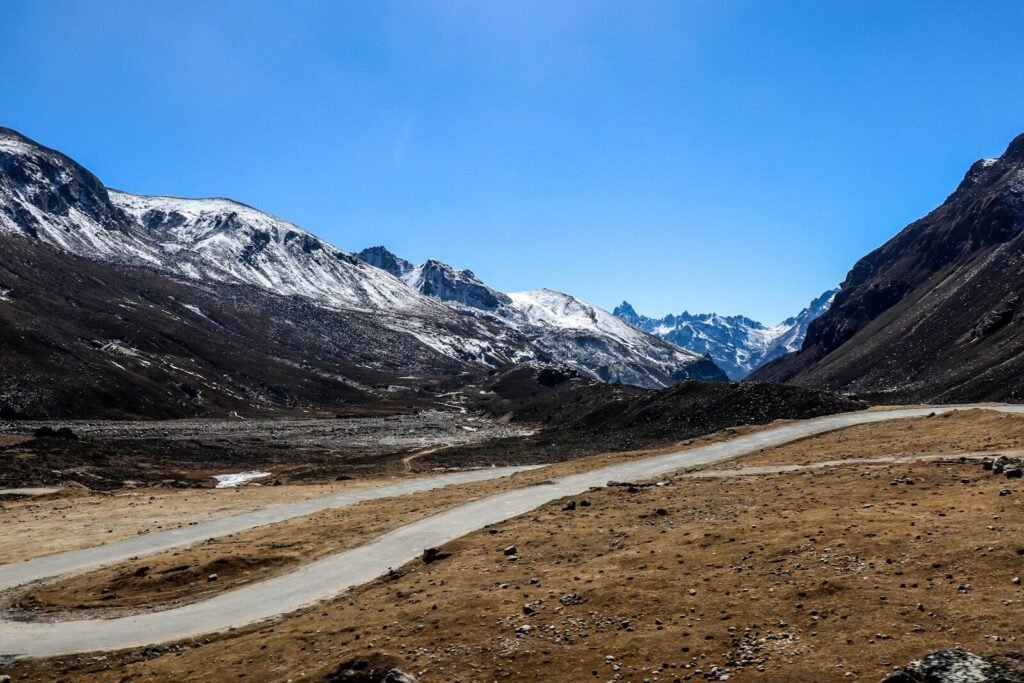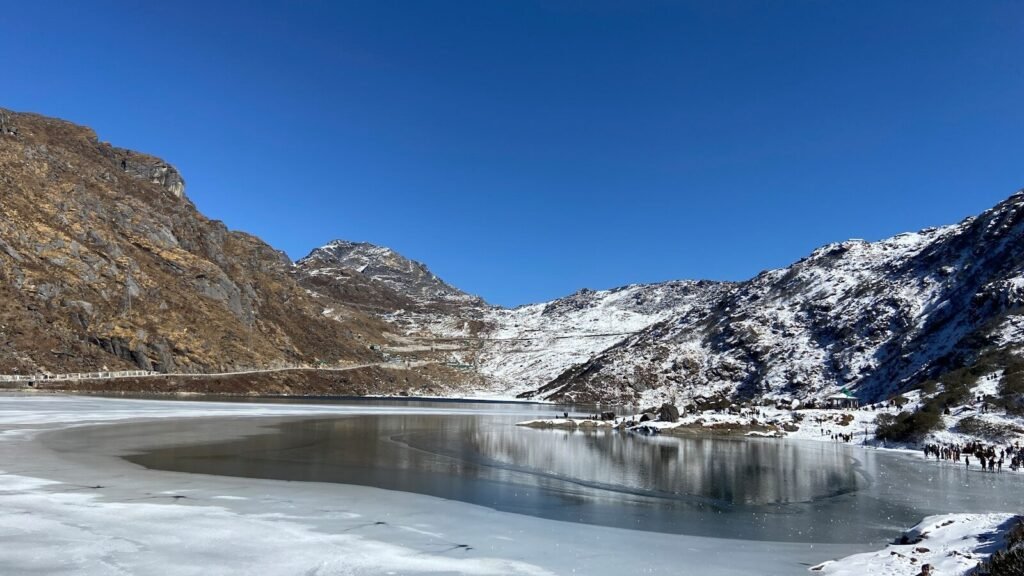
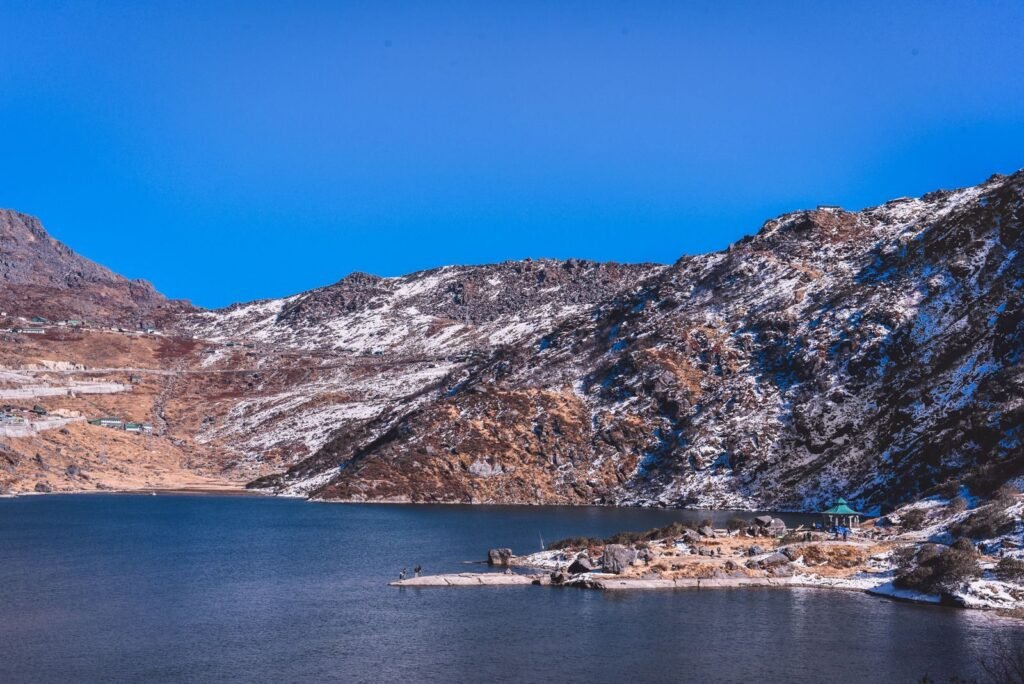
Overview: Tsomgo Lake, also called Changu Lake, is a high-altitude glacial lake near Gangtok in East Sikkim. It is a popular day-trip for tourists to Gangtok because of its scenic beauty, cultural significance, and proximity to other Himalayan attractions. Below are detailed FAQs to help you plan a safe and enjoyable visit.
Tsomgo means “source of water” in the local language. The lake is considered sacred by the local people and has cultural and religious importance. It is also an important freshwater ecosystem supporting local wildlife and seasonal birdlife.
The lake is roughly 40 km from Gangtok by road. Travel time is usually 1.5–2.5 hours each way depending on vehicle, road conditions, traffic and weather. Mountain roads are winding and narrow, and delays are common during poor weather or maintenance work.
Generally the lake is accessible year-round, but access can be restricted or closed temporarily due to heavy snowfall (winter), landslides (monsoon) or government orders. Always check local conditions and official advisories before travel.
Yes. Tsomgo Lake lies in a sensitive border region and access is regulated. Visitors must obtain the required permits before visiting. Permits are often arranged by registered tour operators or issued at the Tourism/Police office in Gangtok. Requirements and procedures can change, so confirm current rules with Sikkim Tourism or your tour operator.
Foreign nationals usually require additional documentation or Protected Area Permits (PAP) to visit certain restricted areas in Sikkim. While Tsomgo is commonly accessible to foreigners with proper permits, restrictions may apply and access to nearby border areas (for example Nathula) is more tightly controlled. Check with Sikkim Tourism or the Ministry of Home Affairs guidelines well in advance.
Yes, there are typically entry fees, parking charges and/or nominal fees for cameras. Fees are collected by local authorities and can change; exact amounts depend on your status (Indian/foreign) and vehicle. Your tour operator will usually include these in the package.
Yes. The lake is high altitude (≈3,750 m), and some visitors may experience acute mountain sickness (AMS). Common symptoms include headache, nausea, dizziness and shortness of breath. Take these precautions:
Temperatures can be near freezing or below in winter, and quite chilly even in summer mornings and evenings. Recommended clothing:
Most visitors go by private taxi or as part of a guided tour arranged from Gangtok. Public transport is limited. Organised day tours typically include permits, driver, fuel and a guide. If driving yourself, check vehicle suitability and road conditions first.
Roads are mountain roads—narrow, steep and sometimes uneven. Regular sedans are commonly used, but a high-clearance vehicle is preferable during wet or snowy conditions. Winter driving requires experience with snow/ice. Always confirm insurance and driver experience with your operator.
Common activities include:
Boating is generally not a regular offering; do not assume water activities will be available. Always respect local rules and avoid disturbing wildlife.
Facilities are basic and seasonal: there are small stalls selling tea/snacks and souvenirs, and basic public toilets near the lake area. Do not rely on modern conveniences—carry water, snacks and tissues. Mobile connectivity may be intermittent.
A typical organized visit from Gangtok is half a day (including travel time) — expect 4–6 hours. If you plan to include Nathula Pass or other nearby sights, allow a full day or more and ensure you have the required permits.
Yes. The lake is culturally important—be respectful of local customs and religious sentiments. Environmental guidelines include:
Drones are generally restricted in border areas and sensitive zones. Operating a drone without explicit permission can attract penalties. Seek clarification and permits from local authorities before planning to use a drone.
Popular nearby sites often combined with a Tsomgo visit include:
Mountain weather is unpredictable. If the road is closed due to snow, landslide or official orders, reschedule if possible. Have flexible plans, travel insurance that covers such disruptions, and consider alternative sightseeing options in lower-altitude Gangtok until conditions improve.
Families can visit, but be cautious with young children and infants because of altitude. Parents should monitor children closely for signs of altitude discomfort and avoid prolonged physical exertion. Discuss any health concerns with a pediatrician before travel.
Tsomgo Lake is a striking high-altitude destination offering scenic beauty and cultural interest. Because it lies in a strategically sensitive zone, regulations and facilities can change. Always verify current permit rules, opening status and safety advisories with official sources or trusted tour operators in Gangtok before making firm plans.
Safe travels: Respect local rules, take altitude precautions, and enjoy the unique beauty of Tsomgo Lake.
What makes us different from other tour package companies
Our travel experts have core and intense knowledge about Sikkim sector with over 10 years of experience that will help you choose the best possible itinerary as per your requirements.
Our travel experts are just one call away during your tour to help you with any kind of immediate assistance so that your tour is a more enjoyable and hassle-free tour.
eSikkimTourPackages ensures best rates to all our esteemed guests since we have our own hotels and fleet of vehicles and drivers and there is no third-party involvement. This ensures personalized service and best rates.














Kindly enter the details below for your Sikkim Tour Package