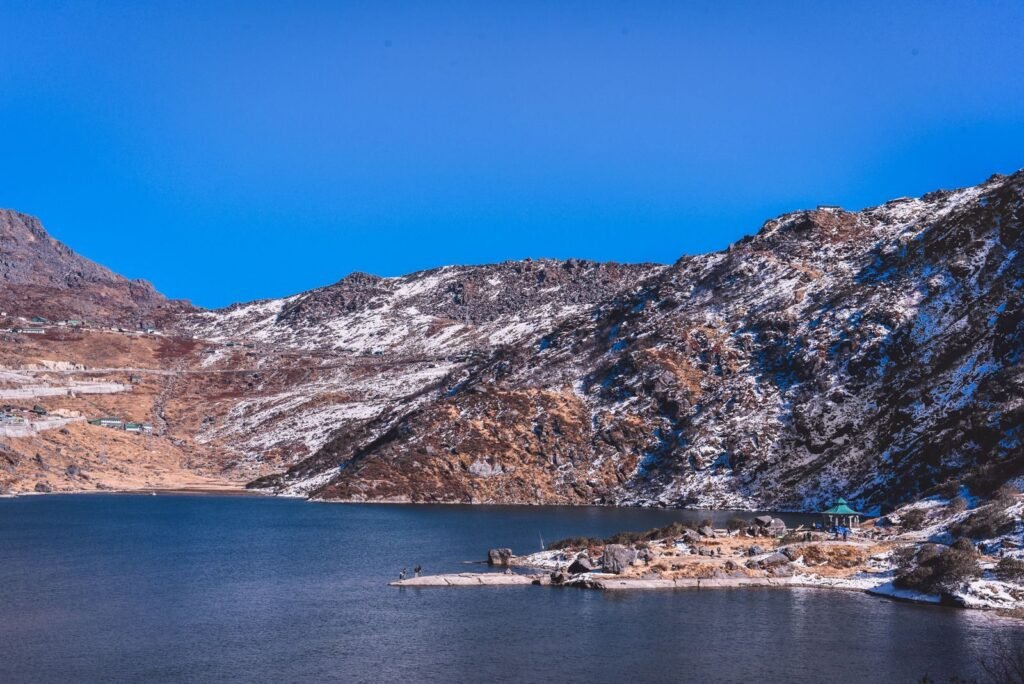
Tsomgo Lake

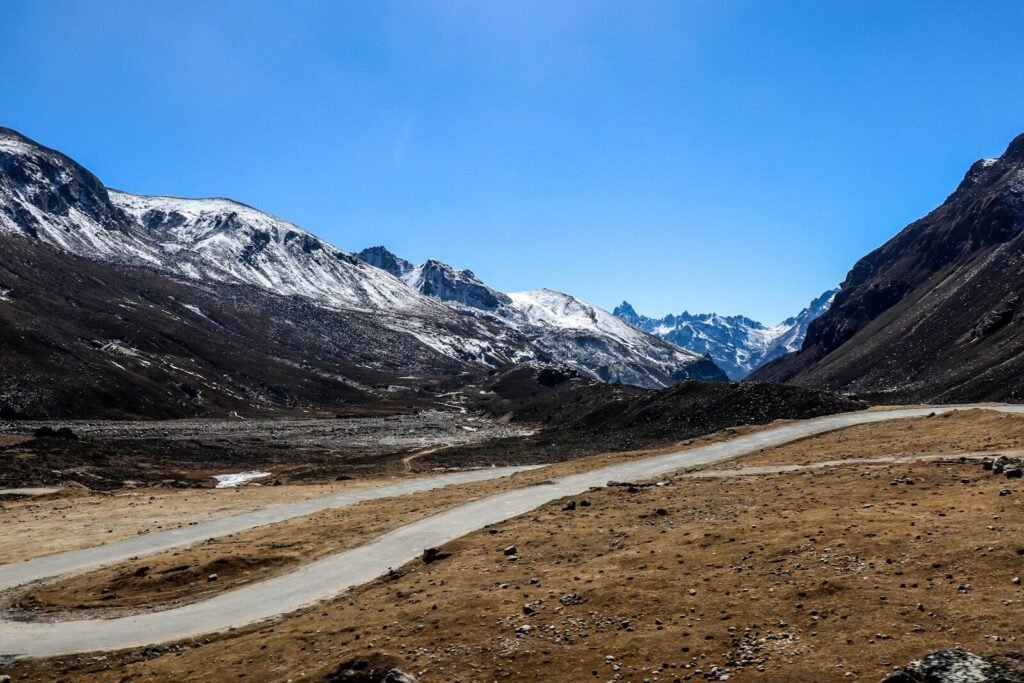
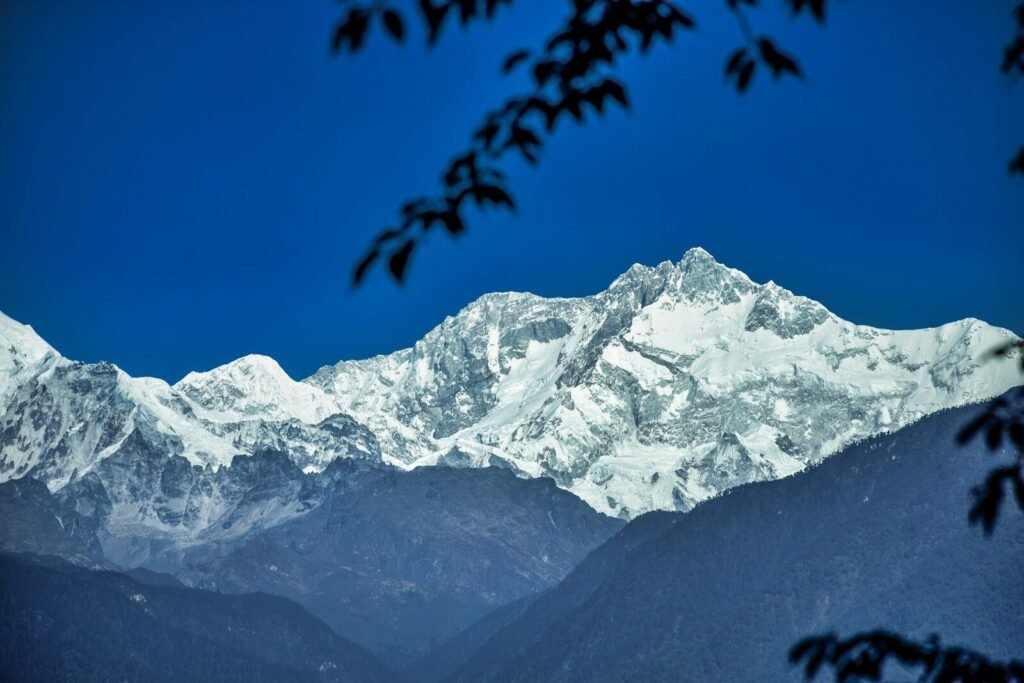
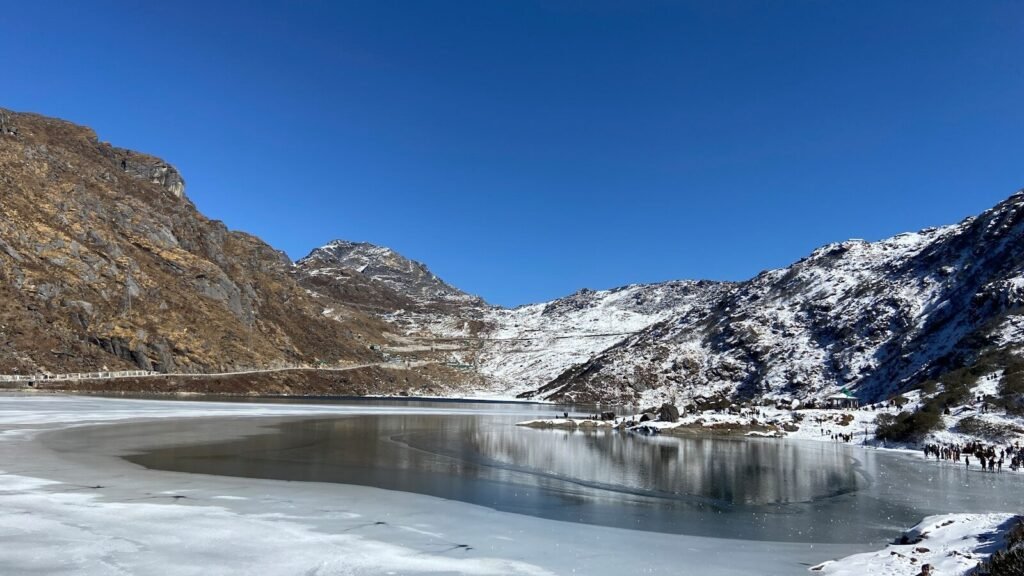
Scenic view of snow-covered mountains and lake in Gangtok, India. Perfect for nature lovers.

Best time to visit

Best Time to Visit Tsomgo Lake (Changu Lake), Gangtok — A Tourism Guide

Tsomgo Lake (also called Changu Lake) is a glacial lake situated at an altitude of about 3,753 metres (12,313 ft) in East Sikkim, approximately 40 km from Gangtok. Revered for its clear blue waters, surrounding rhododendron-clad slopes and dramatic Himalayan views, it is one of the most popular day-trip destinations from Gangtok. Understanding the seasonal variations and practical considerations will help you choose the ideal time to visit and make the most of your trip.

At-a-glance: Seasonal Summary

  • Best overall months: Mid-March to May (spring) and mid-September to November (autumn)
  • For snow and a frozen lake: December to February (winter)
  • To avoid travel disruptions: Avoid the monsoon months, June to August

Why season matters at Tsomgo Lake

Tsomgo is high-altitude and weather-sensitive. Visibility, road conditions, accessibility and the lake’s character change with the seasons. Your choice of month will determine whether you experience bright, mirror-like water, deep snow and ice, or heavy cloud and rain. Altitude effects also intensify in colder months, so plan acclimatisation accordingly.

Spring (Mid-March to May) — Best overall

Why go: Comfortable daytime temperatures, clear skies, flowering rhododendrons on the slopes and excellent visibility to the surrounding peaks. The lake is thawing from winter but is usually open and photogenic.

  • Daytime temperatures: cool to pleasant (about 5–15 °C).
  • Crowds: moderate; peak season begins in April–May.
  • Ideal for: nature photography, short hikes nearby, yak rides and enjoying scenic views.

Autumn (Mid-September to November) — Equally excellent

Why go: Post-monsoon clears the skies, humidity drops and the air is crisp with excellent visibility. Autumn brings stable weather and colourful landscapes.

  • Daytime temperatures: cool (about 5–12 °C).
  • Crowds: moderate; festivals in Sikkim can increase visitors in late October/November.
  • Ideal for: clear panoramic photography, wildlife spotting and comfortable sightseeing.

Winter (December to February) — For snow lovers

Why go: If you want to see the lake partially or fully frozen and enjoy heavy snow in the surrounding highlands, winter offers a dramatic, pristine experience.

  • Temperatures: often below freezing at the lake; nights are very cold.
  • Accessibility: roads can be icy; some days the lake may be inaccessible due to snow or temporary closures.
  • Ideal for: photographers seeking snow scenes and travellers prepared for cold, high-altitude conditions.

Monsoon (June to August) — Not recommended

Why avoid: Heavy rainfall, landslides, slippery roads and persistent cloud cover reduce visibility and increase travel risk. Lakeside views are often obscured and many roads are temporarily disrupted.

  • Rainfall: high; frequent landslide risk on mountain routes.
  • Suitability: best avoided unless you are an experienced traveller prepared for unpredictability.

Month-by-month quick guide

  • January–February: Very cold; possible frozen lake and snow. Good for winter landscapes but limited accessibility.
  • March–April: Warming up; great rhododendron blooms start. One of the best windows to visit.
  • May–early June: Pleasant weather early May; later May starts to humidify as monsoon approaches.
  • June–August: Monsoon — heavy rain and landslide risk. Not recommended.
  • September–October: Clear skies and stable weather — ideal for visitors.
  • November: Cool, crisp and clear; quieter than peak months.
  • December: Cold with chances of snowfall at higher altitudes; the lake may partially freeze.

Practical travel considerations

Acclimatisation and health

Tsomgo Lake lies at high altitude. Spend at least 24–48 hours in Gangtok (1,650 m) to acclimatise before ascending. Symptoms of altitude sickness include headache, nausea, dizziness, and breathlessness. Move slowly, stay well-hydrated, avoid alcohol, and consult a doctor if symptoms worsen. Carry basic medicines and consider travel insurance that covers high-altitude medical evacuation.

Permits and regulations

Permits: Rules change from time to time. Indian nationals should carry a valid government-issued photo ID. Foreign nationals historically require a Restricted Area/Protected Area Permit to visit certain parts of East Sikkim; these permits are usually arranged through authorities in Gangtok. Nathu La has stricter controls and is open only with special permits which are not always available to tourists. Before you travel, check current local regulations and obtain any required permits through your hotel, tour operator or the Gangtok authorities.

How to reach Tsomgo Lake

  • From Gangtok: road distance ~40 km; typical driving time 1.5–3 hours depending on road conditions and traffic.
  • Most visitors take a guided day tour from Gangtok; private taxis are widely available.
  • Road conditions can be poor during monsoon and winter; hire experienced drivers familiar with mountain roads.

Recommended itineraries

  • Half-day trip from Gangtok: Depart early, visit Tsomgo Lake, have tea/short walk, return to Gangtok by late afternoon. Suitable if you’re short on time.
  • Full-day excursion: Combine Tsomgo Lake with Baba Harbhajan Singh Mandir and (subject to permit and availability) Nathu La pass. Pack warm clothes and snacks; expect stops for photography and short walks.
  • Multi-day Sikkim circuit: Use Tsomgo as part of a broader Sikkim itinerary that includes Rumtek Monastery, Tashi Viewpoint and local cultural experiences in Gangtok.

Packing and gear recommendations

  • Clothing: Layered clothing — thermal base, fleece, windproof/waterproof shell. Winters require heavy insulated jackets, gloves and warm hats.
  • Footwear: Sturdy, warm shoes with good grip; avoid thin-soled footwear on icy paths.
  • Essentials: Sunglasses, sunscreen (high-altitude UV), water bottle, personal medicines, basic first-aid, snacks.
  • Photography gear: Wide-angle lens for landscapes, polarising filter to reduce glare, extra batteries (cold drains batteries faster).

Photography and best times of day

Early morning and late afternoon offer the best light and calmer winds, often producing mirror-like reflections on the lake. Midday light can be harsh; nevertheless clear days give excellent visibility to surrounding peaks. In winter, frost and snow give dramatic monochrome scenes — bring protection against condensation when taking gear from cold to warm environments.

Local rules, safety and etiquette

  • Respect local customs and the pristine environment — do not litter, avoid feeding wildlife and follow signboards and directives from local authorities.
  • Keep to marked paths; slopes can be unstable.
  • Be cautious about yak rides and local vendors — agree prices in advance and check animal welfare if concerned.

Nearby attractions to combine with your visit

  • Baba Harbhajan Singh Mandir — a nearby shrine with local history and views.
  • Nathu La Pass — an international border pass (requires special permits; open intermittently).
  • Rumtek Monastery and Gangtok city sights — monasteries, markets and viewpoints.

Final recommendations

If you want the most comfortable, reliable experience with great scenery: plan your visit for mid-March to May or mid-September to November. If you specifically want snow and a frozen lake, aim for December through February but be prepared for cold, possible road closures and limited services. Avoid the monsoon months unless you are prepared for rain-related disruptions.

Quick checklist before you go
  • Check current permit requirements and obtain necessary permits in Gangtok.
  • Allow 24–48 hours for acclimatisation in Gangtok.
  • Check weather and road conditions for the day of travel.
  • Carry warm layers, sun protection and basic medical supplies.
  • Use a local, experienced driver or organised tour for safety on mountain roads.

Tsomgo Lake rewards visitors with striking alpine scenery and a sense of remote Himalayan calm. Choose your season to match the experience you want — blooming slopes and clear views in spring and autumn, or a pristine snowy lake in winter — and plan carefully for altitude, permits and road conditions to make your visit safe and memorable.

Get Instant Call Back​

Which places do you want to explore in North-East?
Kindly share your above details to get Travel Plan PDF within 30 seconds on your mobile
Please wait while we are preparing customized quotes as per your requirement.

Why Choose us ?

What makes us different from other tour package companies

Best Travel Experts

Our travel experts have core and intense knowledge about Sikkim sector with over 10 years of experience that will help you choose the best possible itinerary as per your requirements.

24 X 7 On-Trip Assistance

Our travel experts are just one call away during your tour to help you with any kind of immediate assistance so that your tour is a more enjoyable and hassle-free tour.

Best Rate Guarantee

eSikkimTourPackages ensures best rates to all our esteemed guests since we have our own hotels and fleet of vehicles and drivers and there is no third-party involvement. This ensures personalized service and best rates.


Sikkim Tour Packages by Theme

Sikkim Tour From Popular Cities

Limited period offer – Sikkim tour packages at flat 50% discount. Inquire now!

Kindly enter the details below for your Sikkim Tour Package
Loading, please wait . .. ... ....