Best Time to Visit Thangu Valley and Lachen — A Practical Tourism Guide
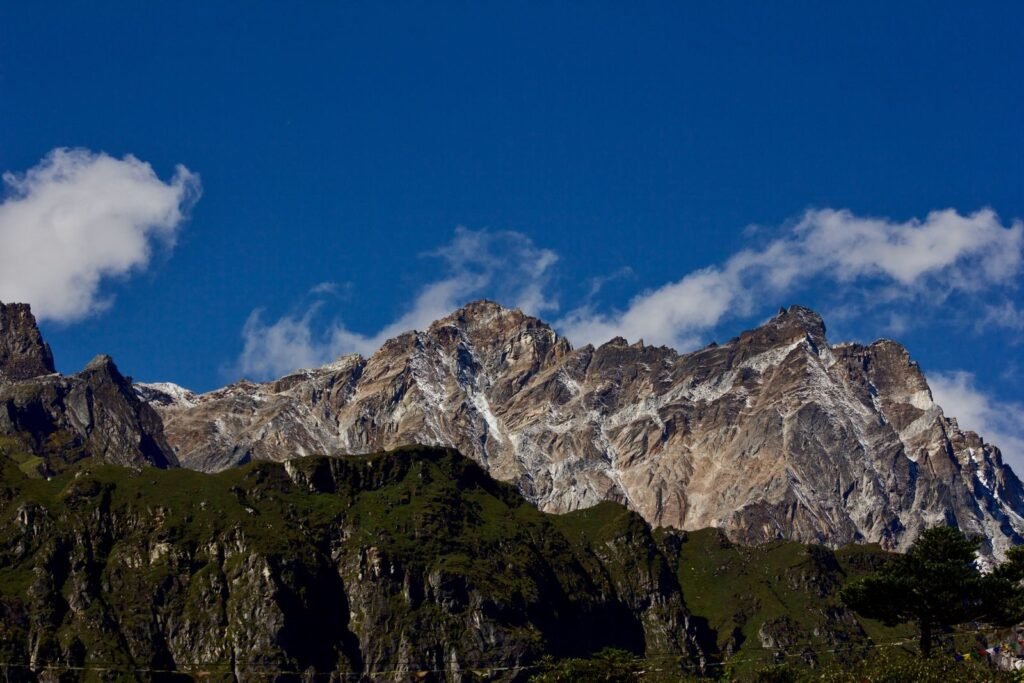
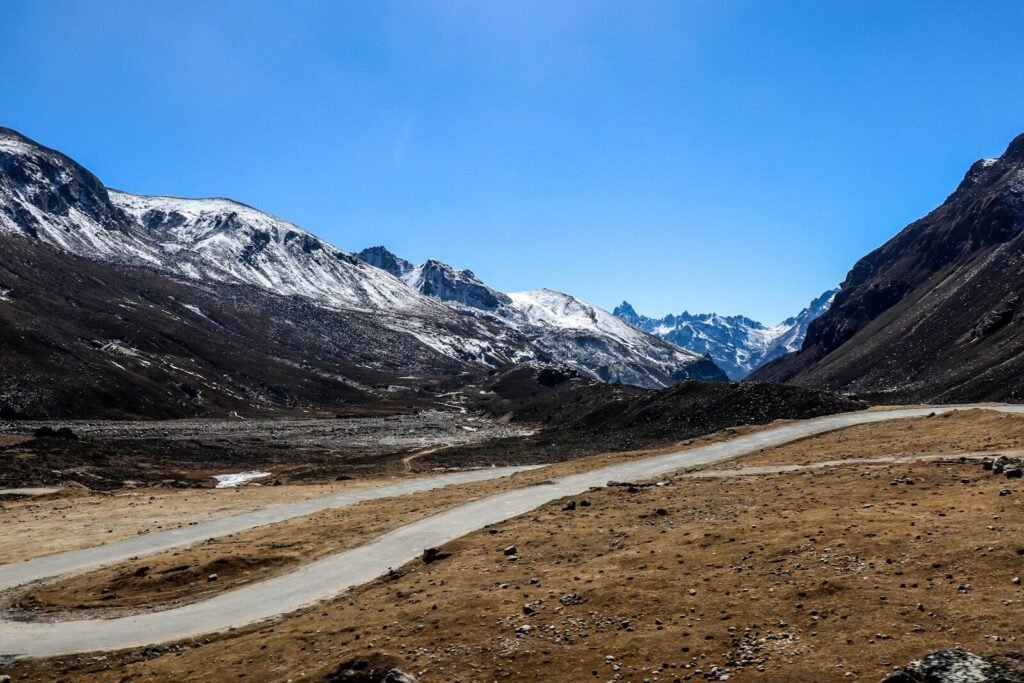
Thangu Valley and Lachen lie in North Sikkim, India, offering dramatic high-altitude landscapes, alpine meadows, and access to iconic places such as Gurudongmar Lake and Chopta Valley. Choosing the right time to visit is essential: roads, weather, scenery, and activities change dramatically with the seasons. This guide outlines the best months to travel, seasonal highlights, practical advice on permits, transport, health, packing, and responsible-travel tips.
Quick Facts
- Location: North Sikkim (near Lachen), India
- Approx. altitude: Lachen ~2,750 m (9,000 ft); Thangu ~3,280 m (10,750 ft)
- Typical access window: Mid-April/May to October (varies by year)
- Primary attractions: Thangu Valley (alpine meadows), Chopta Valley, Gurudongmar Lake, mountain views, rhododendron blooms
- Permits: Required for travel into North Sikkim — check current rules for Indian and foreign nationals
Climate Overview and Seasonal Breakdown
Thangu and Lachen are high-elevation areas with alpine climate characteristics: cold winters, a short growing season, and rapid weather changes. Road access is the main factor determining the best time to visit.
Spring (March – May)
Pros: Gradual warming, early rhododendron blooms at lower elevations, fewer tourists in March–April.
Cons: Higher passes may still have snow; nights are cold; some roads may be intermittently blocked early in the season.
- March–April: still chilly at night, daytime temperatures rising; snow can linger in shaded areas.
- Late April–May: many roads open; alpine flowers begin to appear; favorable conditions for travel and photography.
Summer (June – August)
Pros: Lush valleys, full alpine bloom in June (rhododendrons and alpine flowers), clearer access to nearby high-altitude lakes in early summer.
Cons: Monsoon typically starts in June and continues through September in Sikkim; landslides and road disruptions can occur, though North Sikkim is often less affected than the south.
Autumn (September – November)
Pros: Often the best overall travel window — stable weather, clear skies, excellent mountain views, and pleasant daytime temperatures. Late September and October are usually ideal for photography and high-altitude visits.
Cons: Night temperatures start falling in late October; by November some higher routes begin closing for winter.
Winter (December – February)
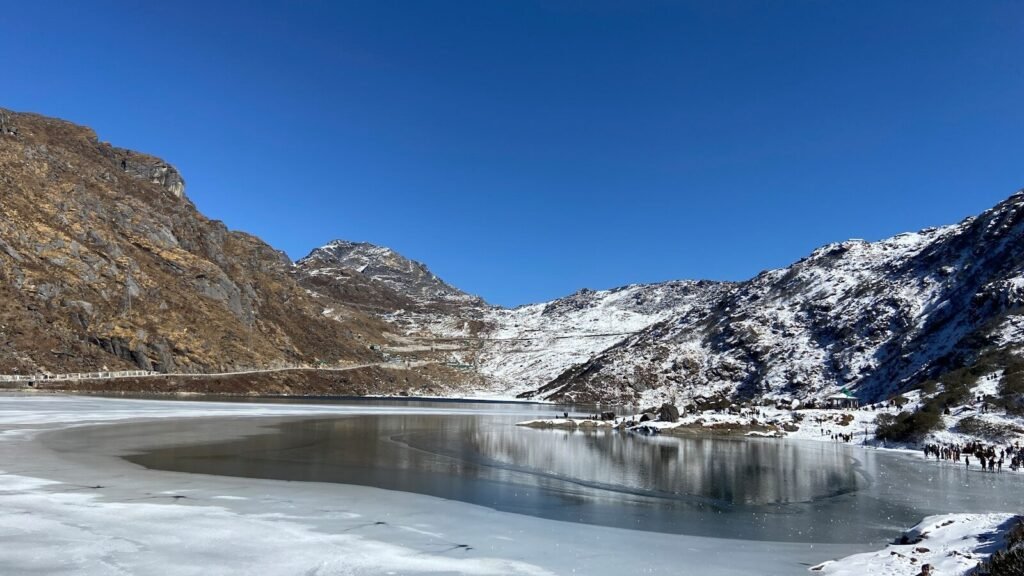
Pros: Snow-covered landscapes offer a dramatic, pristine experience for experienced travelers. Very few tourists — solitude and frozen lakes are possible.
Cons: Extremely cold temperatures (sub-zero common; can reach -20°C or below at higher elevations), heavy snow often blocks roads, most tourist facilities shut, travel can be risky or impossible.
When Is the Best Time to Visit?
Overall, the best time to visit Thangu Valley and Lachen is mid-April / May through October, with two peak windows:
- May–June: Early summer, great for flowers, snow still visible on peaks, roads are typically open before heavy monsoon rains.
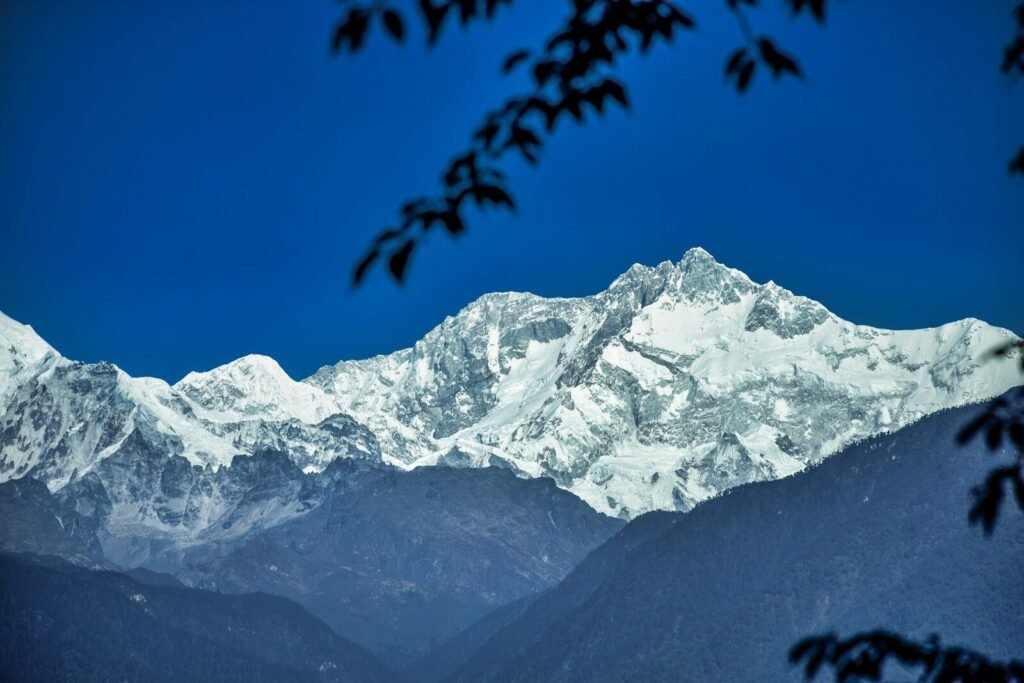
- September–October: Post-monsoon clarity, stable weather, spectacular mountain views — generally the most reliable period for clear skies and photography.
If you must choose one single best month, October usually offers the most consistent clear weather and comfortable daytime temperatures.
Activities and What to Expect by Season
Spring (March–May)
- Rhododendron blooms at lower altitudes.
- Short hikes and acclimatization walks around Lachen and Thangu.
- Photography of melting snows and spring colors.
Summer (June–August)
- Alpine meadows at their greenest and most flower-filled in June.
- Visits to Chopta Valley and nearby scenic points.
- Possibility of road delays or closures during heavy monsoon spells.
Autumn (September–October)
- Clear vistas and crisp air — excellent for mountain photography.
- Ideal time for visiting Gurudongmar Lake and high-elevation viewpoints.
- Comfortable trekking and day-walks.
Winter (November–February)
- Snowbound scenery and frozen lakes (weather permitting).
- Mostly for experienced winter travelers; many lodges/tea-houses close.
- High risk of road closures; expect harsh conditions.
Permits, Regulations, and Access
Travel to Lachen and Thangu (North Sikkim) generally requires permits. Permit types and rules change, so always verify current requirements before travel.
- Indian nationals: Often require an inner-line type permit or restricted-area pass for North Sikkim. These are commonly arranged through travel agents or issued at Gangtok.
- Foreign nationals: Typically require a Protected Area Permit (PAP) or special permit with additional conditions (sometimes group travel requirements and restricted movement). These are issued by Indian authorities; applications are usually processed through licensed operators or the Tourism Department.
- How to obtain: Permits are commonly obtained in Gangtok at the Tourism Office or through a registered travel agency. Carry ID (passport for foreigners, photo ID for Indians).
- Important: Permit rules, documentation, and entry points can change without notice. Confirm with Sikkim Tourism or your tour operator well in advance.
How to Reach Lachen & Thangu
Lachen is the usual base for visiting Thangu and nearby attractions. Common routes:
- From Gangtok: Road journey of roughly 5–7 hours to Lachen depending on road conditions. Most travelers travel by shared or private taxis; many stay overnight in Gangtok before starting the northbound trip.
- From Chungthang: Lachen is north of Chungthang; journeys often continue to Thangu and Gurudongmar.
- Nearest major transport hubs: Bagdogra (Siliguri) is the closest airport (~140–170 km by road to Gangtok); New Jalpaiguri (NJP) is the nearest major railhead.
Suggested Itineraries
Short 2–3 Day Itinerary (Popular for Travelers)
- Day 1: Drive Gangtok → Lachen (overnight in Lachen).
- Day 2: Lachen → Thangu (visit Chopta Valley) and onward to Gurudongmar Lake (some itineraries return to Lachen or stay in Thangu depending on permit rules and weather).
- Day 3: Return toward Gangtok or continue to Lachung/other North Sikkim destinations.
Leisurely 4–6 Day Itinerary
- Allows more acclimatization, time to explore Chopta Valley fully, visit Gurudongmar with less rush, and include short treks or birdwatching.
- Useful in shoulder seasons when weather is variable.
Accommodation & Facilities
- Lachen has guesthouses, lodges, and basic hotels; Thangu has more limited, simpler lodging (tea-houses, homestays) — expect basic facilities compared to lower-altitude tourist hubs.
- Power and hot water may be limited in remote guesthouses; book in peak season early.
- Medical facilities are basic; serious medical care requires evacuation to Gangtok or lower areas.
Altitude Sickness: Health & Safety Precautions
At Thangu and surrounding high-altitude sites, altitude-related illness is a real risk. Take precautions:
- Allow time to acclimatize — spend a night in Lachen before visiting higher sites like Gurudongmar.
- Stay hydrated, avoid alcohol and heavy exertion for the first 24–48 hours at altitude.
- Be aware of symptoms: headache, nausea, dizziness, breathlessness, poor sleep. If symptoms worsen, descend immediately and seek medical help.
- Discuss preventive medication (e.g., acetazolamide/Diamox) with your doctor before travel — only if appropriate for you.
What to Pack
- Layered clothing: thermal base layers, fleece or insulated mid-layer, windproof/waterproof outer shell.
- Warm hat, gloves, scarf, and good quality insulated jacket (down or synthetic).
- Sturdy hiking boots with good grip; warm socks and gaiters if visiting in snowy months.
- Sunglasses with UV protection and high-SPF sunscreen (snow reflects sunlight strongly).
- Basic first-aid kit, altitude sickness medication (if prescribed), water purification tablets or a filter for long trips.
- Power banks, headlamp/torch (power outages are possible), camera gear and spare batteries.
Photography, Wildlife, and Flora
- Thangu and Chopta Valley are spectacular for landscape and macro photography — alpine meadows, seasonal wildflowers (rhododendrons, primulas), and dramatic views of snow peaks.
- Birdwatching: you may spot high-altitude species and raptors; keep binoculars handy.
- Mammals: sightings are uncommon but include Himalayan species such as blue sheep or pika at higher elevations; maintain distance and avoid disturbing wildlife.
Local Culture, Festivals, and Etiquette
- North Sikkim communities have rich Lepcha and Bhutia cultural influences; show respect for local customs and religious sites.
- Festivals in Sikkim (Losar, Dussehra, local monastery festivals) are wonderful cultural experiences — dates vary by lunar calendar.
- Ask before photographing locals, and accept invitations to homestays or local meals respectfully.
Responsible and Safe Travel Tips
- Travel with registered guides or reputable tour operators, especially for high-altitude and permit-controlled areas.
- Minimize plastic waste — carry reusable water bottles and dispose of litter properly.
- Respect fragile alpine ecosystems: stay on trails, avoid picking flowers, and do not disturb wildlife.
- Support local businesses (homestays, local guides, handicrafts) to positively impact the community.
- Plan for contingency days in your itinerary for weather-related delays or road closures.
Final Recommendation
For most travelers seeking reliable access, scenic beauty, and comfortable conditions, plan your trip between May–June (for flowers and crisp snow-capped peaks) or September–October (for the clearest skies and best mountain views). Always confirm current permit requirements, road conditions, and weather forecasts before finalizing plans — North Sikkim’s weather and access can change quickly.
Useful Reminder
This guide provides general, practical information. Permit rules, road access, and local conditions may change from year to year. Check with Sikkim Tourism, local authorities, or a trusted tour operator for the latest updates before you travel.