Thangu Valley (often written Thangu or Thangu-Ngor) and the nearby town of Lachen lie in North Sikkim, in the far northeastern reaches of India. Set against the dramatic backdrop of the eastern Himalaya, these high‑altitude communities have evolved from remote grazing settlements and caravan stopovers into one of Sikkim’s most evocative tourism circuits — a place where history, culture and fragile mountain ecology meet the rising pressures and opportunities of modern travel.
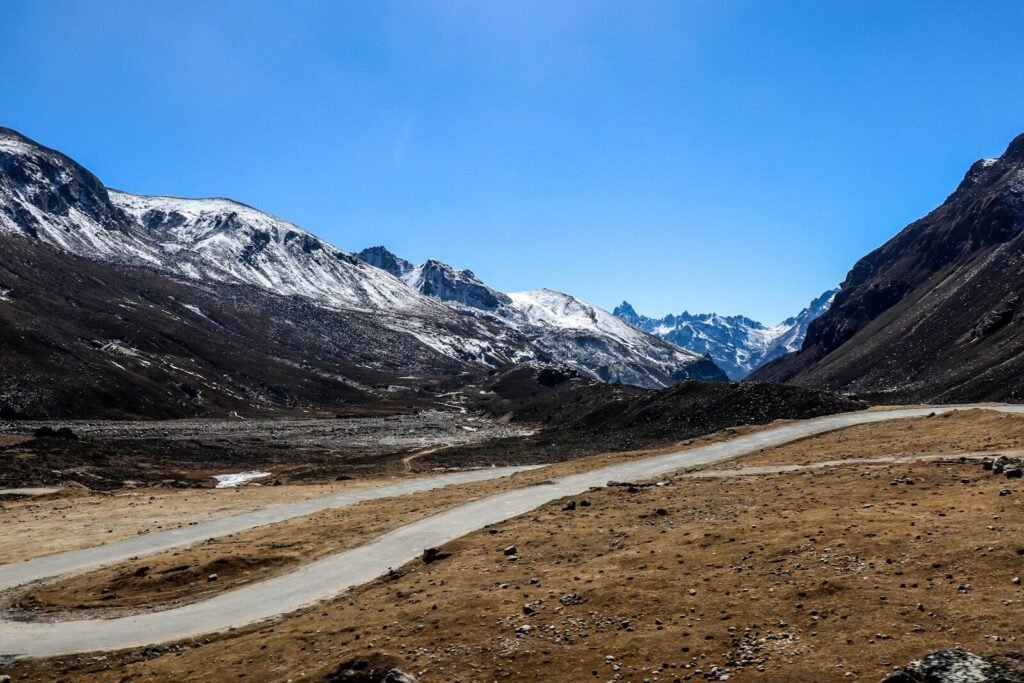
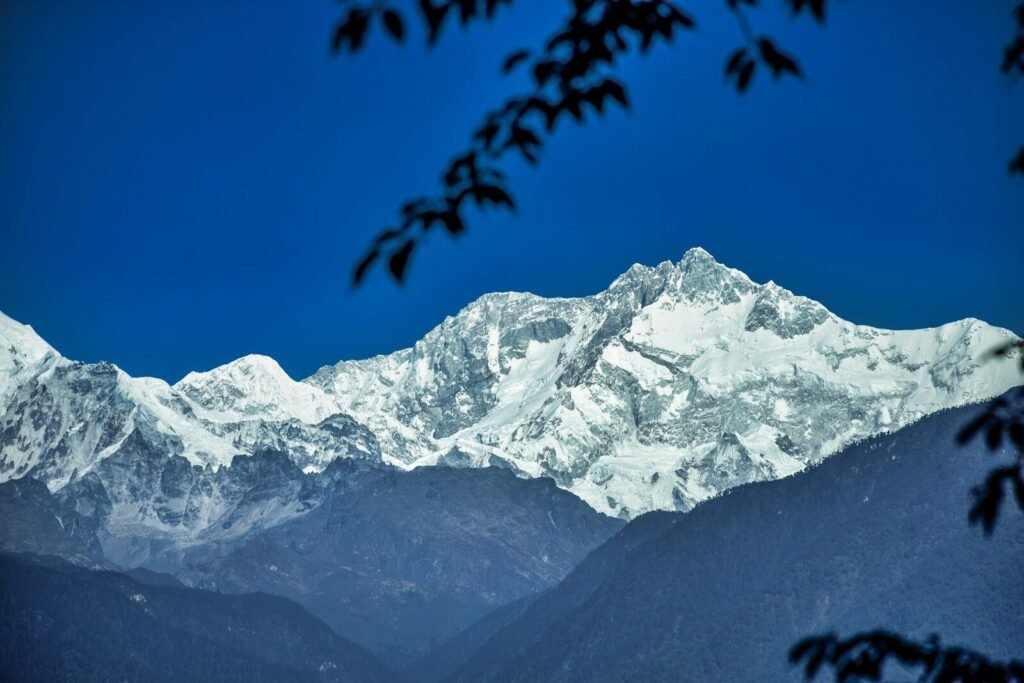
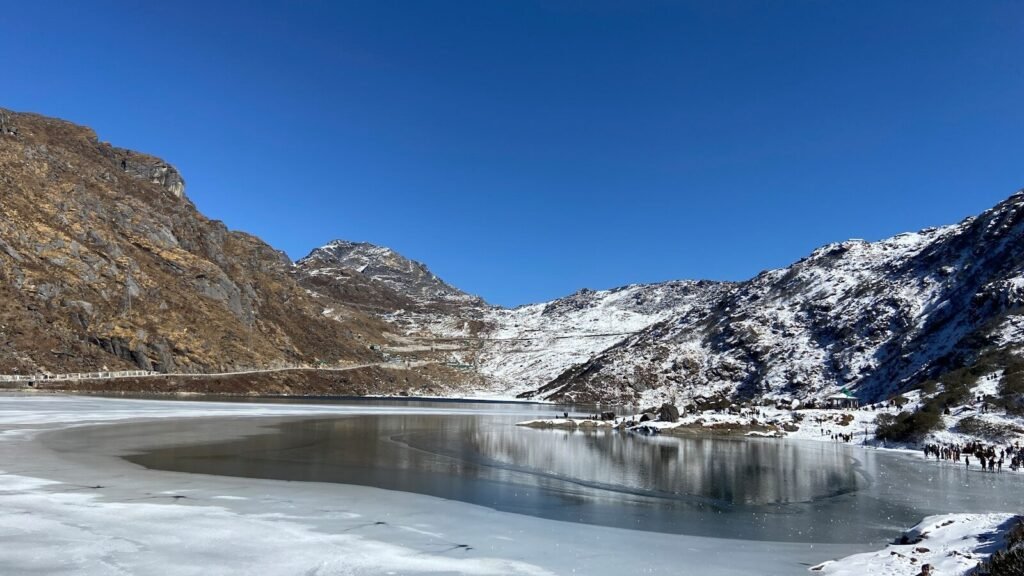
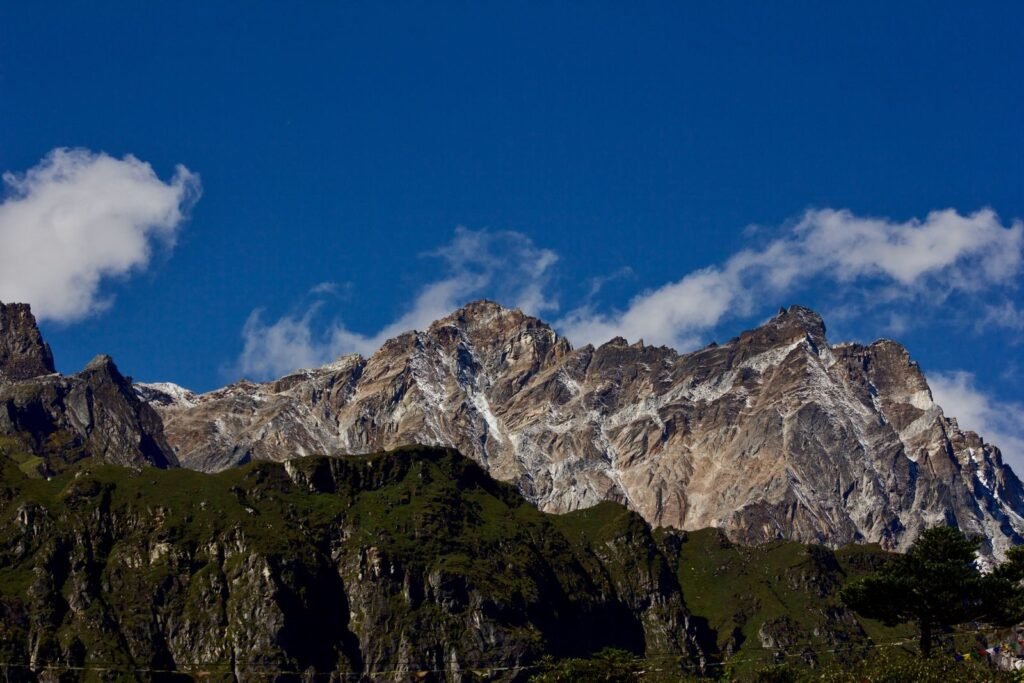
Thangu is a high‑altitude valley located north of Lachen, surrounded by alpine meadows, scree slopes and glaciated peaks. The region sits on routes that lead toward some of Sikkim’s most famous high‑altitude destinations — notably Gurudongmar Lake and Chopta Valley — making Thangu and Lachen natural waystations for travellers and pilgrims. The area’s landscape is characterised by seasonal pastures (known locally as yak meadows), shrubby rhododendron slopes at lower elevations and stark, windswept terrain higher up.
The human history of Thangu and Lachen is intertwined with the broader history of Sikkim and the trans‑Himalayan cultural and trade networks.
Prior to modern roads, the inhabitants of Thangu and neighbouring valleys practiced transhumance — seasonal movement of people and herds between lower winter villages and higher summer pastures. The population is predominantly of Tibeto‑Bhutanese origin (Bhutia and Lepcha communities), whose livelihoods historically combined yak and sheep herding, small‑scale agriculture in the more sheltered valleys, and trade.
For centuries these valleys were linked culturally and economically to Tibet through informal trade routes and pilgrim trails. Salt, wool, and other high‑value commodities moved across the passes in pre‑modern times. These links shaped local culture, language, dress and religious practice — Tibetan Buddhism is the dominant faith, and several small gompas (monasteries) and chortens mark the landscape.
During the colonial era, the British and their surveyors penetrated parts of Sikkim, improving mapping but leaving much of North Sikkim remote. In the second half of the 20th century, strategic concerns (border tensions with China) and central government policies influenced infrastructure and access. As roads and regulated access expanded gradually, the region began to see an increase in visitors — Indian and, under regulated conditions, foreign tourists.
Tourism in the Thangu–Lachen region is relatively recent compared to lowland Sikkim. Its growth reflects a combination of factors: improved roads and vehicles, an appetite for high‑altitude nature and culture experiences, and the publicity of nearby iconic attractions.
Thangu and Lachen serve as hubs for a set of high‑altitude experiences that combine natural beauty, culture and adventure.
The arrival of tourism has brought both benefits and challenges.
Access to North Sikkim, including Lachen and Thangu, is regulated for environmental and security reasons. Visitors should always check current permit requirements, route conditions and weather before travel.
Prospective visitors should plan carefully because weather, road conditions and regulatory requirements can change rapidly in high‑mountain regions.
The future of tourism in Thangu Valley and Lachen will depend on balancing visitor demand with ecological integrity and local wellbeing. Community‑led tourism initiatives, stricter waste management, regulated visitor numbers and continued emphasis on cultural respect are key strategies that stakeholders are increasingly promoting.
Thangu Valley and Lachen combine rich cultural history, high‑altitude pastoral traditions and remarkable mountain scenery. Their transformation from remote grazing hamlets and caravan stopovers into sought‑after tourism destinations illustrates broader changes across the Himalaya: new economic opportunities coupled with pressing responsibilities to protect fragile ecosystems and local ways of life. For travellers who approach with respect, patience and preparation, Thangu and Lachen offer not only spectacular landscapes but also a living window onto the histories and livelihoods of North Sikkim.
Before you travel: check up‑to‑date permit rules, road and weather conditions, and local guidance from Sikkim tourism or authorised local operators.
What makes us different from other tour package companies
Our travel experts have core and intense knowledge about Sikkim sector with over 10 years of experience that will help you choose the best possible itinerary as per your requirements.
Our travel experts are just one call away during your tour to help you with any kind of immediate assistance so that your tour is a more enjoyable and hassle-free tour.
eSikkimTourPackages ensures best rates to all our esteemed guests since we have our own hotels and fleet of vehicles and drivers and there is no third-party involvement. This ensures personalized service and best rates.

















Kindly enter the details below for your Sikkim Tour Package