Thangu Valley

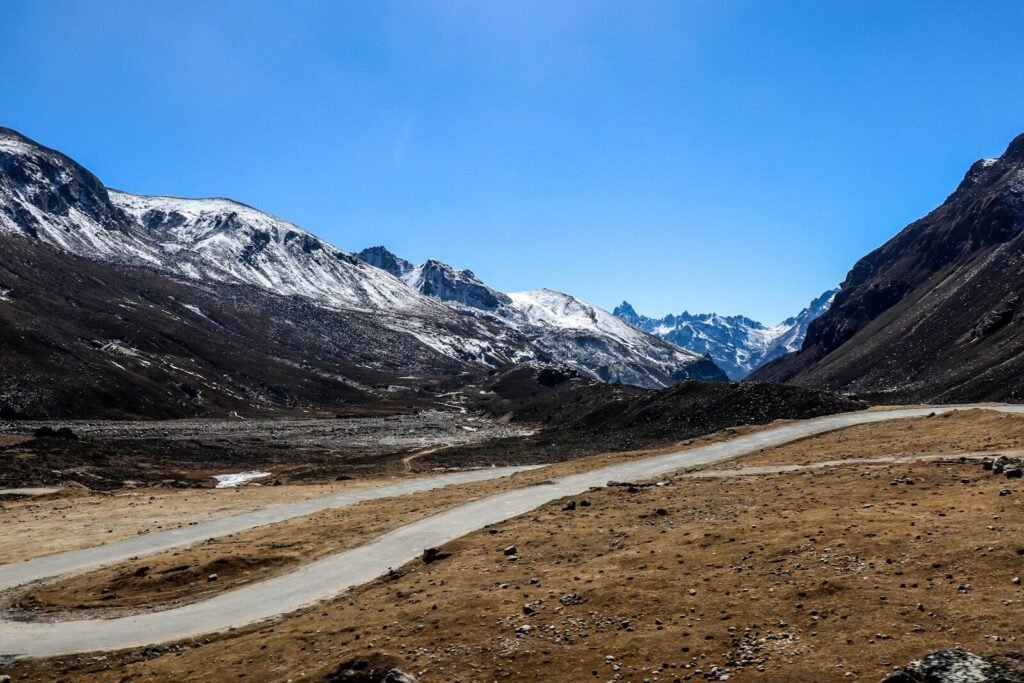
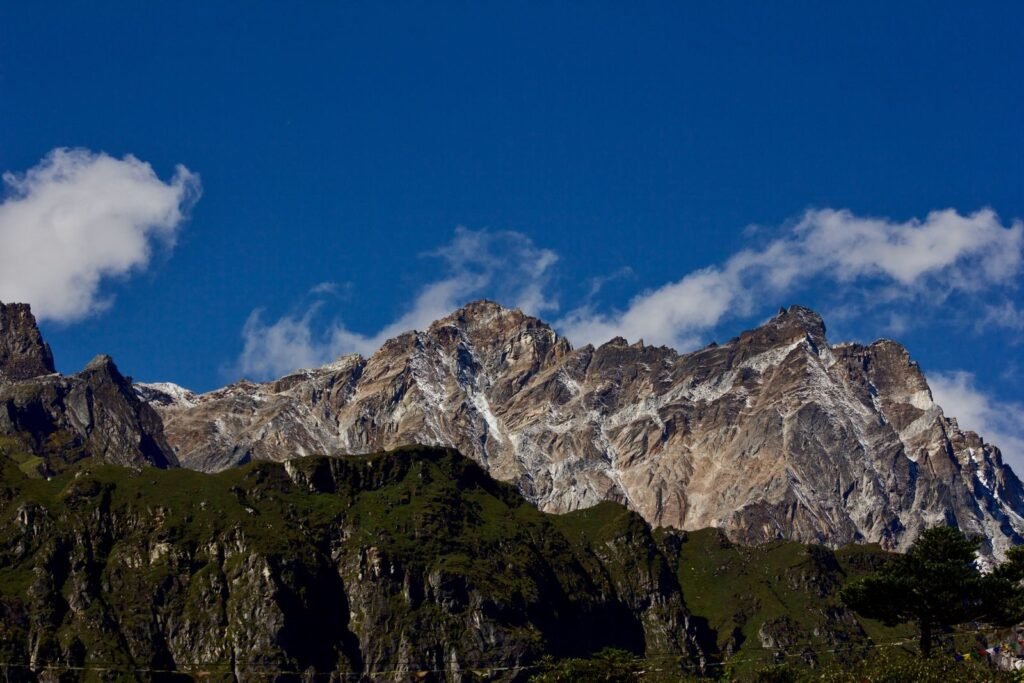
Scenic view of the rugged mountain range in Thangu Valley, illuminated by bright sunlight against a clear blue sky.

FAQS

Thangu Valley & Lachen (North Sikkim) — FAQs for Tourists

This article answers frequently asked questions about visiting Thangu Valley and Lachen in North Sikkim, India. It covers practical travel information, permits, safety, best times to visit, accommodation, packing, etiquette and other tourism-related concerns. Use this as a planning guide but always verify current rules, road conditions and permit requirements with official sources or a registered local tour operator before travel.

Quick overview

Thangu (Thangu Valley) is a high‑altitude village/valley on the route from Lachen to Gurudongmar Lake, known for its alpine meadows, yak herds and dramatic mountain panoramas. Lachen is a small town that serves as a base for visiting Gurudongmar Lake and Chopta Valley. Both lie in North Sikkim and are popular for high‑altitude landscapes and cultural experiences.

General FAQs

1. What is the altitude of Thangu and Lachen?

Lachen sits at approximately 2,750–2,800 meters (9,000+ ft) above sea level. Thangu is higher—roughly 3,300–3,500 meters (10,800–11,500 ft), depending on the exact village/plateau location. Expect thin air and cold temperatures, especially at night.

2. When is the best time to visit?

  • Best months: April–June and September–mid‑November. These offer clearer skies, more stable roads and pleasant daytime temperatures.
  • Winter (Dec–Feb): Extremely cold with heavy snow; many roads and passes may be closed. Only experienced winter travelers with reliable local guidance should attempt travel.
  • Monsoon (July–August): Heavy rain in lower Sikkim and landslide risk on roads; travel can be unpredictable. North Sikkim receives less rain than lower elevations but landslides/roadblocks are still possible.

3. How do I reach Lachen and Thangu?

  • By air: Nearest airport is Bagdogra (IXB). From Bagdogra it’s roughly 8–10 hours by road to Lachen (including transfer via Gangtok), depending on traffic and road conditions.
  • By train: New Jalpaiguri (NJP, Siliguri) is the nearest major railhead; then road transfer to Gangtok and onwards to Lachen/Thangu.
  • By road: Most travelers travel via Gangtok. The road from Gangtok to Lachen is mountainous and can be long; hire a registered vehicle or book a tour package that includes transport.
  • Note: Road times vary with weather and permit checkpoints. Night driving on these roads is not recommended.

4. Are permits required?

Permit regulations change periodically, so confirm before travel. General guidance:

  • Indian nationals: You will need to carry a valid government photo ID (Aadhaar, voter ID, passport). Entry to certain high‑altitude restricted zones in North Sikkim is regulated; permits/authorization are usually obtained through your hotel/tour operator at Gangtok or district check posts. Many local operators handle permit formalities for visitors.
  • Foreign nationals: Foreign visitors generally require a Protected Area Permit (PAP) or restricted‑area permission to visit North Sikkim. These are typically processed through registered tour operators and may require several days of processing and submission of passport/visa copies. Foreign visitors must travel with a registered guide/vehicle in many restricted zones.
  • Always check the official Sikkim tourism site or consult a licensed local operator for the most current permit process, documentation and fees.

5. How many days do I need?

  • Typical short itinerary: 2–3 days from Gangtok (Day 1: Gangtok–Lachen; Day 2: Lachen–Gurudongmar–Thangu–back to Lachen; Day 3: Lachen to Gangtok or onward).
  • Relaxed itinerary: 3–5 days gives better acclimatization, more time for Chopta Valley, local walks, and to handle weather/road delays.

6. What are the must‑see places?

  • Gurudongmar Lake (sacred high‑altitude glacial lake)
  • Thangu Valley — alpine meadows, yak herds and panoramic vistas
  • Lachen Monastery and village walks
  • Chopta Valley (seasonal wildflowers and landscapes)
  • Scenic drives and mountain passes en route

Health, safety and altitude

7. Is altitude sickness a concern?

Yes. Thangu and the trip to Gurudongmar involve high altitudes where acute mountain sickness (AMS) is possible. Symptoms include headache, nausea, dizziness, fatigue and shortness of breath. Take altitude precautions:

  • Acclimatize gradually — include a rest day at moderate altitude (Gangtok) before ascending further if possible.
  • Stay well hydrated, avoid alcohol and heavy exertion in the first 24–48 hours at altitude.
  • Discuss prophylactic medication (acetazolamide) with your doctor if you are concerned; carry basic first aid and altitude medication as advised by a physician.
  • If symptoms worsen (confusion, severe breathlessness), descend immediately and seek medical help.

8. What medical facilities are available?

Medical facilities in Lachen and Thangu are basic. There are small clinics or health posts for primary care, but advanced medical facilities are in Gangtok or Siliguri. Carry essential medicines and a basic first‑aid kit. If you have serious medical conditions, arrange for appropriate support and plan evacuation options.

Accommodation & food

9. What accommodation is available?

Accommodation is basic to modest: guesthouses, homestays and a few small hotels/lodges in Lachen; Thangu has extremely limited facilities (seasonal guesthouses and camp options in some seasons). Do not expect luxury. Book in advance in peak season.

10. What about food and drinking water?

  • Food choices are limited—simple Nepali/Bhutia/Indian meals, soups, noodles, rice, dal, local preparations and sometimes limited continental options.
  • Carry snacks and energy foods. Hot beverages and soups are usually available and helpful at high altitude.
  • Use bottled water from reliable sources. In remote stretches, carry water purification tablets or a reliable filter if you prefer.

Transport, roads and timing

11. Are roads safe and motorable all year?

Roads are mountainous and may be narrow, windy and prone to landslides during monsoon or heavy snowfall in winter. Local road conditions and weather can affect travel times substantially. Travel with an experienced local driver or tour operator, check daily road/permit updates, and avoid night driving.

12. Can I drive my private vehicle there?

Private vehicles are allowed on some routes, but permit rules and road restrictions apply. If you plan to self‑drive, confirm vehicle permissions, parking availability and permit formalities. Many travelers prefer to hire a registered local vehicle and driver familiar with mountain conditions and permit checkpoints.

Practical tips

13. What should I pack?

  • Layered warm clothing: thermal layers, fleece, insulated jacket, windproof shell
  • Warm hat, gloves, scarf and good socks
  • Sturdy hiking shoes and sunglasses with UV protection
  • Sunscreen (high SPF), lip balm and moisturizer
  • Basic medicines, altitude sickness medication (if prescribed), personal prescription medicines
  • Reusable water bottle, flashlight/headlamp, power bank and spare batteries
  • Cash in small denominations — ATMs are unreliable; card payments are often not accepted in remote villages

14. How is mobile network and internet?

Connectivity in Lachen and Thangu is intermittent. Some service providers have pockets of coverage (often limited to a few operators or at certain vantage points). Do not rely on continuous mobile data. Download offline maps and keep critical information accessible offline.

15. Is it child and elderly friendly?

High altitude and long drives make this region more challenging for small children, elderly travelers and people with respiratory/cardiac conditions. If you travel with vulnerable persons, consult a doctor, plan for extra acclimatization time, and travel slowly. Many recommend avoiding abrupt ascents for such travelers.

Culture, etiquette & sustainability

16. What cultural norms should visitors follow?

  • Respect local religious practices — many places are Buddhist. Remove shoes where required and follow monastery etiquette.
  • Ask permission before photographing people or private property.
  • Dress modestly and be courteous to local villagers.

17. How can I be a responsible traveler?

  • Practice leave‑no‑trace: carry back all non‑biodegradable waste, avoid single‑use plastics where possible.
  • Use local services—hire local guides, stay in local homestays and buy local products to support the community.
  • Avoid disturbing wildlife, grazing patterns and fragile vegetation in alpine meadows.

Special concerns

18. When is Gurudongmar Lake open and what are the rules?

Gurudongmar Lake is usually accessible in summer and early autumn; heavy snow can close the road in winter. Visitors must comply with local permit/vehicle rules, stay within designated areas and follow instructions from officials at checkpoints. Since conditions and access change, confirm availability with your tour operator a few days before the visit.

19. Are there any local festivals worth timing a trip around?

Local Buddhist festivals and monastery events are culturally significant (Losar, Saga Dawa and other local celebrations). Dates follow the lunar/monastic calendars and vary yearly. If you want to witness a festival, contact local tourism offices or homestays to get exact dates and guidance.

20. What else should I plan for?

  • Plan buffer days for weather or road delays — itineraries in North Sikkim are often affected by unpredictable factors.
  • Confirm that your tour operator/hotel will assist with permit formalities.
  • Carry emergency contact details (hotel, operator, local police) and a copy of permits/IDs.

Useful final tips

Plan conservatively: account for slow travel, permit formalities and acclimatization. Book early: limited accommodation in peak season. Hire local expertise: a registered local tour operator/driver makes the trip safer and smoother. And above all, respect the fragile mountain environment and the local communities that host visitors.

Disclaimer

Rules, permit procedures, road access and facilities in high‑altitude border regions can change frequently. This FAQ provides general guidance but is not an official source. Confirm current regulations, permit requirements and safety advisories with the official Sikkim Tourism Department, district authorities or a licensed local tour operator before you travel.

Get Instant Call Back​

Which places do you want to explore in North-East?
Kindly share your above details to get Travel Plan PDF within 30 seconds on your mobile
Please wait while we are preparing customized quotes as per your requirement.

Why Choose us ?

What makes us different from other tour package companies

Best Travel Experts

Our travel experts have core and intense knowledge about Sikkim sector with over 10 years of experience that will help you choose the best possible itinerary as per your requirements.

24 X 7 On-Trip Assistance

Our travel experts are just one call away during your tour to help you with any kind of immediate assistance so that your tour is a more enjoyable and hassle-free tour.

Best Rate Guarantee

eSikkimTourPackages ensures best rates to all our esteemed guests since we have our own hotels and fleet of vehicles and drivers and there is no third-party involvement. This ensures personalized service and best rates.


Sikkim Tour Packages by Theme

Sikkim Tour From Popular Cities

Limited period offer – Sikkim tour packages at flat 50% discount. Inquire now!

Kindly enter the details below for your Sikkim Tour Package
Loading, please wait . .. ... ....