Best Time to Visit Sai Mandir, Namchi — A Tourism Guide
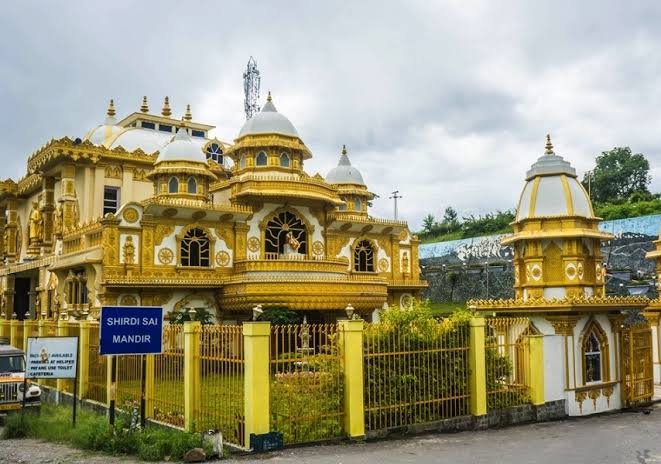
Sai Mandir, Namchi is a peaceful pilgrimage and tourist spot located in South Sikkim. Perched amid rolling hills and offering sweeping views of the mountain ranges and valleys, the temple attracts devotees and travelers seeking spiritual atmosphere, scenic vistas and a pleasant hill-station experience. Choosing the right time to visit affects weather, visibility, road conditions and the overall experience. This article explains the best times to visit and provides practical travel guidance.
Quick Summary
- Best overall months: March to May (spring) and October to November (autumn)
- Avoid for general travel: Peak monsoon (June to September) due to heavy rains and landslide risk
- For quieter, cheaper trips: December to February (winter) — chilly, clearer skies, limited services in odd cases
Why timing matters
The experience at Sai Mandir is heavily influenced by:
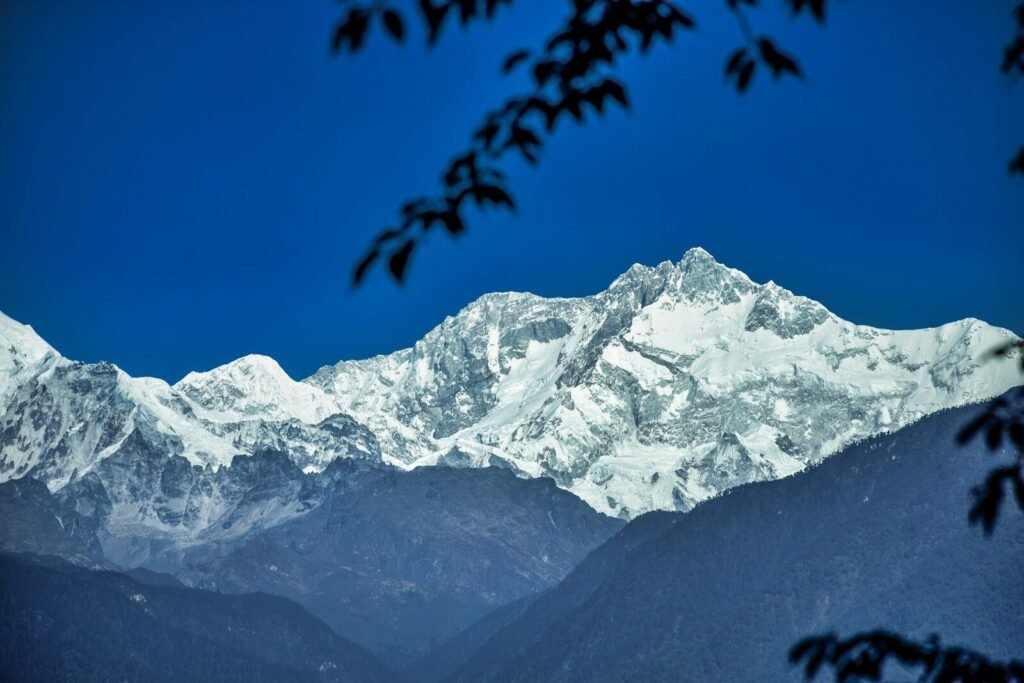
- Weather and visibility (views of the hills and Kanchenjunga range)
- Road safety and accessibility (monsoon landslides vs. clear winter roads)
- Festival crowds and special pujas that may change the atmosphere
- Availability and prices of accommodation and transport
Climate & Seasonal Breakdown
Spring (March – May)
Why it’s good: Temperatures warm up, flowers bloom, and skies are generally clear—ideal for sightseeing and photography. This is the most recommended period for comfortable daytime visits to Sai Mandir.
- Average temperatures: roughly 10–25°C (varies by day/night)
- Low rainfall compared with monsoon
- Excellent visibility for sunrise/sunset and distant mountain views
Summer / Monsoon (June – September)
Why to be cautious: Sikkim receives heavy rainfall during monsoon. Roads can be slippery and landslides are possible on hilly routes. While the landscape is lush and green, travel interruptions are common.
- Frequent heavy rain, reduced visibility
- Higher risk of landslides and roadblocks — keep flexible plans
- If you travel now, carry reliable rain gear and allow extra travel time
Autumn (October – November)
Why it’s good: Post-monsoon clarity returns with spectacular skies and crisp air. Another prime period for visiting the temple and nearby viewpoints.
- Temperatures: approximately 8–20°C
- Clearer mountain views and comfortable days
- Festive energy in towns and good trekking conditions at higher altitudes
Winter (December – February)
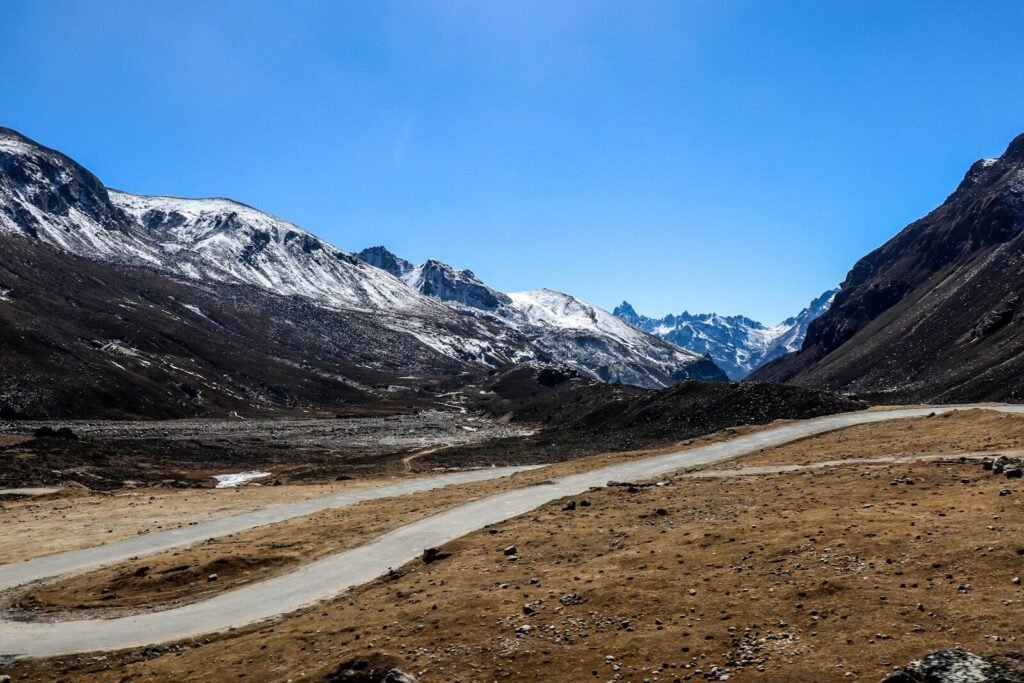
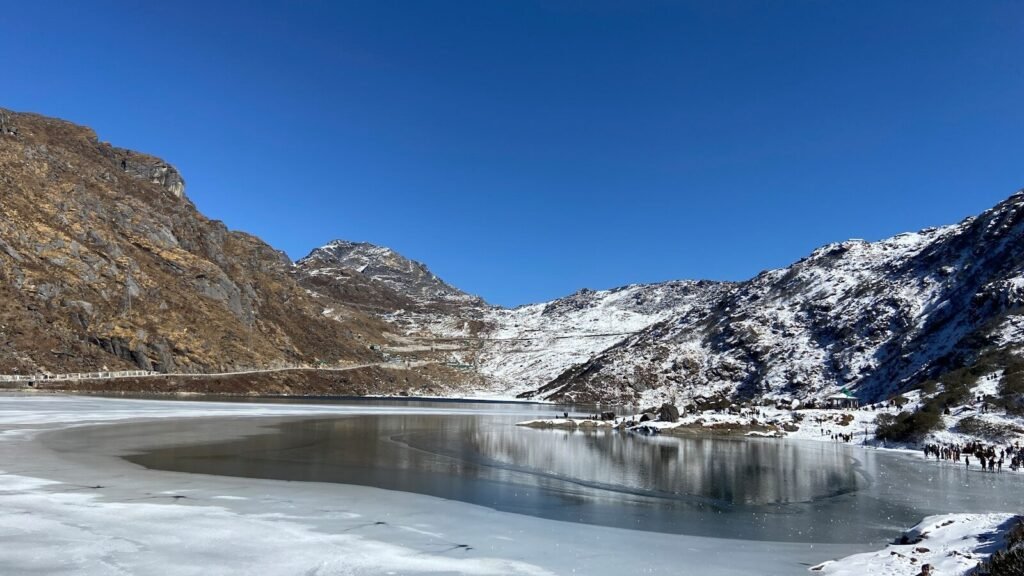
What to expect: Cool to cold weather with chilly mornings and evenings. Namchi is lower in altitude than many Sikkim destinations, so heavy snow is uncommon at the temple itself, but nearby higher passes may receive snow.
- Temperatures can drop to single digits (°C) at night
- Fewer tourists and lower hotel rates
- Clear skies on many days, though mornings may be foggy
Month-by-Month Practical Guide
- March–May: Best for general tourism, photography, comfortable hikes and temple visits.
- June–September: Expect rain; travel only if comfortable with delays and rough roads.
- October–November: Excellent for clear vistas and festive travel.
- December–February: Great for a quiet pilgrimage; dress warmly and check higher-route closures if you plan side trips.
Festivals, Special Days & Crowds
Sai Mandir, like other temples, sees larger crowds during major Hindu festivals and special Sai Baba events or anniversaries. Visiting on festival days can be spiritually rewarding but crowded. If you prefer a quieter visit, avoid major festival dates and weekends.
Practical tip:
- Check temple timings and festival calendar: Local announcements or hotel staff can provide dates for special pujas or events that draw crowds.
How to Reach Sai Mandir, Namchi
Namchi is well connected by road. Typical access points:
- By air: Bagdogra Airport (near Siliguri) is the nearest major airport. From Bagdogra it is a road journey to Namchi—allow several hours depending on traffic and road conditions.
- By rail: New Jalpaiguri (NJP) near Siliguri is the nearest major railhead; taxi options and buses connect onward to Namchi.
- By road: Regular buses and shared jeeps operate from Gangtok and Siliguri; private taxis are the most convenient for flexibility.
Permits
Foreign nationals: Ensure you have the required permits to enter Sikkim (Protected Area Permit/Inner Line Permit) as per central/state regulations. Indian citizens generally do not require special permits for this area but should carry ID.
Where to Stay & When to Book
- Peak seasons (Mar–May, Oct–Nov): Book 2–4 weeks in advance for best choices and rates.
- Off-season (monsoon, winter): Easier to find last-minute options; verify hotel weather-related policies and transport availability.
- Types of accommodation: Guesthouses, small hotels in Namchi town and a few mid-range properties with mountain views.
Suggested Itinerary for a Short Visit
- Half-day visit: Arrive at Sai Mandir in the morning for peaceful darshan, explore the temple complex and enjoy valley views; have lunch in Namchi town.
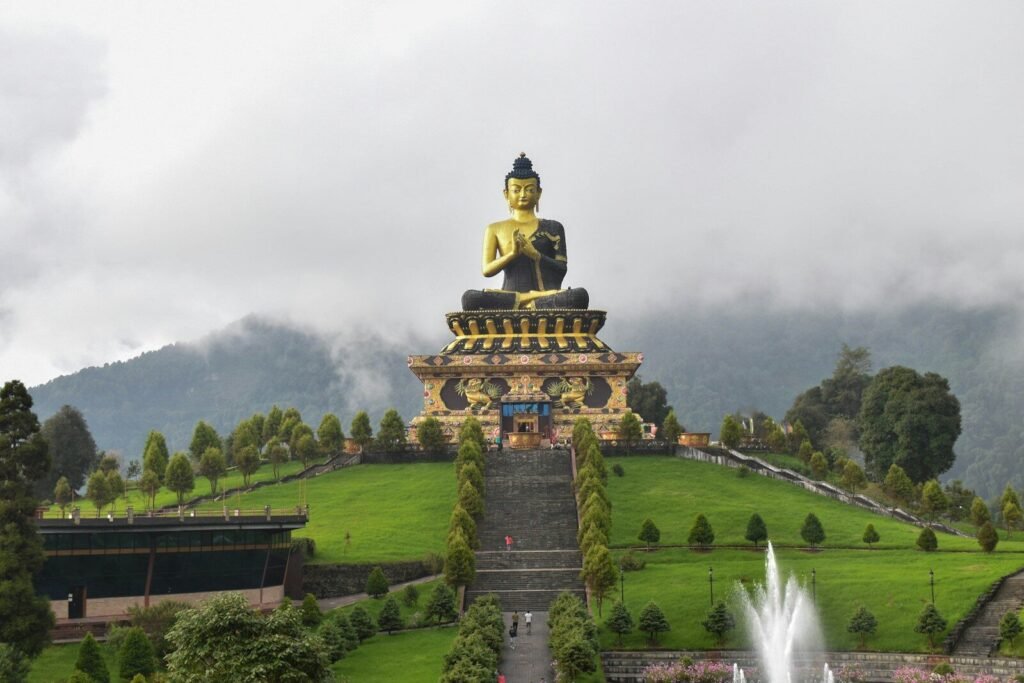
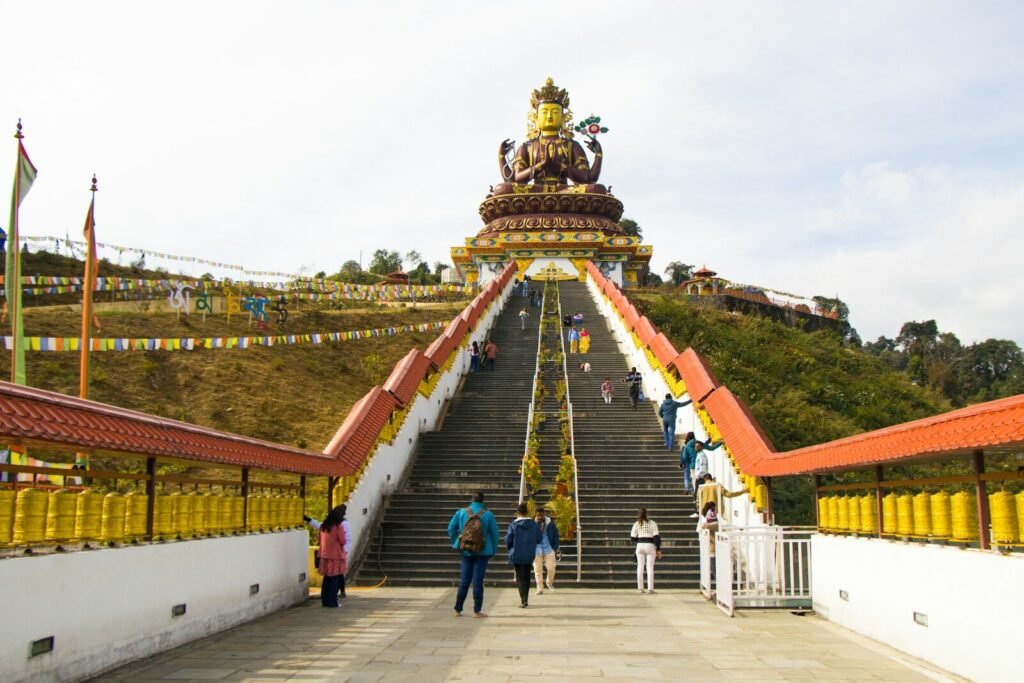
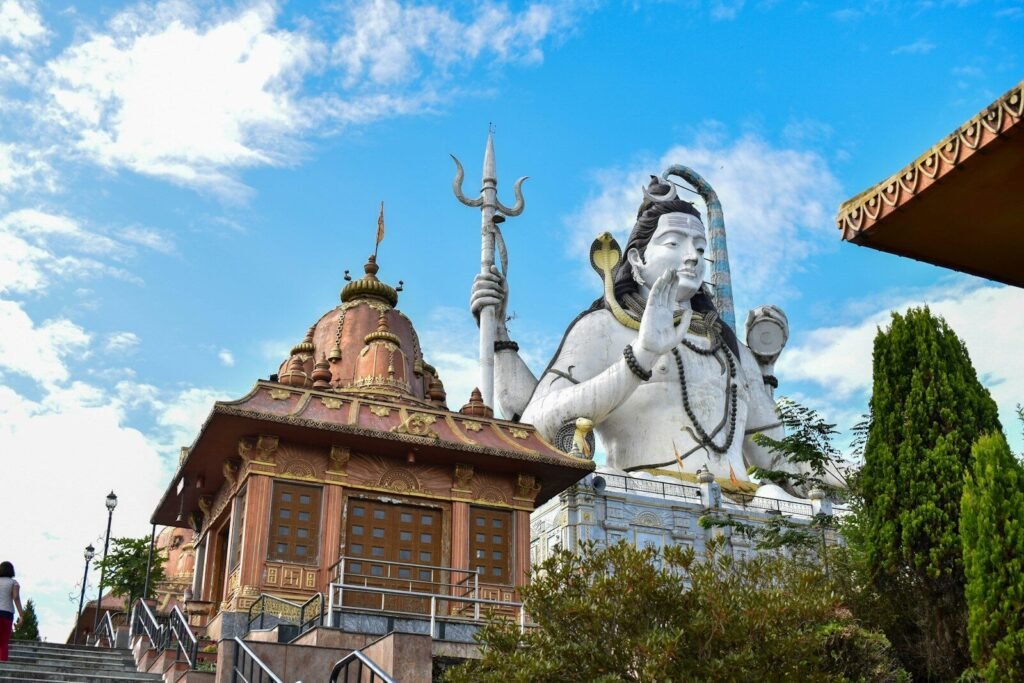
- Full day: Combine Sai Mandir with Samdruptse (the giant Guru Rinpoche statue), Siddhesvara Dham, and nearby viewpoints like Tendong Hill or local handicraft markets.
- Multi-day: Use Namchi as a base to explore South Sikkim attractions and day trips to Gangtok if desired.
What to Pack
- Layered clothing (mornings/evenings can be cool even in spring/summer)
- Waterproof jacket or umbrella (especially if traveling June–September)
- Comfortable walking shoes and sun protection (hat, sunglasses, sunscreen)
- Basic medicines and prescriptions; any altitude medication if you plan higher excursions
- Respectful clothing for temple visits (shoulders and knees covered)
Local Etiquette & Tips
- Dress modestly: Temples expect respectful attire and calm behavior inside the sanctum.
- Photography: Ask permission if photography is allowed inside the temple or before photographing people.
- Respect rituals: Follow queues, remove footwear where required, and observe silence during pujas if requested.
- Cash and cards: Carry some cash for small purchases; digital payments are increasingly available but not universal in remote spots.
Safety & Health Considerations
- Monsoon risks: Landslides and roadblocks — keep a flexible itinerary and check local weather/road updates.
- Altitude: Namchi is moderate in elevation; altitude sickness is unlikely but be cautious if you plan to visit higher passes nearby.
- Travel insurance: Recommended, especially in monsoon months or for remote trekking plans.
Nearby Attractions to Combine with Sai Mandir
- Samdruptse (Padmasambhava/Guru Rinpoche statue and viewpoint)
- Siddhesvara Dham (temple complex with large Shiva statue and Char Dham replicas)
- Tendong Hill and local hiking trails
- Namchi Rock Garden and local markets for handicrafts
Final Recommendations
If you want the best combination of weather, visibility, and ease of travel: plan your visit between March and May or October and November. These windows give you clear skies, comfortable temperatures and minimal disruption from weather. If you prefer a quieter pilgrimage and don’t mind cold mornings, winter (December–February) is also workable. Avoid the monsoon months unless you are prepared for heavy rain, possible road disruptions and variable access.
Closing note
Planning ahead—checking weather forecasts, local festival dates and transport schedules—will make your visit to Sai Mandir, Namchi more enjoyable. With the right timing, you can combine spiritual calm, scenic Himalayan views and the gentle culture of South Sikkim for a memorable trip.