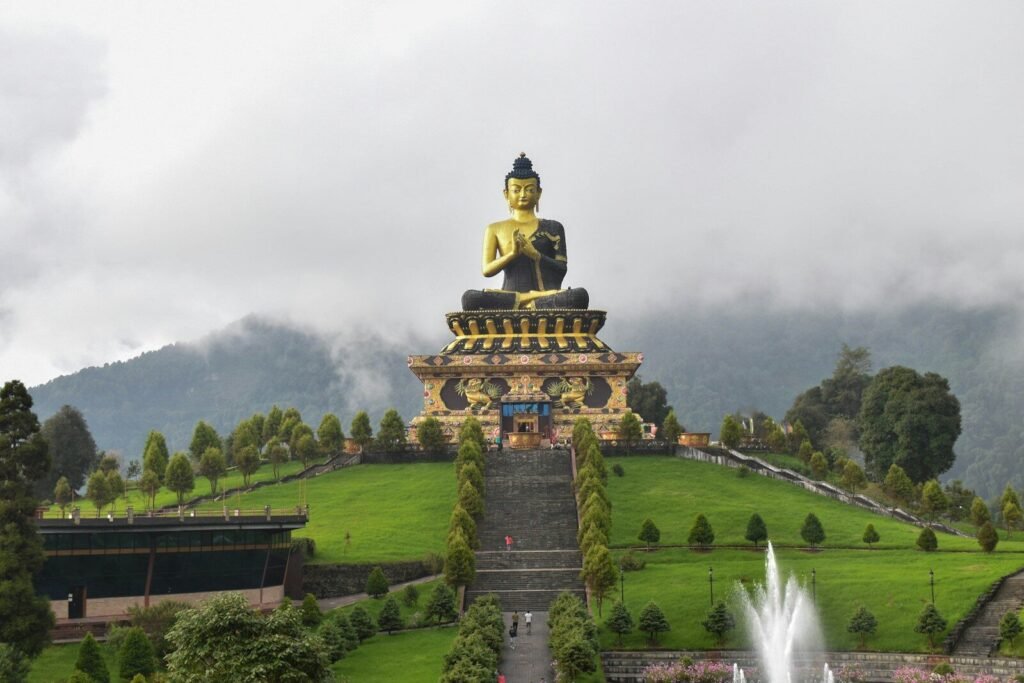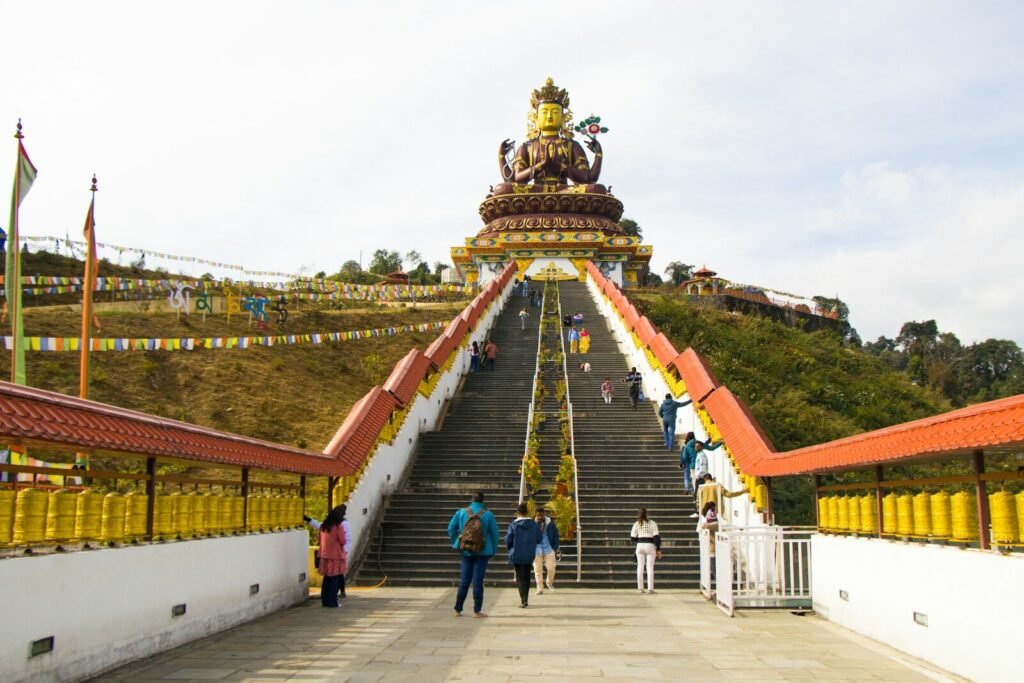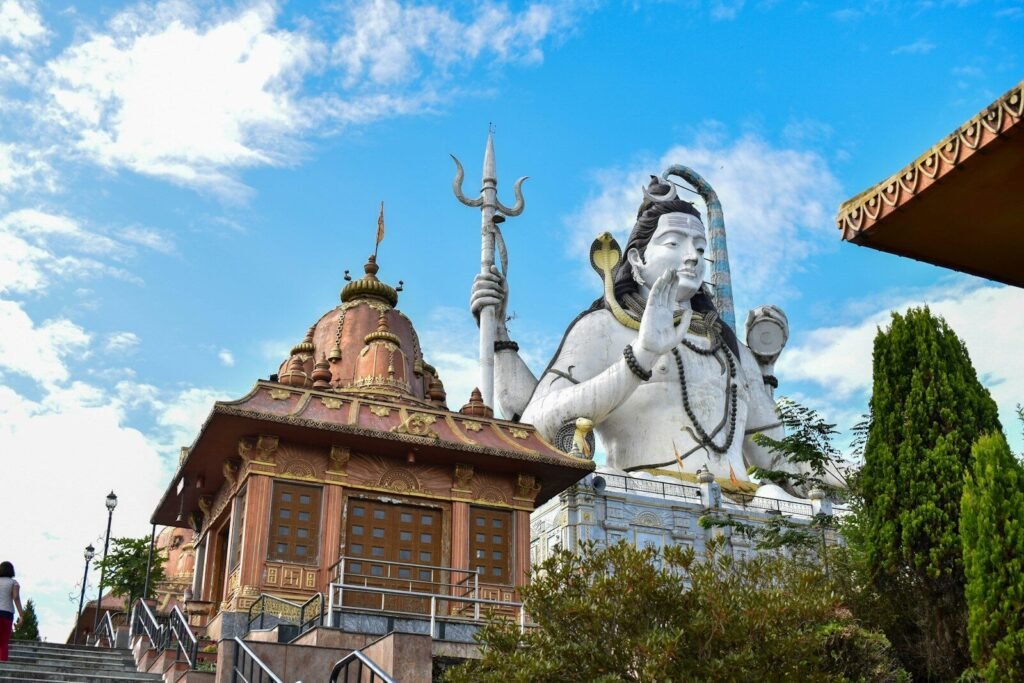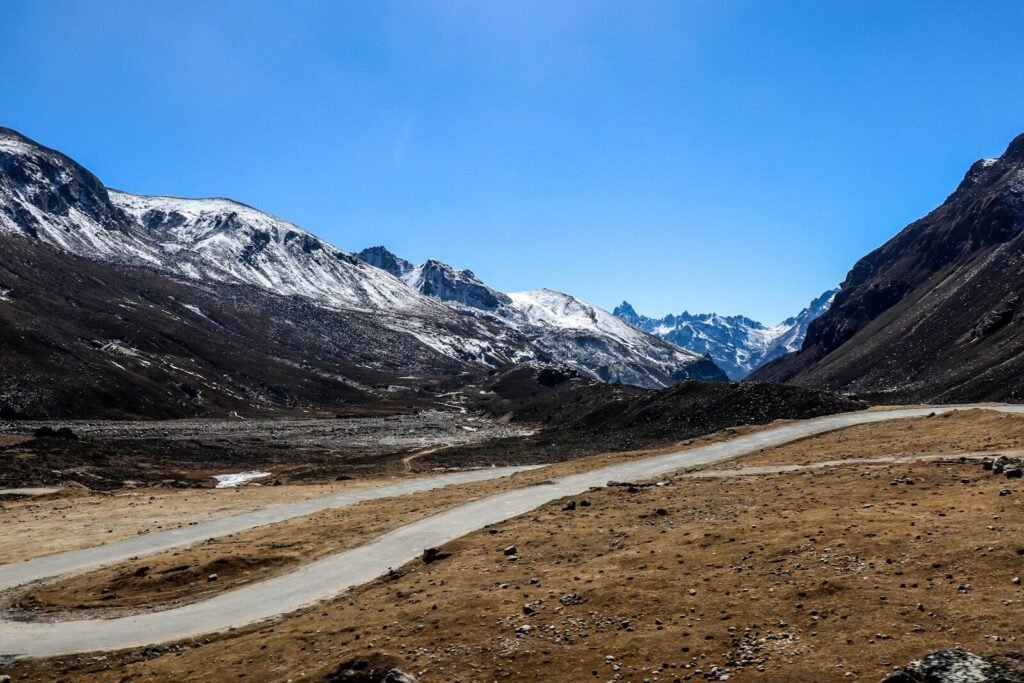
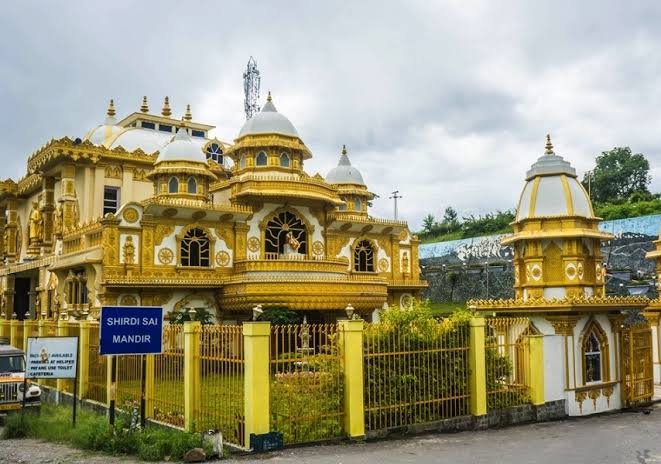
Sai Mandir in Namchi, South Sikkim, is one of the region’s notable contemporary pilgrimage sites. Rising amid a landscape of hills and sweeping views of the Himalaya, the temple is both a spiritual destination for devotees of Shirdi Sai Baba and an increasingly important component of Namchi’s tourism economy. This article examines the temple’s history, architectural character, religious significance, and its role within the wider tourism landscape of Namchi and Sikkim.
The worship of Shirdi Sai Baba—an enigmatic 19th–20th century saint revered across India—has given rise to thousands of shrines and temples nationwide. Sai devotion emphasizes universalism, tolerance, and service, attracting devotees from many backgrounds. By the late 20th and early 21st centuries, as pilgrimage tourism and devotional networks expanded, numerous Sai temples were established in regions far from Shirdi itself, including the Himalayan states.
In this context, Sai Mandir at Namchi was established to serve the spiritual needs of local devotees and the growing number of domestic tourists visiting South Sikkim. Though a modern foundation compared with ancient Himalayan shrines, the temple embodies the continuity of Sai devotional traditions adapted to a Himalayan setting.
The temple was conceived as part of efforts to diversify Namchi’s tourism offerings beyond its better-known monuments and scenic attractions. Constructed in the contemporary period, the Mandir reflects a deliberate attempt to create a pilgrimage-oriented draw that complements nearby religious and cultural projects.
Sai Mandir is situated on or close to the hills overlooking Namchi town, providing panoramic views of the valley and, on clear days, distant Himalayan peaks. The location was chosen for both its accessibility from Namchi and its evocative landscape, which enhances the devotional atmosphere for visitors.
Rather than replicating a single historical style, Sai Mandir in Namchi blends modern construction techniques with traditional temple motifs. Key architectural elements commonly observed include:
Sai Mandir functions as both a local parish for daily worship and as a destination for pilgrims and tourists. Its devotional calendar follows the established rhythms of Sai worship, with special observances and larger gatherings on days of significance.
Beyond these formal observances, the Mandir is an important site of personal devotion—places where devotees perform vows, offer prasadam, and seek solace.
Namchi has, over recent decades, emerged as a multi-faceted tourist destination combining natural beauty, Buddhist and Hindu cultural sites, and constructed pilgrimage attractions. Sai Mandir complements nearby landmarks—such as large statues and replica pilgrimage complexes—helping to create a circuit of attractions that appeal to pilgrims, cultural tourists, and general visitors alike.
Visitors to Sai Mandir generally find a calm devotional atmosphere combined with scenic vistas. The temple is accessible by road from Namchi town and can be included in half-day or full-day sightseeing itineraries.
The establishment and continued activity of Sai Mandir contributes to Namchi’s local economy through:
Socially, the Mandir functions as a focal point for community gatherings and charitable activities—hallmarks of many Sai institutions which often emphasize social service.
As visitation grows, managing environmental impact and preserving the temple’s serene setting become important concerns. Sustainable measures that can be promoted include:
With continuing growth in domestic pilgrimage tourism and Namchi’s ambitions as a cultural and spiritual hub, Sai Mandir is likely to retain and possibly expand its role. Sensitively managed development—balancing visitor needs with landscape conservation and local livelihoods—will determine how successfully the Mandir contributes to a sustainable tourism model for South Sikkim.
Sai Mandir, Namchi exemplifies how contemporary devotional sites can shape regional tourism. While rooted in the universal message of Sai Baba, the temple’s Himalayan location gives it distinctive character—partly spiritual refuge, partly scenic stop on the visitor circuit—and it remains a significant illustration of faith-driven tourism development in Sikkim.
What makes us different from other tour package companies
Our travel experts have core and intense knowledge about Sikkim sector with over 10 years of experience that will help you choose the best possible itinerary as per your requirements.
Our travel experts are just one call away during your tour to help you with any kind of immediate assistance so that your tour is a more enjoyable and hassle-free tour.
eSikkimTourPackages ensures best rates to all our esteemed guests since we have our own hotels and fleet of vehicles and drivers and there is no third-party involvement. This ensures personalized service and best rates.























Kindly enter the details below for your Sikkim Tour Package