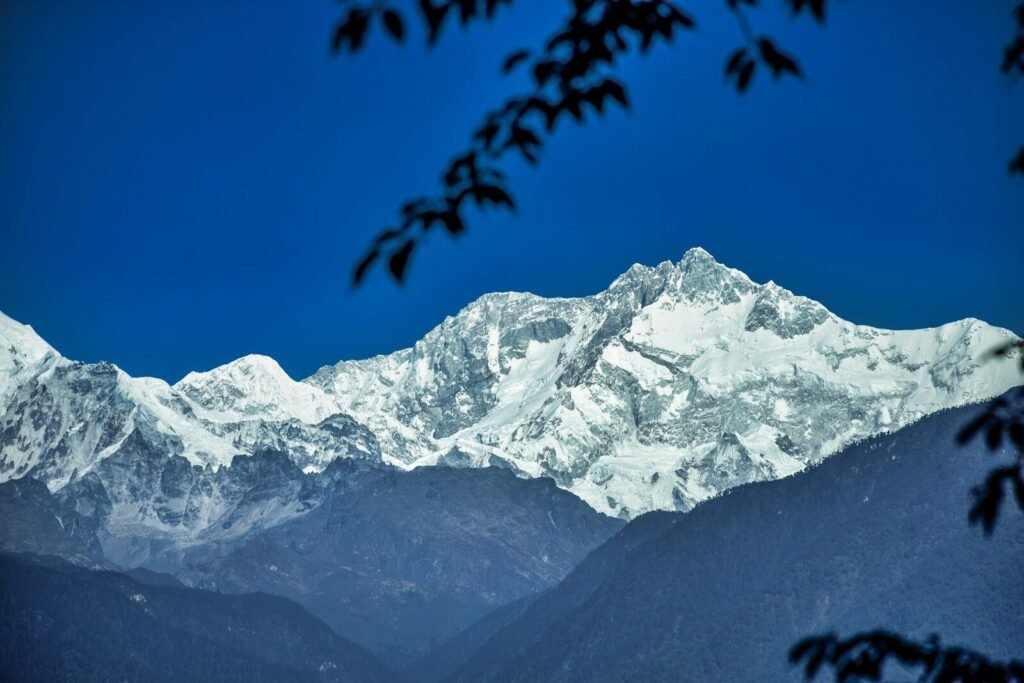
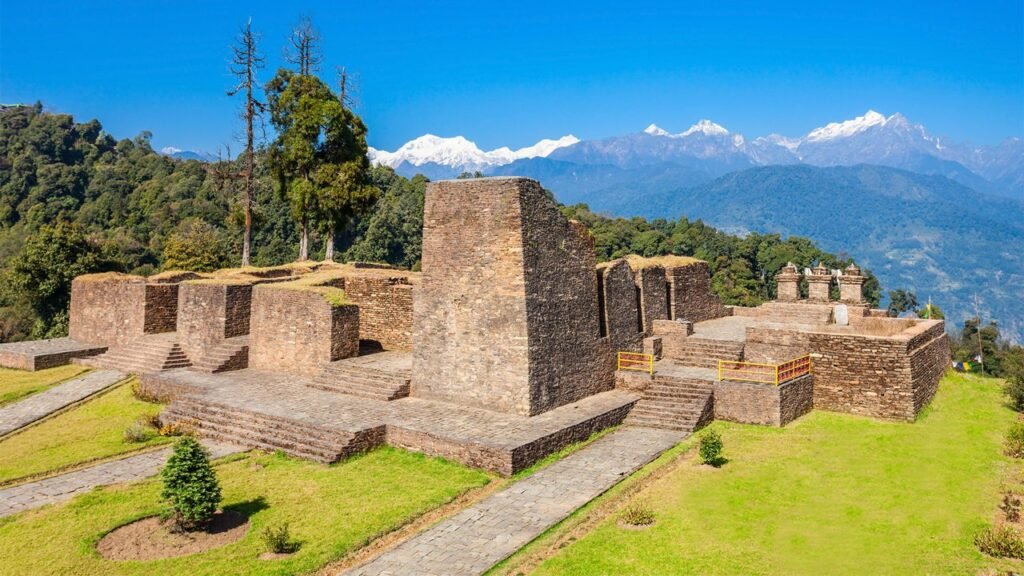
Rabdentse is one of Sikkim’s most evocative archaeological sites, located a short distance from the hill-town of Pelling in West Sikkim. The ruined palace complex, set against dense rhododendron and oak forests, offers historical interest, easy walks and panoramic views of the Himalayan range, including mount Kanchenjunga on clear days. This FAQ-style guide answers practical tourism questions and offers tips for a satisfying visit.
Rabdentse was the second capital of the historic Kingdom of Sikkim and served as a royal seat for several centuries. Today visitors see the foundations and layout of palaces, chortens (stupas), statues, and terraced gardens — enough to imagine the former grandeur. The ruins are historically significant as they mark an important period in Sikkimese polity and culture.
Rabdentse is only a short drive from central Pelling (usually a few kilometres). Most visitors hire a local taxi or take a shared jeep to the site entrance. From the parking area there is a shaded walk with steps (a few minutes to 15–20 minutes depending on pace) down to the ruins. Many travellers combine the visit with other nearby attractions such as Pemayangtse Monastery.
The nearest major transport hubs are:
Best months: March–May (spring) and September–November (autumn). These periods usually offer clear skies and pleasant temperatures for sightseeing and mountain views.
Monsoon (June–August): Expect heavy rain, slippery trails and frequent fog; visibility of the peaks is often poor. Winter (December–February): Can be cold and occasionally snowy; the site may be chilly and visibility variable.
Rabdentse is a protected archaeological site and a nominal entry fee is often collected by site authorities. No special travel permit is normally required for Indian visitors. International travellers should check current local regulations, but for most tourists no special permit is necessary to visit Rabdentse. Carry an ID and check locally for any temporary restrictions or changes.
A typical visit lasts about 1–2 hours, which is sufficient to explore the ruins, take photographs and enjoy viewpoints. History enthusiasts or photographers may spend longer. If you combine Rabdentse with nearby attractions (Pemayangtse Monastery, Khecheopalri Lake, local viewpoints), allow a half-day to full-day.
The approach includes steps and uneven paths through forested terrain; the ruins themselves are on terraced ground with steps. Rabdentse is not ideally suited for wheelchair users or those who cannot manage moderate walking. If you have mobility concerns, check with local guides for the most accessible routes and assistance options.
Visible remains include foundation stones of palaces, chortens, terraced layouts, carved stones and several viewpoints that afford views toward the Kanchenjunga range. The site’s information boards explain the layout and historical context; use them to appreciate the spatial organization of the ancient capital.
Yes — local guides and drivers often provide guided tours and historical explanations. Hiring a knowledgeable local guide enhances the visit, especially if you want detailed background on Sikkimese history, architecture and the events that led to Rabdentse’s decline.
Yes, families with children can enjoy Rabdentse, but supervise children on steps and near ruins. The short forest walk and open spaces are suitable for family photos and gentle exploration.
Facilities at the ruins themselves are limited. Basic restrooms and food stalls are usually available in or near Pelling town and at the site entrance/parking area. Plan accordingly if you have specific dietary or medical needs.
Yes — many visitors combine Rabdentse with:
Short visit (half-day): Rabdentse + Pemayangtse Monastery + local viewpoint.
Full-day: Rabdentse + Pemayangtse + Khecheopalri Lake + Singshore Bridge (requires early start and local transport arrangement).
General photography for personal use is allowed. Be mindful of other visitors and religious sensitivities at nearby monasteries. Commercial photography, videography or drone use may require permissions from local/state authorities.
Altitude at Pelling and Rabdentse is moderate; most visitors do not require acclimatisation beyond common-sense measures (stay hydrated, avoid sudden strenuous exertion). If you have health concerns, consult a physician before travel. Carry a basic first-aid kit and any personal medication.
Rabdentse is a compact, rewarding heritage site that pairs natural beauty with historical intrigue. A respectful visit not only offers memorable views and photographs but also supports conservation of a significant chapter in Sikkimese history. For the most up-to-date local details (fees, temporary closures, permit changes), check with your hotel, local tourist office or guide when you arrive in Pelling.
What makes us different from other tour package companies
Our travel experts have core and intense knowledge about Sikkim sector with over 10 years of experience that will help you choose the best possible itinerary as per your requirements.
Our travel experts are just one call away during your tour to help you with any kind of immediate assistance so that your tour is a more enjoyable and hassle-free tour.
eSikkimTourPackages ensures best rates to all our esteemed guests since we have our own hotels and fleet of vehicles and drivers and there is no third-party involvement. This ensures personalized service and best rates.






















Kindly enter the details below for your Sikkim Tour Package