Rabdentse — nestled on a ridge above the town of Pelling in West Sikkim — is one of the most evocative archaeological sites in the eastern Himalaya. Today its terraced lawns, crumbling foundations and scattered chortens recall the grandeur of the Namgyal dynasty and attract visitors who come for history, Himalayan views and a quiet sense of place. This article examines Rabdentse’s historical significance and provides practical tourism guidance for travellers.
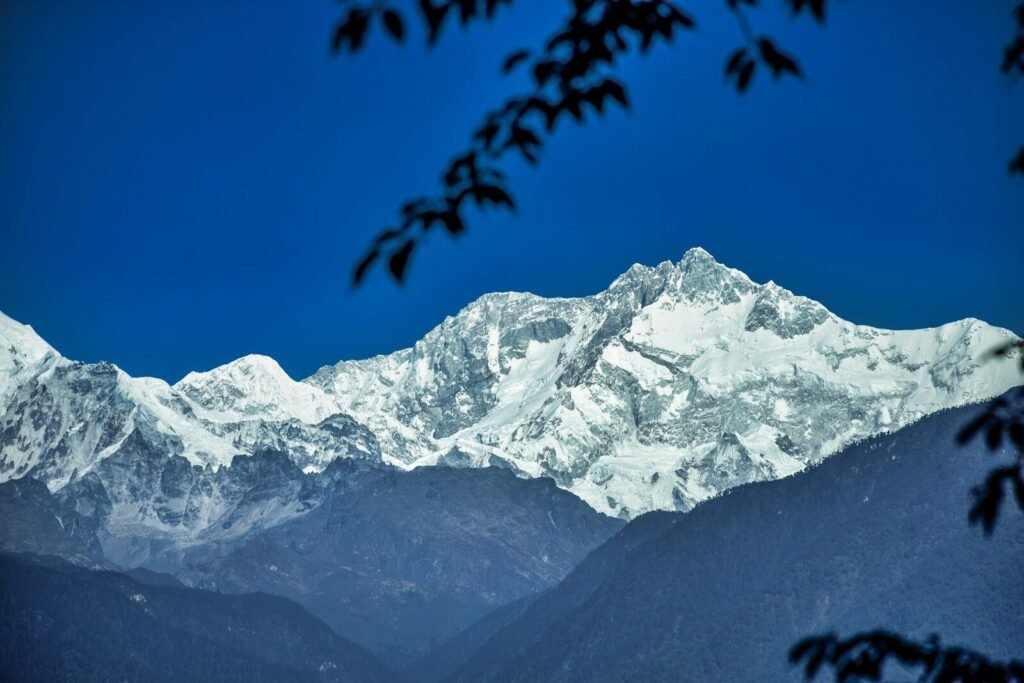
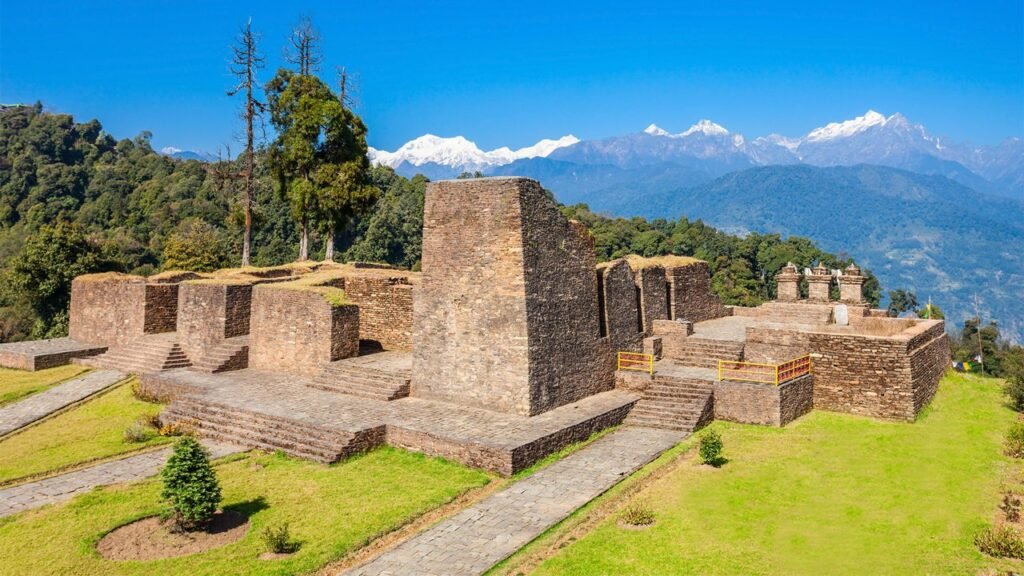
Located a short drive from Pelling town (approximately 2–3 km) and reached by a modest walk through rhododendron and oak forest, Rabdentse is set against dramatic views of the Kanchenjunga range. The site is a combination of landscaped palace platforms, religious monuments and defensive constructions that illustrate the polity and religious life of historic Sikkim.
The Kingdom of Sikkim, established in the mid-17th century, was ruled by the Namgyal dynasty (the Chogyals). The monarchy’s earliest capital was Yuksom, the coronation site of the first Chogyal. As the kingdom evolved, the seat of power shifted to other locations; Rabdentse emerged as the second royal capital and principal seat of administration for several generations of Sikkim’s rulers.
From its elevation as a capital, Rabdentse served as both a political and religious centre. The royal palace complex commanded the surrounding valleys and controlled routes linking the kingdom’s settlements. The architecture and layout reflected Tibetan-Buddhist cultural influences as well as local building traditions: tiered platforms for the palace, prayer chortens, stone gateways and retained gardens and terraces.
Rabdentse’s fortunes changed in the late 18th and early 19th centuries amid pressures from neighbouring powers. Nepali (Gorkha) incursions into Sikkim culminated in the occupation and destruction of key settlements. Rabdentse was attacked and ruined during these conflicts, and the capital was subsequently relocated — first to Tumlong and, in later years, to Gangtok. The damage left oral histories and ruinous remains that define the site today.
The surviving elements at Rabdentse show confluences of Himalayan Buddhist monastery design, Tibetan palace planning and indigenous Sikkimese construction techniques. While little of the superstructure survives, the plan of the complex provides important evidence about courtly life, religious practice and territorial organization in pre-19th-century Sikkim.
Rabdentse is more than a set of ruins: it is a locus of Sikkimese identity. The site has strong associations with the Namgyal dynasty and with events that shaped Sikkim’s political boundaries and religious landscape. For local communities and researchers alike, Rabdentse is a tangible link to the kingdom’s formative centuries.
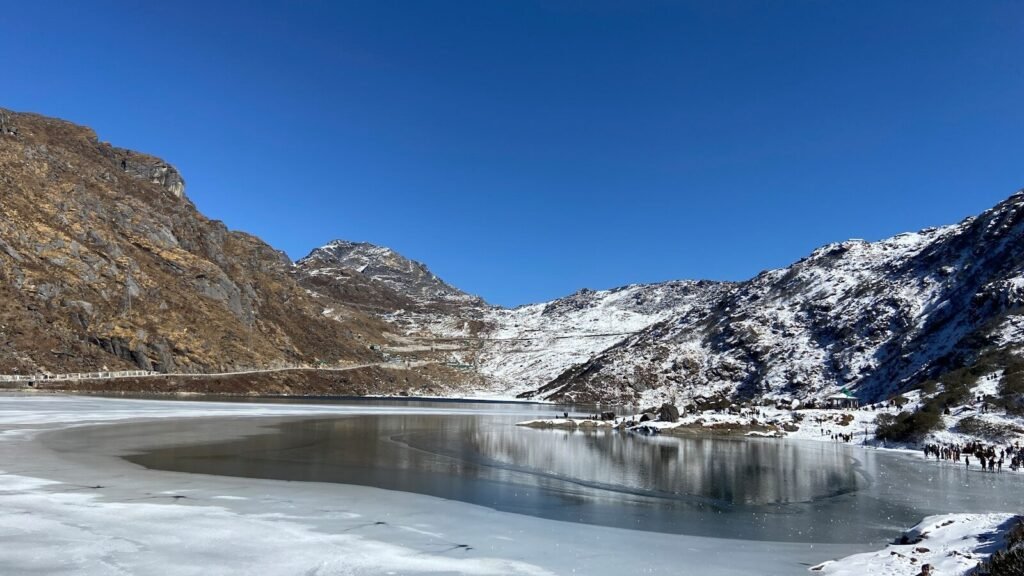
The clearest mountain views and most comfortable weather are usually in the autumn (October–December) and spring (March–May). The monsoon (June–September) brings heavy rain, limited visibility and occasional road disruptions; winter nights are cold but can offer crisp, snow-dusted panoramas.
Rabdentse is an archaeological and cultural heritage site that faces typical pressures: natural decay, vegetation overgrowth, visitor wear and limited conservation budgets. Responsible tourism practices help preserve the site for future generations. Visitors can:
Photography is a key attraction — the ruins framed by Kanchenjunga make for memorable images — but always:
Rabdentse is a compelling convergence of history, religion and mountain scenery. For travellers to Sikkim, the ruins provide not only an opportunity to explore the remains of a Himalayan kingdom but also a chance to understand the larger historical forces that shaped the region — local dynastic politics, trans-Himalayan cultural flows and the conflicts that redrew borders. Visiting Rabdentse responsibly enriches the experience and helps safeguard the site’s fragile legacy for future generations.
Before travelling, check local conditions, opening hours, permit needs and weather forecasts. Engaging a knowledgeable local guide will greatly enhance your understanding of Rabdentse’s layered history and ensure a more meaningful visit.
What makes us different from other tour package companies
Our travel experts have core and intense knowledge about Sikkim sector with over 10 years of experience that will help you choose the best possible itinerary as per your requirements.
Our travel experts are just one call away during your tour to help you with any kind of immediate assistance so that your tour is a more enjoyable and hassle-free tour.
eSikkimTourPackages ensures best rates to all our esteemed guests since we have our own hotels and fleet of vehicles and drivers and there is no third-party involvement. This ensures personalized service and best rates.




















Kindly enter the details below for your Sikkim Tour Package