Best Time to Visit Rabdentse Ruins, Pelling — A Tourism Guide
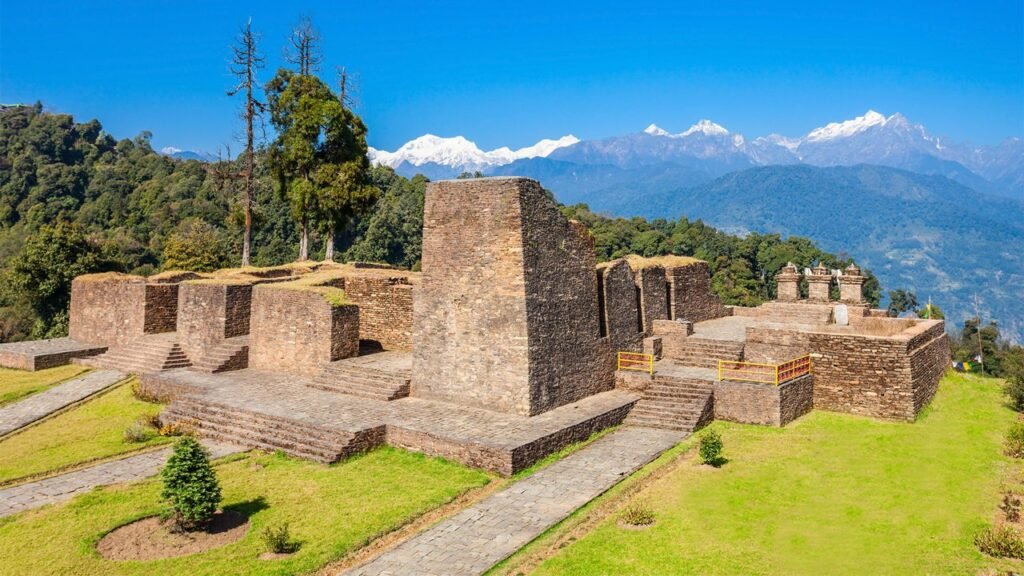
Rabdentse Ruins, the evocative remains of Sikkim’s second historical capital, sit above the town of Pelling and offer a mix of history, panoramic Himalayan views and serene trails through rhododendron and oak forests. Choosing the right time to visit significantly affects what you will experience — from clear mountain vistas and pleasant treks to misty monsoon moods or snow-dusted ruins. This guide focuses on the best time to visit Rabdentse and practical tips for planning a memorable trip.
Why timing matters
The local weather, visibility for mountain views, trail conditions and crowd levels all vary by season. Rabdentse is located at an elevated hill slope (roughly around 1,800–2,000 m / 6,000–6,500 ft above sea level), so weather can change quickly and conditions on trails can become slippery in the rains or snowy in winter.
Season-by-season overview
Spring (March to May) — The most recommended period
- Why go: Mild temperatures, blooming rhododendrons and wildflowers, clear skies for Himalayan panoramas and excellent trekking conditions.
- Weather: Warm days and cool nights; mornings often clear and crisp.
- Experience: Ideal for photography, nature walks around the ruins and visiting nearby monasteries like Pemayangtse.
Autumn (September to November) — Equally excellent
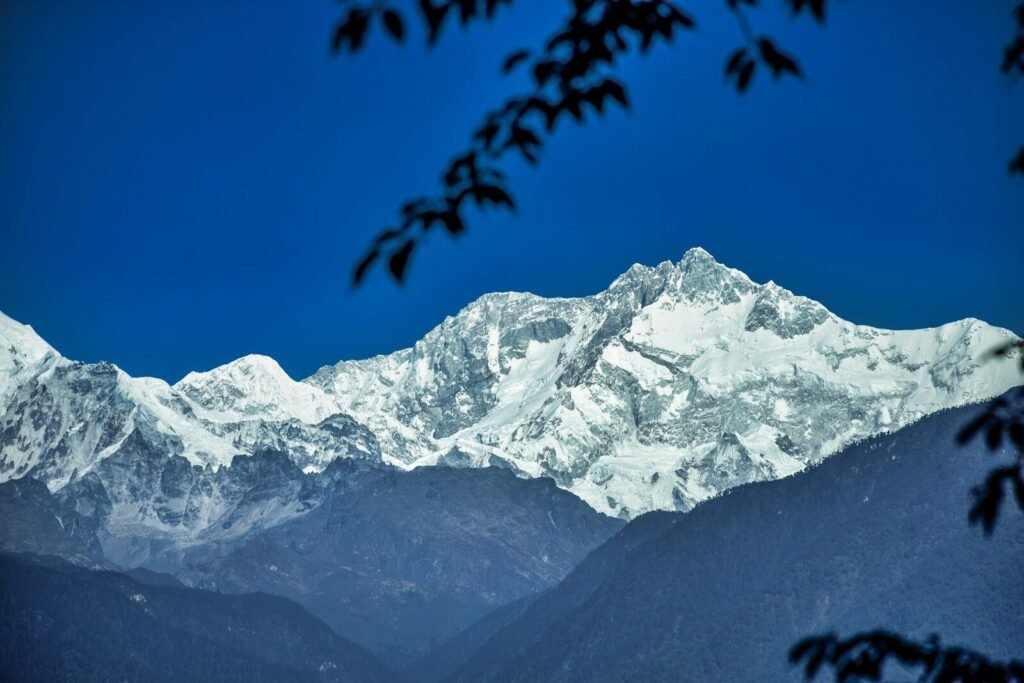
- Why go: Post-monsoon freshness and some of the clearest views of Kanchenjunga and neighboring peaks.
- Weather: Stable, dry weather with pleasant temperatures.
- Experience: Good for sightseeing, panoramic photography and combining Rabdentse with nearby lakes and villages.
Winter (December to February) — For crisp skies and fewer crowds
- Why go: Cold, clear days often give spectacular visibility of the high Himalaya; quieter tourist scene.
- Weather: Cold to very cold at times; mornings can be freezing and occasional snowfall possible at higher elevations.
- Experience: Photographers and solitude-seekers will enjoy this season; dress warmly and be prepared for icy paths.
Monsoon (June to August) — Lush but challenging
- Why go (if you do): Lush green landscapes, flowing waterfalls and fewer tourists.
- Why to be cautious: Heavy rains can cause landslides, slippery trails and limited visibility of the mountains.
- Experience: If traveling during monsoon, keep extra travel time, seek local updates on road conditions and avoid fragile cliffside trails during heavy rain.
Month-by-month quick guide
- January–February: Cold and clear; good for views if you can tolerate low temperatures.
- March–May: Best all-round — blooming season and comfortable weather.
- June–August: Monsoon — lush scenery but watch for rains and slips.
- September–November: Excellent visibility and cool, dry conditions — second-best window.
- December: Cold with potential for snow at higher spots — striking landscapes for hardy travelers.
Best time of day to explore Rabdentse
- Early morning: Best for clear views, soft golden light for photos and fewer visitors.
- Late afternoon: Good for warm evening light and quieter ambiance; sunset views can be beautiful when skies are clear.
- Midday: Warmer but light can be harsh for photography and visibility may reduce if clouds build up.
Practical travel considerations
How to reach Rabdentse
- Nearest air and rail hubs: New Jalpaiguri (NJP) and Bagdogra Airport serve as the closest major railhead/airport; from there Pelling is reached by road in several hours depending on traffic and weather.
- Road access: Pelling is connected by scenic mountain roads; the ruins are a short drive and a walk from Pelling town center.
Permits and regulations
Check current rules: Indian tourists generally face no special restrictions when visiting Rabdentse, but foreign nationals should check the latest permit requirements for Sikkim (Restricted Area Permits can apply to some parts). Also respect the site: Rabdentse is a protected archaeological site — do not remove artifacts or deface structures.
Accessibility and fitness
The site requires walking on uneven stone paths and steps. While not highly technical, visitors should wear comfortable, sturdy footwear and be ready for moderate walking. Those with limited mobility may find sections challenging.
Packing list — what to bring
- Clothing: Layered clothing (temperatures vary); warm jacket in winter and early mornings.
- Footwear: Sturdy walking shoes or hiking boots with good grip.
- Essentials: Water bottle, sunscreen, sunglasses, hat, light rain jacket during monsoon.
- Optional: Camera with spare batteries, trekking poles if you prefer extra support, basic first-aid, insect repellent.
Photography and viewing tips
- Golden hours: Arrive early or late for the best light; mountain silhouettes and ruins pick up great detail in soft light.
- Clear days: After a clear night, early mornings often offer the best visibility of the Kanchenjunga range.
- Framing: Use the ruined walls, prayer flags and rhododendrons as foreground interest to convey scale.
Combining Rabdentse with nearby attractions
- Pemayangtse Monastery: A short drive away and often visited together for its architecture and spiritual atmosphere.
- Khecheopalri Lake: A sacred lake known for its peaceful setting and legends.
- Kanchenjunga Viewpoints: Several viewpoints near Pelling offer excellent panoramas at sunrise.
Safety, conservation and etiquette
- Respect the ruins: Do not climb fragile walls, carve or take artifacts.
- Stay on marked paths: Prevent erosion and protect vegetation; off-trail walking can damage sensitive areas.
- Local culture: Dress modestly near monasteries and follow any temple etiquette.
- Weather precautions: Check local weather and road conditions, especially during monsoon and winter seasons.
Recommended visit duration and itinerary
Plan for at least 2–3 hours to explore Rabdentse comfortably — this allows time for walking the site, photography, enjoying viewpoints and visiting the nearby Pemayangtse monastery. For a relaxed trip, combine Rabdentse with a full-day Pelling loop: monasteries, lake, viewpoint and a local market.
Final recommendation
For most travelers the best time to visit Rabdentse Ruins is from March to May (spring) and September to November (autumn) — these windows offer the best balance of weather, visibility and trail conditions. Winter rewards visitors seeking solitude and crisp Himalayan vistas, while monsoon is best avoided unless you are prepared for heavy rains and possible travel disruptions.
Quick checklist before you go
- Check current travel and permit requirements for Sikkim.
- Pack warm layers and rain protection if traveling outside late spring/early autumn.
- Start early for the best views and fewer crowds.
- Hire a local guide if you want historical context and easier navigation of trails.
With thoughtful timing and preparation, a visit to Rabdentse can be a richly rewarding mix of history, culture and Himalayan scenery.