Observatory Hill, Darjeeling — Best Time to Visit (Tourism Guide)
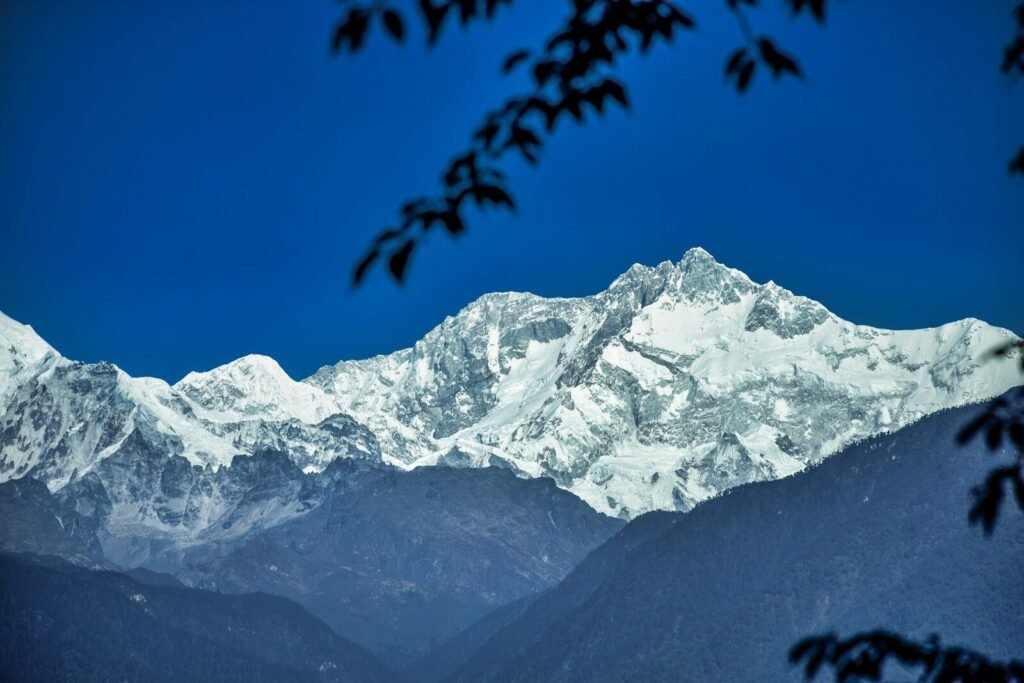
Observatory Hill is one of Darjeeling’s most revered and photogenic spots, sitting close to the Mall and offering sweeping views of the Kanchenjunga range, prayer flags, and a layered cultural landscape where Hindu and Buddhist shrines coexist. Choosing the right time to visit Observatory Hill can make the difference between a spectacular alpine sunrise and a fogged-out vista. This guide explains the climate and seasons, recommends the best months and times of day, and offers practical tips to help you plan a memorable visit.
Why timing matters
Observatory Hill is prized for its panoramic mountain views and early-morning light. Mountain visibility is heavily dependent on seasonal weather patterns: monsoon clouds, winter clarity, and spring blooms all influence what you will experience. In addition to views, timing affects crowd levels, festival experiences, and travel safety on winding Himalayan roads.
Overview of seasons
- Pre-monsoon / Spring (March–May): Pleasant temperatures, clear skies, and blooming rhododendrons and magnolias. One of the best periods for views and trekking.
- Monsoon (June–September): Heavy rainfall, low visibility, leeches and slippery trails. Not ideal for mountain views and outdoor activities; increased risk of landslides on approach roads.
- Post-monsoon / Autumn (October–November): Clear skies and excellent visibility — prime time for photography and sightseeing.
- Winter (December–February): Cold mornings with crisp air and occasional snow. Can offer dramatic, clear views but mornings are very chilly and some services may be limited.
Best months to visit Observatory Hill
- March to May (Spring): Warm days, cool nights, and good visibility. Ideal for combining mountain views with flower-filled surroundings. Less crowded than peak autumn months.
- October to November (Autumn): After the monsoon, the atmosphere is clean and visibility is consistently excellent — this is the most reliable period for unobstructed views of Kanchenjunga and surrounding peaks.
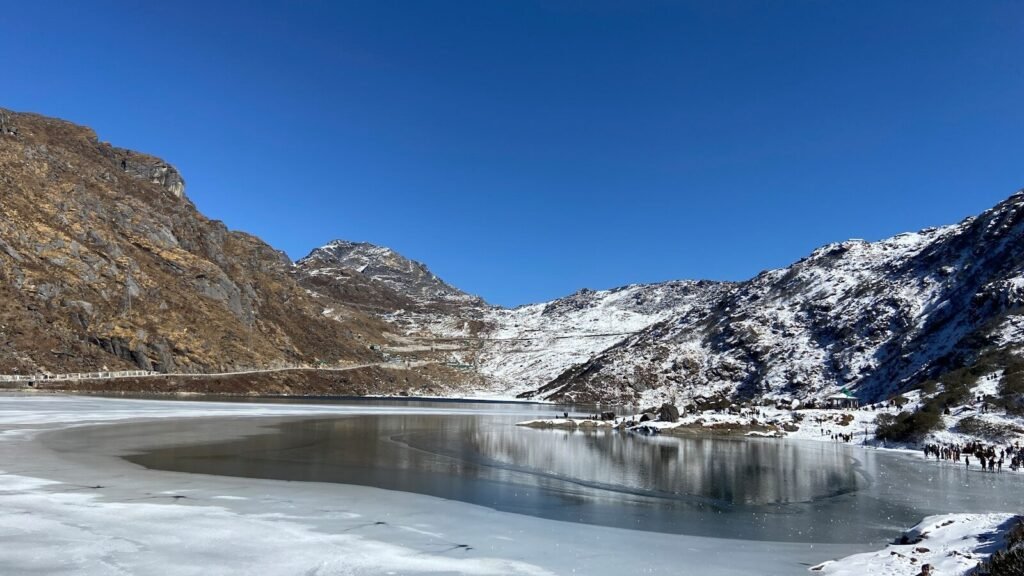
- December to February (Winter – selective): If you want crisp, dramatic skies and don’t mind the cold, winter mornings can be superb for photography. Expect sub-zero temperatures in the early hours and possible light snowfall.
Months to avoid
- June to September: Monsoon season brings heavy rain, mist, and frequent low cloud — mountain vistas will often be obscured and travel can be disrupted by landslides.
Best time of day
For Observatory Hill, the time of day matters as much as the time of year.
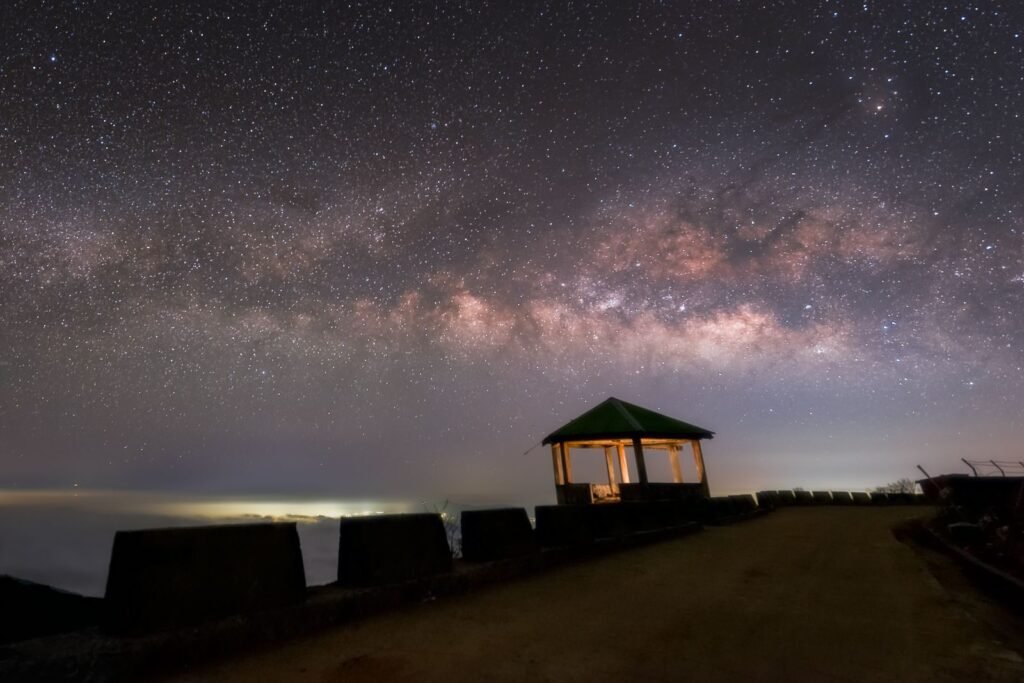
- Sunrise: The most highly recommended time. Early mornings (before and just after sunrise) often give the clearest, most dramatic views of Kanchenjunga with soft golden light. Expect cold temperatures and be prepared to arrive before dawn.
- Late afternoon / Golden hour: A secondary good window when the light is warm and shadows create depth on the mountain faces. Fewer crowds than the Mall during late afternoon.
- Midday: Haze and clouds often build by midday, especially outside winter and post-monsoon periods, reducing visibility.
What to expect by month — quick guide
- January–February: Very cold mornings, clear skies frequently. Possible snowfall; good for dramatic photography if you’re prepared for cold.
- March–May: Mild, pleasant days; rhododendrons and spring blossoms. Great visibility and comfortable trekking conditions.
- June–September: Heavy rain, frequent clouds; avoid if your priority is mountain views.
- October–November: Dry air and exceptional clarity. Peak season for photographers and general tourists.
- December: Cold and often clear; post-festive calm with good views on many days.
Practical travel and visiting tips
Getting there
- Observatory Hill is a short walk from Darjeeling’s Mall and Chowrasta. You can reach it on foot from central Darjeeling or via local taxis/jeeps.
- If you’re coming from Siliguri/Gangtok or farther away, plan for road travel time and possible slow roads during monsoon season.
Temple etiquette and rules
- Observatory Hill has religious significance for both Hindus and Buddhists. Remove shoes before entering shrines and observe quiet reverence.
- Respect prayer areas and local devotees; ask permission before photographing inside shrines or of worshippers.
What to pack
- Clothing: Layered clothing year-round — mornings and evenings can be chilly even in summer. Warm jacket for winter visits.
- Footwear: Comfortable walking shoes with grip; paths can be uneven or damp.
- Camera gear: Wide-angle for landscapes, telephoto (200–400 mm) for mountain detail, tripod for low-light sunrise shots.
- Essentials: Water, sunscreen, hat, sunglasses, small first-aid kit, and hand sanitizer. Carry cash for local offerings and small purchases.
Photography tips
- Arrive before sunrise to secure a viewpoint and to capture the alpenglow on Kanchenjunga.
- Include foreground elements — prayer flags, temple architecture, or local worshippers — to add scale and context.
- Use a tripod for sharp low-light shots and to create long-exposure cloud movement if conditions permit.
Combining Observatory Hill with nearby attractions
Observatory Hill is centrally located, making it easy to combine with other Darjeeling highlights in the same morning or afternoon:
- The Mall and Chowrasta — leisurely stroll, breakfast, local cafes.
- Tenzing Rock and Lloyd’s Botanical Garden — short walks and plant displays.
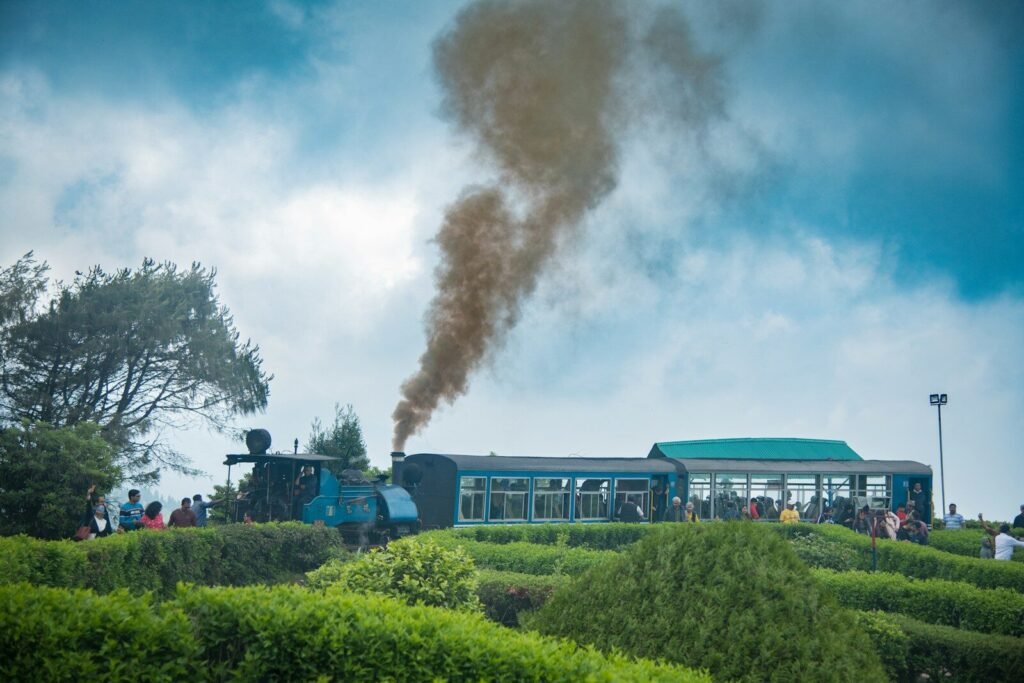
- The Darjeeling Himalayan Railway (Toy Train) — a classic ride and photo opportunity.
- Local monasteries and museums — explore Darjeeling’s cultural diversity.
Safety, accessibility and conservation notes
- Roads can be narrow and steep; allow extra time in monsoon seasons due to landslide risk.
- There are steps and uneven surfaces at Observatory Hill; those with mobility concerns should plan accordingly or seek assistance.
- Respect the hill’s cultural sensitivity: avoid littering, keep noise levels low, and follow local rules in temple areas.
Sample short itineraries
Early-morning special (best for photographers)
- 04:30 — Leave accommodation to reach Observatory Hill before sunrise.
- Sunrise — Photograph Kanchenjunga, explore the hill and shrines.
- 08:00 — Breakfast at Mall Road cafes; continue to Darjeeling Himalayan Railway or a nearby monastery.
Half-day cultural and scenic visit
- 09:00 — Stroll to Observatory Hill after a relaxed breakfast.
- Visit the shrines, enjoy the view, then walk to Chowrasta and the Mall for shopping and tea.
Final recommendation — when to plan your visit
For the best chance of clear, memorable views of Kanchenjunga and a comfortable tourist experience, plan your visit to Observatory Hill in late October–November or March–May. If your priority is dramatic, crisp mountain photography and you are prepared for cold, winter mornings (December–February) can also be rewarding. Avoid the monsoon months (June–September) if your goal is to appreciate the vistas and outdoor attractions.
Quick checklist
- Best months: Oct–Nov, Mar–May
- Best time of day: Sunrise (also late afternoon)
- Pack layers, a tripod, and respect temple etiquette
- Avoid monsoon for best visibility and safer travel
With the right timing and a little preparation, Observatory Hill offers one of Darjeeling’s most iconic mountain experiences — a blend of natural grandeur, spiritual ambiance, and Himalayan culture.