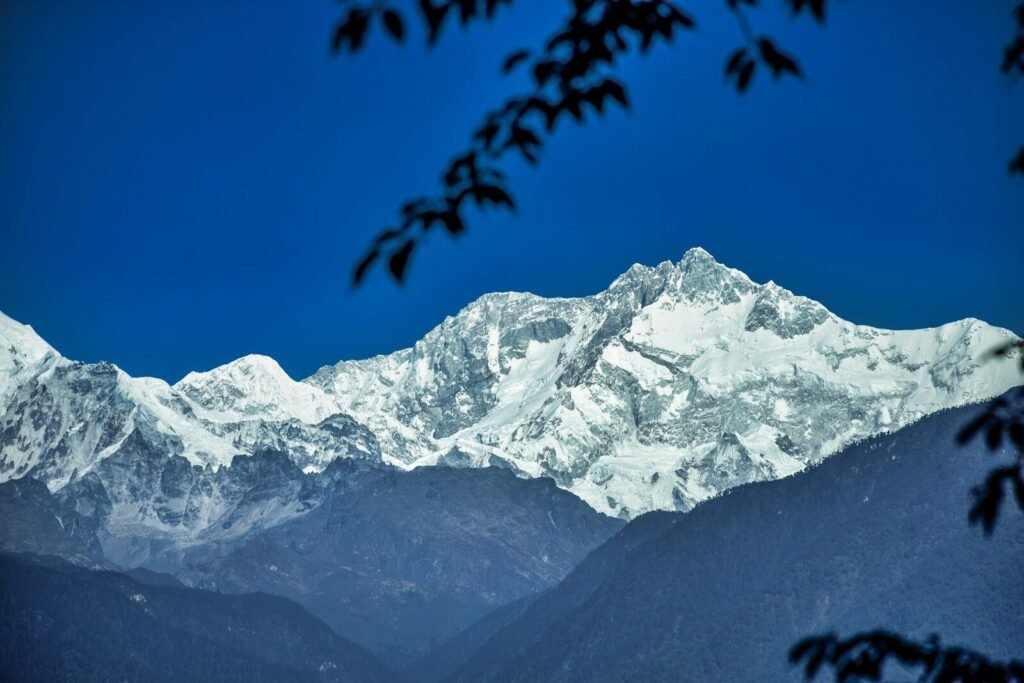
Observatory Hill is one of Darjeeling’s most visible and symbolically rich landmarks. Perched above the Mall and Chowrasta, it commands sweeping views of the Himalaya and of Darjeeling’s colonial townscape. The hill is best known today for the Mahakal Temple, its panoramic sunrise vistas, and for being a focal point where religion, history and tourism intersect.
Darjeeling itself was transformed into a hill station during the early 19th century under British colonial rule. Observatory Hill became significant early in the town’s growth as a vantage point and as a place of spiritual importance to local communities. The name “Observatory” reflects the hill’s role as a preferred spot for observation—both of the Himalayan ranges and of the emerging town below—by early visitors, officials and residents.
During the colonial era, Darjeeling developed as a sanatorium and retreat for British administrators and planters. Observatory Hill, due to its proximity to the Mall and its commanding views, became a natural attraction for promenades, photography, and informal gatherings of visitors who came to admire the sunrise over the Kanchenjunga massif and the surrounding peaks.
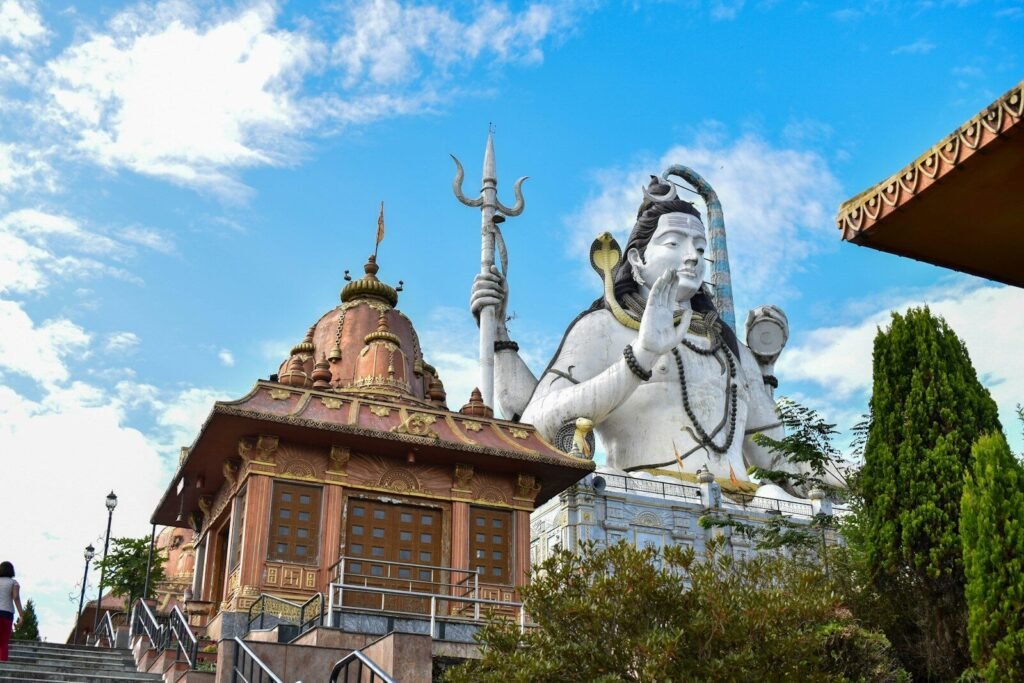
At the summit stands the Mahakal Temple, dedicated to Mahakala, a manifestation of Lord Shiva who is revered as a protector deity. The temple is distinctive for its shared reverence: it is visited by both Hindu and Buddhist worshippers, reflecting the syncretic religious fabric of the Darjeeling hills.
The temple’s rituals, small shrines, prayer flags and Buddhist devotional objects around the hill testify to centuries of local religious practice. This confluence of faiths is one reason Observatory Hill occupies not only a physical prominence but also a symbolic centrality in the town’s communal life.
Observatory Hill is active during religious festivals and local observances. Hindus observe festivities associated with Shiva, while Buddhist communities mark their ceremonial calendars nearby. For tourists, visiting during festival times offers a heightened sense of cultural life, processions and ritual color, though it may also mean larger crowds at the hilltop shrine.
Over the decades Observatory Hill has remained a major draw for visitors to Darjeeling. Its appeal arises from three complementary attractions:
From the late 19th century onward, Darjeeling was a staging point for Himalayan exploration and photography. Observatory Hill’s vistas and its accessibility made it a favored site for early photographers and enthusiasts who documented the peaks and the town, helping to shape perceptions of Darjeeling as a scenic colonial resort.
The approach to Observatory Hill passes through the Mall and the popular Chowrasta promenade—areas that retain colonial-era buildings, bungalows and avenues of rhododendron and pine. While the hilltop itself is modest in architectural scale, the surrounding townscape creates an evocative colonial hill-station setting that remains attractive to heritage-minded tourists.
Like many popular hilltop attractions, Observatory Hill faces pressures from increasing tourism, urban expansion and environmental stress. Challenges include littering, overcrowding during peak seasons and the need to balance developer and preservationist interests. Responsible tourism practices—such as limiting litter, respecting sacred spaces and supporting local conservation initiatives—are essential to keep Observatory Hill viable for future generations.
Observatory Hill is more than a viewpoint: it is a convergence point of history, faith and tourism. It encapsulates Darjeeling’s colonial past, its continuous religious traditions, and the town’s enduring appeal as a Himalayan destination. For first-time visitors, the hill provides a compact but deep introduction to what makes Darjeeling distinct: dramatic mountain scenery and a layered cultural landscape.
Observatory Hill remains an essential stop in Darjeeling for its compact mix of history, culture and scenery. Whether approached as a spiritual place, a colonial-era landmark, or simply a spot for spectacular Himalayan sunrise views, it continues to draw travelers who wish to experience the multiple layers that define Darjeeling’s identity.
What makes us different from other tour package companies
Our travel experts have core and intense knowledge about Sikkim sector with over 10 years of experience that will help you choose the best possible itinerary as per your requirements.
Our travel experts are just one call away during your tour to help you with any kind of immediate assistance so that your tour is a more enjoyable and hassle-free tour.
eSikkimTourPackages ensures best rates to all our esteemed guests since we have our own hotels and fleet of vehicles and drivers and there is no third-party involvement. This ensures personalized service and best rates.






















Kindly enter the details below for your Sikkim Tour Package