This FAQ-style article answers common questions travelers have about Ngadak Monastery in Namchi (South Sikkim), focusing on practical tourism information, cultural context, and tips for a respectful visit. Where specifics (timings, fees, guided tours) can change, guidance is given and travelers are advised to confirm details locally.
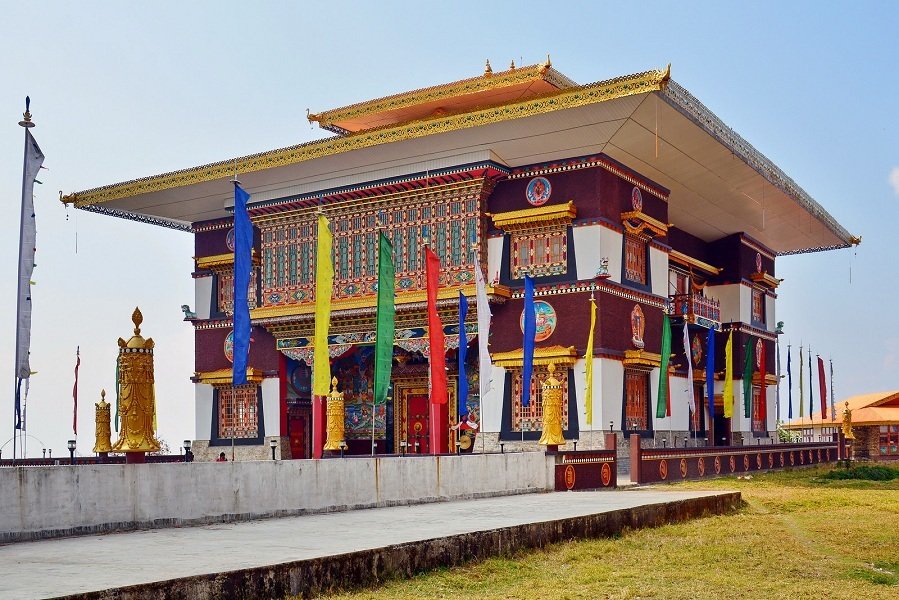
Ngadak Monastery is a Buddhist monastery located in the Namchi area of Sikkim. It is part of the region’s rich Buddhist heritage and serves both as a place of worship for the local community and as a destination for visitors interested in culture, religion, and hill-station scenery.
The monastery is situated in the Namchi region of South Sikkim. Namchi is about 78–80 km from Gangtok (the state capital) by road. Exact location and access points vary; most visitors travel to Namchi town first and then take local transport or walk to sites nearby.
Ngadak Monastery functions as a local religious center for Tibetan Buddhism in the region, hosting daily prayers, rituals, and occasional festivals. Architecturally and artistically, it typically contains prayer halls, statues, thangkhas (scroll paintings), and murals that represent Sikkimese Buddhist traditions.
Best seasons:
Winter (December–February) can be cold, with occasional fog or light snowfall at higher elevations; monsoon (June–August) brings rain and landslip risk on some roads. Check local forecasts and road conditions before travel.
Opening hours vary by monastery. Many smaller monasteries open in the early morning for prayers and remain accessible during daylight hours. Some have a midday closure. Entry is often free, though donations are customary and welcomed to help maintenance. Always verify current hours with the local tourism office or your accommodation.
Yes — local guides and drivers in Namchi and nearby towns often offer short guided visits to monasteries and cultural sites. Guided tours can provide local history, explanations of rituals and iconography, and help with language and photography etiquette. Book through your hotel, a licensed guide, or a reputable tour operator.
Common routes:
Public buses and shared jeeps run on regional routes; schedules can be irregular. Private taxis offer greater convenience if you have limited time.
Many hill monasteries have uneven steps, narrow paths, and limited formal ramps. Parking may be available at or near the access point, but the approach could involve slopes and stairs. Visitors with mobility needs should plan for assistance, contact the monastery in advance where possible, and expect limited wheelchair access in older buildings.
Yes. Show respect for religious customs:
Visitors are usually welcome to observe public prayers. Festivals (tsechus, mask dances, or special pujas) are open to guests but may be crowded and require early arrival for good viewing. If you wish to participate more actively, clarify expectations with monastery staff or a local guide.
Facilities vary by site. Some monasteries have basic toilet facilities and drinking water nearby; others rely on amenities in the nearest town. Small stalls may sell tea, snacks, or religious items close by. Carry water and basic supplies when visiting remote locations.
Plan 30–90 minutes for a standard visit (walkaround, prayer hall visit, photos, and short talk with a monk or guide). If you attend a service, festival, or want to explore nearby paths and viewpoints, allocate half a day or more.
Namchi and its surroundings host several attractions visitors often combine with monastery visits:
Namchi town offers a range of guesthouses, budget hotels, and some mid-range properties. You can also find homestays that provide local meals. Typical Sikkimese and North-Indian dishes are widely available; ask your host for recommendations for authentic, hygienic options.
Small shops, donation boxes, and many local services often prefer cash (Indian rupees). ATMs operate in larger towns, but carry sufficient cash for remote visits and small purchases.
Photography policies vary by monastery. Many allow exterior and courtyard photos but restrict photography inside prayer halls or of people during prayer. Always request permission before photographing monks or worshippers. Use a long lens to avoid disturbing rituals if permission is granted.
Large monasteries or cultural trusts sometimes run volunteer programs or educational initiatives, but smaller local monasteries may not. If you are interested in volunteering, contact local NGOs, monastic trusts, or the Sikkim tourism office to learn about legitimate opportunities that match your skills and timeframe.
Local vendors often sell prayer beads (mala), thangka reproductions, incense, small statues, local handicrafts, and textiles. Ensure fair pricing and be mindful of cultural sensitivities (e.g., avoiding sales of sacred artifacts that may be inappropriate to export).
For the most reliable, current information, contact:
Because local schedules, access rules, and amenities can change, always verify details close to your travel date.
Visiting Ngadak Monastery can be a peaceful and culturally enriching experience when approached with planning and respect. Use this FAQ as a starting guide, but confirm practical details locally for an enjoyable and responsible visit to Namchi’s spiritual and scenic offerings.
What makes us different from other tour package companies
Our travel experts have core and intense knowledge about Sikkim sector with over 10 years of experience that will help you choose the best possible itinerary as per your requirements.
Our travel experts are just one call away during your tour to help you with any kind of immediate assistance so that your tour is a more enjoyable and hassle-free tour.
eSikkimTourPackages ensures best rates to all our esteemed guests since we have our own hotels and fleet of vehicles and drivers and there is no third-party involvement. This ensures personalized service and best rates.




















Kindly enter the details below for your Sikkim Tour Package