Maenam Hill, rising above the small township of Ravangla in South Sikkim, is one of the region’s most recognisable natural landmarks. While today it is best known as a destination for short treks, birdwatching and panoramic Himalayan views, Maenam’s significance is layered—geographical, cultural and historical—and these layers shape how tourism has grown around it.
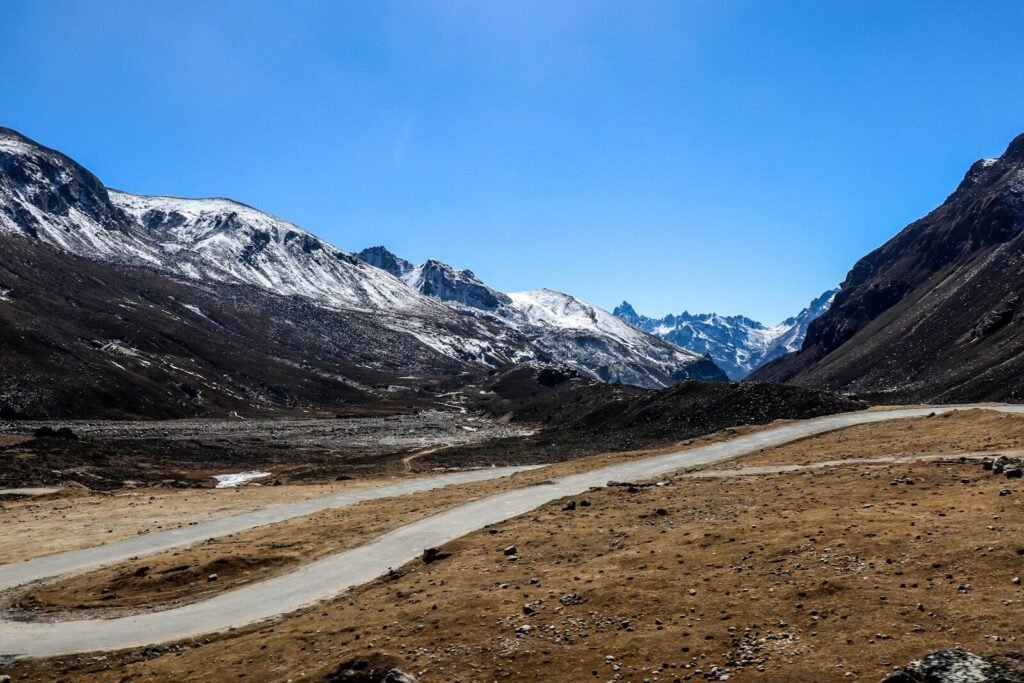
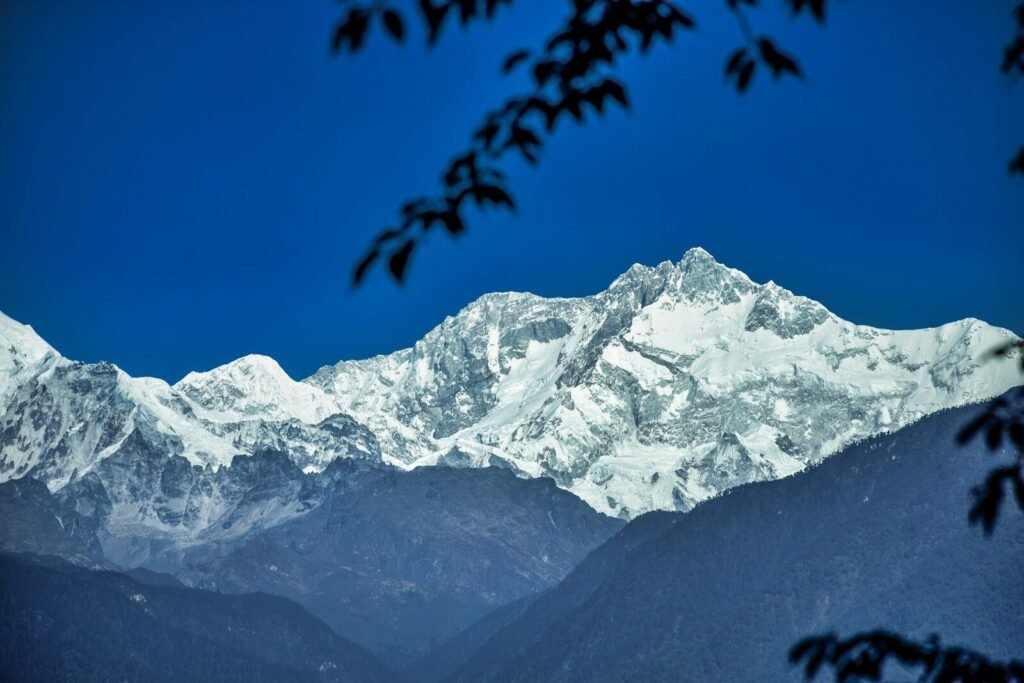
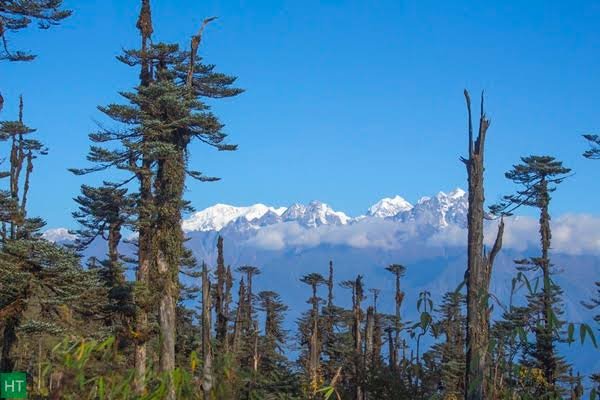
Maenam Hill forms part of the southern slopes of the Eastern Himalaya. From Ravangla and nearby vantage points the ridge offers sweeping views of the Kanchenjunga range and the intervening forests and valleys. The hill’s mixed temperate forests—home to rhododendrons, orchids, oak and broadleaf stands—make it attractive for nature tourism year-round, with particularly vivid displays in spring and autumn.
Long before modern tourism, Maenam was part of the living landscape of local communities—predominantly Lepcha and Bhutia groups in South Sikkim. For these communities the hill and surrounding forests provided sustenance (medicinal plants, wild fruits, grazing areas) and carried cultural associations. Oral histories and local ritual practices reflect a deep, place-based relationship with the land; certain trees, glades or streams around Maenam were traditionally regarded with sacred respect and featured in local folklore.
During the 19th and early 20th centuries, European surveyors and naturalists began mapping the Sikkim Himalaya and documenting its flora and fauna. While Maenam itself was not a major colonial outpost, the broader mapping and botanical work of the period brought scientific attention to the region’s biodiversity. This early documentation later helped position Maenam within wildlife and conservation discussions.
In the decades after Indian independence, administrative attention to Sikkim’s forests and wildlife increased. As road access improved and Ravangla became more integrated into regional networks, Maenam moved from a local resource to a recognized site for recreation and nature appreciation. Parts of the Maenam area were formally protected in the later 20th century as wildlife and conservation priorities were established—an important turning point that influenced how tourism would be managed thereafter.
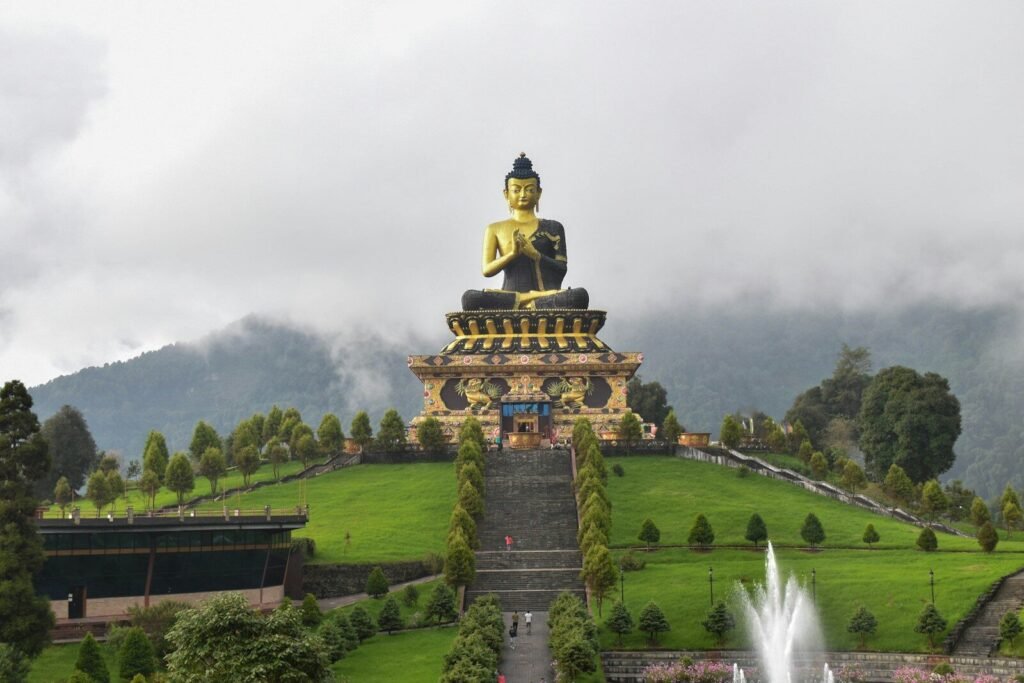
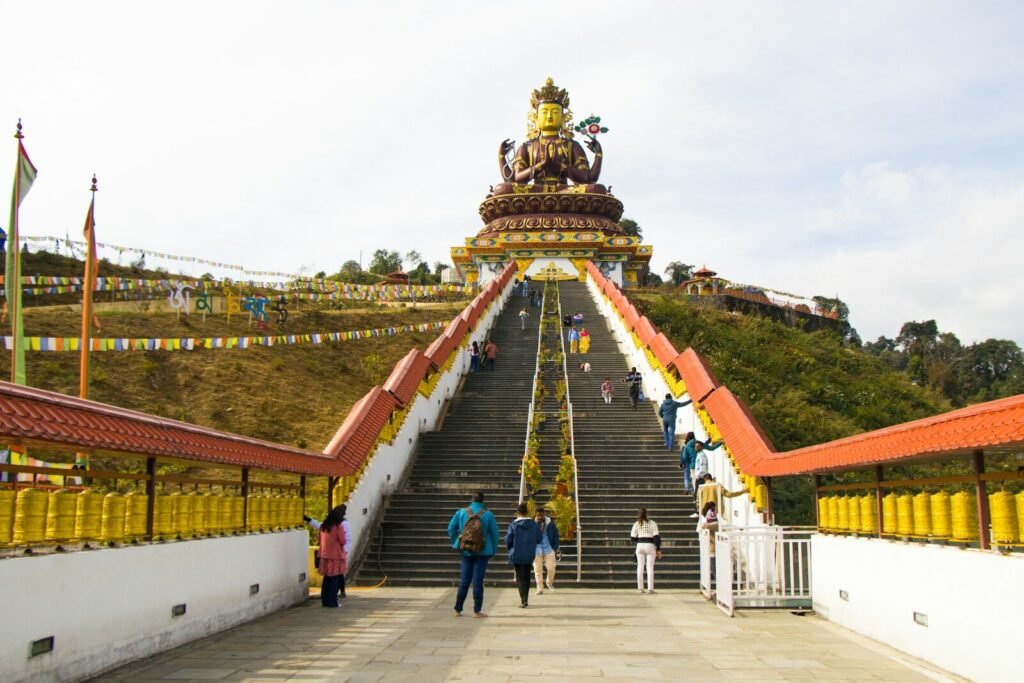
Maenam and the Ravangla area are closely tied to Sikkimese Buddhist culture. Ravangla is known for its monasteries and the nearby Buddha Park; pilgrimages and local festivals bring visitors who often combine cultural sightseeing with short nature excursions to Maenam. The hill’s ridges and glades sometimes host local ritual activities, and the mountain’s name and features appear in local songs and stories.
Beginning in the late 20th century and accelerating in the 1990s–2010s, Maenam evolved from a site for local walks and picnics into a structured destination for trekkers, birdwatchers and nature tourists. Local entrepreneurs, homestays and small guesthouses in Ravangla began to market Maenam treks as day hikes and overnight experiences. Private and public agencies improved trail marking, and local guides and porters became part of the tourism ecosystem.
Maenam’s forests support a suite of Himalayan species. Conservation measures—both formal (protected area status, forest regulations) and informal (community stewardship)—have shaped how tourism operates. The growth of tourism has had mixed consequences: it created incentives for local conservation through income generation, but it also introduced pressures such as trail erosion, litter and unregulated visitor behavior.
Ravangla is the primary gateway for Maenam treks. The town has a range of guesthouses, homestays and small hotels. Infrastructure has improved over recent decades, but visitors should plan for limited high‑end services and value community‑run accommodations for authentic experiences.
Tourism has brought both economic opportunity and environmental challenges to Maenam and Ravangla. The history of the hill’s use—from a local resource and cultural landmark to a regional tourism asset—highlights the need to balance visitor access with long‑term conservation. Ongoing efforts focus on:
Maenam Hill’s history is not confined to a single era: it is a palimpsest of indigenous stewardship, scientific interest, conservation policy and tourism development. In the context of tourism, Maenam stands as an example of how a natural feature can be woven into both cultural identity and local livelihoods. The ongoing challenge—and opportunity—is to manage visitor interest so that the hill’s ecological integrity and cultural value continue to thrive for future generations.
For current trail conditions, permit information and guide contacts, visitors should consult Ravangla tourism offices, local conservation NGOs and official Sikkim tourism resources. Local homestay associations and community groups are excellent starting points for authentic and responsible visits.
What makes us different from other tour package companies
Our travel experts have core and intense knowledge about Sikkim sector with over 10 years of experience that will help you choose the best possible itinerary as per your requirements.
Our travel experts are just one call away during your tour to help you with any kind of immediate assistance so that your tour is a more enjoyable and hassle-free tour.
eSikkimTourPackages ensures best rates to all our esteemed guests since we have our own hotels and fleet of vehicles and drivers and there is no third-party involvement. This ensures personalized service and best rates.























Kindly enter the details below for your Sikkim Tour Package