Best Time to Visit Maenam Hill, Ravangla — A Tourism Guide
Maenam Hill, a tranquil ridge near the town of Ravangla in South Sikkim, is prized by travelers for sweeping views of the Himalaya (including Kanchenjunga on clear days), rhododendron-clad slopes, birdlife and relatively gentle trekking routes. Choosing the best time to visit depends on what you want to experience: floral displays, clear mountain vistas, fewer crowds, snow or wildlife watching. This guide breaks down the seasons, month-by-month recommendations, and practical tips to help you plan an ideal visit.
Quick Overview
- Ideal months: March–May (spring) and September–November (autumn).
- Secondary options: December–February for snow lovers (cold, shorter daylight); June–August monsoon is wet with limited visibility but lush landscapes.
- Main attractions: Sunrise/sunset views of Kanchenjunga, rhododendron blooms, birdwatching, short treks, Maenam Wildlife Sanctuary.
Why Timing Matters
Visibility and trail conditions vary widely across the year. Clear skies during spring and autumn maximize chances of seeing distant peaks and colorful landscapes. Monsoon months increase the risk of road closures and landslides; winter brings snow and sub-zero temperatures but very crisp mountain panoramas if you’re prepared.
Seasonal Breakdown
Spring (March–May) — Best for Rhododendrons and Mild Weather
Highlights: Rhododendron forests burst into bloom (late March–April into May depending on altitude), moderate daytime temperatures, comfortable trekking conditions, and generally good visibility.
- Why go: Ideal for nature lovers, photographers and birdwatchers. Trails are accessible and landscapes look vivid with flowers and fresh foliage.
- Drawbacks: Popular time so weekends can be busier; book accommodation in advance if visiting during holidays.
Summer / Monsoon (June–August) — Lush but Rainy
Highlights: Lush greenery, active streams and waterfalls, fewer tourists and lower prices.
- Why go: If you prefer solitude, dramatic cloudscapes and deep green forests.
- Drawbacks: Heavy rains can reduce visibility of distant peaks, trails may become slippery, and some roads can be affected by landslides. Outdoor plans may be frequently interrupted by weather.
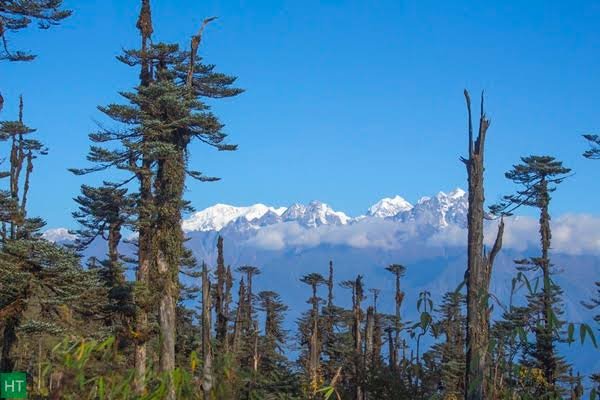
Autumn (September–November) — Best for Clear Views
Highlights: Post-monsoon clarity brings excellent visibility of the Himalaya; cool, dry days and comfortable nights; ideal trekking weather.
- Why go: Best season for unobstructed mountain panoramas and stable weather—great for sunrise photography and longer hikes.
- Drawbacks: Can be busy during festival periods; nights start getting cold toward November.
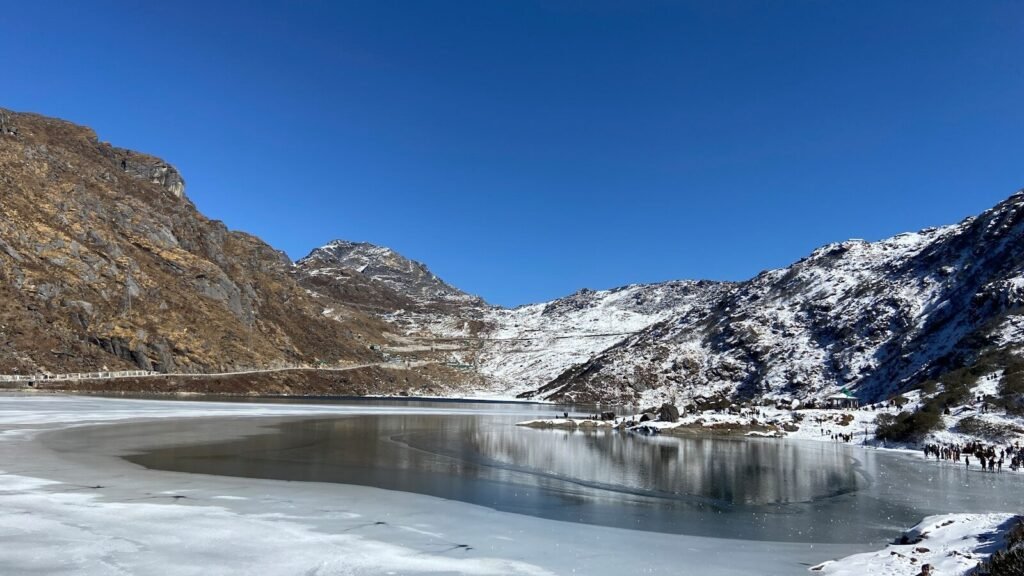
Winter (December–February) — Snow and Silence
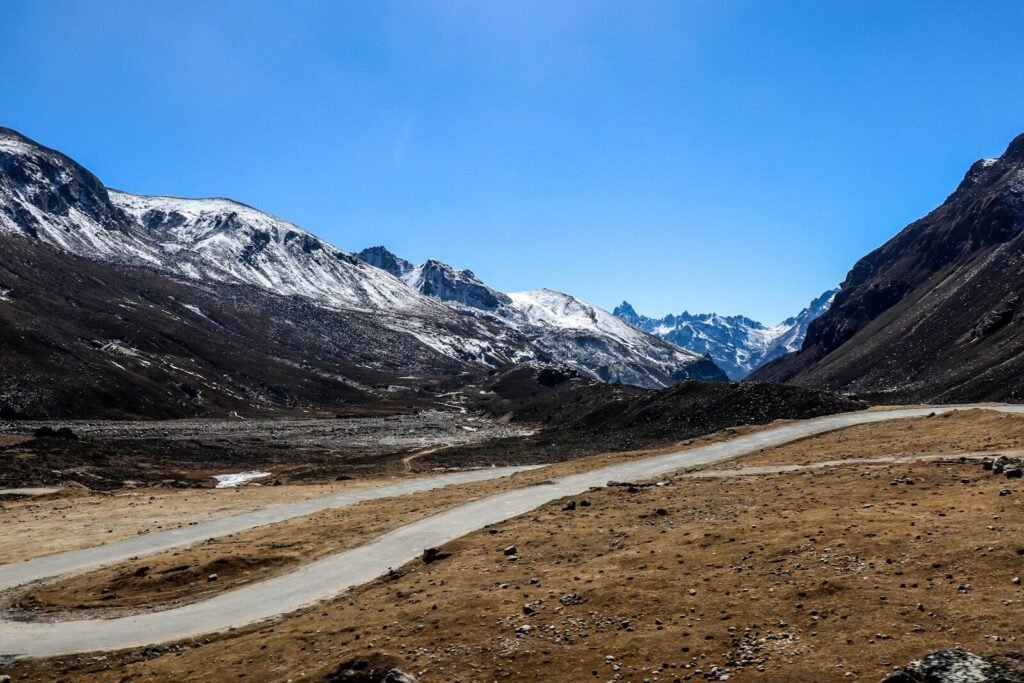
Highlights: Snow-capped scenery, quiet trails, and a very peaceful atmosphere.
- Why go: For snow experiences near Ravangla without needing extreme-altitude gear—short treks and sunrise views can be spectacular on clear days.
- Drawbacks: Cold temperatures, occasional road disruptions due to snow or ice, some accommodations may reduce services off-season.
Month-by-Month Guide
- January–February: Cold, occasional snow. Good for solitude; sunrise views on clear days. Pack warm layers.
- March–April: Spring awakening, rhododendrons start blooming, comfortable treks. One of the best windows to visit.
- May: Full spring bloom, warmer days—excellent for flora and wildlife watching.
- June–August: Monsoon; expect rain, mist, and lush scenery. Not ideal for long treks or peak-views.
- September–October: Post-monsoon clarity, top season for views and trekking. Highly recommended.
- November: Clear skies and cooler nights; dust-free views of the Himalaya.
- December: First snows possible; crisp weather and fewer tourists.
Best Time of Day
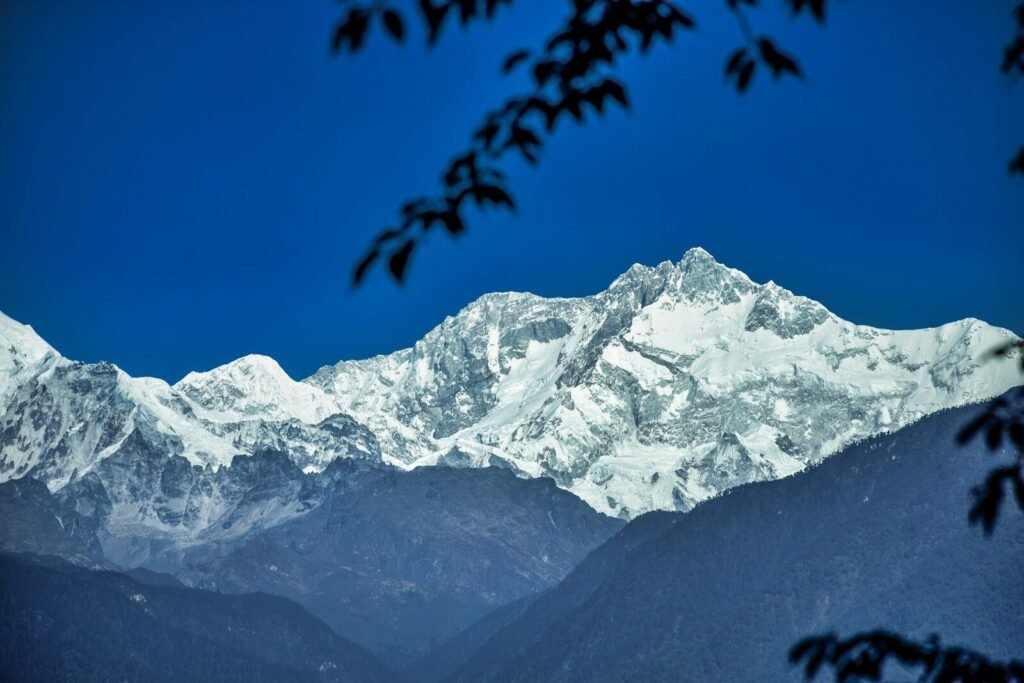
- Sunrise: Prime time for unobstructed views of Kanchenjunga and brilliant light on the mountains. Early starts required.
- Late afternoon / Sunset: Colours can be striking, though visibility may reduce later in the day as clouds roll in.
- Midday: Useful for trekking when snow/ice is firmer in winter and for birdwatching in calm weather.
What to Pack by Season
Spring & Autumn
- Light wool layers, windproof jacket, comfortable trekking shoes
- Sunscreen, sunglasses, hat — UV at altitude is stronger
- Binoculars for birdwatching and long-range views
Winter
- Heavy down jacket, insulated boots, thermal layers, gloves and hat
- Traction aids for icy paths if you plan to trek
Monsoon
- Waterproof jacket and trousers, quick-dry clothing
- Good raincovers for bags, insect repellent and waterproof footwear
Practical Travel Tips
Getting There
Ravangla is accessible by road from Gangtok and Siliguri/NJP. The nearest major railhead is New Jalpaiguri (NJP) and the nearest large airport is Bagdogra (IXB). From these hubs, shared taxis, private cars or local buses can take you to Ravangla and onward to Maenam trailheads.
Accommodation
Ravangla village and nearby hamlets offer a range of stays: guesthouses, homestays, small hotels and a handful of boutique resorts. During peak seasons (spring and autumn) book in advance.
Permits and Regulations
Most areas around Ravangla are open to tourists, but Sikkim permit requirements can change—especially for foreigners and higher restricted zones. Always check current local permit rules before travel.
Health & Safety
- Acclimatize gradually—avoid sudden heavy exertion on the first day if you arrive from low altitude.
- Carry water, snacks and a basic first-aid kit on hikes. Mobile coverage may be patchy on trails.
- During monsoon and winter, confirm road conditions with locals before setting out.
Activities by Season
Spring
- Rhododendron walks and floral photography
- Birding—many migratory and Himalayan species are active
Autumn
- Trekking to the Maenam summit/plateau
- Sunrise photography of Kanchenjunga
Winter
- Snow-walks, short treks (with appropriate gear)
- Peaceful stays and cultural immersion in villages
Monsoon
- Nature observation—lush forest and waterfalls
- Indoor cultural activities, local cuisine, and handicraft shopping
Photography & Wildlife Tips
For photographers, the clearest long-distance shots occur in autumn and spring mornings. Carry a telephoto lens for birds and distant peaks; a wide-angle lens is useful for landscape panoramas at sunrise and sunset. Keep binoculars handy for spotting pheasants, sunbirds and other Himalayan species in the Maenam sanctuary.
Suggested Short Itineraries
Two-Day Weekend (Short Stay)
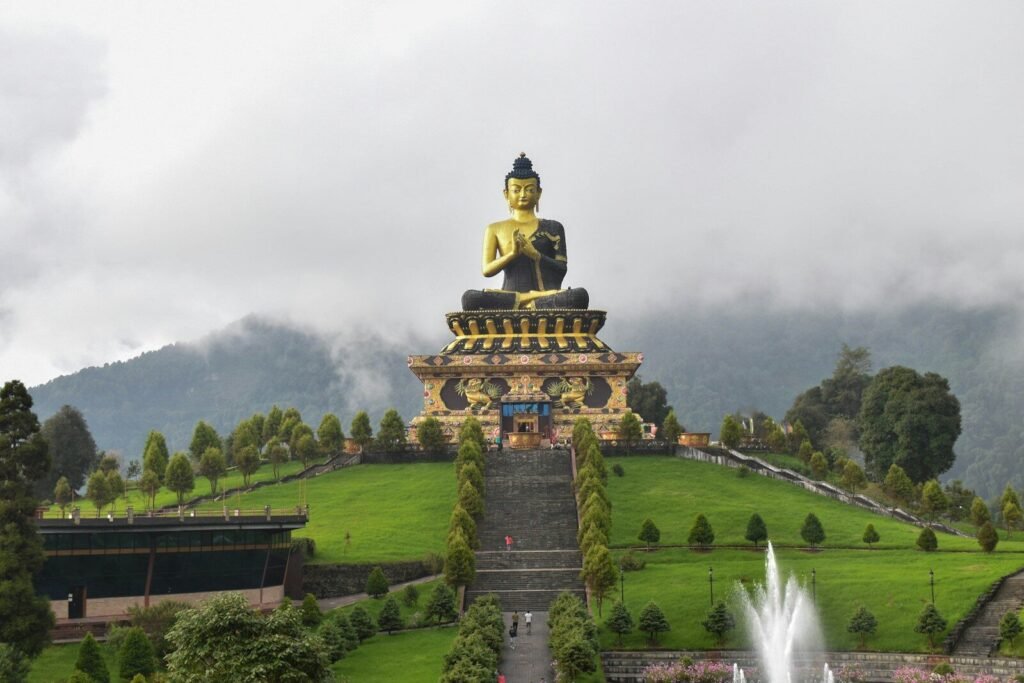
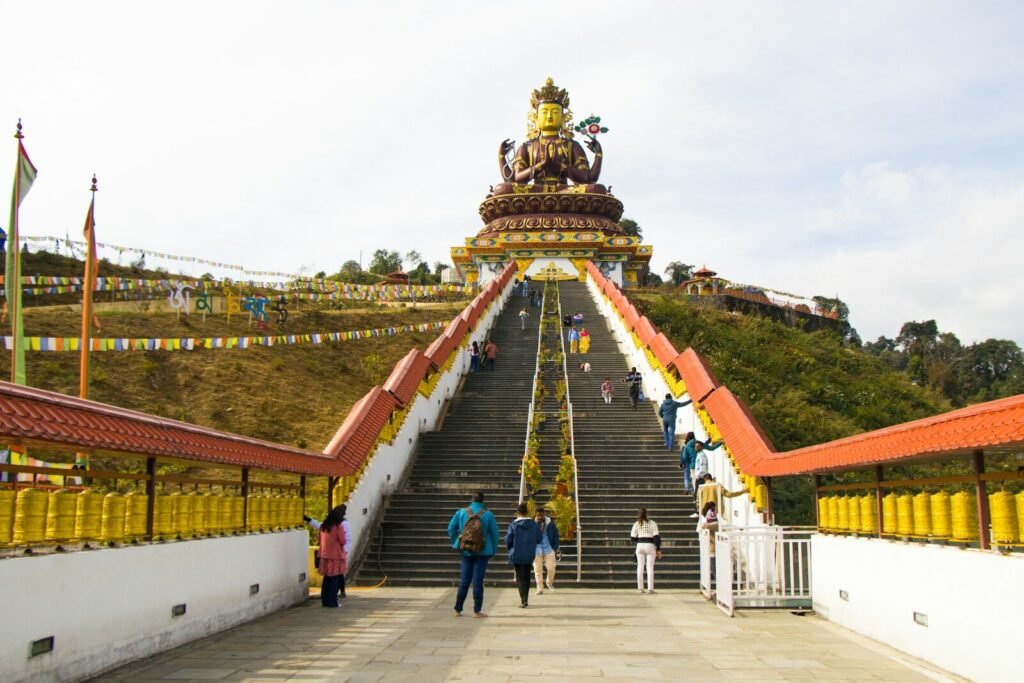
- Day 1: Reach Ravangla, visit Buddha Park (Tathagata Tsal) and local viewpoints; short evening stroll.
- Day 2: Early sunrise at Maenam viewpoint, short trek in Maenam sanctuary, return by afternoon.
Three-to-Four Day Nature & Trekking
- Day 1: Arrive and acclimatize in Ravangla.
- Day 2: Full-day Maenam Ridge trek and explore rhododendron forests.
- Day 3: Birdwatching and village visits; evening relaxation or departure next morning.
Final Recommendation — When to Go
If you have to pick one window: Plan for March–May for floral splendor or September–November for the clearest mountain views and best trekking conditions. These seasons balance comfortable weather, accessible trails and the highest likelihood of seeing Kanchenjunga in all its glory.
Whichever time you choose, monitor local weather forecasts, confirm road and trail conditions, and respect local customs and protected areas. Maenam Hill rewards visitors with peaceful Himalayan scenery—timed right, your visit will be unforgettable.