Best Time to Visit: Green Lake Trek Base, Lachen (Tourism Guide)
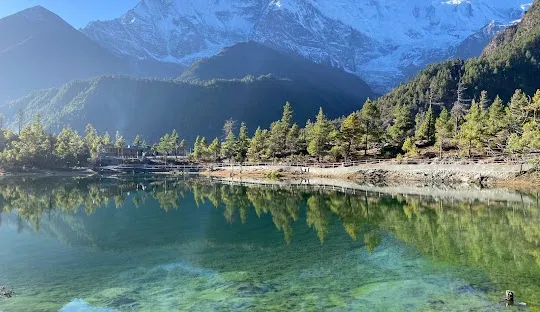
Green Lake Trek Base near Lachen in North Sikkim is a spectacular high‑altitude destination for trekkers and nature lovers. Choosing the right time to visit is critical: it affects safety, views, trail conditions, accommodation availability, and cultural experiences. This article explains the seasons, month‑by‑month considerations, logistics, and practical tips so you can plan your trip to the Green Lake trek from Lachen with confidence.
At a glance: best seasons
- Primary best window: Mid‑April to early June (pre‑monsoon / spring)
- Secondary best window: Late September to mid‑November (post‑monsoon / autumn)
- To avoid: July–August (monsoon: heavy rain, landslides); December–February (deep winter: heavy snow, road closures)
Why these months are best
Spring (Apr–early Jun) offers stable, clear weather, abundant wildflowers (including rhododendrons at lower slopes), and comfortable daytime temperatures. Trails are generally snow‑free at lower elevations and views of the high peaks are excellent.
Autumn (late Sep–mid Nov) follows the monsoon wash‑out, delivering crisp skies, excellent visibility of peaks and glaciers, cooler but stable conditions for trekking, and fewer insects.
Month‑by‑month considerations
- March: Transition month — snow possible at higher altitudes; fewer crowds; chilly nights.
- April to early June: Ideal for most trekkers — pleasant weather, flora in bloom, clear views.
- July–August: Monsoon — heavy rain, slippery trails, and increased risk of landslides and roadblocks; not recommended for the Green Lake approach.
- September to mid‑November: Excellent post‑monsoon conditions — clear skies and great visibility; nights grow colder as November approaches.
- Late November–February: Winter conditions — heavy snow at higher altitudes, many routes/permits closed, limited services in Lachen.
Weather and trail conditions to expect
The Green Lake area is high altitude. Lower approach valleys near Lachen are comparatively mild, but once you ascend toward the Green Lake basin you encounter alpine terrain with rapid temperature swings. Afternoon clouds can form quickly in shoulder seasons; morning windows are typically best for photography and summit or ridge views.
- Temperatures: Daytime in Lachen during the best windows: cool to mild; nights chilly. Higher on the trek the temperature can drop below freezing at night even in spring/autumn.
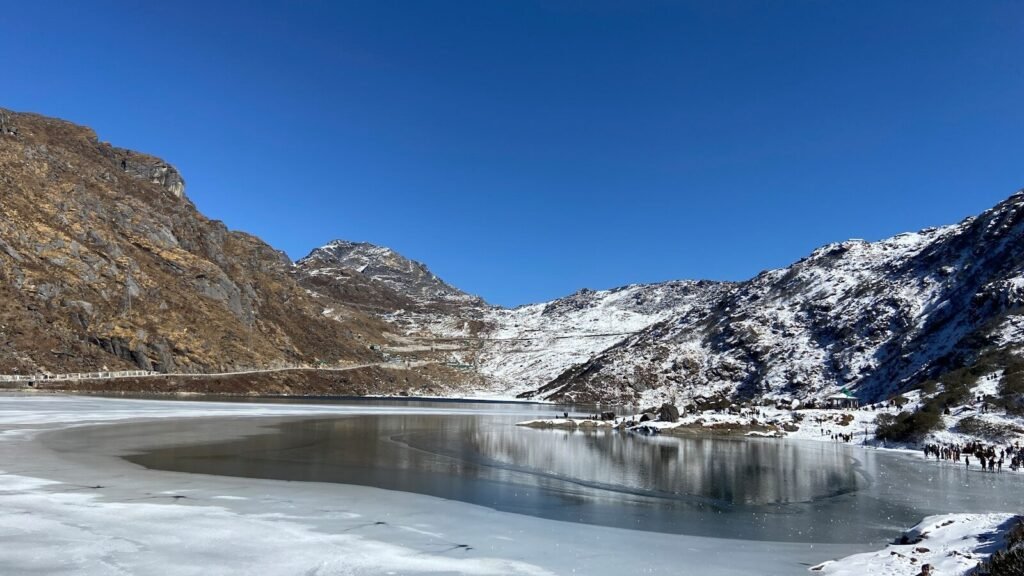
- Snow & ice: Possible on higher passes or the final approach until late spring; after monsoon, early autumn is usually free of major snow until late November.
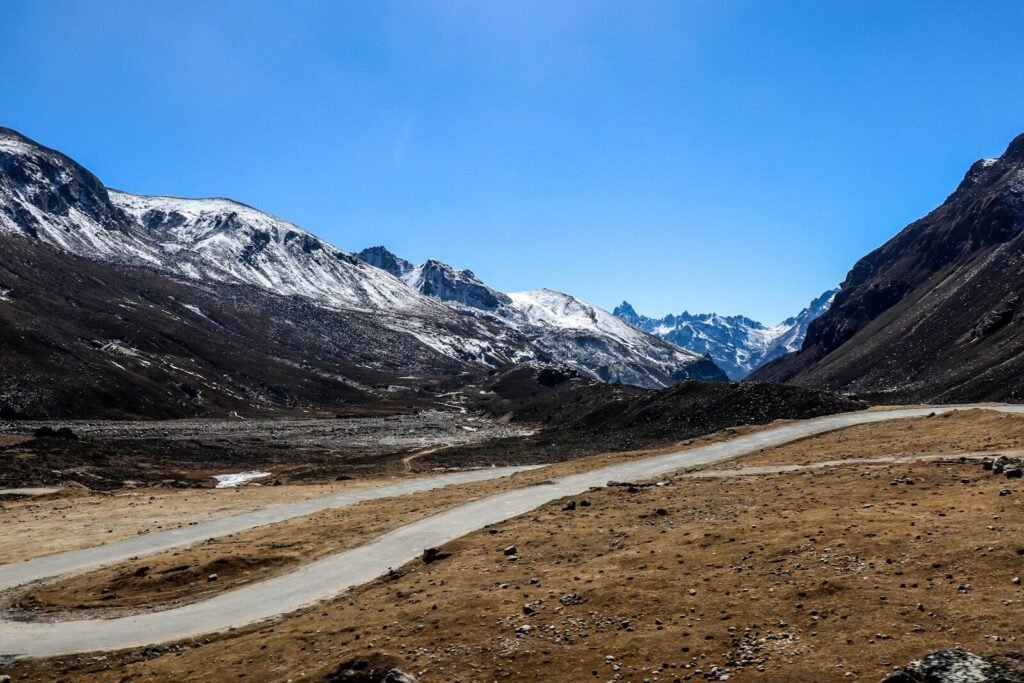
- Trail surface: Rocky, alpine meadows, moraines and possible glacier approach depending on exact route; expect stream crossings in warmer months.
Access, permits and local regulations
Lachen is reached from Gangtok via well‑maintained but mountain roads; travel times depend on weather and road conditions. Entry to many parts of North Sikkim requires permits. Permit rules change, so always check current requirements before travel.
- Permits: Nationals and foreigners typically need region‑specific permits (Inner Line Permit / Protected Area Permit). These are issued through local authorities or registered tour operators—plan in advance.
- Guides & porters: Hiring a registered local guide and, where available, porters or yaks is strongly recommended for safety, navigation, and to support local communities.
Acclimatization and health
The Green Lake trek goes into high‑altitude terrain. Proper acclimatization is essential to reduce the risk of altitude sickness.
- Acclimatize in Lachen: Spend at least one full day in Lachen (approx. 2,700–2,800 m) to rest, hydrate and prepare.
- Gradual ascent: Follow a slow, staged itinerary—avoid rapid ascent to elevations above 3,500–4,000 m on the first day.
- Symptoms: Learn signs of acute mountain sickness (headache, nausea, dizziness) and descend immediately if symptoms worsen.
- Medical kit: Carry basic meds, altitude medicines if advised by a physician, and adequate insulation against cold.
Difficulty, route and typical itinerary
The trek difficulty ranges from moderate to strenuous depending on the exact route, starting point and elevation gain. Typical itineraries are 3–6 days beyond Lachen for approach, acclimatization, day treks to the Green Lake base, and return.
- Typical pattern: Lachen (rest/acclimatize) → Thangu/advance camp → high‑altitude approach to Green Lake base → return to Lachen/Gangtok.
- Time required: Plan at least 3–4 extra days beyond travel to Lachen for a safe experience; longer for relaxed acclimatization or multi‑day circuit routes.
Accommodation and bookings
Lachen offers basic guesthouses, homestays and limited hotels. During peak season, options fill quickly.
- Book early: Reserve accommodation and any guide/permit services in advance for April–June and September–October.
- Facilities: Expect simple amenities — warm clothing, sleeping bags and hot water are often limited, so confirm facilities before arrival.
Packing and gear checklist
Pack for alpine conditions and changing weather. Essentials include:
- Layered clothing (base, insulating mid‑layers, waterproof shell)
- Warm hat, gloves, thermal underwear
- Good trekking boots, gaiters; crampons/ice‑axe if traveling in snowy periods
- Sunglasses, sunscreen, lip balm (strong UV at altitude)
- Water purification, high‑energy snacks, reusable water bottle
- First‑aid kit, altitude medication (if prescribed), personal meds
- Headlamp, spare batteries, power bank
- Camera/binoculars for landscapes and wildlife
Wildlife, flora and photography tips
The Green Lake approach traverses alpine meadows and rhododendron forests at lower elevations. Birdlife and high‑altitude mammals may be seen; photography is best during early mornings and late afternoons for clear skies and soft light.
- Use a telephoto lens for shy wildlife and a wide angle for dramatic mountain panoramas.
- Protect camera gear from moisture and dust; pack spare batteries (cold drains them faster).
Safety and responsible travel
Respect local culture, government rules and fragile mountain ecosystems.
- Weather checks: Start early and monitor forecasts. Avoid attempting high passes in unstable weather.
- Local knowledge: Use registered guides and follow trail recommendations—routes can change due to snow or landslides.
- Waste management: Carry out everything you bring in; do not leave litter or toilet waste on trails.
- Emergency plan: Share your itinerary with lodge managers or your operator and have an emergency contact plan.
When to go for special experiences
- Flower displays: Late April–May for lower‑altitude blooms like rhododendrons.
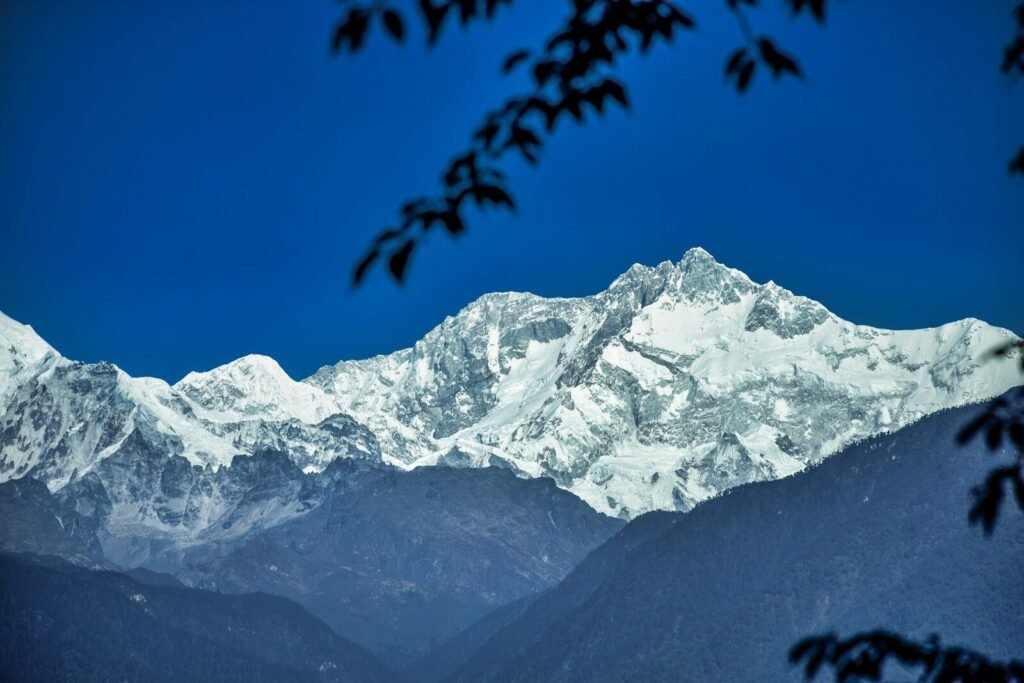
- Best visibility for peak photography: Late September–November.
- Snow scenery: Late winter/early spring and late autumn — but access may be limited and conditions are harsher.
Final recommendations
If you want one concise guideline: Plan your Green Lake trek from Lachen in mid‑April to early June or late September to mid‑November. These windows balance stable weather, good trail conditions, dramatic scenery and the best logistics (permits, accommodation, guides).
Always check the latest local travel advisories, road and permit status, and book through reputable local operators who know the area and current conditions. With the right timing, gear and preparation, the Green Lake trek from Lachen offers unforgettable alpine panoramas and a rewarding high‑mountain experience.
Useful next steps
- Confirm permit requirements and validity dates with local authorities or your travel agent.
- Book accommodation and guides for peak windows at least several weeks in advance.
- Plan a gradual itinerary allowing proper acclimatization and contingency days for weather.