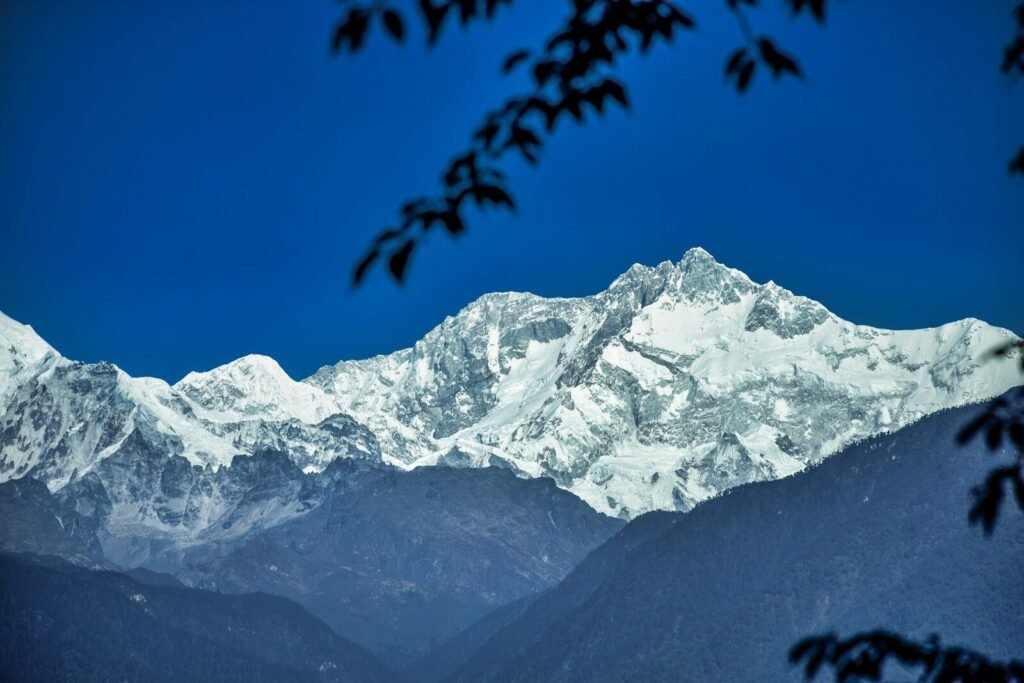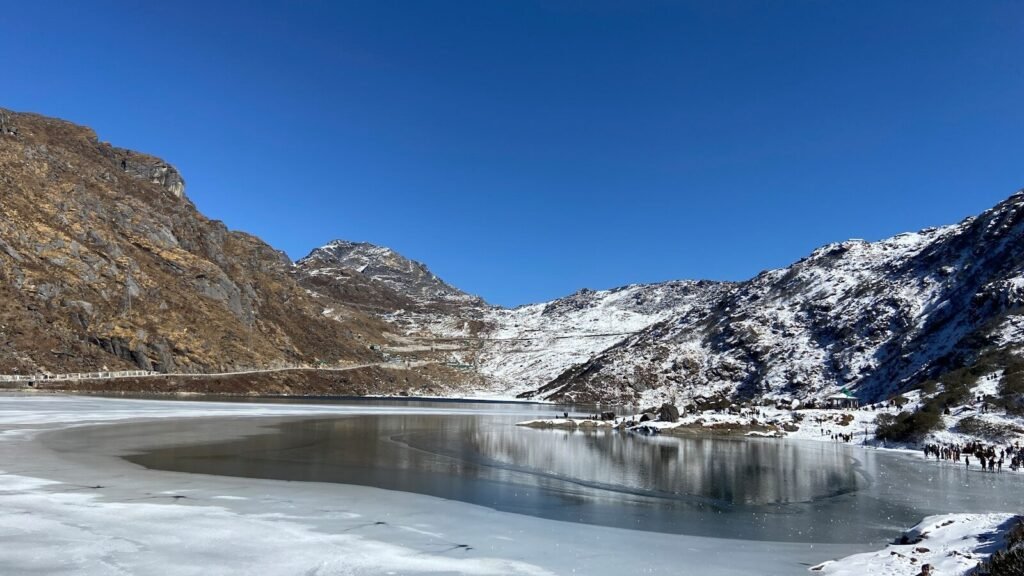
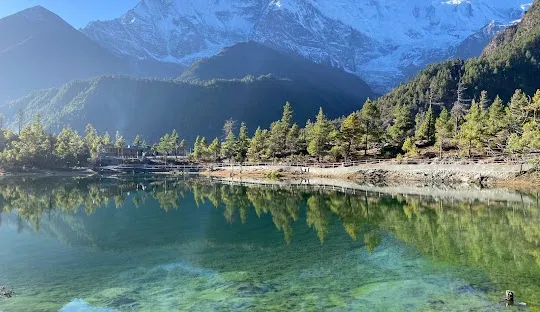
The Green Lake trek — one of North Sikkim’s celebrated high‑altitude routes — radiates outward from the small mountain hub of Lachen. Over the last decades the trek has moved from a remote alpine pathway known mainly to local pastoralists and a few explorers, into a structured adventure-tourism circuit. This article traces the historical arc of the Green Lake trek base at Lachen and examines its evolution within the larger trajectory of tourism, local society and conservation in North Sikkim.
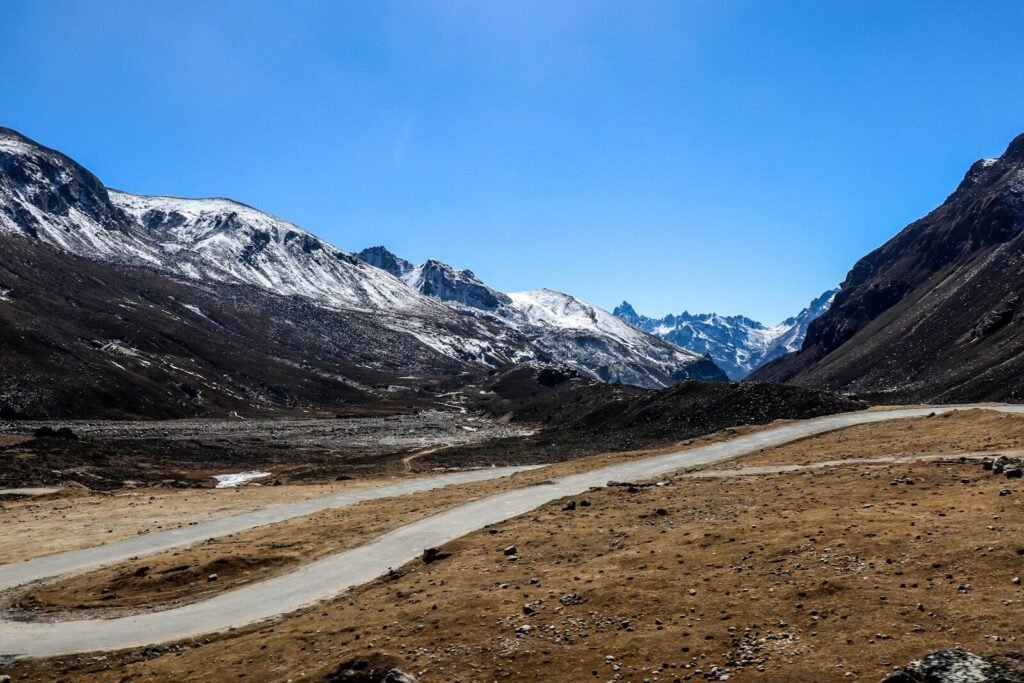
Lachen sits in the high reaches of North Sikkim and functions as a gateway to several key attractions — the Chopta Valley, Gurudongmar Lake, Thangu and the Green Lake route. The Green Lake itself is an alpine/glacial basin set high in the mountains and appreciated for its unusual green reflections, seasonal wildflowers and panoramic views. For mountaineers, trekkers and cultural visitors, Lachen has become the principal staging point.
Long before contemporary trekking developed, the high alpine zones around Green Lake formed part of seasonal grazing grounds and local mobility circuits used by the Lachenpa community and neighbouring highland pastoral groups. Movement in these elevations followed patterns shaped by yak and sheep herding, pilgrimage, local trade and reverence for mountain landscapes. Oral traditions and local Buddhist practice imbue many lakes and peaks with spiritual value, and the high meadows were integrated into a subsistence economy adapted to harsh alpine conditions.
The mid‑20th century and the political changes in Sikkim altered patterns of access and governance. After Sikkim’s integration into India in 1975, increased administrative attention, security presence and infrastructure investment slowly improved road access to North Sikkim. This opening, combined with growing national and international interest in Himalayan trekking from the 1970s onward, set the stage for Lachen’s tourism transformation.
By the 1990s and into the early 2000s, commercial trekking operators started to include the Green Lake route in their offerings. Lachen evolved from a subsistence village into a trekking base town providing lodging, guides and porters. The trek’s combination of high alpine scenery, relative remoteness and cultural encounters with Lachenpa life made it attractive to a niche but growing market of trekkers seeking less‑crowded alternatives to more famous Himalayan circuits.
North Sikkim’s strategic location near international frontiers required administration of visitor movements. The state government and security agencies implemented permit regimes and restricted area protocols. Over time, tourism offices and local authorities instituted rules for camping, designated campsites, waste disposal norms and limits on group sizes for high‑altitude treks. These regulations were developed to balance security, environmental protection and community well‑being.
Tourism oriented around the Green Lake trek brought tangible economic benefits to Lachen and surrounding villages: income from guesthouse stays, guide and porter wages, sales of food and basic supplies, and handicraft sales. These opportunities helped diversify incomes, reduce out‑migration in some seasons, and created an interface for cultural exchange between visitors and the Lachenpa.
The Green Lake area sits within sensitive alpine and glacial environments that respond quickly to human pressures and climatic shifts. Increased footfall, litter, improper human waste management, grazing pressures and campsites can damage delicate vegetation and disturb wildlife. Simultaneously, like other Himalayan regions, the Green Lake catchment has been affected by glacial retreat and variability in snow patterns — a trend with implications for water regimes and the long‑term attractiveness of the landscape.
In response, local authorities, NGOs and tour operators began promoting environmental codes of conduct, carrying‑capacity ideas and active waste management initiatives. These measures acknowledged that uncontrolled growth in trekking tourism could degrade the very attributes that attract visitors.
Recent years have seen a move toward more community‑centred and environmentally sensitive approaches:
Today Lachen serves as a compact tourism nucleus: a place where visitors acclimatize, hire local services, and receive permits and briefings. The town embodies both continuity with traditional mountain life and adaptation to a tourism economy. For many trekkers, the Green Lake experience remains defined by small campsites, high alpine meadows, close encounters with spectacular mountain light and a sense of remoteness that has been carefully preserved through regulations and community stewardship.
The future of the Green Lake trek base at Lachen will depend on maintaining an equilibrium between visitor opportunity and environmental and cultural preservation. Priorities include strengthening community governance of tourism revenues, enhancing sustainable infrastructure (eco‑friendly lodging, solar energy, waste treatment), enforcing low‑impact trekking norms and adapting to climatic change through scientific monitoring.
The story of the Green Lake trek base at Lachen is a microcosm of Himalayan tourism: a shift from local, subsistence landscapes to managed adventure travel, accompanied by both economic opportunities and environmental pressures. Its continued success as a destination will rest on thoughtful management that preserves alpine ecosystems, respects local culture and distributes tourism benefits fairly — ensuring that the vivid green reflections of the lake and the high meadows that sustain Lachen’s people endure for generations of visitors and residents alike.
What makes us different from other tour package companies
Our travel experts have core and intense knowledge about Sikkim sector with over 10 years of experience that will help you choose the best possible itinerary as per your requirements.
Our travel experts are just one call away during your tour to help you with any kind of immediate assistance so that your tour is a more enjoyable and hassle-free tour.
eSikkimTourPackages ensures best rates to all our esteemed guests since we have our own hotels and fleet of vehicles and drivers and there is no third-party involvement. This ensures personalized service and best rates.





















Kindly enter the details below for your Sikkim Tour Package