Shingba Rhododendron Sanctuary

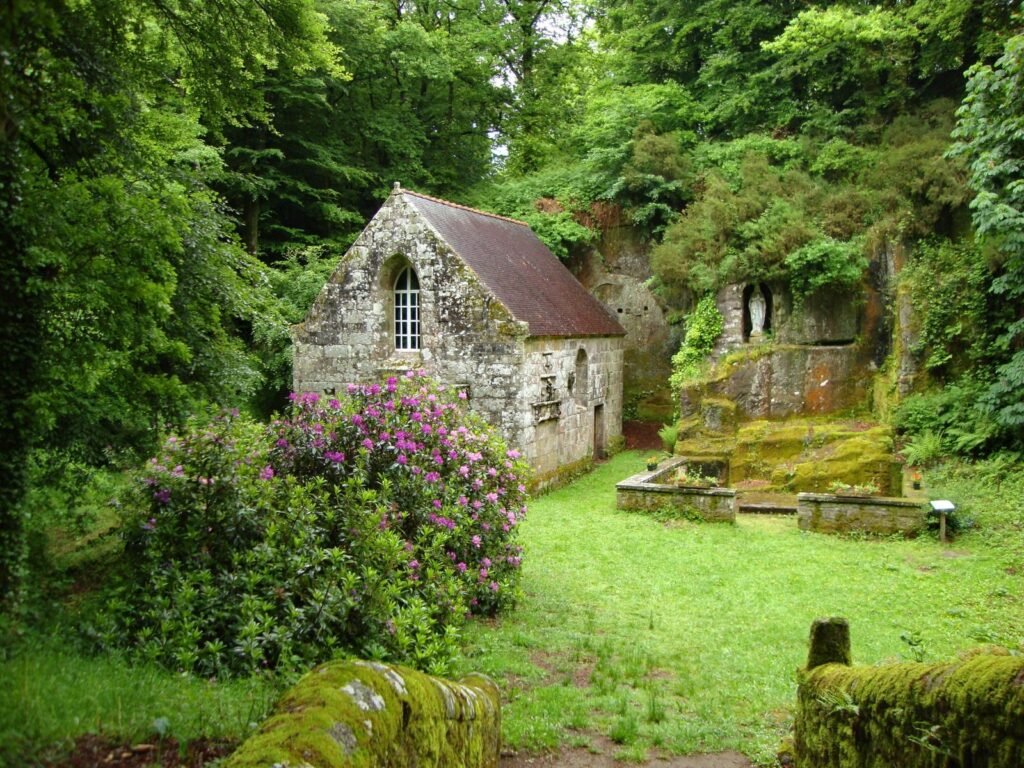
A serene ancient stone building amidst a vibrant forest landscape in summer.

Things to do

Shingba Rhododendron Sanctuary, Lachung — A Tourist’s Guide to Things to Do

The Shingba Rhododendron Sanctuary (sometimes written as Singba) is one of North Sikkim’s botanical jewels, set in the high Himalayan meadows and forests around Lachung and Yumthang. It is famous for spectacular rhododendron displays in spring, alpine meadows, and pristine mountain landscapes. This guide explains practical things to do, how to prepare, and how to experience the sanctuary responsibly.

Why visit Shingba Rhododendron Sanctuary?

Visit to witness dense stands of rhododendrons in bloom, alpine flora and fauna, and panoramic views of the surrounding Himalayan ridges. The area is ideal for nature walks, photography, birdwatching, short treks and combining with popular North Sikkim attractions such as Yumthang Valley and Zero Point.

Best time to visit

  • Peak rhododendron bloom: Late April to mid-May — the high-altitude rhododendrons burst into colour and the sanctuary is at its most dramatic.
  • Post-monsoon colours: September–October — clear skies and autumn hues make for excellent trekking and photography.
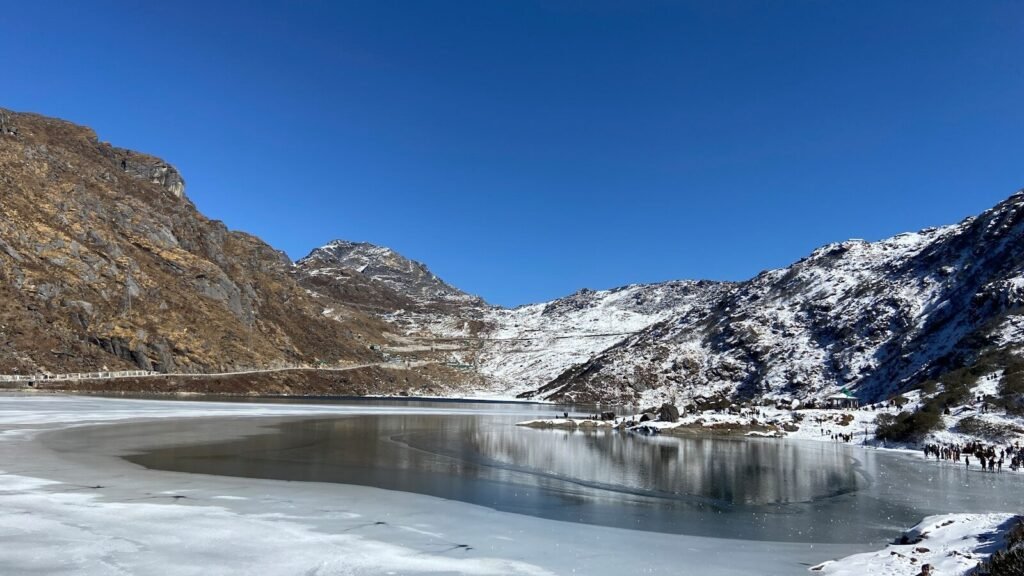
  • Winter: November–March often brings snow; many roads and passes are closed and access is limited.

How to reach

Shingba Rhododendron Sanctuary is approached from Lachung and Yumthang in North Sikkim. Most visitors reach Lachung by road from Gangtok via Mangan; organized tours, shared taxis or hired vehicles are common. From Lachung or Yumthang you can take guided walks or short treks into the sanctuary.

Permits and regulations

  • Permits: Parts of North Sikkim require permits for visitors. Domestic and foreign tourists should confirm current permit requirements — permits are typically obtained through tour operators, Sikkim Tourism offices or checkposts in Gangtok/Lachung.
  • Restricted zones: Some sensitive areas are restricted or have controlled entry to protect fragile ecosystems. Follow signboards and local guidance.
  • Local guides: Hiring a licensed local guide is recommended — they help with navigation, interpretation of flora/fauna, and ensure compliance with rules.

Top things to do

1. Experience the rhododendron bloom

The sanctuary’s main attraction is the mass flowering of rhododendrons across different altitudinal belts. Walk the marked trails through rhododendron forests and meadows to enjoy panoramic colour, scent and variety.

2. Short treks and nature walks

  • Take day hikes from Yumthang or nearby meadows into the sanctuary’s trails — ideal for a half- to full-day outing.
  • Enjoy gentle altitude gain and varied terrain: alpine meadows, dwarf rhododendron scrub, fir and birch groves.

3. Photography

The sanctuary is a photographer’s paradise during bloom season: wide-angle vistas of floriferous slopes, close-ups of rare rhododendron species, and atmospheric mountain light at dawn and dusk. Carry a telephoto for birds and wildlife and a macro lens for floral detail.

4. Birdwatching and wildlife spotting

The high-altitude habitats attract a variety of Himalayan birds and small mammals. With patience you can observe pheasants, warblers, finches and other alpine species. Wildlife sightings are sporadic; use quiet observation and binoculars.

5. Flora study and guided interpretation

If you are interested in botany, ask for a guided botanical walk. Guides can point out local rhododendron species, medicinal plants, and describe seasonal ecology and the importance of the sanctuary’s conservation.

6. Combine with Yumthang Valley and Zero Point

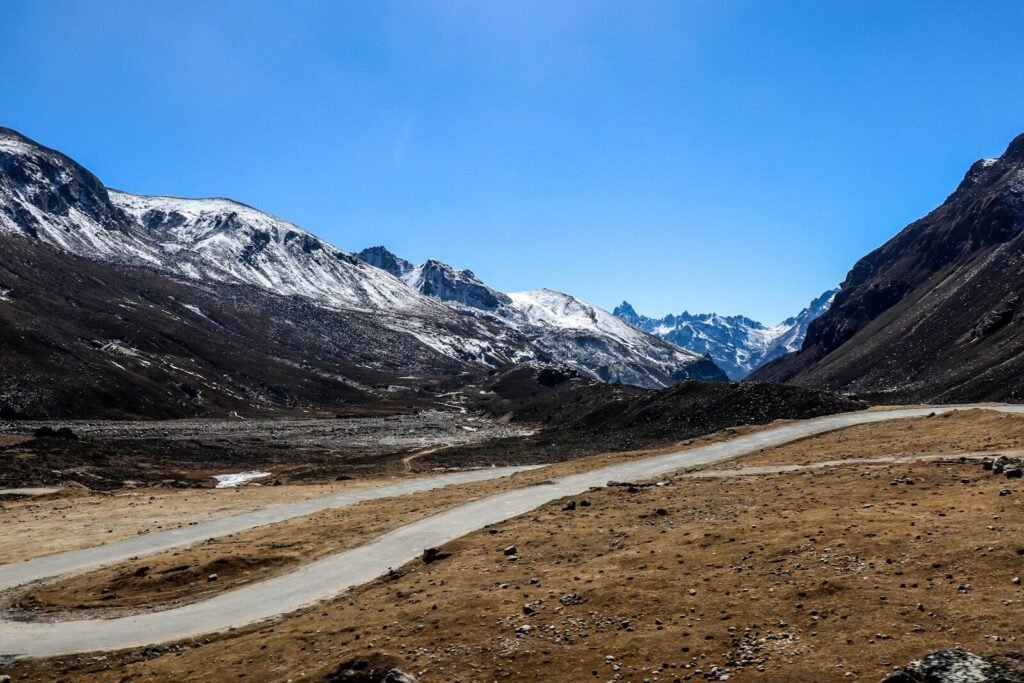
Most visitors combine a sanctuary visit with Yumthang Valley, known for meadows and hot springs, and Zero Point (subject to road accessibility and permits). Plan a multi-day North Sikkim itinerary for best value.

7. Cultural interaction

Visit nearby villages and meet local communities to learn about traditional lifestyles, yak herding, and mountain agriculture. Respect local customs and seek permission before photographing people.

Suggested itineraries

One-day nature walk (from Lachung/Yumthang)

  • Morning: Drive to Yumthang and enter sanctuary trails; easy to moderate walking among rhododendrons and meadows.
  • Midday: Picnic in a cleared spot, respect no-litter rules.
  • Afternoon: Return to Lachung; optional stop at local viewpoints.

Two-day North Sikkim nature immersion

  • Day 1: Travel from Gangtok to Lachung, acclimatize, short village walk.
  • Day 2: Full-day exploration of Shingba Rhododendron Sanctuary and Yumthang; photography, guided flora walk; overnight in Lachung.

Practical tips and safety

  • Acclimatize: Altitudes are high; spend a day in Gangtok or Lachung to reduce chance of altitude sickness.
  • Weather: Mountain weather changes fast — carry rain and wind protection even in spring.
  • Footwear: Sturdy hiking shoes are essential; trails can be uneven and muddy.
  • Guides and local operators: Use licensed local guides for route safety and richer interpretation.
  • Respect wildlife: Keep distance, avoid sudden movements, and never feed animals.
  • Stay informed: Check road and permit updates before travel; landslides and weather can affect access.

Packing checklist

Essentials
  • Warm layered clothing — mornings and evenings can be cold.
  • Waterproof jacket and trousers, warm hat and gloves.
  • Sturdy hiking boots and spare socks.
  • Sun protection — hat, sunglasses, SPF sunscreen.
  • Personal medications, basic first-aid, and altitude sickness remedies.
  • Binoculars, camera and spare batteries/memory cards.
  • Reusable water bottle and snacks.
  • Valid ID and any required permits.

Responsible and sustainable tourism

The sanctuary’s ecosystems are fragile. Practice low-impact travel:

  • Stay on marked trails and avoid trampling vegetation.
  • Do not pick flowers or remove plant material — rhododendrons and alpine plants are slow-growing and vulnerable.
  • Carry out all trash — use biodegradable items where possible.
  • Support local livelihoods by hiring local guides, staying in village homestays or local guesthouses and buying local food and handicrafts.
  • Obey wildlife regulations and noise restrictions to minimize disturbance.

Where to stay

Accommodation options in Lachung range from basic guesthouses and homestays to small hotels. Book in advance during peak bloom season. For a more local experience, consider a homestay that supports community tourism.

Conclusion

Shingba Rhododendron Sanctuary is a must-visit for nature lovers, botanists, photographers and anyone seeking Himalayan serenity. With careful planning, respect for local regulations, and a commitment to conservation, a visit can be both unforgettable and sustainable. Whether you want a calm nature walk among blooming rhododendrons or a deeper multi-day exploration of North Sikkim’s alpine landscapes, the sanctuary offers a rich, rewarding experience.

Get Instant Call Back​

Which places do you want to explore in North-East?
Kindly share your above details to get Travel Plan PDF within 30 seconds on your mobile
Please wait while we are preparing customized quotes as per your requirement.

Why Choose us ?

What makes us different from other tour package companies

Best Travel Experts

Our travel experts have core and intense knowledge about Sikkim sector with over 10 years of experience that will help you choose the best possible itinerary as per your requirements.

24 X 7 On-Trip Assistance

Our travel experts are just one call away during your tour to help you with any kind of immediate assistance so that your tour is a more enjoyable and hassle-free tour.

Best Rate Guarantee

eSikkimTourPackages ensures best rates to all our esteemed guests since we have our own hotels and fleet of vehicles and drivers and there is no third-party involvement. This ensures personalized service and best rates.


Sikkim Tour Packages by Theme

Sikkim Tour From Popular Cities

Limited period offer – Sikkim tour packages at flat 50% discount. Inquire now!

Kindly enter the details below for your Sikkim Tour Package
Loading, please wait . .. ... ....