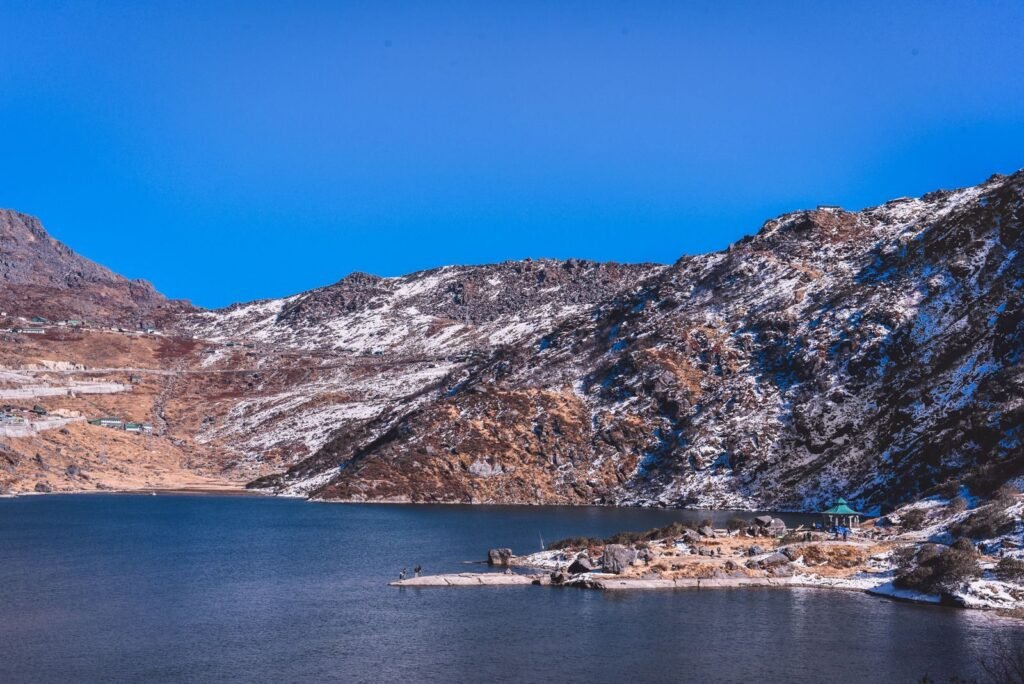
Tsomgo Lake (Changu Lake), Gangtok — Things to Do (Tourism Guide)
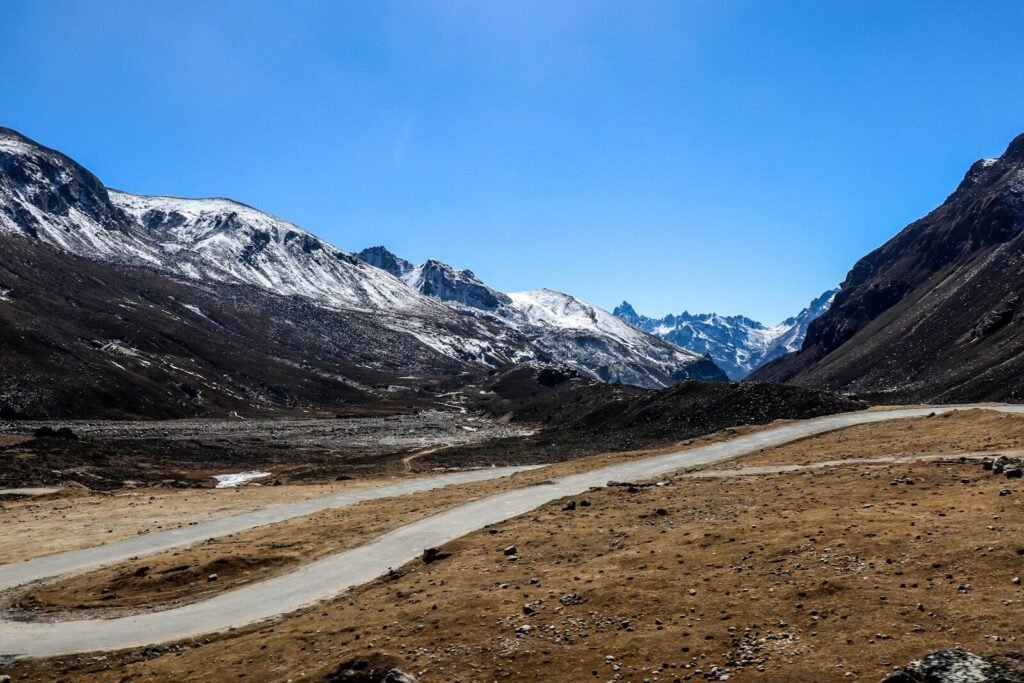
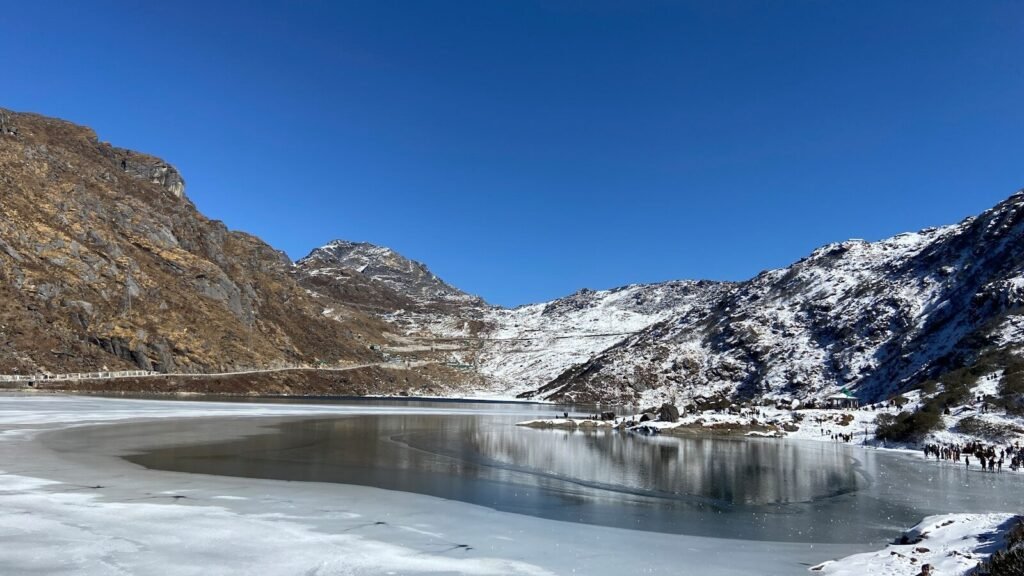
Tsomgo Lake (also called Changu Lake) is one of Sikkim’s most iconic high-altitude lakes, located about 40 km east of Gangtok. Set at an altitude of roughly 3,753 m (about 12,313 ft), the lake is famed for its changing colors, snow-clad surroundings in winter, sacred status with local communities, and easy half-day accessibility from Gangtok. This guide covers the top things to do at Tsomgo Lake plus practical tips for a safe, responsible visit.
Quick facts
- Altitude: ~3,753 m (12,313 ft).
- Distance from Gangtok: ~40 km (typical drive 1.5–2.5 hours one way depending on road and traffic).
- Permits: Required — Indian nationals and foreign visitors must obtain permits; foreigners require Protected Area Permit (PAP) or Restricted Area Permit as applicable. Permits are typically arranged through local tour operators or the Sikkim Tourism office in Gangtok.
- Best time to visit: March–June and September–November. Winters (Dec–Feb) bring heavy snow and freezing temperatures; monsoon (July–August) can cause landslides and road closures.
Top things to do at Tsomgo Lake
1. Sightseeing and photography
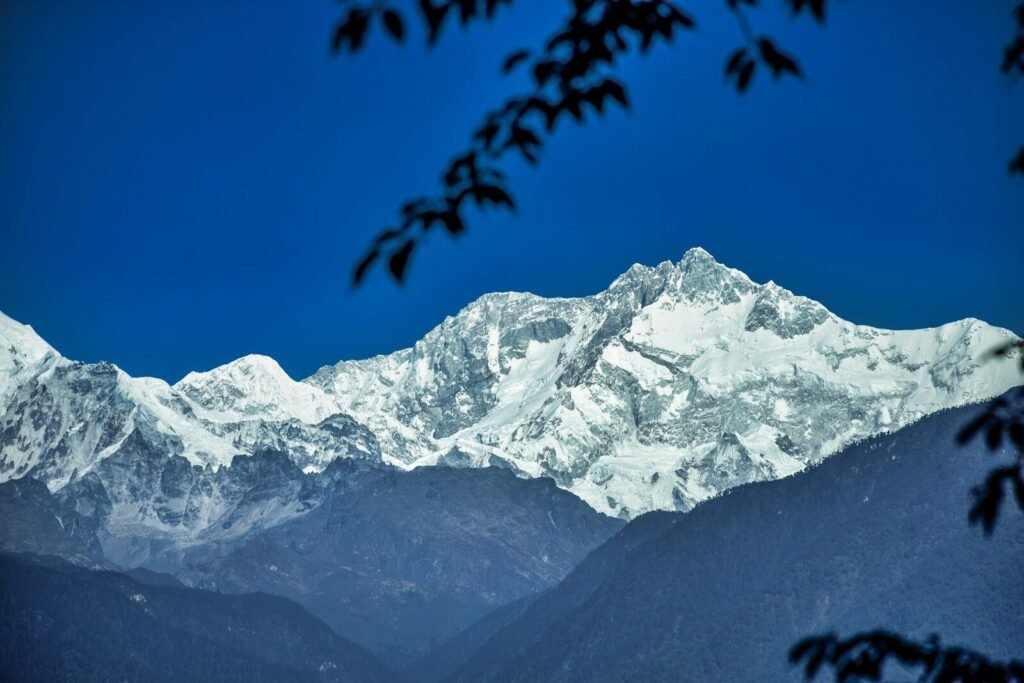
Tsomgo’s clear, glacial-fed water and surrounding ridges provide dramatic seasonal color changes. Photographers will find reflections, misty mornings, and panoramic shots of the Himalaya. Arrive early for softer light and fewer crowds.
- Photo tips: use a polarizing filter to reduce glare, bracket exposures in snowy conditions, and keep batteries warm (cold drains them faster).
- Respect local customs: the lake is sacred to many locals — avoid loud or disruptive behavior while shooting.
2. Yak rides and local experiences
Yaks and pony rides are commonly offered near the lake. These are popular with families and first-time visitors as a short novelty experience. Always check animal welfare — choose operators who treat animals humanely and avoid forcing an exhausted animal.
3. Enjoy local food and market snacks
Small stalls near the lake serve hot tea, momos, pakoras, and local snacks — welcome on a cold day. Pick up small handicrafts or souvenirs from local sellers, but prefer fair-priced, ethically made items.
4. Short nature walks and birdwatching
The immediate area around the lake offers short walking routes and opportunities to spot high-altitude birds and alpine flora. Binoculars and a field guide to Himalayan birds will enhance the experience.
5. Visit nearby cultural sites — Baba Harbhajan Singh Mandir
On the same route as Tsomgo Lake is the Baba Harbhajan Singh Mandir — a small, well-known shrine with an interesting local history and many devotees. It’s frequently combined with a visit to the lake, but maintain respectful conduct inside shrines.
6. Snow activities (seasonal)
In winter, when the area receives snow, visitors can enjoy snowplay, light sledging, and making snowmen. Roads may be closed after heavy snowfall, so check conditions before planning a trip in winter.
7. Combine with Nathu La Pass (if permitted)
Nathu La is a high mountain pass east of Tsomgo. Visiting Nathu La requires a separate permit and is subject to Indian Army regulations — many travelers combine both sites in a single organized tour if permits are available.
Practical information
How to reach
- Most visitors travel from Gangtok by car, taxi, or organized tour. The drive is scenic but winding; allow sufficient time.
- Road conditions vary; during bad weather or monsoon the route can be slow or closed due to landslides.
- Public transport is limited — booking a private taxi or joining a day-tour is the most reliable option.
Permits & documentation
Permits are mandatory and rules change from time to time. Common points:
- Indian citizens: inner line permits or permits from local authorities may be needed for certain stretches.
- Foreigners: usually require a Protected Area Permit (PAP) or Restricted Area Permit issued by Sikkim Tourism/Border Security authorities. These are often arranged through hotels or tour operators in Gangtok.
- Always carry photo ID and copies of permits while traveling.
Altitude, health and safety
Tsomgo’s high elevation can cause altitude-related symptoms. Important precautions:
- Acclimatize: spend a day or two in Gangtok (1,650 m) before going higher if possible.
- Watch for symptoms of acute mountain sickness (AMS): headache, nausea, dizziness, shortness of breath. Descend and seek medical help if symptoms worsen.
- Carry basic medication, oral rehydration salts, and a portable oxygen canister if you are prone to altitude issues.
- Dress in warm, layered clothing; temperatures can drop rapidly.
What to pack
- Warm layers (down jacket, thermal base layers)
- Sturdy shoes or hiking boots with good grip
- Sunscreen, sunglasses, and a hat (UV is stronger at altitude)
- Reusable water bottle (stay hydrated)
- Personal medicines and a small first-aid kit
- Cash (small vendors may not accept cards)
- Camera, spare batteries, memory cards
Responsible tourism & rules
Tsomgo Lake is ecologically and culturally sensitive. Follow these guidelines:
- Do not litter: carry out what you bring in — plastic and non-biodegradable waste harms the environment.
- Do not pollute the lake: avoid throwing coins, plastic, or other items into the water.
- Respect local religious sentiments around the lake — maintain a quiet, respectful demeanor at sacred spots.
- Support local businesses and handicraft sellers fairly and ethically.
Suggested half-day itinerary from Gangtok
Morning departure (typical)
- 06:30–08:00 — Depart Gangtok after breakfast (allowing for a relaxed drive).
- 08:30–10:00 — Arrive at Tsomgo Lake; enjoy a stroll, photography, yak ride, and snacks.
- 10:30–11:30 — Optional visit to Baba Harbhajan Singh Mandir (if included).
- 12:00–14:00 — Return to Gangtok, arriving in time for a late lunch.
Nearby attractions
- Baba Harbhajan Singh Mandir
- Nathu La Pass (permit-dependent)
- Hanuman Tok and Tashi Viewpoint (closer to Gangtok for panoramic views)
Safety precautions (short checklist)
- Check weather and road conditions in advance.
- Carry ID and permits at all times.
- Limit strenuous activity the first few hours at altitude.
- Drink plenty of fluids; avoid excessive alcohol before and during the visit.
- Follow instructions of guides, local authorities, and posted signs.
Tsomgo Lake is a special mix of natural beauty, cultural significance, and high-altitude adventure. With proper planning, respect for local customs, and attention to safety, a visit can be a memorable highlight of any trip to Gangtok and Sikkim.