Best Time to Visit Temi Tea Garden, Ravangla — A Tourism Guide
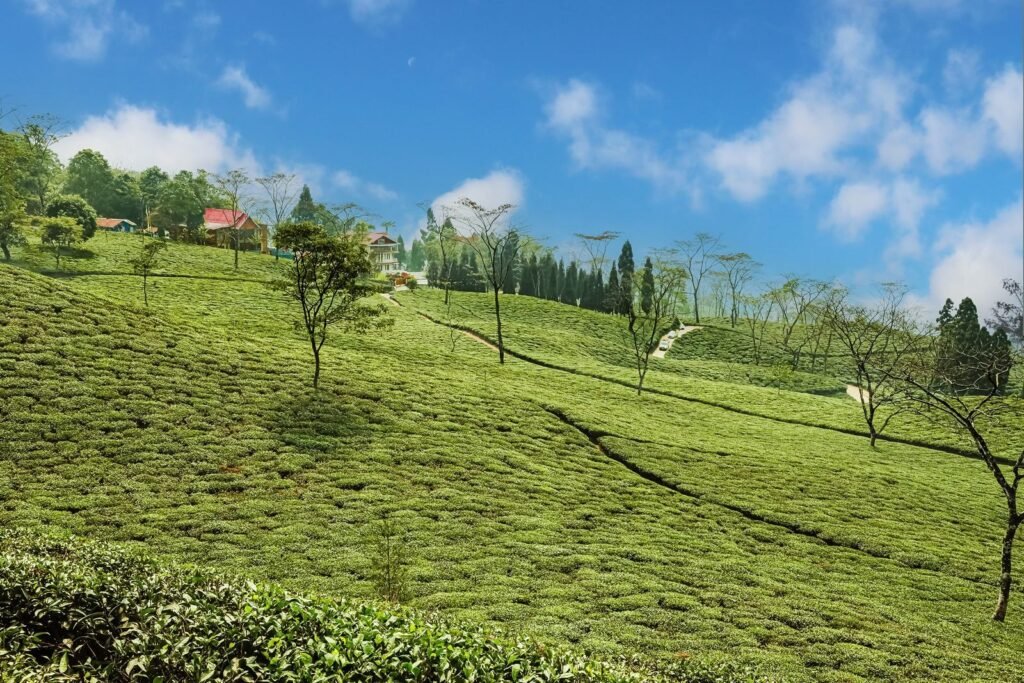
Temi Tea Garden, set amid rolling emerald slopes in South Sikkim near Ravangla, is one of India’s most picturesque tea estates. Visitors come for tea-tasting and factory tours, rhododendron blooms, birdwatching, vivid mountain views and peaceful walks through tea bushes that ripple like waves. Choosing the right time to visit makes the experience markedly different — from misty monsoon moods to crisp, clear winter panoramas. This article explains the seasonal highlights, practical travel tips, suggested itineraries and sustainable-tourism pointers so you can plan the best possible trip.
Quick summary: Best months to visit
- March – May (Spring): Top choice. Mild temperatures, blooming rhododendrons, first and second tea flushes, comfortable trekking and nature walks.
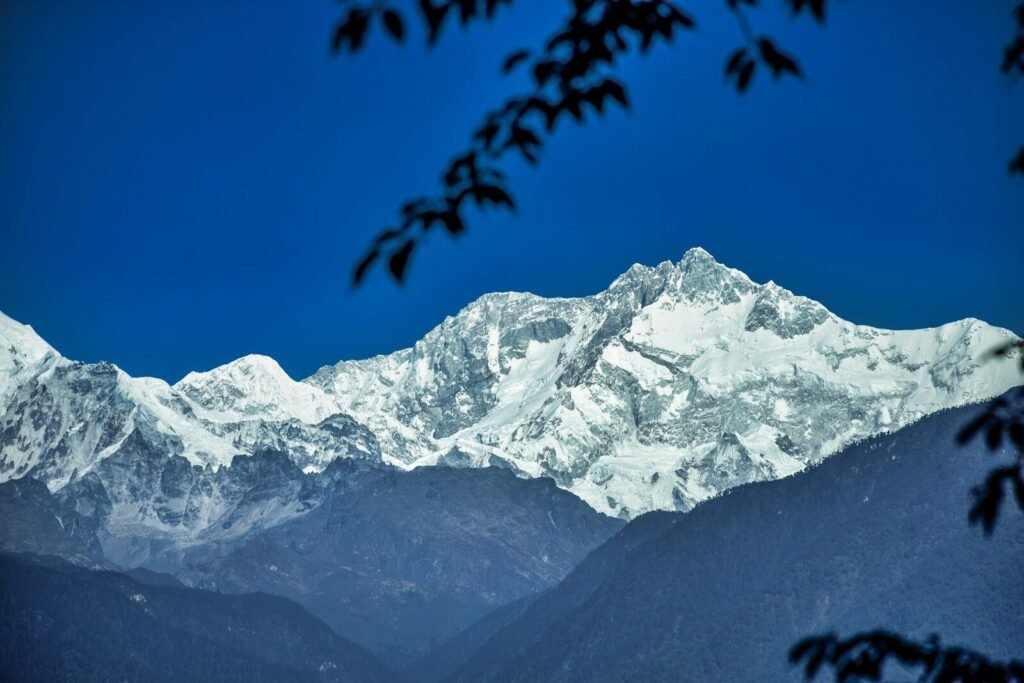
- October – November (Autumn/post-monsoon): Excellent for clear skies, spectacular vistas of the Kanchenjunga range, and autumn tea flush — another great window for photography and outdoor activities.
- June – September (Monsoon): Lush-green landscapes and empty trails, but heavy rain can disrupt travel and visibility; landslides are possible on hill roads.
- December – February (Winter): Cold and quiet; occasional frost or light snow at higher spots. Ideal for travelers seeking solitude and low-season rates, but mountain views can be intermittent.
Why these months matter
The character of Temi Tea Garden changes strongly with seasons. Tea plantations and flora are highly seasonal: the prized first flush comes in spring (March–April) yielding delicate, aromatic teas; the autumn flush (October–November) produces a different flavor profile and the clearest mountain vistas. Monsoons nourish the estate into intense green but can bring heavy rain and poor road conditions. Winter offers quiet and crisp air but shorter daylight and cooler temperatures.
Season-by-season details
Spring (March – May)
- Weather: Mild days and cool nights; daytime temperatures generally pleasant for walks.
- Why go: Rhododendrons and wildflowers are in bloom; tea bushes produce the prized first/second flush; excellent birdwatching and clear but not frigid mountain views.
- Activities: Guided tea garden walks, factory tours and tastings, photography, short treks into Maenam Wildlife Sanctuary.
Summer / Monsoon (June – September)
- Weather: Frequent heavy rains and high humidity; occasional landslides or road disruptions.
- Why go: The estate is at its lushest and waterfalls are full; fewer tourists and lower prices.
- Activities & cautions: Enjoy moody landscapes and close-up nature photography but prepare for wet trails and limited visibility. Check local travel advisories before driving.
Autumn (October – November)
- Weather: Stable, dry, with cool mornings and warm afternoons.
- Why go: Best time for clear views of the Himalayan range (including Kanchenjunga on good days), comfortable outdoor activities and the autumn tea flush.
- Activities: Sunrise/sunset photography, tea-tasting, longer treks and cultural visits to nearby Namchi or Ravangla.
Winter (December – February)
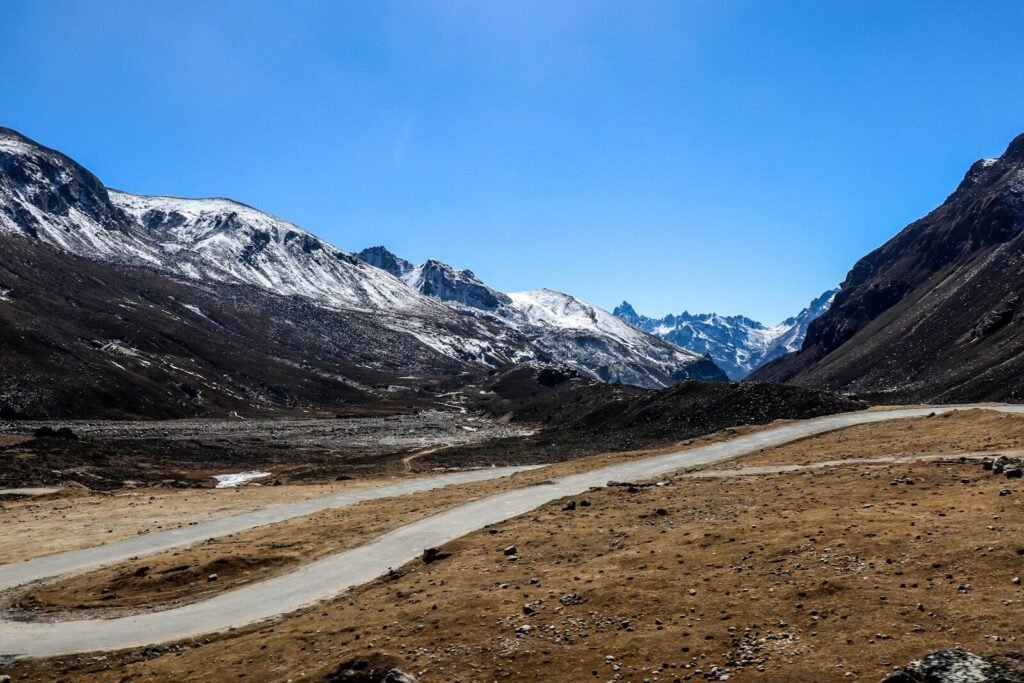
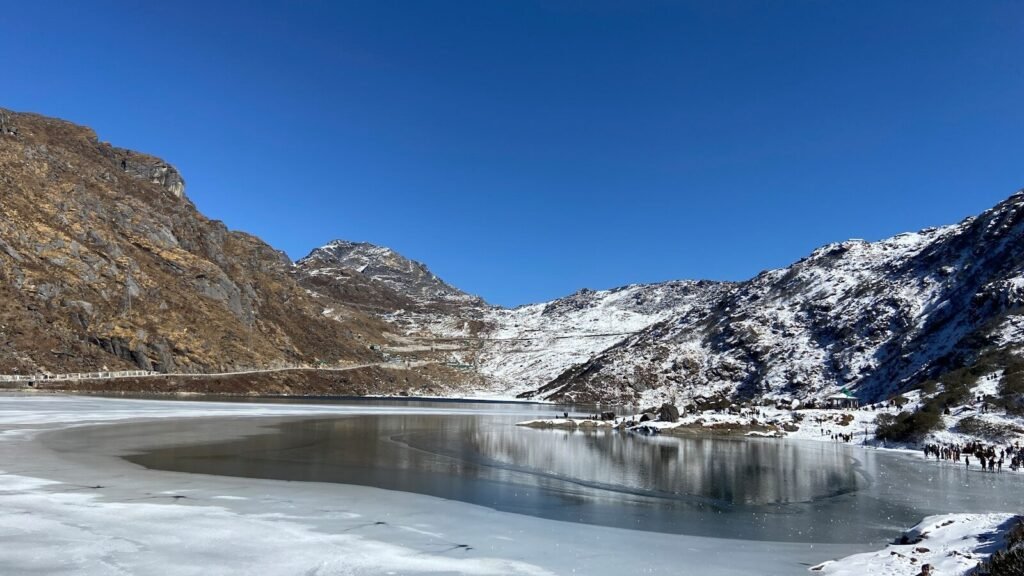
- Weather: Cold, especially at night. Frost and occasional snowfall in higher pockets.
- Why go: Quiet and uncrowded — good for travelers wanting solitude or winter landscapes.
- Activities & cautions: Shorter daylight hours, chilly mornings for early photography; bring warm clothing and check road/vehicle readiness for cold conditions.
Activities and experiences by season
- Tea estate tours & tastings: Available year-round; best during spring and autumn flushes when the harvest is active and flavor profiles are most distinct.
- Guided walks among tea bushes: Comfortable in spring and autumn; monsoon walks are atmospheric but slippery.
- Birdwatching: Spring brings migratory and resident species into view; early mornings are best.
- Photography: Autumn for crisper mountain views and spring for floral close-ups and misty moods.
- Trekking & nature trails: Maenam Wildlife Sanctuary and nearby hills are accessible March–June and September–November.
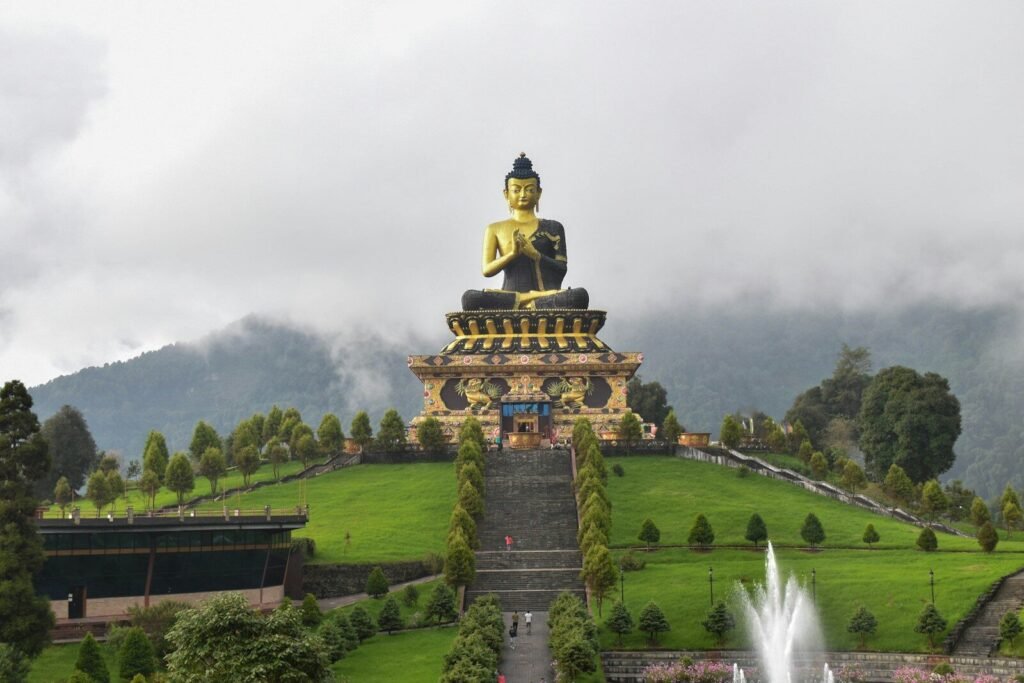
- Cultural visits: Combine with Ravangla’s Buddha Park, nearby monasteries and Namchi’s attractions during dry months.
Suggested itineraries
Half-day to 1-day
- Morning: Walk through tea gardens, visit the estate factory for a short tour and tasting.
- Afternoon: Explore Ravangla town or visit the nearby Buddha Park for sunset.
2–3 days
- Day 1: Arrive in Ravangla, relax with a garden walk and factory visit.
- Day 2: Sunrise photography, Maenam Sanctuary short trek or birdwatching, afternoon visit to local monasteries.
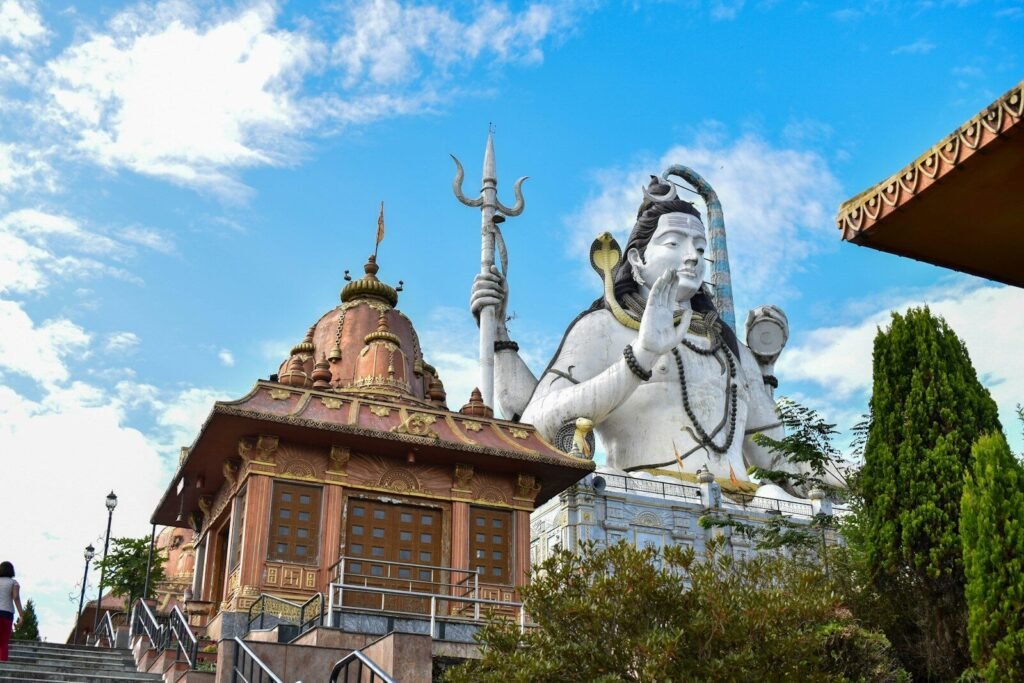
- Day 3: Drive to Namchi for Char Dham and giant statue or take scenic drives and enjoy tea tasting.
4+ days
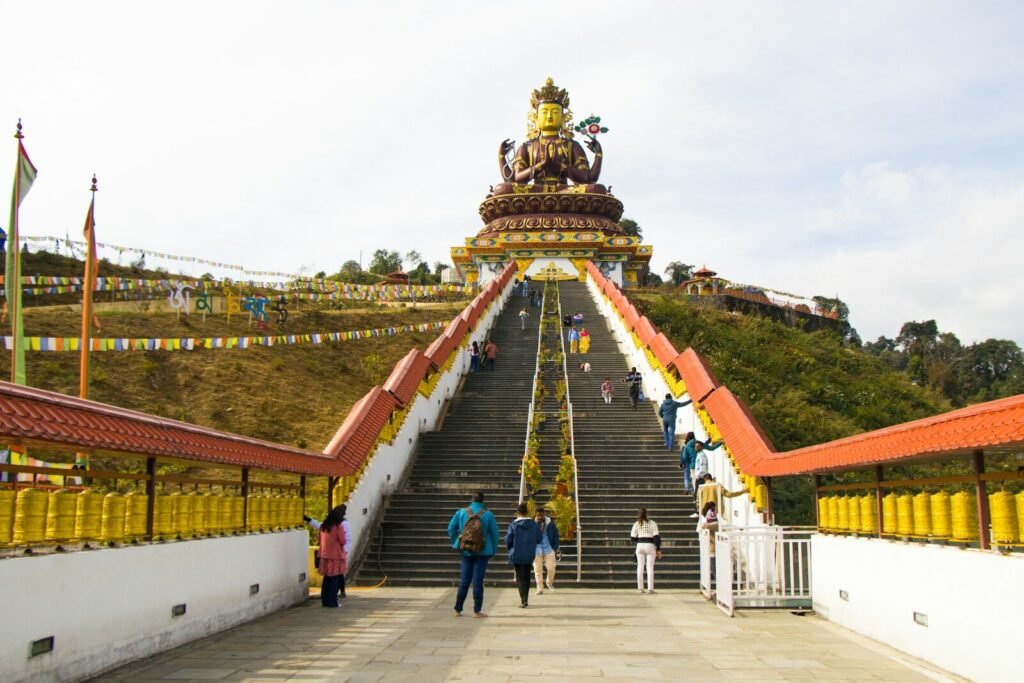
- Use Ravangla/Temi as a base to explore further into South and West Sikkim — Pelling, Yuksom or deeper forest trails — allowing for acclimatization and leisurely tea-focused experiences.
How to get there
Temi Tea Garden is accessed by road from Ravangla and surrounding towns. The nearest major transport hubs are Bagdogra Airport (Siliguri) and New Jalpaiguri (NJP) railway station, both of which require a road transfer into Sikkim. Typical mountain travel time can range from 4 to 6 hours by car depending on traffic and road conditions; always allow extra time during monsoon or winter.
Practical travel tips
- Book ahead: Spring and autumn are peak windows — reserve accommodation and guided tours early.
- Local transport: Roads in hilly terrain can be narrow and slow; prefer local drivers experienced with mountain routes.
- Cash & connectivity: Remote areas sometimes have limited card acceptance and intermittent mobile data. Carry adequate cash and offline maps.
- Permits & ID: Carry valid ID. Foreign nationals should check Sikkim permit requirements for restricted areas ahead of travel.
- Health & altitude: Temi/Ravangla are mid-elevation; altitude sickness is uncommon but stay hydrated and pace hikes sensibly.
Packing checklist (by season)
- Spring/Autumn: Lightweight layers, windproof jacket, comfortable walking shoes, sunhat, sunglasses, camera and binoculars for birds.
- Monsoon: Waterproof jacket, quick-dry clothing, sturdy non-slip footwear, insect repellent, plastic covers for gear.
- Winter: Warm insulated jacket, thermals, woolens, gloves, cap and good trekking boots.
- Year-round: Refillable water bottle, sunscreen, basic first-aid, copies of travel documents, and a small daypack.
Sustainable and respectful tourism
When visiting Temi Tea Garden and the surrounding communities, practice low-impact tourism. Support local tea by buying authentic Temi tea packets produced at the estate; hire local guides and stay in locally run homestays when possible; refrain from trampling inside tea rows or attempting to pluck leaves (leave harvesting to trained workers); dispose of waste responsibly and follow designated trails to protect fragile flora and wildlife.
Safety considerations
- Check weather forecasts and local road conditions—monsoon rains can cause delays and occasional landslides.
- Inform accommodation of arrival times if travelling late or during poor weather.
- Respect estate rules and safety instructions during factory visits.
Final recommendation — when to visit
For most travelers seeking the quintessential Temi Tea Garden experience — fresh tea, colorful rhododendrons, pleasant weather and clear mountain views — March to May (spring) and October to November (post-monsoon/autumn) are the best months. If you prefer solitude and don’t mind rain, the monsoon season offers dramatic greens and fewer visitors; winter suits travelers seeking quiet and occasionally snowy scenes but requires warm clothing.
Make your trip memorable
Plan around the seasonal highlights you most want (tea flush and factory activity, floral blooms, or clear Himalayan vistas), pack appropriately, support local businesses and leave with a few packets of authentic Temi tea — a fragrant souvenir that captures the estate’s unique terroir.