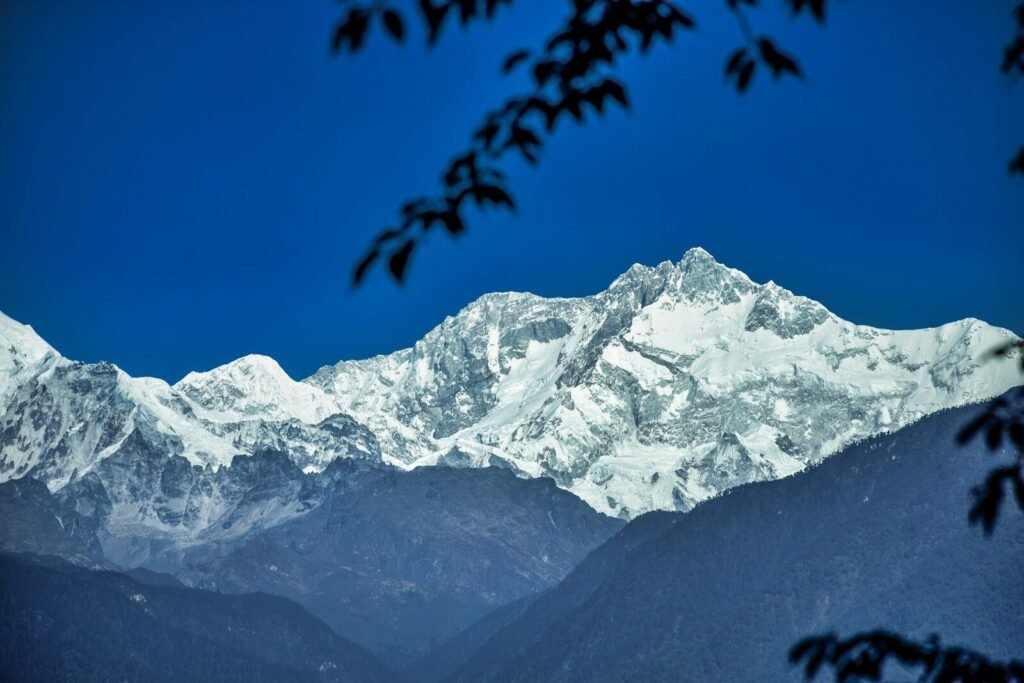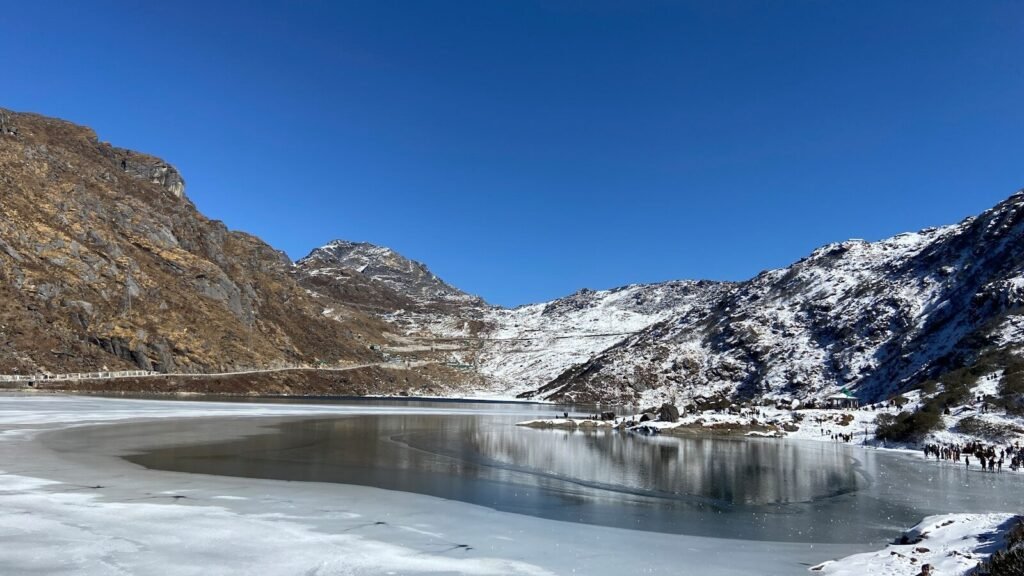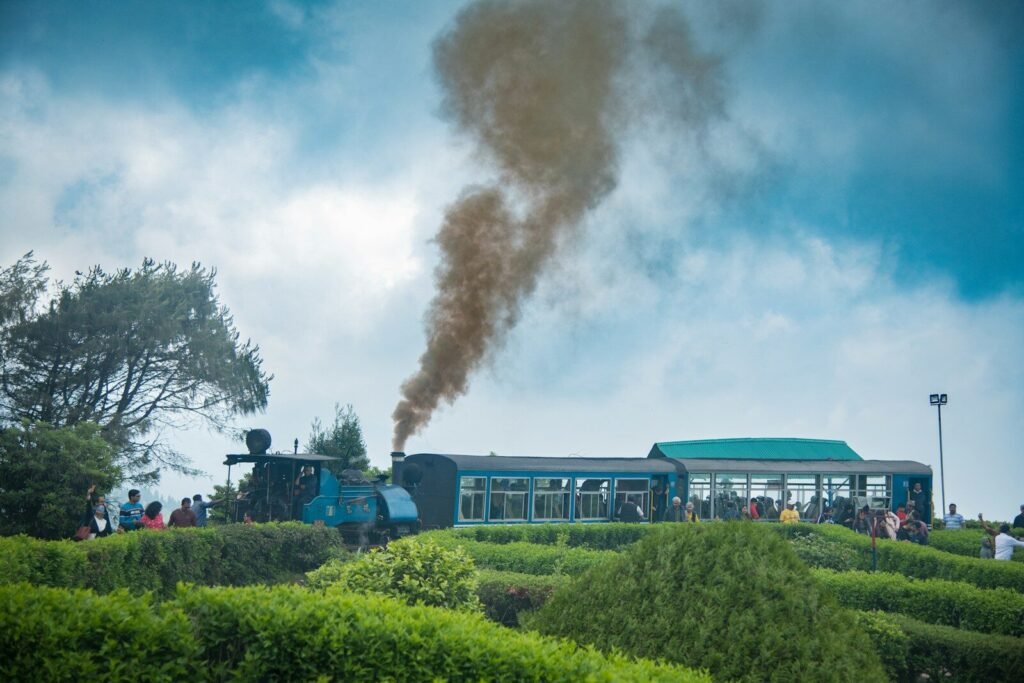
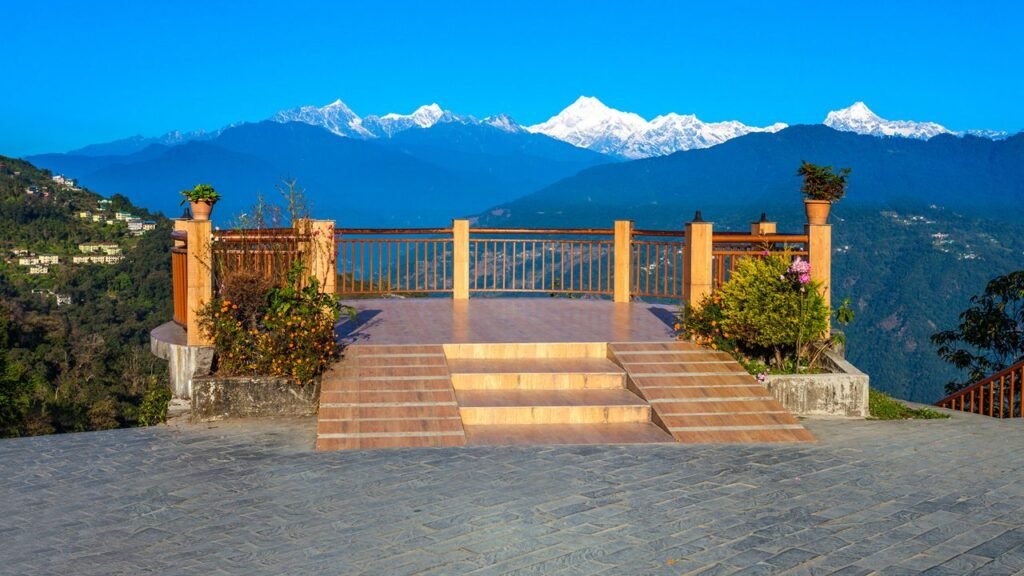
Tashi View Point—often called Tashi Viewpoint—is one of Gangtok’s most celebrated lookout spots. Perched on a ridge above the city, it provides sweeping panoramas of the eastern Himalaya, including the majestic Kangchenjunga range on clear mornings. Beyond its immediate visual appeal, Tashi View Point occupies a meaningful place in the story of Gangtok’s transformation from a small Himalayan capital into a prominent tourist destination.
The name Tashi derives from Tibetan and Sikkimese usage meaning “auspicious” or “good fortune.” Lookout sites and religious places in the Himalayan cultural sphere commonly carry names with such connotations, reflecting the close relationship between landscape, spirituality and everyday life in Sikkim. The spot that became Tashi View Point was originally valued as a natural vantage and local gathering place long before it was formally developed for visitors.
Gangtok developed as the administrative and cultural capital of the Kingdom of Sikkim. Its location on routes linking the plains of north Bengal with the Tibetan plateau made it a regional hub for trade and pilgrimage. Over the 19th and early 20th centuries, Gangtok slowly expanded as a town of government, monasteries and markets.
Systematic tourism development in and around Gangtok accelerated in the mid-20th century as roads improved and travel to the hills became safer and more accessible. After Sikkim’s formal integration into India in 1975, investment in transport, accommodation and basic infrastructure increased further. In this environment, vantage points such as Tashi View Point were progressively developed and promoted as essential stops on the Gangtok tourist circuit.
Tashi View Point’s primary attraction is its unobstructed sightlines to the eastern Himalayan peaks and the layered valleys below. Sunrise and early-morning views on clear days are especially prized, drawing photographers, nature lovers and spiritual visitors who link the grandeur of the mountains with local cosmologies.
Lookouts like Tashi View Point function both as tourist attractions and as communal spaces. They are sites where locals and visitors meet, where roadside stalls serve chai and snacks, and where small informal exchanges—of goods, stories and hospitality—take place. In many ways the point captures the mixed economy of Sikkimese tourism: natural spectacle, modest commerce, and a backdrop of Buddhist cultural signifiers.
Tashi View Point sits on Gangtok’s higher western ridges, accessible by a short drive from the city center. While not a difficult visit in terms of terrain, it rewards early rising visitors with crisp, often cloud-free morning skies during the drier months. The viewpoint is usually included alongside other nearby attractions in a half-day or full-day itinerary of Gangtok.
Tourism at places like Tashi View Point contributes to household incomes through direct sales (food, handicrafts) and services (transport, guiding). This small-scale commerce supports families in Gangtok and surrounding villages. At the same time, reliance on seasonal visitor flows makes such livelihoods sensitive to weather, road conditions and wider tourism trends.
As with many popular vistas in fragile mountain environments, balancing visitor access with environmental protection is a concern. Challenges include waste management, erosion from foot traffic, pressure on limited water and sanitation facilities, and the visual impact of unregulated stalls or construction.
Tashi View Point is often experienced not only as a scenic spot but as a place imbued with local cultural meanings. Visitors should be mindful and respectful of any nearby religious objects, local practices and the role of the site as part of everyday life for residents.
Looking forward, Tashi View Point will remain a central node in Gangtok’s tourist landscape so long as mountain-view tourism continues to attract visitors. The key for the future is to promote accessible, low-impact tourism that supports the local economy while protecting the natural and cultural assets that make the place special. Initiatives that emphasize interpretation, waste management, regulated infrastructure and community participation will help ensure the viewpoint endures as both a spectacle and a shared resource.
Tashi View Point exemplifies how a simple natural vantage can become a significant element in a region’s tourist identity. Rooted in local culture and uplifted by improved access and promotion, it offers more than a view: it provides a lens into Gangtok’s historical evolution, its economic shifts toward hospitality, and the ongoing negotiation between welcoming visitors and preserving place. For travelers, scholars and local communities alike, the viewpoint is a small but telling chapter in the larger story of Himalayan tourism.
What makes us different from other tour package companies
Our travel experts have core and intense knowledge about Sikkim sector with over 10 years of experience that will help you choose the best possible itinerary as per your requirements.
Our travel experts are just one call away during your tour to help you with any kind of immediate assistance so that your tour is a more enjoyable and hassle-free tour.
eSikkimTourPackages ensures best rates to all our esteemed guests since we have our own hotels and fleet of vehicles and drivers and there is no third-party involvement. This ensures personalized service and best rates.





















Kindly enter the details below for your Sikkim Tour Package