Sky Walk Pelling

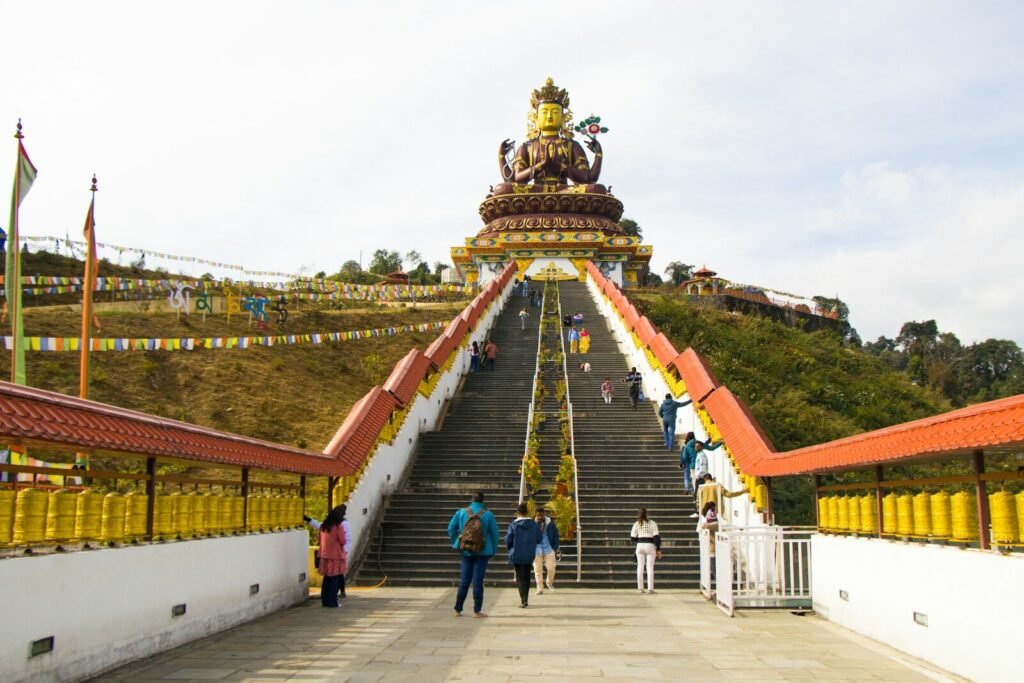
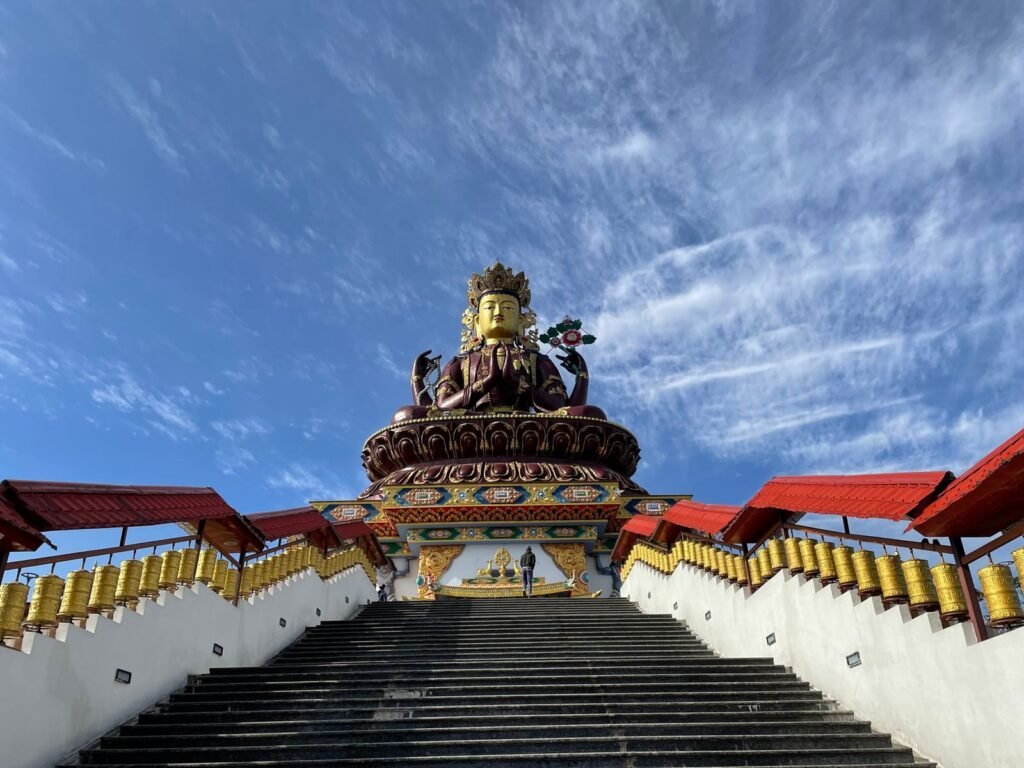
Majestic Maitreya Buddha statue under a clear blue sky in Pelling, Sikkim.

Best time to visit

Sky Walk Pelling, Pelling — Best Time to Visit (Tourism Guide)

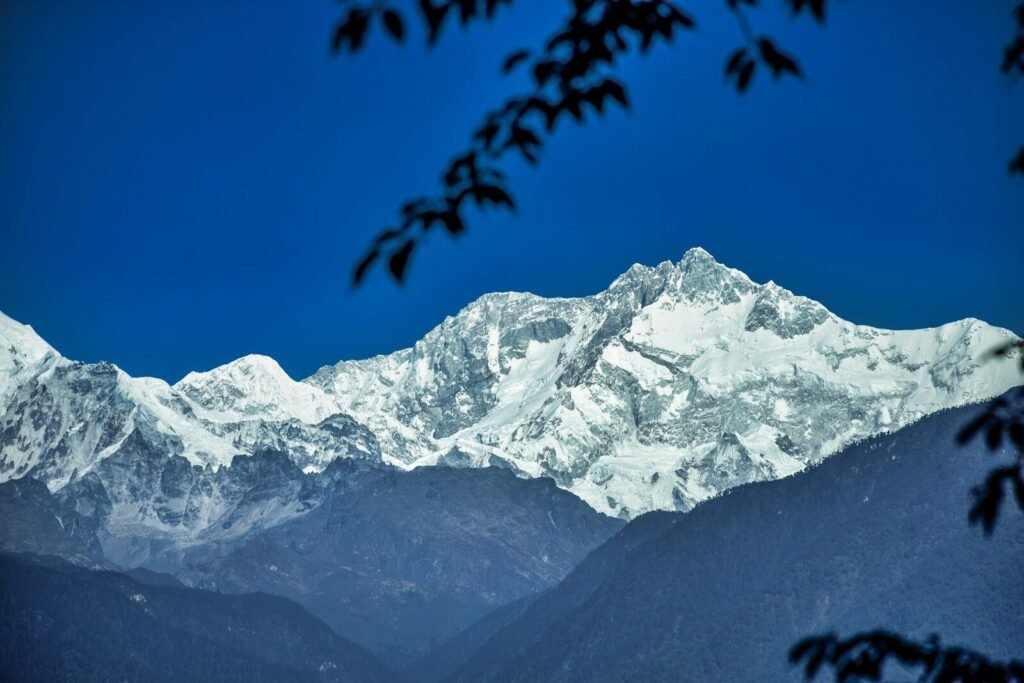
Sky Walk Pelling is one of the newest adventure‑tourism highlights in Pelling, West Sikkim. Perched above verdant valleys and offering dramatic panoramas of the Kanchenjunga range and surrounding hills, the Sky Walk (a glass/floored viewing platform and adjacent viewpoints) is a must for photographers, nature lovers and travelers seeking a thrill with a scenic payoff. Choosing the right time to visit strongly affects visibility, safety, and overall enjoyment. This article breaks down the best months, daily timing, season‑specific tips, logistics and safety advice to help plan your visit.

Quick Summary — Best Time to Visit

  • Optimal months: October–December and March–May — clear skies, pleasant temperatures and excellent mountain views.
  • Avoid (if possible): Peak monsoon months (June–September) — heavy rain, landslide risk and poor visibility.
  • Winter visits: January–February offer snowy, scenic conditions but colder temperatures and potential access difficulties.
  • Best time of day: Early morning (sunrise to mid‑morning) for crisp views and dramatic light; late afternoon also good for golden hour photography.

Why Timing Matters for Sky Walk Pelling

The Sky Walk’s main appeal is unobstructed views of the Himalaya and surrounding landscapes. Weather, cloud cover and rainfall directly influence visibility. Road safety and trail access are also seasonal: monsoon brings higher landslide risk on winding hill roads, while winter can bring icy patches or snow that affect both the drive and on‑site mobility.

Seasonal Breakdown

Autumn (October – December)

Highlights: Considered the best time overall. Post‑monsoon atmospheric clearing produces bright, blue skies and excellent visibility of the Kanchenjunga massif. Temperatures are comfortable during the day (mild to cool) and cold at night.

  • Pros: Stable weather, great photography, festival atmosphere (local festivals and tourists).
  • Cons: Can be crowded during peak holiday periods (Diwali/late October & early November weekends).
Spring (March – May)

Highlights: Another excellent window. Rhododendrons and other wildflowers start to bloom; daytime temperatures warm up and skies are often clear. Visibility for mountain views remains very good.

  • Pros: Pleasant temperatures, blooming landscapes, fewer clouds than monsoon.
  • Cons: Late spring can get warmer and hazier on some days.
Monsoon (June – September)

Highlights: Lush greenery and dramatic waterfalls characterize the monsoon, but it’s the least favorable time for the Sky Walk if your priority is clear mountain views.

  • Pros: Lush scenery, fewer tourists, lower prices for some services.
  • Cons: Frequent cloud cover and rain, slippery paths, higher landslide and road‑block risk; mountain views often absent.
Winter (January – February)

Highlights: If you like snow‑dusted peaks and a quieter setting, winter can be special. However, cold temperatures and occasional snowfall can affect road access.

  • Pros: Snowy vistas, crisp air, low tourist numbers.
  • Cons: Very cold mornings, possible road closures or difficult driving conditions, thinner oxygen for some visitors unaccustomed to altitude.

Best Time of Day for the Sky Walk

  • Sunrise to mid‑morning: Best light for mountain photography, crisp visibility, calmer winds and fewer crowds.
  • Late afternoon / golden hour: Warm light on the peaks and lovely valley colors; expect more visitors than morning.
  • Midday: Usually clear but harsher light for photos; heat (in warmer months) and more visitors.
  • Evening / night: Can be atmospheric if the platform is open, but visibility of mountains is poor — check local lighting and safety policies.

How Weather Affects Your Visit

Visibility at the Sky Walk is extremely weather dependent. Clear, cold mornings after a dry period give the best panoramas. Warm, humid days and monsoon months often bring low clouds, fog and poor visibility. Windy days can make a glass walkway uncomfortable or unsafe—operators may restrict access during high winds.

Practical Tips for Timing Your Trip

  • Book for clear‑sky months if a mountain view is your priority: target October–December or March–May.
  • Schedule early morning visits during your stay — book first slots or arrive before sunrise for the best light and fewer tourists.
  • Allow buffer days: If mountain views are a must, plan 2–3 nights in Pelling to allow for one clear day in case of local cloud cover.
  • Check local weather and road conditions: Particularly in monsoon and winter seasons; check with your hotel or local tour operator each morning.
  • Be flexible: High winds or inclement weather may close the Sky Walk for safety—have alternate plans (monastery visits, waterfalls, cultural experiences).

Logistics & Accessibility

Pelling is about 115–140 km from Gangtok depending on the route and takes roughly 4–5 hours by road. The Sky Walk location may be a short drive or walk from central Pelling; local taxis and shared jeeps operate between nearby tourist spots. Roads are hilly and sometimes narrow — allow extra travel time in bad weather.

Permits & Local Regulations

Domestic travelers from India typically do not need special permits to visit Pelling. Foreign nationals should confirm up‑to‑date entry or protected area permit requirements with local authorities or their travel agent before travel. Also follow site‑specific rules for the Sky Walk (footwear restrictions, weight limits, behavior on the glass platform).

What to Pack / Wear (Season‑wise)

  • Autumn & Spring: Layered clothing (light fleece/jacket), sunglasses, sunblock, hat, sturdy shoes.
  • Monsoon: Waterproof jacket, quick‑dry clothing, non‑slip footwear, insect repellent.
  • Winter: Warm insulated jacket, thermal layers, gloves, warm hat, sturdy warm footwear; traction aids if icy conditions are expected.
  • Always useful: Camera with spare batteries (cold drains batteries fast), binoculars, water bottle, basic first‑aid items, personal medications.

Safety & Accessibility Considerations

  • Altitude and exertion: Pelling is at moderate altitude; most people acclimatize easily, but take it easy on arrival if you’re coming from low elevations.
  • Glass walkway precautions: Follow staff instructions about footwear and load limits. Avoid running or jumping on the glass platform. Keep small children closely supervised.
  • Weather closures: The Sky Walk operator may close access during high winds, heavy rain, or snow—respect closures for safety.
  • Road safety: Hire experienced drivers, especially in monsoon and winter seasons.

Suggested Itineraries Around the Sky Walk

  • Half‑day: Early morning Sky Walk visit for sunrise and views, followed by breakfast and a quick visit to Pemayangtse Monastery or the Kanchenjunga viewpoint.
  • One day: Sky Walk sunrise + Pemayangtse Monastery + Rabdentse ruins + Khecheopalri Lake (time permitting).
  • 2–3 days: Relaxed exploration including Singshore Bridge, waterfalls, local villages and a buffer day for weather‑dependent sightseeing.

Photography Tips

  • Shoot early morning or late afternoon for the best light and contrast on the peaks.
  • Use a wide‑angle lens to capture the expanse of the valley and mountain range; a telephoto helps isolate peaks and details.
  • Bring circular polarizer filter to enhance blue skies and reduce glare on glass surfaces.
  • Protect equipment from moisture and sudden weather changes (weather‑sealed bags, silica packs).

Final Recommendations

For most travelers who want the quintessential Pelling experience at the Sky Walk—clear mountain panoramas, comfortable weather and safe roads—the sweet spots are October through December and March through May. If you prize solitude and snowy scenes, consider winter but be prepared for colder conditions and possible access issues. Avoid monsoon if your priority is uninterrupted mountain views.

Before you travel, check recent local weather forecasts, road status, and any visitor guidelines from the Sky Walk operator or the local tourism office to ensure a safe and memorable visit.

Get Instant Call Back​

Which places do you want to explore in North-East?
Kindly share your above details to get Travel Plan PDF within 30 seconds on your mobile
Please wait while we are preparing customized quotes as per your requirement.

Why Choose us ?

What makes us different from other tour package companies

Best Travel Experts

Our travel experts have core and intense knowledge about Sikkim sector with over 10 years of experience that will help you choose the best possible itinerary as per your requirements.

24 X 7 On-Trip Assistance

Our travel experts are just one call away during your tour to help you with any kind of immediate assistance so that your tour is a more enjoyable and hassle-free tour.

Best Rate Guarantee

eSikkimTourPackages ensures best rates to all our esteemed guests since we have our own hotels and fleet of vehicles and drivers and there is no third-party involvement. This ensures personalized service and best rates.


Sikkim Tour Packages by Theme

Sikkim Tour From Popular Cities

Limited period offer – Sikkim tour packages at flat 50% discount. Inquire now!

Kindly enter the details below for your Sikkim Tour Package
Loading, please wait . .. ... ....