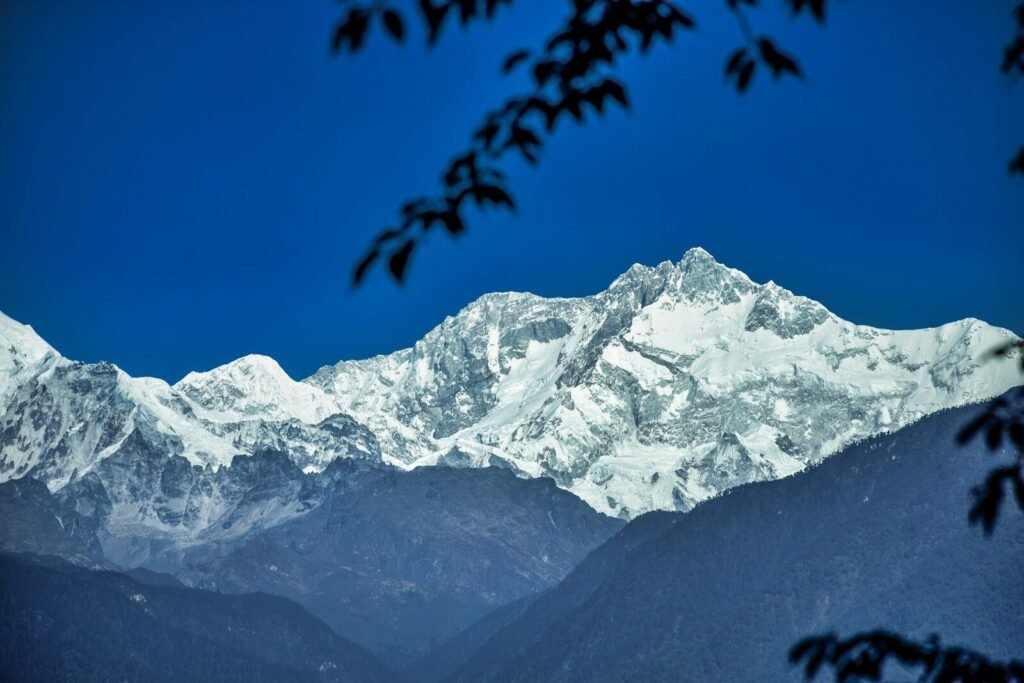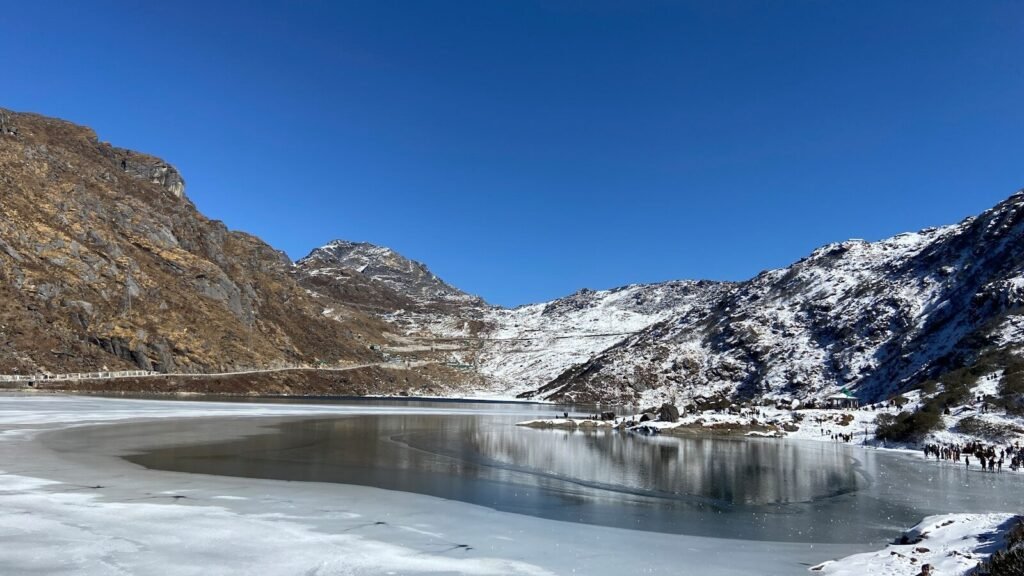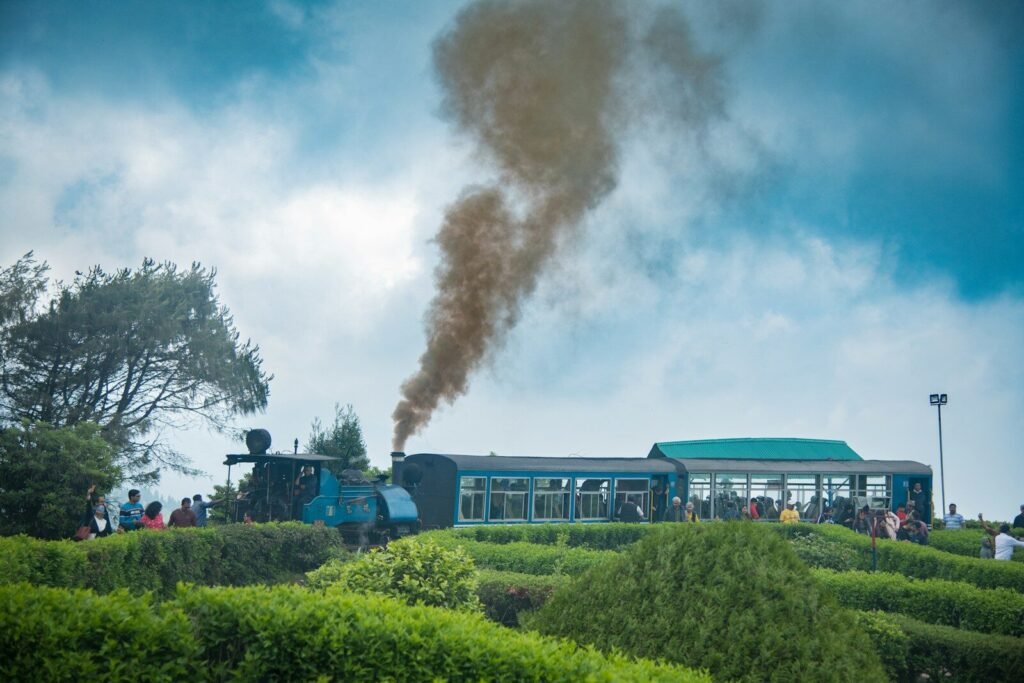
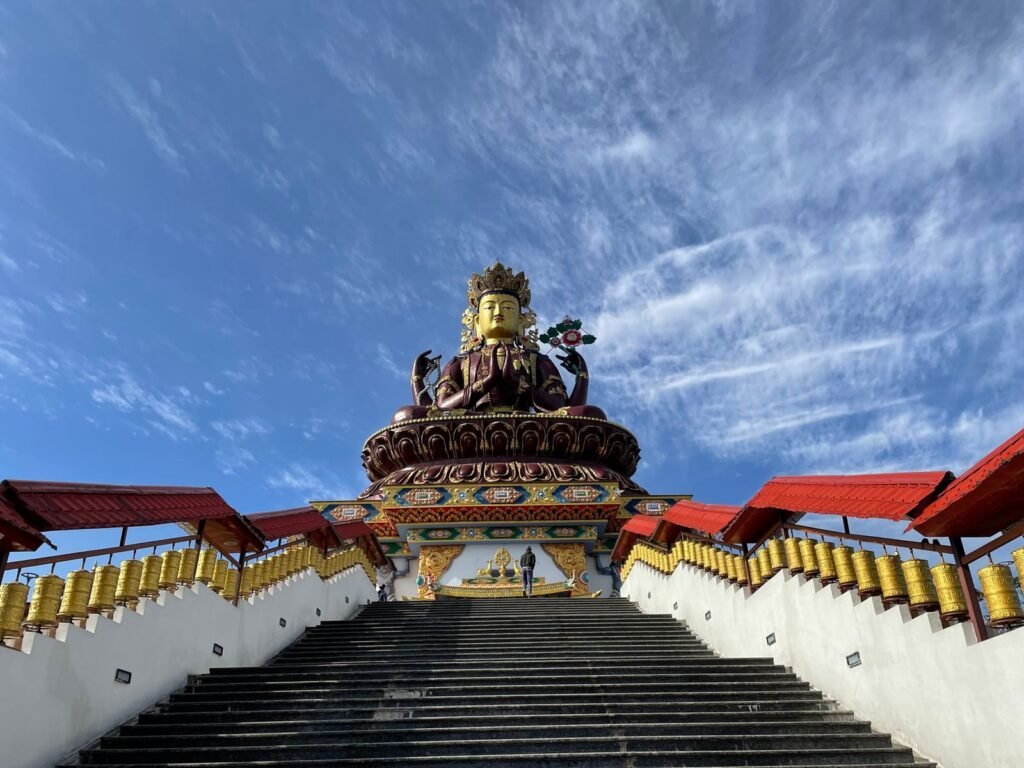
Pelling, a small mountain town in West Sikkim, India, has become synonymous with panoramic views of the Kanchenjunga range, tranquil monasteries and a steadily evolving tourism landscape. Among its contemporary attractions, the Sky Walk Pelling—a raised viewing platform and glass-walk experience—stands out as a symbol of modern tourism interventions in a traditionally Buddhist and agrarian region. This article traces the historical context that produced Sky Walk Pelling, describes its features, and evaluates its significance for local tourism, culture, economy and environment.
Pelling’s significance predates modern tourism. The nearby Rabdentse ruins were the second capital of the Kingdom of Sikkim (17th–18th centuries) and Pemayangtse Monastery has long been a religious center for the Nyingma school of Tibetan Buddhism. For centuries, the local economy centered on subsistence agriculture, trade along Himalayan passes and monastery-linked patronage. The culture and built environment were shaped by Buddhist practice, Himalayan architecture and village life.
With improved roads and the broad expansion of Indian domestic tourism in the late 20th century, Pelling emerged as an accessible vantage point for Himalayan vistas—especially of Kanchenjunga. From the 1980s to the early 2000s, Pelling grew as travelers seeking quieter alternatives to Darjeeling and Gangtok discovered its panoramas, trekking opportunities and cultural sites. Guesthouses, small hotels and homestays slowly multiplied, establishing a tourism economy that remained modest and seasonal.
In the 21st century, the Himalayan tourism market shifted. Travelers sought new forms of experiential and photographic tourism—panoramic platforms, suspension bridges and glass walkways became popular across mountainous destinations worldwide. In Sikkim, the state government’s push to increase tourist footfall while promoting accessible vantage sites, combined with private investment in experience-based attractions, created momentum for projects such as observation decks and skywalks.
Sky Walk Pelling emerged from this context: a purpose-built viewing structure positioned to maximize sightlines to the Kanchenjunga massif and the surrounding Himalayan foothills. Rather than being an old monument, the Sky Walk is a modern addition—designed for short-duration, high-impact visitor experiences (photography, sunrise/sunset viewing, and panoramic observation)—and constructed with contemporary materials such as steel, reinforced glass and treated decking. Exact construction dates vary by source, but the Sky Walk is part of a wave of similar attractions established in the 2010s and early 2020s across Himalayan hill towns.
Visitors typically come for sunrise or clear-morning views of Kanchenjunga, brief photo shoots, and as part of a broader Pelling itinerary that includes Pemayangtse Monastery, Rabdentse and local waterfalls. The Sky Walk can serve both thrill-seeking visitors (glass sections) and contemplative travelers (quiet observation and meditation space).
While economically beneficial, modern attractions can create tensions. The juxtaposition of a contemporary glass walkway against monastic sites and traditional villages raises questions about cultural fit, visual impact on the landscape, and the commercialization of sacred views. Local communities and monasteries sometimes work with authorities to manage visitor behavior, balance reverence and recreation, and preserve the dignity of heritage sites.
Pelling sits in a fragile mountain ecosystem. Increased visitor numbers risk erosion, waste generation and pressure on water resources. Sustainable design principles—such as using locally sourced materials where possible, limiting vehicle access, providing waste management, and enforcing carrying-capacity limits—are essential to minimizing impacts.
Successful Skywalk operations typically involve consultation with village councils, monastery authorities and tourism associations. When managed inclusively, revenues can be channeled into community projects, path maintenance and cultural preservation efforts, creating broader buy-in.
Sikkim’s tourism policy emphasizes eco-conscious growth and cultural preservation. The state’s identity as an environmentally progressive region (for example, initiatives to promote organic agriculture and regulated development) influences how attractions like Sky Walk Pelling are permitted and managed. Local authorities often pair development approvals with sustainability conditions.
The primary challenge is balancing tourism growth with protection of cultural landscapes and ecological integrity. Over-commercialization could degrade the qualities that made Pelling attractive in the first place—the quiet vistas, monastery ambience and village life.
Sky Walk Pelling represents a contemporary layer in the long arc of Pelling’s history: from a monastery-linked hill settlement and former royal capital’s environs to a modern tourist destination. As a built vantage point designed for spectacle and intimate communion with the Himalayan panorama, the Skywalk can deepen Pelling’s appeal—if developed and managed with sensitivity to local culture and environment. Its true historical significance will be judged not only by the number of visitors it attracts, but by how well it contributes to sustainable livelihoods, preserves the sacred and natural landscape, and enhances the visitor’s understanding of Pelling’s unique Himalayan heritage.
What makes us different from other tour package companies
Our travel experts have core and intense knowledge about Sikkim sector with over 10 years of experience that will help you choose the best possible itinerary as per your requirements.
Our travel experts are just one call away during your tour to help you with any kind of immediate assistance so that your tour is a more enjoyable and hassle-free tour.
eSikkimTourPackages ensures best rates to all our esteemed guests since we have our own hotels and fleet of vehicles and drivers and there is no third-party involvement. This ensures personalized service and best rates.












Kindly enter the details below for your Sikkim Tour Package