Best Time to Visit Sewaro Rock Garden, Pelling — A Comprehensive Tourism Guide
Sewaro Rock Garden in Pelling, West Sikkim, is a compact but scenic attraction that showcases layered rock formations, well-kept garden paths and close-up views of the surrounding temperate landscape. Choosing the right time to visit can dramatically affect your experience — from clear mountain vistas and flowering rhododendrons to mist-shrouded valleys and winter snows. This guide covers season-by-season advice, monthly recommendations, activities, travel logistics and practical tips to help you plan the perfect visit.
Why timing matters
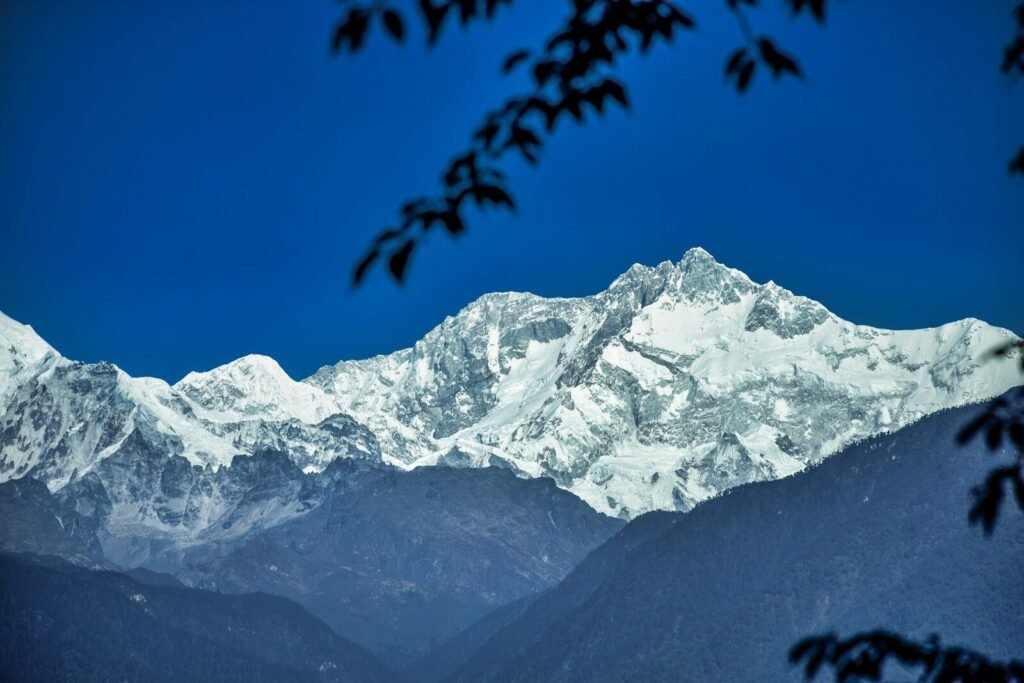
The appeal of Sewaro Rock Garden depends on visibility, weather and the wider Pelling experience — views of Khangchendzonga, nearby monasteries and walks become more or less rewarding depending on when you go. Roads and trails in this Himalayan region are also seasonally affected: monsoon brings heavy rain and landslide risk, while winter can bring snow and colder temperatures. Planning around seasons ensures safety, better photography and more comfortable sightseeing.
Quick summary: Best months to visit
- Top choice: April–May (spring) — clear skies, blooming rhododendrons, pleasant days.
- Second choice: October–November (autumn) — excellent visibility after monsoon, crisp weather and festival atmosphere.
- For snow lovers: December–February — cold, occasional snowfall and a quieter, off-peak experience.
- To avoid: June–September (monsoon) — heavy rain, reduced visibility, slippery trails and higher landslide risk.
Season-by-season detail
Spring (March–May) — The ideal window
Why go: Spring is widely considered the best time to visit Sewaro Rock Garden. Temperatures are comfortable, the air is clear and the hills are alive with rhododendron blooms and fresh vegetation. Views of the Khangchendzonga range are more likely to be unobstructed.
- Weather: Mild days (10–20°C / 50–68°F), cool nights.
- What to expect: Flowering shrubs, improved visibility, comfortable hiking conditions.
- Travel tips: Book accommodation in advance during April–May when tourism peaks.
Summer and Monsoon (June–September) — Lush but risky
Why consider (or avoid) it: The monsoon brings rich greenery and dramatic waterfalls, but frequent and heavy rain makes road travel and outdoor activities less predictable. Landslides and trail erosion are possible.
- Weather: Heavy, frequent rainfall; temperatures 12–20°C (54–68°F).
- What to expect: Intense cloud cover, limited distant views, slippery paths.
- Travel tips: If you must travel in monsoon, check road conditions daily, allow flexible plans and consider travel insurance that covers delays.
Autumn (October–November) — Clear skies and cultural flavor
Why go: Post-monsoon clearing produces some of the best mountain views of the year. The air is crisp and festivals or local events may add cultural interest to your trip.
- Weather: Cool days and nights, 5–18°C (41–64°F).
- What to expect: Clear panoramas, excellent photography conditions and pleasant trekking.
- Travel tips: Ideal for combining Sewaro Rock Garden with nearby attractions like Pemayangtse Monastery and Khecheopalri Lake.
Winter (December–February) — Quiet, cold and occasionally snowy
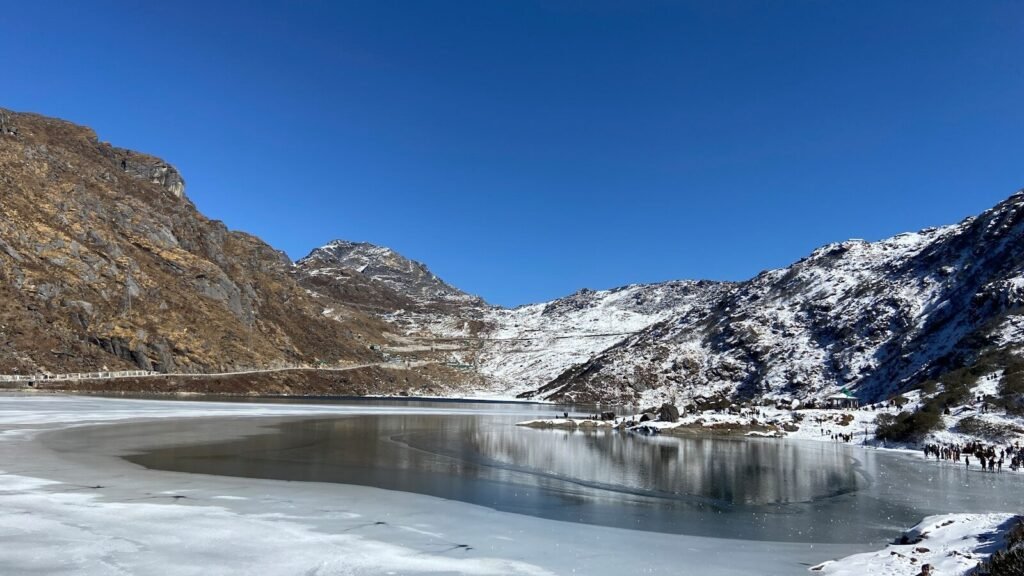
Why go: Winter brings quieter roads, fewer tourists and, at higher elevations, the chance of snow. This suits travelers seeking solitude or a snowy Himalayan ambiance.
- Weather: Cold, often near freezing at night; daytime temperatures from 0–10°C (32–50°F).
- What to expect: Frost or light snow some years, clear mornings ideal for crisp vistas.
- Travel tips: Cold-weather gear is essential. Some mountain roads may be affected by ice — drive or travel with local drivers experienced in winter conditions.
Month-by-month guide
- March: Early spring greenery; good time for lower crowds.
- April–May: Peak visibility and flora; best overall period.
- June–September: Monsoon season; expect rain, avoid if possible.
- October–November: Excellent clarity and pleasant weather; runner-up choice.
- December–February: Winter quietness; possible snow and cold mornings.
What to do at Sewaro Rock Garden and nearby
- Stroll the garden paths and study the rock formations up close.
- Photography at sunrise and sunset for warm soft light on the rocks and valleys.
- Combine a visit with short hikes or nature walks in surrounding forested slopes.
- Explore nearby Pelling attractions: Pemayangtse Monastery, Rabdentse Ruins, Khecheopalri Lake, Rimbi Waterfall and Singshore Bridge.
- Birdwatching — the temperate forests are home to several Himalayan and migratory bird species.
Packing checklist by season
All-season essentials
- Comfortable walking shoes with good grip
- Light daypack, water bottle and sunscreen
- Camera and spare batteries / power bank
- Basic first-aid kit and prescription medications
Spring and autumn
- Layered clothing (t-shirts, light fleece, windproof jacket)
- Hat and sunglasses
Monsoon
- Waterproof jacket and rain cover for your bag
- Quick-dry clothing and waterproof footwear
- Umbrella and anti-slip shoe grips if you plan to walk a lot
Winter
- Insulated jacket, thermal layers, warm hat and gloves
- Warm boots and wool socks
Travel logistics and accessibility
Pelling is accessible from the plains via NH10 (Siliguri–Gangtok route). Typical travel options:
- By air: Bagdogra Airport (near Siliguri) is the closest major airport. From there, road travel to Pelling takes several hours.
- By rail: New Jalpaiguri (NJP) is the nearest major railway station; onward by road.
- By road: Shared taxis, private cars or buses from Gangtok or Siliguri. Roads are winding mountain roads; allow extra travel time for weather or traffic.
Note: Permit rules for Sikkim and surrounding protected areas change from time to time. Check current entry and permit requirements (for Indian and foreign nationals) with local authorities or your accommodation provider before travel.
Safety and health considerations
- Monsoon months can bring landslides and roadblocks; monitor local weather and road advisories.
- Altitude in Pelling is moderate (around 2,000–2,200 m). Most visitors tolerate it well, but drink water, walk slowly if you feel breathless and avoid strenuous exertion on arrival.
- Carry basic medicines, especially if you are sensitive to cold or prone to altitude-related symptoms.
- Respect local ecology: stick to paths, avoid littering and minimize noise in natural areas.
Photography and best viewing times
For peak photography:
- Plan for early morning and late afternoon light — these times offer the most dramatic shadows and color on the rock faces and valley.
- After a clear night in spring or autumn, early morning often delivers the best mountain vistas.
- In monsoon, use a polarizing filter to reduce glare and enhance foliage color; bring protective covers for camera gear.
Sample 1–2 day itinerary including Sewaro Rock Garden
Day 1
- Morning: Arrive in Pelling, check into accommodation, short rest.
- Late morning: Visit Sewaro Rock Garden — stroll the paths and capture close-up details of the formations.
- Afternoon: Visit Pemayangtse Monastery and Rabdentse Ruins for panoramic views.
- Evening: Sunset viewpoint for valley and mountain light.
Day 2 (optional)
- Early morning: Sunrise view toward Khangchendzonga range (if visibility permits).
- Midday: Excursion to Khecheopalri Lake and Rimbi Waterfall.
- Late afternoon: Relax at a café or local homestay; prepare for onward travel.
Practical tips for a better visit
- Arrive early in the day for clearer views and less crowding.
- Check local weather and road updates, especially during monsoon and winter.
- Hire a local guide for added context on geology, flora and cultural sites — guides also know the safest routes when conditions change.
- Support local businesses: choose homestays, local eateries and licensed guides.
- Carry cash in small denominations — ATMs can be scarce in hill towns.
Final recommendation
If you want the most comfortable, visually rewarding and activity-friendly visit to Sewaro Rock Garden and the Pelling area, plan your trip for April–May or October–November. Spring delivers blossoms and mild weather; autumn gives unparalleled clarity after the rains. If you enjoy solitude and don’t mind the cold, winter can be a charming off-season choice. Avoid the monsoon months unless you welcome dramatic green landscapes and are prepared for unpredictable weather and travel interruptions.
Always verify current travel conditions, local regulations and opening hours before you go to ensure a smooth and enjoyable visit.