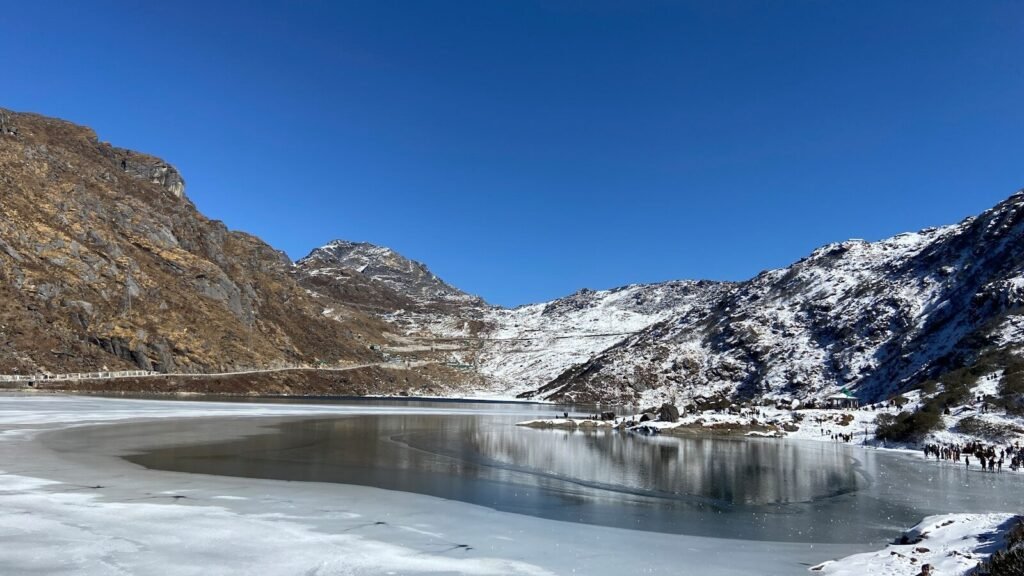
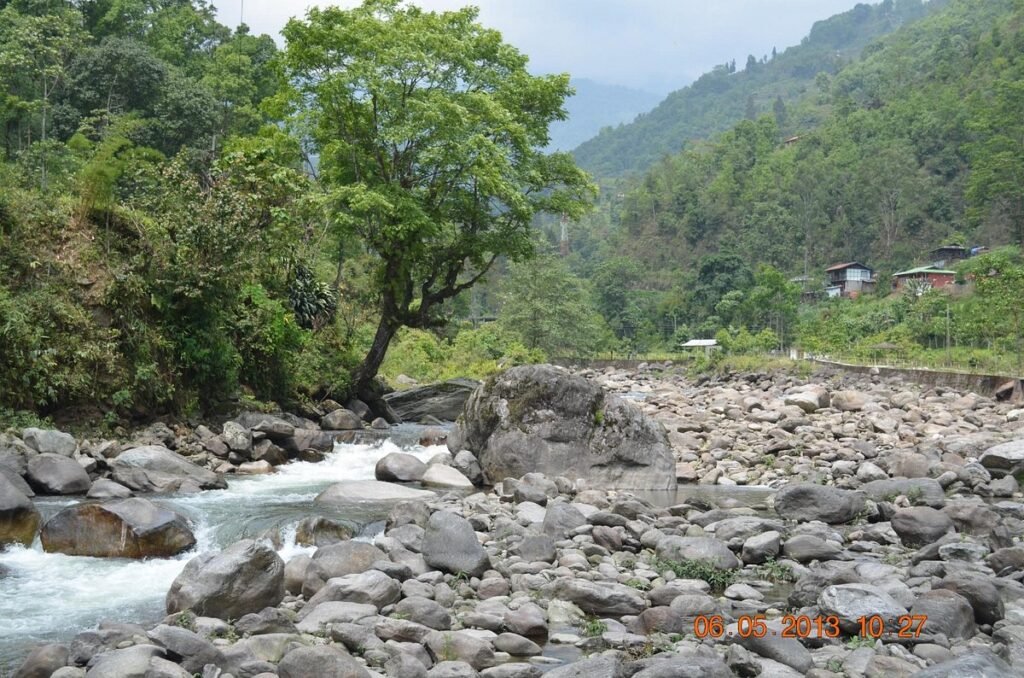
Sewaro Rock Garden

History

Sewaro Rock Garden, Pelling: A Historical and Tourism Overview

Nestled in the western hills of Sikkim, India, the Sewaro Rock Garden near Pelling has become an evocative stop for visitors seeking a mixture of natural geology, scenic viewpoints and a quiet cultural ambiance. While Sewaro Rock Garden is not as widely chronicled as Pelling’s major monasteries or the Rabdentse ruins, it forms an important local attraction whose history can be best understood through geology, local traditions and the recent growth of tourism in the region.

Setting: Pelling and its tourism context

Pelling rose to prominence in Sikkim’s tourism map in the late 20th and early 21st centuries as a vantage point for views of the Kanchenjunga range and as a gateway to Buddhist heritage sites such as Pemayangtse Monastery and the Rabdentse ruins. Against this backdrop, smaller natural attractions such as Sewaro Rock Garden have come to supplement the classic circuit, offering visitors accessible nature walks, rock outcrops and quiet viewpoints within easy reach of Pelling town.

Geological history and formation

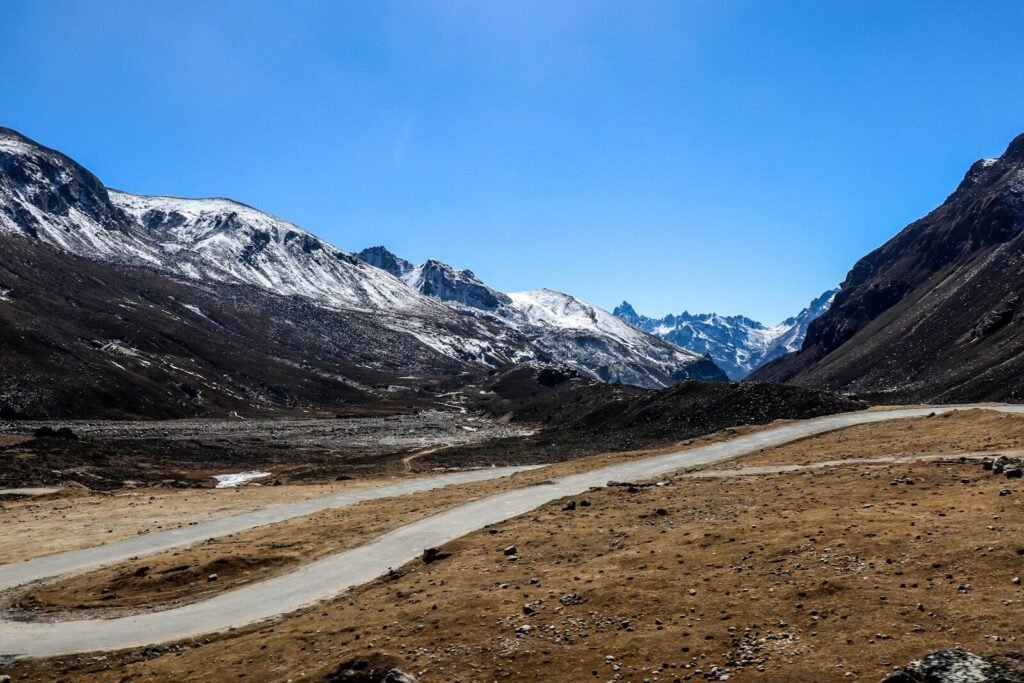
The story of Sewaro Rock Garden begins long before human visitors. The Himalayan foothills in and around Pelling were formed by the collision of the Indian and Eurasian tectonic plates, a process that uplifted sediments and created varied rock strata over millions of years. Sewaro’s characteristic rocky outcrops, ledges and boulder-sculpted terrain are best understood as products of:

  • Plate tectonics and uplift — regional folding and uplift that raised bedrock into steep hillsides.
  • Weathering and erosion — mechanical and chemical weathering, aided by monsoon rains, frost, and seasonal temperature variations, sculpted the visible rock faces.
  • Glacial and fluvial activity — past glaciation in higher altitudes and persistent streams contributed to carving valleys and depositing material that framed the rock formations.

Why geological history matters for tourism

Visitors often appreciate Sewaro Rock Garden for its exposed strata, natural terraces and panoramic views. Understanding the geological processes enhances interpretive tourism—guides and signage that explain rock types, formation processes and landscape evolution can deepen visitor experience and foster conservation awareness.

Cultural and local historical significance

Sewaro Rock Garden sits within a cultural landscape shaped by Lepcha, Bhutia and Nepali communities. While formal historical records specifically naming Sewaro are limited, the site and surrounding hills are woven into local practices:

  • Oral traditions and place memory: Local elders and storytellers may associate certain rock features or groves with seasonal rituals, sacred stones or local legends.
  • Resource use: Historically, hillside pastures, small terraced plots and forested slopes provided fodder, medicinal plants and fuelwood for nearby communities.
  • Integration with pilgrimage routes: As Pelling’s religious and historic sites drew pilgrims, informal trails connecting monasteries, lakes and vantage points helped establish a network of stops that later developed into the modern tourist circuit.

Development as a tourist site

Sewaro Rock Garden’s development as a tourism attraction has been gradual and community-oriented. Key phases include:

  • Local visitation: For decades the site served local needs—grazing, collecting herbs, and seasonal walks.
  • Emergent tourism: With Pelling’s wider promotion in travel guides and growing visitor numbers, local entrepreneurs and authorities improved access—clearing trails, adding basic viewing platforms and signboards.
  • Modern visitor amenities: In recent years modest facilities such as pathways, seating, and information panels have been introduced in many sites like Sewaro to make them safer and more welcoming, while still preserving a natural feel.

Interpretation and storytelling for visitors

Effective tourism at Sewaro connects three narratives: the geological deep-time story, the living culture of nearby communities, and the contemporary history of Pelling as a destination. Guided walks and simple interpretive panels focusing on these threads enrich visitor appreciation.

Visitor experience: What to expect

Visitors to Sewaro Rock Garden typically find:

  • Scenic viewpoints: Panoramic views of the surrounding hills and, on clear days, distant glimpses of the Himalayan ridgeline including parts of the Kanchenjunga massif.
  • Walking trails: Short, moderate paths across rocky terrain and terraces suited for half-day excursions from Pelling town.
  • Flora and fauna: Native rhododendrons, montane grasses, and mixed broadleaf vegetation; seasonal birdlife that attracts nature-watchers.
  • Peaceful, less-crowded ambiance: Compared to major temples and lakes, Sewaro tends to be quieter—appealing to those seeking solitude or photography opportunities.
Practical tips for visitors
  • Best time to visit: Spring (March–May) for rhododendron blooms and autumn (September–November) for crisp skies and good visibility.
  • What to bring: Comfortable walking shoes, water, layered clothing, sun protection and a camera/binoculars for landscape and bird viewing.
  • Respect local life: Avoid damaging vegetation, and request permission before photographing people’s homes or private activities.

Conservation, management and sustainable tourism

As Sewaro Rock Garden attracts more visitors, management priorities include preserving natural features, preventing erosion and ensuring benefits flow to local communities. Important strategies are:

  • Trail design and maintenance: Define durable pathways, install low-impact steps where needed and place water runoff controls to prevent soil loss.
  • Visitor education: Use signage and local guides to explain fragile habitats and appropriate behavior.
  • Community involvement: Encourage community-run enterprises for guiding, handicrafts and hospitality so local people directly benefit.
  • Regulation and monitoring: Limit ad-hoc construction, manage litter and monitor visitor numbers during sensitive seasons.

Challenges

  • Balancing improved access with preservation of the site’s natural character.
  • Managing waste and informal souvenir sales that can diminish the visitor experience.
  • Ensuring equitable distribution of tourism revenue among local residents.

Interpretive opportunities and future directions

Sewaro Rock Garden presents opportunities for low-impact, high-value tourism products:

  • Geo-tourism trails: Guided interpretation of rock formations and landscape evolution aimed at school groups and geology enthusiasts.
  • Birding and nature photography: Seasonal programs that highlight local biodiversity with minimal disturbance.
  • Cultural walks: Combining Sewaro with nearby monasteries, herb gardens and village visits to tell a holistic story of land and people.
Recommendations for stakeholders
  • Develop a simple site management plan that includes erosion control, signage and regular maintenance.
  • Train local youth as naturalist-guides to create employment and deepen visitor interpretation.
  • Promote off-season visitation and small-group experiences to reduce peak pressure.

Conclusion

Sewaro Rock Garden, while modest compared with Sikkim’s grand monasteries or Kanchenjunga vistas, contributes an important strand to Pelling’s tourism tapestry. Its value lies in the combination of geological interest, local cultural associations and tranquil nature-based experiences. Thoughtful management and community engagement can ensure Sewaro continues to enrich visitors’ understanding of the region while protecting the landscape that makes it special.

Note: Historical documentation specifically naming Sewaro is limited; much of the site’s story is best pieced together from geological understanding, local oral history and the broader history of tourism in Pelling. For site-specific historical records, visitors and researchers should consult Sikkim state archives, local village elders and the Pelling tourism office.

Get Instant Call Back​

Which places do you want to explore in North-East?
Kindly share your above details to get Travel Plan PDF within 30 seconds on your mobile
Please wait while we are preparing customized quotes as per your requirement.

Why Choose us ?

What makes us different from other tour package companies

Best Travel Experts

Our travel experts have core and intense knowledge about Sikkim sector with over 10 years of experience that will help you choose the best possible itinerary as per your requirements.

24 X 7 On-Trip Assistance

Our travel experts are just one call away during your tour to help you with any kind of immediate assistance so that your tour is a more enjoyable and hassle-free tour.

Best Rate Guarantee

eSikkimTourPackages ensures best rates to all our esteemed guests since we have our own hotels and fleet of vehicles and drivers and there is no third-party involvement. This ensures personalized service and best rates.


Sikkim Tour Packages by Theme

Sikkim Tour From Popular Cities

Limited period offer – Sikkim tour packages at flat 50% discount. Inquire now!

Kindly enter the details below for your Sikkim Tour Package
Loading, please wait . .. ... ....