Best Time to Visit Rimbi Waterfalls, Pelling — A Tourism Guide
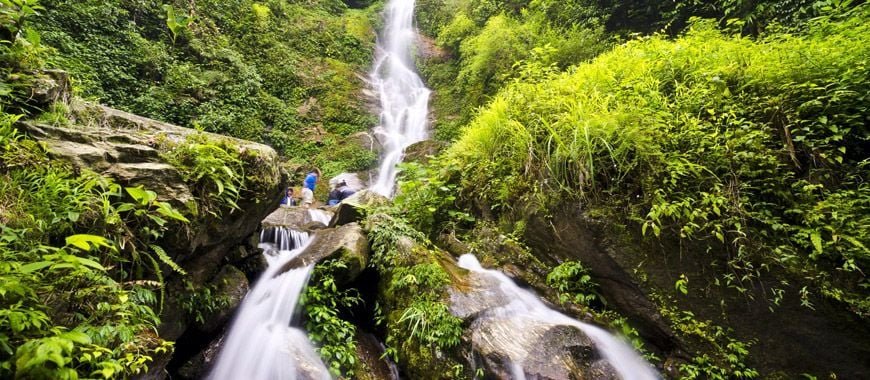
Nestled in the lush hills of West Sikkim near the popular hill-town of Pelling, Rimbi Waterfalls is a scenic cascade set against green forests and terraced hamlets. This guide explains the best time to visit the falls, seasonal pros and cons, practical travel tips, safety advice, and sample itineraries to help you plan a memorable trip.
Overview: What to Expect at Rimbi Waterfalls
Rimbi is best known for its photogenic cascade, tranquil surroundings, and proximity to Pelling’s panoramic mountain views. The site is popular with nature lovers, photographers, and day-trippers who combine a visit here with other nearby sights such as Pemayangtse Monastery, Khecheopalri Lake, and Rabdentse ruins.
Location and Accessibility
The waterfall is accessed from Pelling by a short drive followed by a walk along forested tracks. Approach routes can be uneven and may become muddy during rains. Local taxis, shared jeeps, or guided day tours from Pelling are common ways to reach the falls.
Climate and Seasonal Summary
- Spring (March–May): Pleasant days, blooming rhododendrons and wildflowers, easy trails.
- Summer / Pre-monsoon (May–June): Warming temperatures; increasing humidity toward monsoon.
- Monsoon (July–September): Heavy rain, waterfall at peak volume, slippery trails, occasional landslides.
- Autumn (October–November): Clear skies, excellent mountain views, comfortable temperatures — one of the best times to visit.
- Winter (December–February): Cold, crisp air; occasional snowfall at higher elevations, fewer tourists.
When Is the Best Time to Visit?
Top Recommended Periods
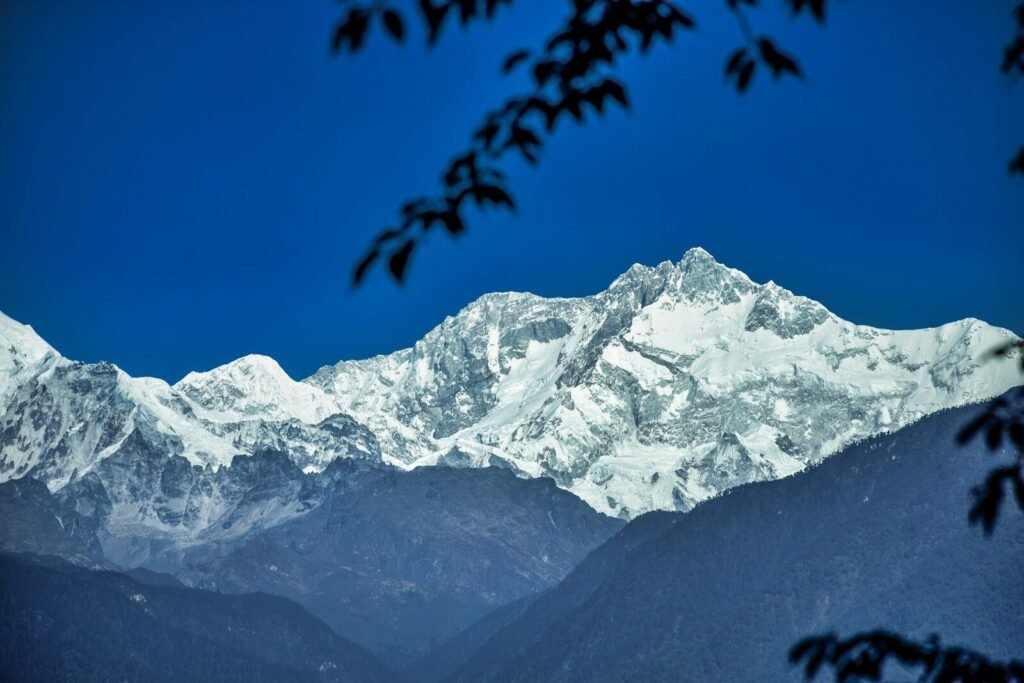
- October to November: Post-monsoon clarity, stable weather, crisp views of the Kanchenjunga range, and comfortable daytime temperatures. Ideal for photography and hiking.
- March to May: Pleasant spring weather, blooming rhododendrons, and moderate waterfall flow — great for nature walks and fewer crowds than peak autumn.
Visiting During the Monsoon
If your priority is to see the waterfall in its fullest form, monsoon (July–September) delivers spectacular volume and greenery. However, heavy rains bring drawbacks:
- Trails and viewing areas become slippery and potentially hazardous.
- Roads to Pelling and nearby villages may experience delays or temporary closures due to landslides.
- Visibility for distant mountain views is poor.
Only attempt a monsoon visit if you are prepared for wet conditions and you follow local safety advice.
Winter Considerations
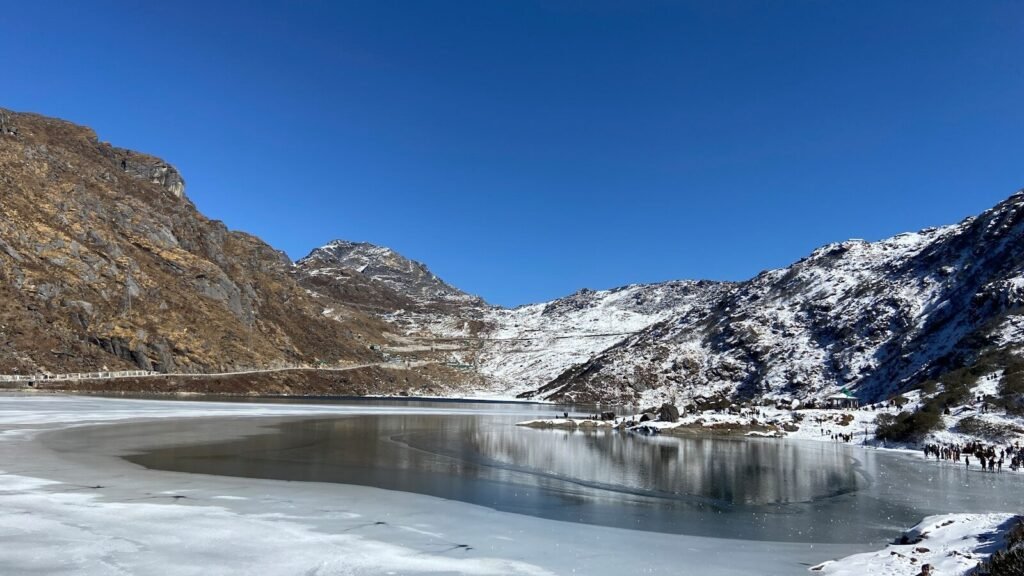
Winters are quieter and photogenically stark. Water flow may be reduced, but the landscape offers a serene, icy beauty. Pack warm clothing and expect shorter daylight hours.
What to Pack and Prepare
- Footwear: Sturdy, grippy hiking shoes or boots — crucial, especially during wet months.
- Rain gear: Waterproof jacket, pack cover, and quick-dry clothing in monsoon season.
- Warm layers: For autumn evenings and winter days.
- Photography kit: Tripod and neutral-density filter for silky-water long exposures; waterproof protection for gear during rains.
- Essentials: Water, snacks, basic first aid, insect repellent, and sunscreen.
- Local info: Carry the contact of local guides or your accommodation for updates on road and trail conditions.
Activities and Photography Tips
- Early morning and late afternoon offer the best soft light for landscapes; autumn mornings are often clear for distant mountain shots.
- Use a slow shutter speed (with ND filter) to create a smooth, silky effect on the falling water — but be careful on wet rocks and edges.
- Combine a visit with short nature walks, birdwatching, and village interactions to get a fuller experience of the area.
Safety and Environmental Considerations
- Do not climb on unstable or slippery rocks near the waterfall edge.
- Beware of sudden heavy rains that can increase water flow rapidly.
- Respect local flora and fauna; avoid littering and follow any signage or local guidance.
- Prefer local guides when trails are unclear or during bad weather; they know safe approaches and seasonal hazards.
Where to Stay
Pelling town and nearby villages offer a range of accommodations from guesthouses and homestays to boutique eco-lodges. Staying in Pelling gives you easy access to Rimbi Waterfalls and other attractions, as well as better options for food and transport.
Nearby Attractions to Combine with Rimbi Waterfalls
- Pemayangtse Monastery — cultural and historic interest with mountain views.
- Khecheopalri Lake — sacred lake known for its tranquility and birdlife.
- Rabdentse Ruins — historical ruins set among pleasant trails.
- Singshore Bridge — a photogenic high suspension bridge and viewpoint.
Sample 1–2 Day Itineraries
Day Trip from Pelling (Half to Full Day)
- Morning: Depart Pelling early; short drive + walk to Rimbi Waterfalls, photography and nature time.
- Midday: Return to Pelling for lunch; visit Pemayangtse Monastery or a local viewpoint.
- Afternoon: Stroll through local markets or relax at your accommodation.
Overnight Combination (1–2 Days)
- Day 1: Arrive Pelling, visit local attractions (monastery, viewpoints).
- Day 2: Early visit to Rimbi Waterfalls, optional stop at Khecheopalri Lake; depart in the afternoon.
Practical Tips
- Check local weather forecasts before heading out, especially during monsoon season.
- Hire local transport from Pelling rather than attempting unfamiliar mountain roads on your own at night.
- Carry cash for small purchases; remote stalls may not accept cards.
- Respect local customs and temple etiquette when visiting nearby religious sites.
Final Recommendation
For most travelers seeking the ideal balance of accessibility, scenic beauty, and pleasant weather, October–November and March–May are the best times to visit Rimbi Waterfalls from Pelling. If you prioritize seeing the waterfall at maximum volume and accept the risks of wet conditions, plan carefully for a monsoon visit with strong local guidance.
Quick Checklist Before You Go
- Confirm road and trail conditions with your hotel or local tourism office.
- Pack appropriate footwear, rain protection, and warm layers.
- Plan photography gear protection if visiting in wet weather.
- Bring basic first-aid items and emergency contacts.
With the right season, planning, and precautions, visiting Rimbi Waterfalls near Pelling can be a highlight of a Sikkim trip — offering lush forests, soothing waters, and a peaceful mountain atmosphere.