Rimbi Waterfalls, Pelling — History and Tourism Context
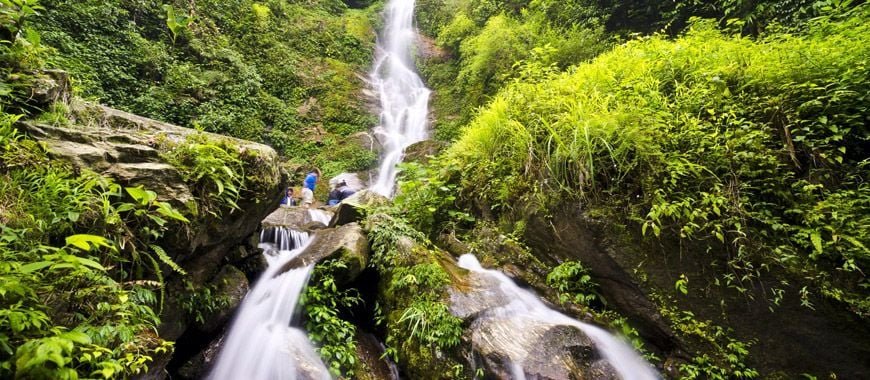
Rimbi Waterfalls is one of the scenic natural attractions in the Pelling region of West Sikkim, India. Nestled in the verdant foothills of the eastern Himalaya, the falls have become a familiar stop for visitors exploring the Pelling cluster of attractions. This article presents a historical overview of Rimbi in the broader context of tourism development, cultural significance, conservation concerns, and practical guidance for visitors.
Geographical and Natural Setting
Rimbi Waterfalls pours down from the network of mountain streams that drain the higher slopes of Sikkim’s ranges. The cascade is framed by dense mixed broadleaf and coniferous forests, terraced agriculture on nearby slopes, and a backdrop of misty ridgelines that can, on clear days, be viewed in the company of distant snow peaks.
Landscape features
- Riparian vegetation: lush mosses, rhododendrons at higher elevations, and native understory plants along the stream corridor.
- Seasonal flow: the volume of the waterfall fluctuates strongly with the seasons, peaking in the spring snowmelt and the monsoon, and reducing in the dry winter months.
- Setting: the falls are best appreciated as part of a short nature excursion from Pelling town, often combined with visits to nearby cultural and natural sites.
Historical Context
The history of Rimbi Waterfalls is intertwined with the human history of the Pelling area and the cultural traditions of Sikkim’s local communities, particularly the Lepcha and Bhutia people. While the falls themselves are a natural feature rather than a historic monument, their significance has evolved over time alongside settlement, pilgrimage, and the rise of tourism.
Pre-modern and traditional significance
- Local reverence: Natural features such as streams, lakes, and waterfalls have long been part of local cosmologies and everyday life. Water sources were respected for their life-sustaining properties and sometimes associated with local folklore and beliefs.
- Resource use: The stream systems around Rimbi historically provided water for small-scale irrigation, household use, and for livestock in nearby hamlets.
20th century changes
- Accessibility: Improvements in roads and the gradual development of Pelling as a hill-station and gateway to Himalayan viewpoints increased access to natural sites in the mid to late 20th century.
- Tourism beginnings: As Pelling became better known for its panoramic views of Kanchenjunga, visitors began to explore surrounding spots like Rimbi as supplementary nature stops and picnic locales.
Late 20th — early 21st century: emergence as a tourist spot
- Package tourism: With the growth of organized tourism circuits in Sikkim, Rimbi started appearing on short itineraries for day-trippers based in Pelling.
- Local entrepreneurship: Small-scale vendors, guide services, and informal facilities (viewing platforms, teashops) emerged to serve visitors, gradually turning the falls from a little-known stream into a recognizable attraction.
Rimbi in the Context of Pelling’s Tourism Growth
Pelling’s tourism profile has been shaped primarily by panoramic mountain views, monasteries, and nearby lakes. Rimbi complements these attractions and contributes to multi-stop day tours around Pelling.
Why visitors include Rimbi on their itineraries
- Convenience: Its proximity to Pelling makes Rimbi a convenient short-excursion for travelers with limited time.
- Natural respite: The falls offer a cool, watery interlude — particularly welcome in the warmer months or after visiting cultural sites.
- Photography and relaxation: The site is popular for photography, short treks, and family picnics.
Cultural and Economic Impacts
The ascent of Rimbi as a tourist spot has produced mixed but largely positive economic impacts for local communities, while raising questions related to cultural influence and environmental sustainability.
Economic benefits
- Local livelihoods: Increased visitor numbers have supported local guides, vendors, homestay hosts, and small-scale hospitality providers.
- Value addition: Tourism revenues have encouraged improvements in local services and infrastructure in the Pelling area.
Cultural and social considerations
- Community engagement: The local population has been both custodian and beneficiary of the falls, with community members often mediating visitor behavior and services.
- Cultural exchange: Interaction between visitors and residents creates opportunities for cultural exchange but also requires sensitivity to local customs, religious sentiments, and the pace of life.
Conservation, Management, and Challenges
Like many accessible natural sites, Rimbi faces pressures from visitation, litter, unplanned development, and seasonal overuse. Sustainable management is important to protect both the ecological integrity and the visitor experience.
Key conservation concerns
- Waste management: Litter from picnics and inadequate disposal facilities can degrade the stream and surrounding vegetation.
- Trail erosion: Unregulated footpaths and informal vantage points can accelerate soil erosion and damage plant cover.
- Water quality: Runoff and human activity near the stream can affect water clarity and the health of aquatic life.
Management responses and best practices
- Community-led stewardship: Local groups and small businesses can play a central role in maintaining cleanliness and enforcing visitor norms.
- Interpretation and signage: Informational signs about ecology and respectful behavior help educate tourists.
- Controlled development: Simple, low-impact seating areas and waste bins placed at strategic points help concentrate visitor impacts.
Visitor Information and Practical Tips
For travelers planning to visit Rimbi Waterfalls from Pelling, a few practical considerations help ensure a safe and enjoyable experience while minimizing environmental impact.
How to reach
- Base town: Pelling serves as the usual base. The falls are accessible by a short road trip or a light walk/trek from Pelling depending on the route and season.
- Regional access: The nearest major rail and air hubs are in the plains (New Jalpaiguri railway station and Bagdogra airport), from where road travel to Pelling takes several hours through hill roads.
Best time to visit
- Clear mountain views: Post-monsoon (October to December) and spring (March to May) are often the most pleasant for combining waterfalls with mountain vistas.
- Peak water flow: Late spring and early monsoon bring stronger flows, but heavy rains can make trails slippery and risky.
What to carry
- Comfortable footwear with grip for uneven terrain.
- Reusable water bottle, snacks, and a small first-aid kit.
- Rain protection during the monsoon season (June to September).
- Waste bag to carry out any refuse; maintain a leave-no-trace approach.
Visitor etiquette
- Avoid bathing or washing directly in the stream where signs restrict such activity.
- Respect local customs and private property; seek permission before photographing people in traditional attire.
- Use marked paths and viewing areas to minimize ecological disturbance.
Nearby Attractions — Combining Rimbi with a Pelling Itinerary
Rimbi is best enjoyed as part of a broader Pelling circuit. This allows visitors to appreciate both natural and cultural highlights of West Sikkim.
- Pemayangtse Monastery: A major Buddhist monastery offering cultural insight and architectural interest.
- Khecheopalri Lake: A sacred lake with spiritual significance and serene surroundings.
- Singshore Bridge: One of the highest suspension bridges in Sikkim, offering dramatic views of valleys.
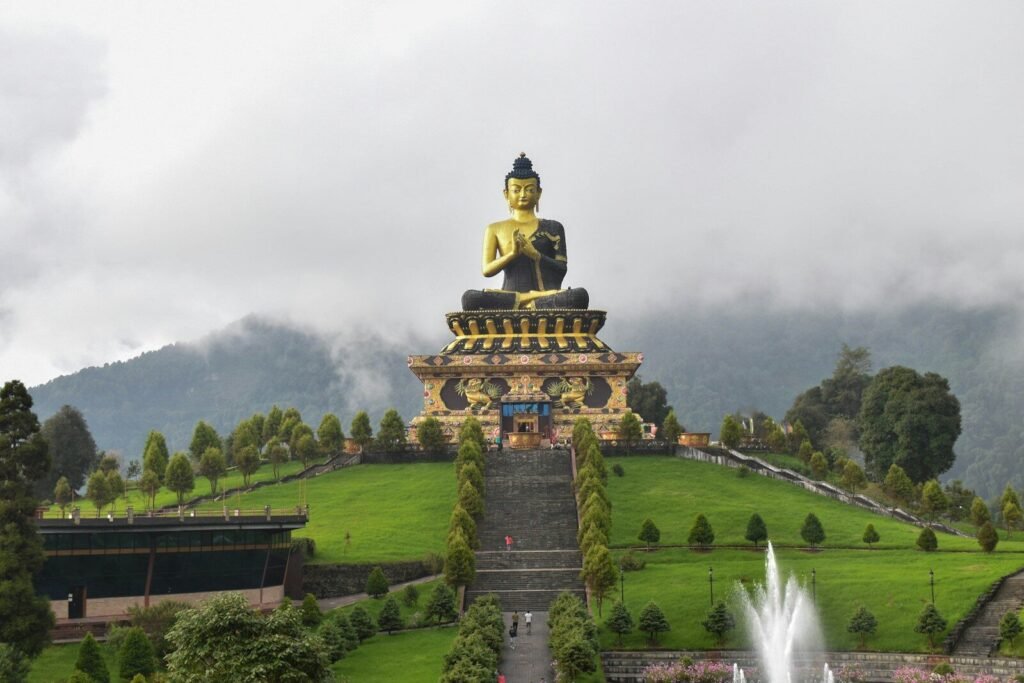
- Rabdentse Ruins: Historic ruins of a former Sikkimese capital providing both heritage and panoramic views.
Future Prospects
Rimbi Waterfalls has the potential to remain a valued amenity within Pelling’s tourism offer if managed thoughtfully. The future focus should be on balancing visitor access with environmental stewardship and ensuring that economic benefits continue to reach local communities.
- Sustainable tourism planning: Integrating Rimbi into official tourism plans with limits on high-impact activities.
- Community benefit: Encouraging community-run services such as guided walks, interpretive stalls, and homestays to diversify incomes.
- Environmental education: Programs for visitors and residents on watershed protection and biodiversity conservation.
Conclusion
Rimbi Waterfalls is more than a scenic stop; it is part of the living landscape and cultural tapestry of Pelling and West Sikkim. Its history is best understood through the lens of local use, gradual opening to visitors, and evolving stewardship. For travelers, visiting Rimbi offers a compact nature experience that complements the spiritual and mountain attractions of Pelling — provided that the visit is conducted respectfully and sustainably.