Nestled in the high Himalayan foothills of West Sikkim, Pemayangtse Monastery is one of the most venerated and visually striking monasteries in the region. For both pilgrim and traveler, the monastery represents a blend of deep religious tradition, historical continuity, and scenic attraction. This article explores the monastery’s history, religious and artistic significance, and its evolving role within Sikkim’s tourism landscape.
Pemayangtse is traditionally dated to the early 18th century (around c. 1705) and is associated with the great Nyingma lama Lhatsun Chempo (one of the three lamas who played a central role in the establishment of the Namgyal dynasty of Sikkim). The monastery’s foundation and subsequent history are closely tied to the political and spiritual consolidation of Sikkim during the period when Buddhist institutions played a major role in legitimizing the Chogyal monarchy.
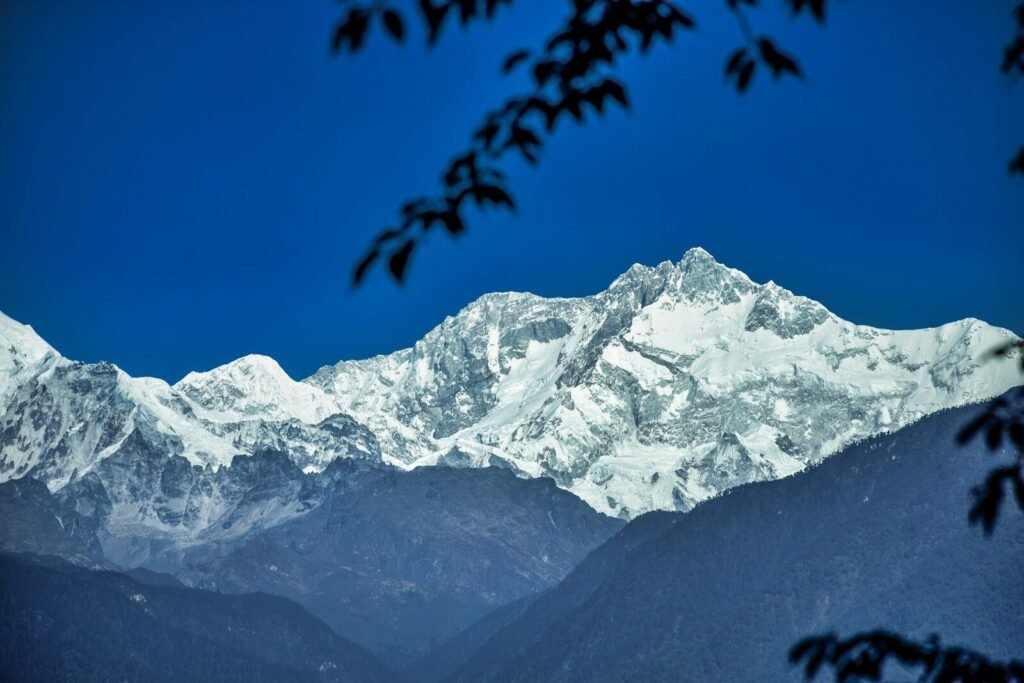
Historically, Pemayangtse functioned as a major seat of the Nyingma order of Tibetan Buddhism in Sikkim. It served not only as a monastic centre for meditation and learning but also as an institution intertwined with the royal court. From its courtyard the monastery historically reaffirmed dynastic ties with local deities and the mountain-protecting cults centered on Khangchendzonga, the great guardian peak of the region.
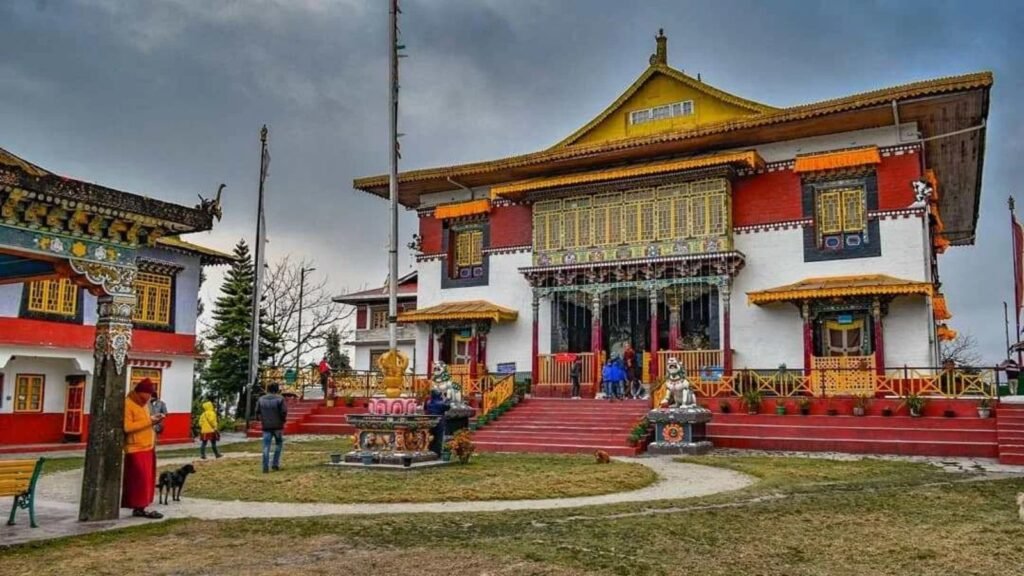
The monastery is noted for its austere yet dignified Himalayan architecture: layered roofs, wooden beams carved with traditional motifs, and a compact, terraced layout adapted to steep terrain. The complex is arranged to harmonize with the ridge it occupies, providing framed vistas of the surrounding valleys and mountains.
Inside Pemayangtse visitors will find richly painted murals, finely crafted statues and sacred thangkas. The iconography typically features central Buddhist figures such as Guru Padmasambhava (Guru Rinpoche), various tantric deities, and lineage masters of the Nyingma tradition. These objects are both devotional and artistic treasures, reflecting centuries of religious practice and local artistic styles.
Pemayangtse remains an active monastery. Monks observe the liturgical calendar, perform daily pujas, study Buddhist scriptures, and maintain traditions of chanting and ritual art. Visitors can often witness or respectfully observe some of these regular activities.
The monastery is the centre for several important festivals that draw pilgrims and tourists alike. Notable events typically include masked dances (often referred to collectively as Cham dances), seasonal observances such as Pang Lhabsol (a traditional Sikkimese festival honoring the protective mountain deities) and ceremonial days that align with the Tibetan Buddhist lunar calendar. These festivals offer visitors a vivid experience of living culture, ritual music, choreography and colorful costume.
Pemayangtse is conveniently visited from the popular hill-station of Pelling and can be reached by a short drive from the town. Its location, high on ridges facing the Khangchendzonga range, makes it attractive to tourists seeking both cultural experience and panoramic mountain views.
Tourism around Pemayangtse supports local livelihoods—guesthouses, guides, transport operators and craft sellers benefit from visitor flows. At the same time, rising visitor numbers create challenges: wear to historic fabric, waste management, and pressures on local infrastructure require careful planning.
Conservation of murals, thangkas and wooden structures requires resources and specialist care. Responsible tourism practices—such as limiting large group visits during fragile rituals, supporting local conservation initiatives, and following guided routes—help protect the site’s spiritual and material heritage. Visitors can contribute by supporting community-run enterprises and following posted guidelines.
Pemayangtse Monastery is more than an attractive stop on a tourist circuit: it is a living institution that preserves centuries of Sikkimese Buddhist practice, art and history. For the visitor, it offers an opportunity to witness the intersection of sacred tradition and striking Himalayan landscapes. Approached with curiosity and respect, a visit to Pemayangtse can be both culturally enriching and personally restorative—while contributing to the local economy when undertaken responsibly.
What makes us different from other tour package companies
Our travel experts have core and intense knowledge about Sikkim sector with over 10 years of experience that will help you choose the best possible itinerary as per your requirements.
Our travel experts are just one call away during your tour to help you with any kind of immediate assistance so that your tour is a more enjoyable and hassle-free tour.
eSikkimTourPackages ensures best rates to all our esteemed guests since we have our own hotels and fleet of vehicles and drivers and there is no third-party involvement. This ensures personalized service and best rates.












Kindly enter the details below for your Sikkim Tour Package